Pool Occupancy Calculator
Published on: May 12, 2026 | Last Updated: April 13, 2025
Written By: Rachael Weatherbottom
A pool occupancy calculator helps determine how many people can safely use a swimming pool at once. It considers pool size and safety standards to prevent overcrowding. This tool is essential for public pools, hotels, and homeowners who want to follow safety guidelines.
Pool Capacity Calculator
How to Use
- Measure your pool’s length, width, and average depth
- Select your pool type for safety standards
- Click calculate to get maximum occupancy
Note: Always check local regulations. This calculator uses standard NSF/ANSI safety ratios.
Crucial Winterizing Products
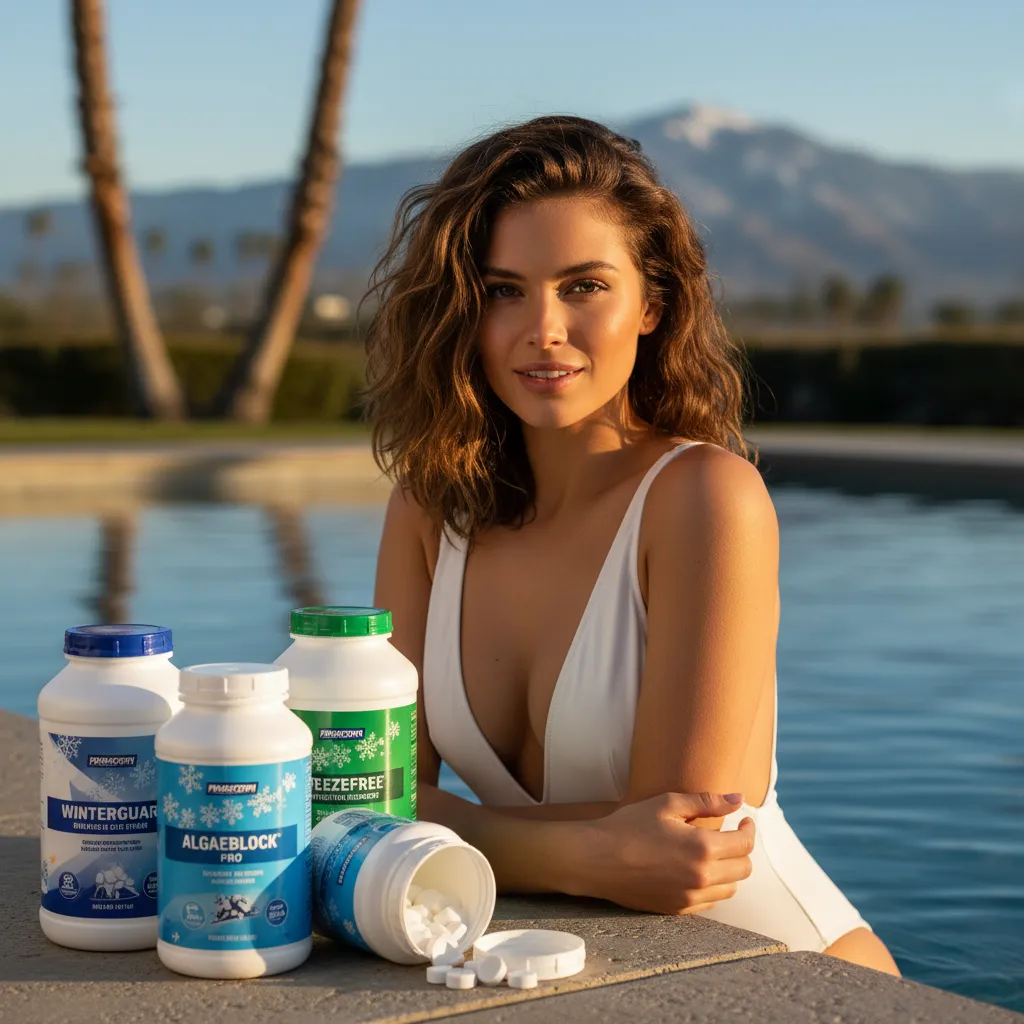
"The all-in-one solution for a guaranteed clear spring opening."
All-in-One Closing Chemical Kit
Winter demand is high - check stock

"The 'set & forget' option. This is the easiest winterizing I've ever done."
Simple 3-in-1 Winterizing Balls
Winter demand is high - check stock
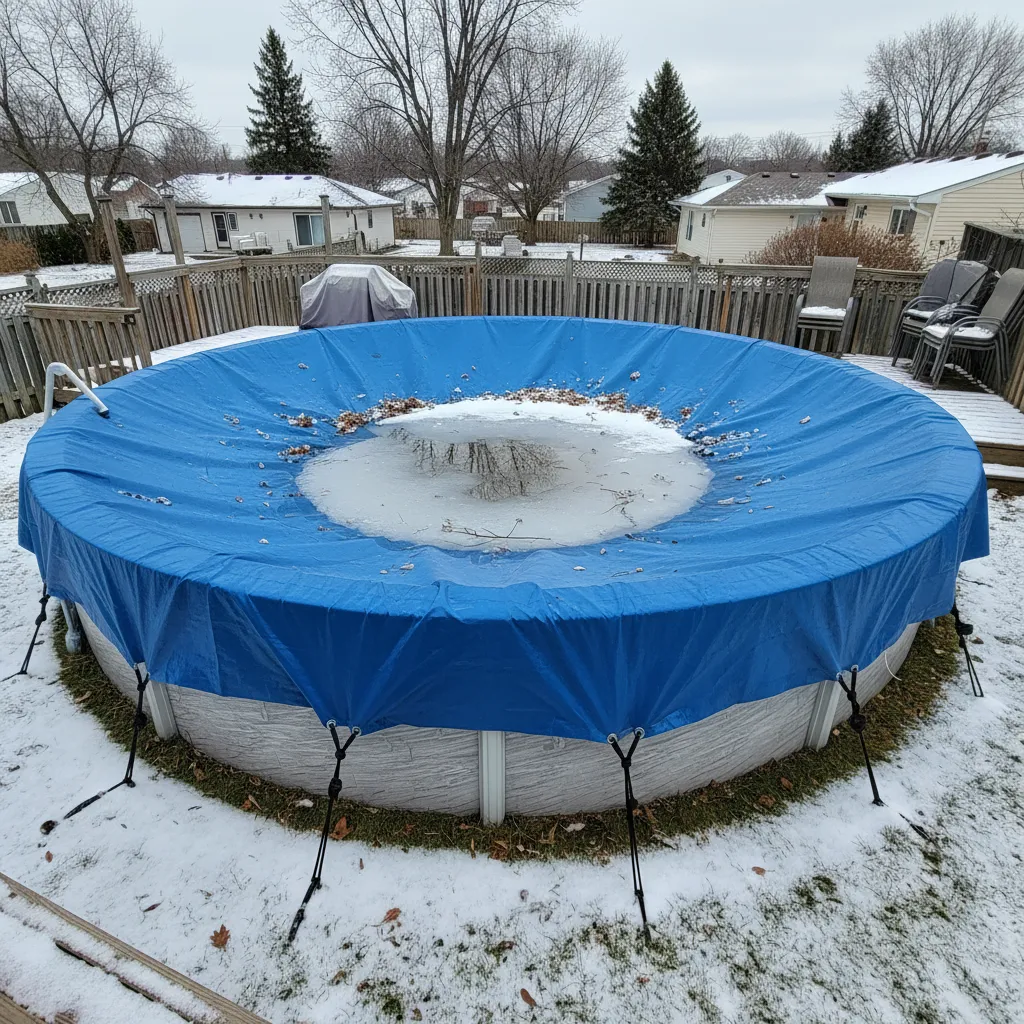
"Invest once to protect your liner and prevent a swamp in the spring."
Heavy-Duty Winter Pool Cover
Winter demand is high - check stock
Key Factors Influencing Pool Occupancy Limits
Pool occupancy calculations depend on multiple variables. These include physical dimensions, safety codes, and operational parameters. Ignoring even one factor risks overcrowding, safety violations, or equipment strain. To ensure a safe and enjoyable swimming experience, it’s important to consider the pool’s size. A pool square footage calculator can help you determine the correct dimensions for your space.
Pool Dimensions and Shape
Rectangular pools use straightforward volume formulas (Length × Width × Average Depth × 7.48 = Total Gallons). Freeform designs require segmented measurements. For example, a kidney-shaped pool may need 5-7 trapezoidal sections summed for accuracy. Depth transitions impact usable surface area – slopes reduce safe standing zones. Calculating the volume is essential for proper water treatment. A hydrogen peroxide pool calculator can help determine the right amount of hydrogen peroxide needed for your pool based on its size.
Water Circulation System Capacity
Turnover rate (hours to filter the entire volume) directly affects occupancy. Commercial pools require 6-hour turnover; residential systems often handle 8-12 hours. A 20,000-gallon pool with a 100 GPM pump achieves 3.33 turnovers daily. Exceeding bather load overwhelms filtration, causing turbidity or chemical imbalance. Knowing the turnover rate helps maintain pool health. A pool turnover rate calculator can provide quick insights for better management of your pool’s water quality.
Deck Space and Emergency Access
International Building Code (IBC) mandates 15 sq.ft per occupant in deck areas. A 1,200 sq.ft patio allows 80 persons. Narrow walkways (<4ft) reduce evacuation efficiency. Lifeguard sightlines require 180° visibility – obstructions like slides or cabanas lower safe capacity by 10-15%.
| Factor | Standard | Impact on Occupancy |
|---|---|---|
| Water Surface Area | 25 sq.ft per person (APSP) | 500 sq.ft pool = 20 max |
| Deck Area | 15 sq.ft per person (IBC) | 300 sq.ft deck = 20 max |
| Turnover Rate | 6 hours (commercial) | 20k gal ÷ 6h = 55.5 GPM pump |
Regional Health Department Codes
Florida’s DBPR mandates 25 sq.ft per swimmer. California’s H&S Code 116064 requires 20 sq.ft. In Arizona, county-specific rules apply – Maricopa enforces 1 person per 15 sq.ft for hotel pools. Always verify local amendments to ANSI/APSP or IBC models.
Pool Occupancy Calculation Formulas
Two primary methods exist: water volume-based and surface area-based. Combine both for compliance.
Volume Method (Gallons Per Person)
Used in Texas, Illinois, and commercial settings. Formula: Total Gallons ÷ 17.5 = Max Bathers. Example: 30’×15’×4.5’ pool holds 15,187 gallons. 15,187 ÷ 17.5 ≈ 868 people? No – surface area limits override. This method sets chemical dosing, not absolute occupancy. To enjoy a relaxing swim, knowing how many gallons your pool holds is essential. This calculation helps in managing water chemistry and ensuring a safe swimming environment.
Surface Area Method (Square Feet Per Person)
Standard for most residential pools. Formula: (Length × Width) ÷ Occupancy Factor = Max Swimmers. A 16×32 pool (512 sq.ft) ÷ 25 = 20 people. Adjust for tanning ledges: Deduct areas <3.5ft deep before dividing. Knowing the pool's capacity helps manage resources effectively. A [flexible_link url="https://mypoolcalc.com/pool-water-replacement-cost-calculator" type="permanent"]pool water replacement cost calculator[/flexible_link] can assist owners in budgeting for necessary water changes.
- Residential pools: 25-30 sq.ft/person
- Public pools: 20-25 sq.ft/person
- Wading pools: 15 sq.ft/person (under 18” depth)
Combined Load Calculations
Hot tubs add complexity. The Virginia Graeme Baker Act requires 10 sq.ft per spa user. If connected to a pool, sum both areas but maintain separate limits. A 400 sq.ft pool + 60 sq.ft spa allows 16 swimmers + 6 spa users. Many people enjoy having both a pool and a hot tub for relaxation and fun. Adding a hot tub to your pool area enhances the overall experience and provides a perfect spot for unwinding after swimming.
Also See: Dry Acid Pool Calculator for Perfect Water Balance

Safety Considerations in Occupancy Management
Overcrowding causes 23% of public pool incidents according to CDC data. Beyond legal limits, consider these risks:
Chemical Demand Surges
Each swimmer introduces 0.5-1.0 lbs of contaminants daily. A 50-person pool needs 25-50 lbs oxidizer weekly. Chlorine demand spikes 2-3ppm per 10 bathers – test every 2 hours during peak use. To keep the water clean, it’s important to use the right amount of chlorine tablets. Generally, you should use 1-3 tablets per pool, depending on the size and usage.
Circulation System Overload
Skimmer weirs process 30-50 gallons per minute per linear foot. Exceeding capacity causes debris bypass. Sand filters clog 47% faster at 120% occupancy. Variable-speed pumps help – a 3HP pump at 2,450 RPM handles 150 GPM vs 80 GPM at 1,725 RPM. To enhance skimmer performance, proper pump speed adjustment is key. This can lead to increased suction at the skimmer, ensuring more debris is captured effectively.
Emergency Response Times
CPR success rates drop 10% per minute. Crowded pools delay extraction – aim for ≤15 seconds reach time. For 50+ occupancies, install multiple rescue stations with Shepherd’s crooks and AEDs.
Regional Variations in Pool Occupancy Laws
U.S. states adopt modified versions of ANSI/APSP-7 or IBC 3109.1. Always confirm with local building departments.
| State | Residential Standard | Commercial Standard |
|---|---|---|
| Florida | 25 sq.ft/person | 20 sq.ft/person |
| California | 20 sq.ft/person | 15 sq.ft/person |
| Texas | Volume ÷ 17.5 | 200 sq.ft per lifeguard |
European Standards (EN 15288)
Requires 3m² (32.3 sq.ft) per swimmer. German DIN 19643 adds 0.5m² for diving boards. French pools allocate 4m² if depth exceeds 1.8m.
Australian Guidelines
AS 3633-1989 specifies 2.5m² per person. Queensland mandates 3m² for wave pools. Western Australia requires 1 lifeguard per 50 swimmers vs NSW’s 1:100 ratio.
Practical Examples Of Pool Occupancy Calculations
Residential Inground Pool
Dimensions: 18’×36’ with 3.5’ average depth. Surface area: 648 sq.ft. ÷ 25 = 26 people. But deck is only 500 sq.ft ÷ 15 = 33. Governed by water area – 26 max. Add 4’ depth section? Recalculate using 4.5’ average: (18×36×4.5×7.48)=21,890 gallons ÷17.5=1,251. But surface area still limits to 26. In considering pool options, another common size is the 16’x32’ pool. This size typically holds around 14,000 gallons of water, making it a popular choice for many homeowners.
Community Center Pool
Lap pool 25m×10m (2690 sq.ft). Commercial standard 20 sq.ft/person = 134 swimmers. Deck is 3,000 sq.ft ÷15=200. Circulation: 25,000 gallons with 75 GPM pump = 5.55-hour turnover. Meets health code. Final occupancy: 134. The design of a standard lap pool plays an important role in competitive swimming. A standard lap pool is typically 25 meters in length, making it suitable for training and competitions.
Hotel Pool With Spa
Main pool: 400 sq.ft ÷25=16. Spa: 60 sq.ft ÷10=6. Deck: 800 sq.ft ÷15=53. Total allowed: 16+6=22 water, 53 deck. Must post separate limits: “Pool 16, Spa 6” with timed rotations if deck reaches capacity. When planning for larger pool sizes, such as a 600 sq ft pool, capacity and management become even more important. A pool this size can provide ample space for enjoyment while still requiring careful supervision to maintain safety.
FAQs – Common Pool Occupancy Questions
Why Do Some Pools Have Lower Limits Than Calculated?
Local amendments may override state codes. Fire marshals can impose restrictions based on exit widths. Pools with limited restrooms (1 per 75 users) must reduce occupancy.
How Does Depth Affect Pool Occupancy Calculations?
Areas deeper than 5ft count at 1.5x in some states. A 10×10 section at 6ft depth equals 150 sq.ft for capacity purposes in Florida.
Can Inflatable Toys Increase Pool Occupancy?
No. The Association of Pool and Spa Professionals (APSP) prohibits floatation devices from increasing counts. Toys reduce available space – subtract 25% of their footprint.
Do Children Count As Full Occupants?
Yes in all U.S. jurisdictions. European codes allow 0.75 multiplier for under 12s. Never exceed 1:1 child to adult ratios regardless of space.
Special Cases in Occupancy Calculations
Wave Pools and Lazy Rivers
Currents require 30% more space. A 1,500 sq.ft wave pool allows 1,500 ÷32.5 ≈46 people. Add surge capacity for wave intervals – 15-second cycles need 20% buffer.
Infinity Edge Pools
The catch basin volume counts toward total. A 400 sq.ft main pool + 80 sq.ft basin = 480 ÷25 =19 people. Ensure deck space accounts for hidden basin walls.
Natural Swimming Ponds
Biological filters need lower loads. Max 1 person per 40 sq.ft. A 1,200 sq.ft pond allows 30 swimmers. Vegetation zones aren’t subtracted – they’re critical to treatment.
Consequences Of Exceeding Pool Occupancy Limits
Fines range from $250/day (residential) to $5,000+ (commercial). Insurance voids coverage if limits are ignored. In Texas, exceeding by 25% triggers mandatory closure until reinspected ($350 fee). The costs related to pool regulations can add up quickly. It’s important for pool owners in Texas to be aware of these expenses when budgeting for their pools.
Health Department Violations
Overcrowding citations account for 38% of pool closures. Repeat offenses lead to operating permit revocation. Public pools must post capacity in 3” letters visible from 20 feet.
Equipment Damage Risks
Pumps drawing 10% over FLA rating face 50% faster bearing wear. Heater bypass valves fail when flow exceeds 125 GPM. Scale buildup accelerates at high bather loads – expect 3x descaling costs.
Advanced Pool Occupancy Planning
Smart controllers like Pentair IntelliConnect track real-time loads using entry sensors. Alerts trigger at 80% capacity. For large venues, RFID wristbands automate counts – 98% accuracy vs manual checks.
Peak Usage Analysis
Most residential pools hit 75% capacity on weekends. Commercial pools peak between 2-5 PM. Stagger swim sessions using 30-minute rotations. Offer adult-only hours to redistribute load.
Weather Adjustments
Heated pools in cold climates see 40% higher winter usage. Allow 10% more capacity if water is >85°F. Rain reduces loads – each inch of rainfall decreases attendance by 15% for 24 hours.
For precise calculations tailored to your pool’s specifications, visit My Pool Calculator. Input your pool’s dimensions, equipment specs, and local codes to generate compliant occupancy limits.
Additional Resources for You:
- Tamminen, T. (2019). The Complete Pool Manual for Homeowners: A Step-by-Step Maintenance Guide. New York, NY: Skyhorse Publishing.
- Pool Volume Calculator | Pool Water Calculator | Pentair
- BATHING LOAD CALCULATION GUIDE
- Pool Occupant Load Calculations | UpCodes
- Pool Volume Calculator | Pool Maintenance | Swimmingpool.com
A pool care geek who’s been testing water chemistry since she was tall enough to reach the skimmer.
Chemical Dosage, Pool Calculators