Can You Add a Hot Tub to an Existing Pool?
Published on: January 5, 2026 | Last Updated: November 17, 2025
Written By: Marcus Thornfield
Yes, you can add a hot tub to an existing pool through methods like spillover spas, attached units, or standalone installations. A spillover spa integrates directly with your pool’s plumbing and design, allowing heated water to flow between both structures. Standalone hot tubs placed near the pool deck offer flexibility but require separate systems. This upgrade lets you enjoy warm therapy jets year-round, extends your outdoor living space, and can boost property value by up to 7%.
This article breaks down everything from feasibility to installation. Learn how in-ground pools can incorporate built-in spas or retrofitted designs. We’ll explore costs (ranging from $15,000 to $30,000 for spillover models), plumbing adjustments, and design choices like raised ledges or matching tile finishes. Discover how shared filtration systems work and why permits or electrical upgrades might impact your timeline.
Can a hot tub function as a pool? While both use pumps and filters, hot tubs lack the size (averaging 400 gallons vs. 20,000+ gallons for pools) and circulation capacity for swimming. We’ll explain why repurposing one isn’t practical but share hybrid solutions like shallow lounging zones or dual-temperature setups. Get clarity on maintenance routines, space requirements, and long-term benefits to decide if merging these water features fits your lifestyle.
Can You Add a Hot Tub to an Existing In-ground Pool?
Adding a hot tub to a pool you already have is doable, but it takes planning. The main things to check are space, your pool’s setup, and local rules. You’ll need to see if your yard has room for the new unit and if your pool’s shell can handle the change. Some pools may need new steel bars or more cement to stay strong.
Crucial Winterizing Products

"The all-in-one solution for a guaranteed clear spring opening."
All-in-One Closing Chemical Kit
Winter demand is high - check stock

"The 'set & forget' option. This is the easiest winterizing I've ever done."
Simple 3-in-1 Winterizing Balls
Winter demand is high - check stock
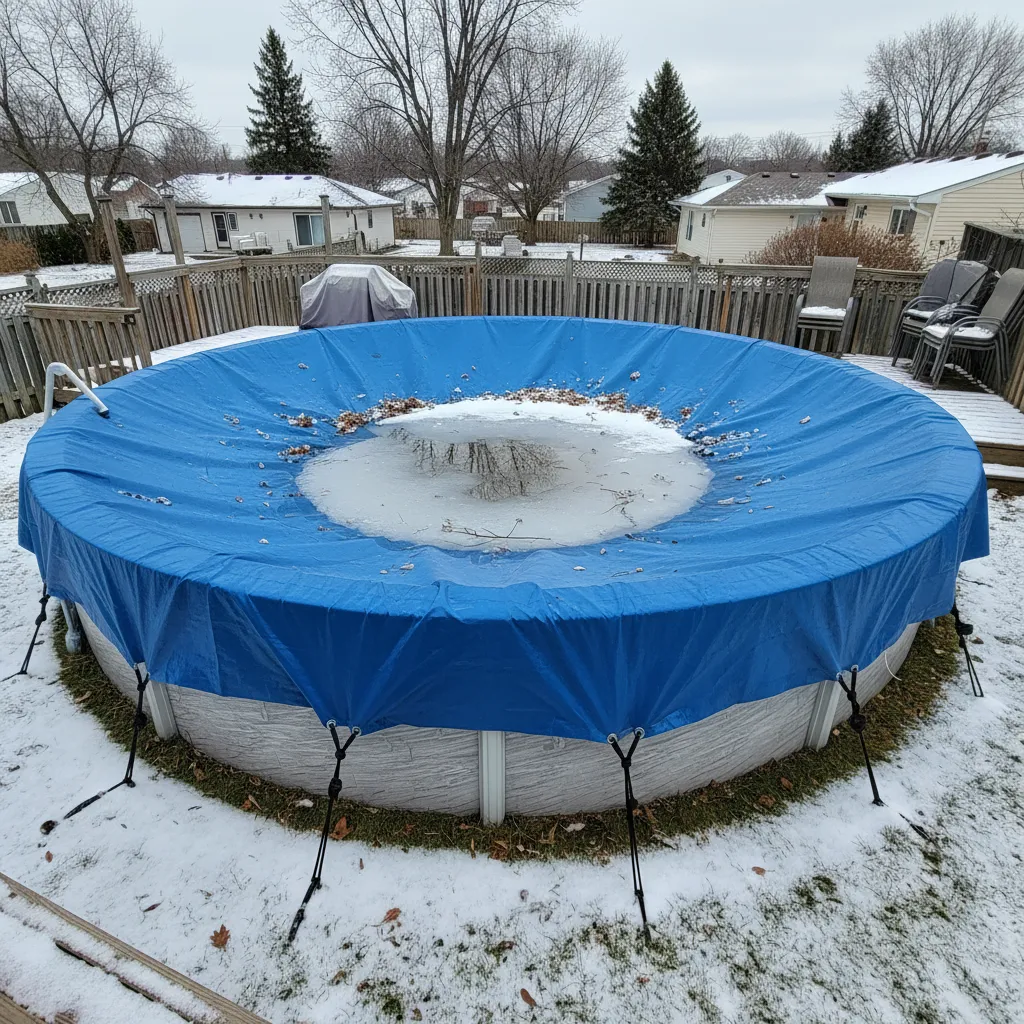
"Invest once to protect your liner and prevent a swamp in the spring."
Heavy-Duty Winter Pool Cover
Winter demand is high - check stock
Feasibility and Key Considerations
First, check if your pool’s pump and pipes can work with a hot tub. Most in-ground pools use one pump for all water flow. If you add a hot tub, you might need a second pump or a heater that can handle both. Spillover spas (hot tubs that flow into the pool) share water, so the heat and chemicals must stay balanced. You’ll also need to follow local codes for things like fences, drains, and how far the hot tub is from power lines. Similarly, if you’re considering a heat stock tank pool, you’ll want to ensure your setup can accommodate the additional heating needs. A heat stock tank pool can provide a warm and relaxing space for swimming, making it an appealing option for backyard enjoyment.
Costs start at $15,000 for basic builds but can hit $50,000+ if you add jets, lights, or stone work. Permits add $500-$2,000 based on where you live. Always hire a pro to check soil, pipes, and power needs before digging.
Steps to Integrate a Hot Tub With an Existing Pool
Step one: Draw plans with a pool pro. They’ll mark where to dig, how to link pipes, and where to place jets. Next, get permits. Most towns need a sign-off on safety steps like GFCI breakers (devices that stop shocks) or anti-slip edges.
Work starts by cutting into the pool’s wall or deck. Crews use saws to make space for new PVC pipes that link the hot tub to the pool’s filter. If you pick a spillover spa, they’ll set it higher than the pool so water flows down. For heat, many add a gas heater or heat pump that works for both. The last steps are adding tiles, testing jets, and balancing the water.
Thinking about style? Let’s explore hot tub types that blend with pools.
Types Of Hot Tubs Fit for Pool Links
Picking the right hot tub for your pool mix needs thought on style, set-up, and use. Choices range from built-in spillover units to stand-alone models. Each type has pros and cons tied to cost, space, and how they work with your pool.
Spillover Spas
Spillover spas blend with your pool for a smooth look. These units share the pool’s pump and filter, which cuts costs. Water flows from the spa to the pool, keeping both clean. Built with poured concrete or fiberglass, they need pro install to link pipes and wires right. Costs start at $15K for basic models but hit $30K+ for custom tile or stone work. Maintaining clean water is essential for both pools and spas. Using hydrogen peroxide can help lower chlorine levels while still keeping the water safe and clear.
In-ground Vs. Above-ground Hot Tubs
In-ground spas sit flush with the pool deck, made from gunite or fiberglass. They last 15-20 years but need more time and cash to add to a live pool ($20K-$50K). Above-ground tubs, like acrylic or roto-mold types, cost less ($5K-$15K) and can sit near the pool. But they don’t share heat or filters, which may hike bills. Considering the costs of these spas, it’s important to look at the overall expenses for maintaining a pool. Knowing the costs for facilities like the Highland Park pool can help with budget planning.
Portable Vs. Fixed Picks
Portable hot tubs plug into 120V outlets and need no pipe links. Brands like Hot Spring or Jacuzzi sell units for $3K-$10K that fit by a pool in hours. Fixed spas tie into the pool’s grid, using 240V lines and PVC pipes. While pricier upfront, they save cash long-term with shared care.
Error: Invalid image ID.
Can You Use a Hot Tub As a Pool?
Hot tubs and pools serve different goals. While some think to swap them, key gaps in size, build, and rules make it tough.
Hot Tubs Vs. Pools: Core Gaps
- Size: Hot tubs hold 4-8 people in 300-500 gal. Pools need 10K+ gal for swim space.
- Heat: Tubs run at 100°F-104°F vs. pools at 78°F-82°F.
- Use: Tubs are for short soaks; pools let you dive, play, or do laps.
- Care: Tubs need more sanitizer due to heat and low water flow.
Why Hot Tubs Can’t Act As Pools
Swapping a hot tub for a pool hits walls. Most tubs lack depth (3-4 ft vs. 6-8 ft pools) and space to move. Their pumps can’t clean big loads, and high heat strains gear if run all day. Code rules also see pools and tubs as separate, so a tub won’t pass as a pool for safety checks.
For those set on a pool and hot tub mix, smart design picks can blend both. Let’s dive into how to link them right.
Also See: Does Showboat Have a Pool? Find Out Here!
How to Integrate a Hot Tub With an Existing Pool
Integrating a hot tub with an existing pool requires precise planning to ensure both systems function safely and efficiently. Whether adding a spillover spa or attaching a standalone unit, alignment with your pool’s infrastructure is non-negotiable.
Plumbing and Electrical Requirements
Hot tubs demand dedicated plumbing lines and electrical circuits. Most models require 220-240V power supplies, with energy draws ranging from 30-50 amps depending on heater size and jet pumps. Plumbing must handle flow rates of 40-60 gallons per minute (GPM) to maintain water circulation between the pool and spa. Retrofitting often involves installing a separate pump, heater, and three-way valves to control water direction. Zoning codes may mandate backflow prevention devices to avoid cross-contamination between systems.
Design Options for Seamless Attachment
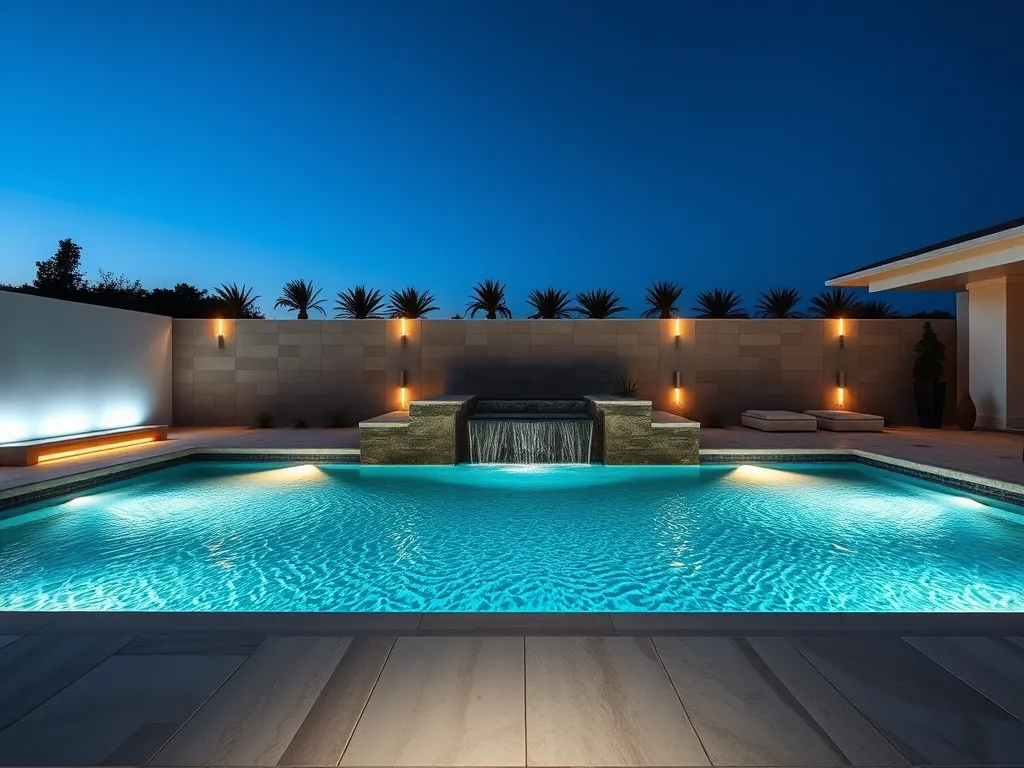
Spillover spas remain the most popular design for integration, using a shared wall with the pool to create a cascading water effect. Elevated installations with cantilevered edges or infinity-style drop-offs blend aesthetics with function. Materials like matching tile, stamped concrete, or travertine ensure visual harmony. For above-ground hot tubs, partial sunken installations or raised deck platforms minimize visual disconnect. Built-in seating, LED lighting, and matching waterline tiles elevate cohesion.
Cost Of Adding a Hot Tub to an Existing Pool
Adding a hot tub to a pool involves variable costs influenced by design complexity, materials, and labor. Budgeting requires accounting for both visible features and hidden infrastructure. One aspect that can enhance the experience of a hot tub is the use of bubbling pool jets. These jets provide soothing water movement that can improve relaxation and enjoyment.
Average Costs for Spillover Spas and Attached Units
Spillover spas integrated into pool structures average $15,000-$35,000, including excavation, plumbing, and finishes. Prefabricated fiberglass or acrylic drop-in units cost $8,000-$25,000 but may require custom deck modifications. Standalone hot tubs installed adjacent to pools range from $5,000-$15,000, excluding electrical upgrades or patio reinforcements. When considering additional features like these, it’s important to factor in the overall costs of building a pool in Arizona. This can help homeowners prepare for the total investment involved in creating their dream outdoor space.
Factors Affecting Installation Expenses
Soil conditions impact excavation costs—rocky terrain can add $3,000-$8,000 for drilling. Gas line extensions for propane or natural gas heaters run $500-$2,000. Permitting fees vary by municipality, typically $200-$1,200. Retaining walls or slope stabilization for elevated spas add $1,500-$5,000. Energy-efficient variable-speed pumps or solar heating systems increase upfront costs by 15-25% but reduce long-term operating expenses.
Permits and Installation Requirements
Local regulations govern nearly every aspect of hot tub additions, from placement to safety features. Skipping permits risks fines or forced removal of non-compliant installations.
Building Codes and Safety Regulations
The International Residential Code (IRC) mandates GFCI-protected outlets within 10-20 feet of hot tubs and fencing or locking covers if the water depth exceeds 24 inches. ADA-compliant designs require entry/exit handrails and seat heights under 20 inches. Drain covers must meet VGB Act standards to prevent suction entrapment. Shared pool-spa systems require dual drains spaced at least 3 feet apart.
Deck and Space Considerations
Hot tubs need 5-10 feet of clearance from pool edges for safe access. Composite or concrete decks require load-bearing capacities of 100 pounds per square foot (PSF) to support filled spas. Slopes exceeding 2% may require grading or footings. Built-in units often expand the pool’s footprint, triggering setback requirements—typically 5-10 feet from property lines.
With permits secured and designs finalized, the next phase focuses on maintaining your new pool and hot tub combo.

Maintenance for Pool and Hot Tub Combos
Combining a pool and hot tub introduces unique maintenance challenges. Whether you’re adding a hot tub to an existing pool or exploring a pool and hot tub combo, managing water quality and equipment requires tailored strategies. Let’s break down the critical factors. Chemical balance is key for both setups. Klean Strip Muriatic Acid can be an essential tool in maintaining the proper pH levels in your pool and hot tub.
Shared Vs. Separate Systems
Integrated systems, like spillover spas connected to pools, often share plumbing, heaters, and pumps. This setup reduces upfront costs but increases chemical demand since hot tubs operate at 100-104°F, accelerating chlorine depletion. Shared filters may also clog faster due to higher bather density in spas. Separate systems use dedicated equipment, allowing precise temperature and chemical control but adding $3,000-$8,000 for duplicate components like pumps or heaters. For those considering a pool chiller, it’s important to factor these costs into your overall budget. The cost of a pool chiller can vary based on size and efficiency, typically ranging from $1,500 to $5,000, depending on the features and brand.
Spillover designs require frequent checks to prevent imbalanced flow rates. A 1.5 HP pump typically handles 50-75 gallons per minute (GPM) for a 400-gallon spa, but oversized jets or shared piping can strain the system. For pools with attached hot tubs, installing a separate booster pump or zone-controlled valves helps manage pressure differences. Keeping the pool comfortably warm is also a key consideration. Using a solar blanket can effectively retain heat and reduce energy costs while enjoying your pool.
Water Chemistry Balancing Tips
Hot tubs demand tighter chemical monitoring than pools. Warmer water breeds bacteria faster, requiring sanitizer levels of 3-5 ppm chlorine or 4-6 ppm bromine—up to 50% higher than pools. pH stabilizes best between 7.2-7.6, but aeration from jets can spike alkalinity. Test both bodies of water 2-3 times weekly, adjusting calcium hardness to 150-250 ppm in spas versus 200-400 ppm for pools. Choosing the right sanitizer is important for maintaining a clean hot tub. Bromine and chlorine both have their advantages and disadvantages that can affect your hot tub experience.
Shared water requires compromises. If your spillover spa circulates pool water, maintain chlorine at 2-4 ppm to accommodate both. For separate systems, use bromine in the hot tub to avoid chlorine odor buildup. Shock treatments differ too: hot tubs need 2x weekly non-chlorine shock (e.g., potassium peroxymonosulfate) to combat organic contaminants from oils and lotions. It’s also important to consider how bacteria can thrive in saltwater pools. Proper maintenance can help keep these bacteria in check and ensure a safe swimming environment.
Up next: Get answers to common questions about permits, costs, and design quirks for pool and hot tub combos.
FAQs About Hot Tubs and Pool Combinations
How Long Does It Typically Take to Install a Hot Tub Alongside an Existing Pool?
Installation timelines vary based on design complexity. Spillover spas integrated into existing pools typically take 4–8 weeks, including excavation, plumbing, and electrical work. Standalone units adjacent to pools may require 1–3 weeks, depending on deck modifications and permit approvals.
Can the Pool’s Current Heater Support Both the Pool and an Added Hot Tub?
Most pool heaters lack capacity to heat both a pool and hot tub simultaneously. Hot tubs require 50,000–150,000 BTU heaters for rapid heating, while pool heaters prioritize sustained lower temps. Retrofitting often involves installing a dedicated heater or upgrading to a dual-system heat pump. As winter approaches, it’s important to consider how to properly shut down your pool. Taking the right steps to winterize your pool can help protect it from damage during the cold months.
Are There Energy-efficient Heating Solutions for Combined Pool and Hot Tub Systems?
Heat pumps and solar heaters offer efficiency. Variable-speed pumps reduce energy use by 50–70% compared to single-speed models. Solar covers for hot tubs cut heat loss by 60%, while geothermal systems leverage ground temps for consistent, low-cost heating in both structures. Maintaining your pool is essential, especially when it comes to cleaning. Using pool chlorine bleach can help keep your clothes stain-free while washing after a swim.
What Safety Certifications Should I Look for When Integrating a Hot Tub With My Pool?
Ensure equipment meets UL 1563 (electric spas) and APSP/ICC-14 2017 (pool-spa combo standards). GFCI breakers, VGB-compliant drain covers, and ASTM-certified slip-resistant materials are mandatory. Look for NSF/ANSI 50 certification on shared filtration systems.
Closing Thoughts
Adding a hot tub to an existing pool is possible, but it requires careful planning. The right design, plumbing, and electrical setup ensure seamless integration. Costs vary based on spa type, materials, and labor, typically ranging from $5,000 to $25,000 for spillover models.
While hot tubs can’t fully replace pools due to size and depth differences, combining both enhances backyard versatility. Shared systems simplify maintenance, but balancing water chemistry remains critical for clear, safe water.
Before starting your project, check local permits and building codes. Proper deck reinforcement and spacing prevent future issues. For precise cost estimates or maintenance tips, explore My Pool Calculator to optimize your pool and spa setup.
Additional Resources for You:
- National Swimming Pool Foundation (NSPF). (2022). Pool & Spa Operator Handbook (4th ed.). Colorado Springs, CO: NSPF.
- Can You Add a Hot Tub to an Existing Pool? | Angi
- Can I add a Hot Tub to my Existing Swimming Pool?
- Adding a Spillover Spa To An Existing Pool | Escape Pools
- Can A Hot Tub Be Added To An Existing Pool?