How to Shut Down a Pool for Winter: Step-by-step Expert Guide
Published on: December 3, 2025 | Last Updated: November 17, 2025
Written By: Lila Fairholme
Shutting down a pool for winter (pool winterization) involves a 7-step process: chemical treatment, water drainage, equipment protection, and cover installation to prevent freezing, algae growth, and structural damage. Unlike regular maintenance, winterization requires specific tools like a test kit, winter algaecide, air pillows, and a safety cover. Properly executed, this process keeps vinyl liners intact, protects concrete surfaces from ice expansion, and maintains pump systems for 3-5 additional seasons.
This guide details every phase of pool shutdowns for inground and above-ground pools. You’ll learn how to balance calcium hardness between 200-400 ppm, drain water to the correct level (4-6 inches below skimmers for concrete pools, 18 inches for vinyl), and blow out plumbing lines with 25-50 PSI air pressure. We cover why mesh covers work best for heavy snowfall areas and how solid covers prevent organic debris buildup.
Beyond the basics, we address hidden risks like hydrostatic pressure in inground pools and oxidation in saltwater systems. Discover why adding 2-4 quarts of antifreeze to skimmer lines prevents freeze damage and how winterizing a 16×32-foot pool typically takes 4-6 hours with $150-$300 in supplies. These properly timed actions safeguard your investment while avoiding $500+ spring repair bills.
Why Proper Pool Winterization Matters
Neglecting pool closing procedures invites costly repairs and murky spring openings. A structured approach protects your investment through freezing temperatures and prevents organic buildup that thrives in dormant water.
Crucial Winterizing Products
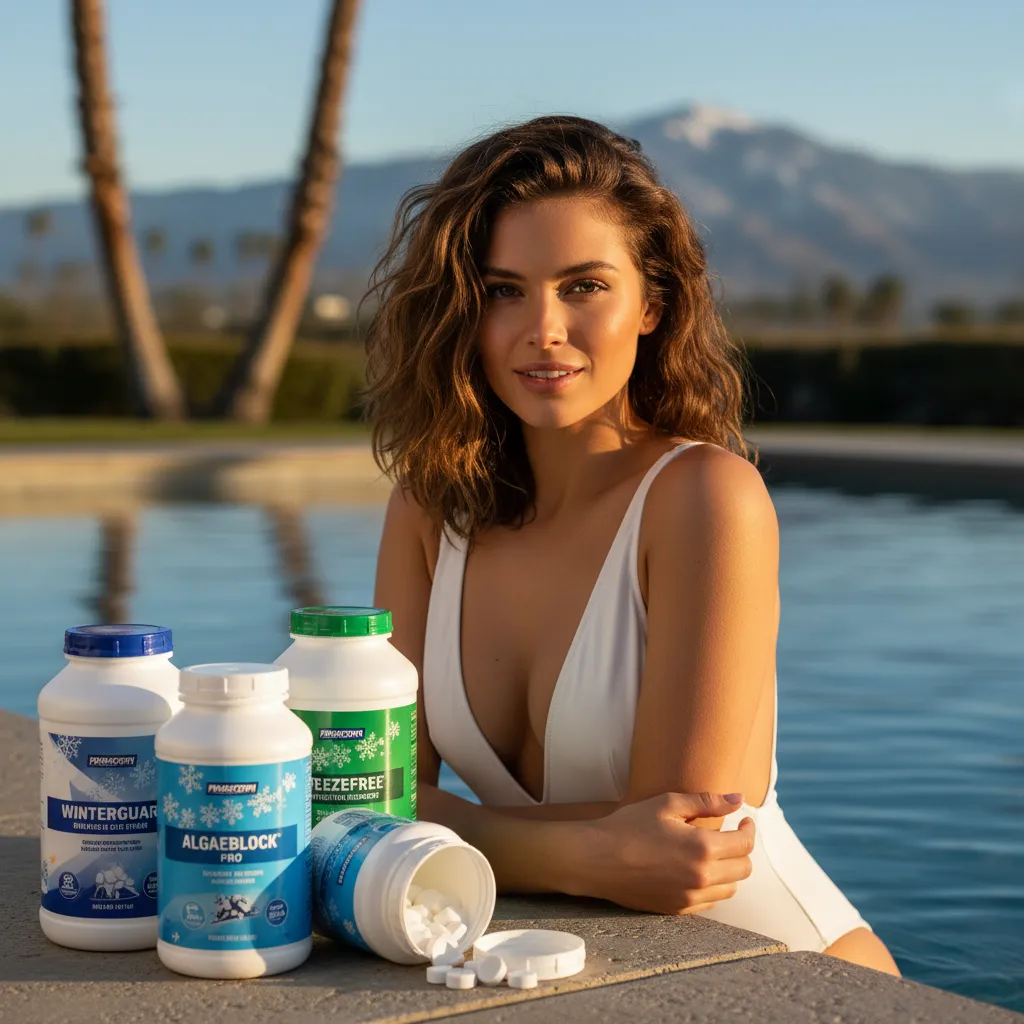
"The all-in-one solution for a guaranteed clear spring opening."
All-in-One Closing Chemical Kit
Winter demand is high - check stock

"The 'set & forget' option. This is the easiest winterizing I've ever done."
Simple 3-in-1 Winterizing Balls
Winter demand is high - check stock
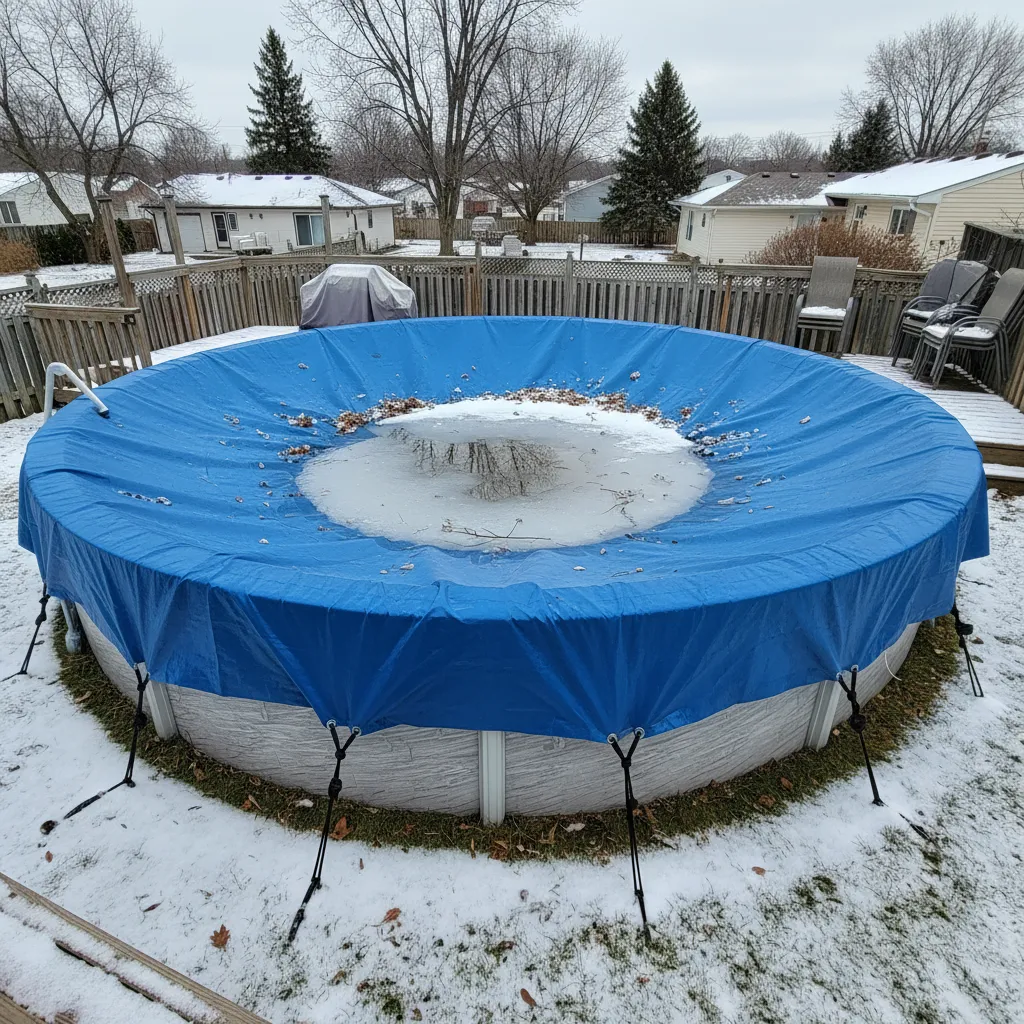
"Invest once to protect your liner and prevent a swamp in the spring."
Heavy-Duty Winter Pool Cover
Winter demand is high - check stock
Preventing Freeze Damage and Algae Growth
Water expands by 9% when frozen – enough to crack PVC pipes, split skimmer baskets, or damage concrete pool shells. Draining equipment to 6″ below the return jets and adding pool antifreeze to plumbing lines avoids ice blockages. For algae prevention, apply a non-foaming algaecide (30-50% polyquaternium formula) and stabilizer like cyanuric acid (30-50 ppm) before covering. These measures work synergistically: algaecide eliminates existing spores, while stabilized chlorine residual lasts 4-5 months under covers.
| Freeze Protection Steps | Algae Prevention Steps |
|---|---|
| Drain water below skimmer | Shock with 10 ppm chlorine |
| Blow out lines with 50 PSI air | Add winter algaecide |
| Plug returns with rubber expansion plugs | Balance pH to 7.2-7.6 |
Extending Equipment Lifespan
Pumps left with standing water can develop seal leaks ($400-$800 replacement cost). Saltwater generators require cell removal to prevent mineral buildup, while cartridge filters need chemical cleaning (trisodium phosphate soak) before storage. Lubricate pump O-rings with 100% silicone grease (petroleum-based products degrade rubber) and store equipment in dry areas above 50°F. For inground pools, disconnect heater bypass valves to prevent copper heat exchanger corrosion from acidic water.
Proper winterization reduces spring startup costs by up to 65% compared to pools left unprepared. With tools gathered and chemistry balanced, we’ll next walk through the hands-on steps to shut down a pool for winter.
Preparation for Pool Winterization
Proper preparation prevents costly repairs and ensures your pool survives winter’s harsh conditions. Gather materials early to avoid last-minute scrambles as temperatures drop. Taking care of your pool coping is just as important during this time. Regular maintenance and timely repairs can help extend its life and keep your pool safe for use.
Essential Tools and Supplies Checklist
Assemble these items before starting your pool closing process:
| Item | Purpose | Quantity |
|---|---|---|
| Pool brush & vacuum | Remove debris | 1 set |
| Winter pool cover | Block debris/UV rays | 1 (size-matched) |
| Plugs & caps | Seal returns/skimmers | 2-6 pieces |
| Pool antifreeze (propylene glycol) | Protect plumbing | 3-5 gallons |
| Air pillows | Prevent ice damage | 1-2 (48″ size) |
| Test strips/kit | Measure pH/alkalinity | 1 kit |
| Winter algaecide | Prevent algae | As per label |
Pro tip: Use non-chlorine shock if closing late – it won’t interfere with algaecide.
Optimal Timing for Closing Your Pool
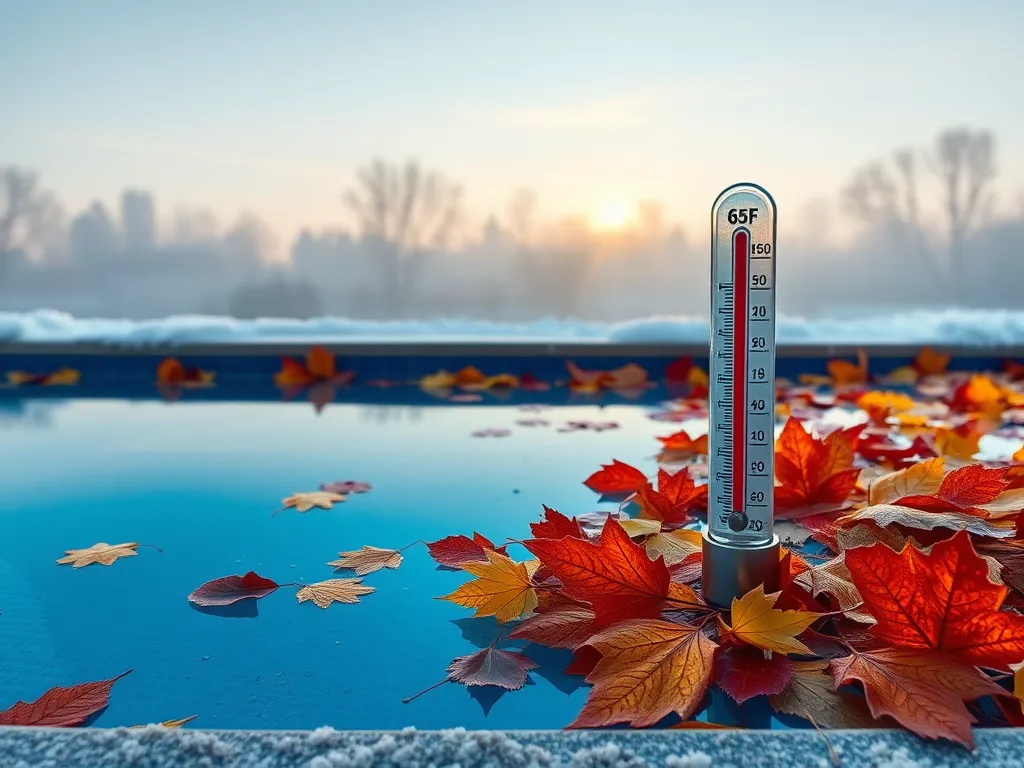
Close your pool when water temperatures consistently stay below 60°F – warm enough for algae dies off, cold enough to prevent freeze damage. In northern states, aim for late October; southern regions can wait until mid-November. The right temperature is key to controlling algae. Algae tend to thrive in warmer waters, so monitoring the temperature helps prevent growth.
Watch local frost forecasts: A single overnight freeze can crack skimmers or pumps. For saltwater pools, shut down generators once temps hit 65°F to avoid corrosion.
Chemical Treatment Process
Balanced chemistry prevents scaling, staining, and bacterial growth during winter dormancy. Test water 3-5 days before closing to allow adjustment time.
Balancing Water Chemistry: Ph, Alkalinity, and Calcium
Maintain these levels for winterization:
- pH: 7.2-7.6 – Use sodium bisulfate to lower, soda ash to raise
- Total alkalinity: 80-120 ppm – Buffers pH swings from rainwater
- Calcium hardness: 175-225 ppm (vinyl) or 200-275 ppm (concrete)
Low calcium causes corrosion; high levels create scale. Test with Taylor K-2006 kits for lab-grade accuracy.
Shocking the Pool: When and How Much?
Shock 24 hours before closing to eliminate organic contaminants. Use:
- Chlorine pools: 2-3x normal dose (30 ppm free chlorine)
- Non-chlorine shock: 50 ppm for sensitive surfaces
Run pump for 8 hours post-shock to circulate chemicals. Never shock and algaecide simultaneously – wait 24 hours between treatments.
Winter Algaecide and Chlorine Stabilizers
Add 60% concentrated polyquat algaecide after shocking – 7-9 oz per 10,000 gallons. For chlorine pools, boost cyanuric acid (CYA) to 30-50 ppm to slow chlorine degradation. High CYA (>100 ppm) requires partial drainage – use test strips to verify. It’s important to keep your pool clean and free of algae. Using algaecide in a 10,000-gallon pool helps maintain clarity and protects your investment.
With water chemistry stabilized, attention turns to managing moisture levels. Proper drainage protects against ice expansion and structural damage.
Also See: How to Close Inground Pool
Water Drainage Guidelines
Proper water level management protects pool structures and plumbing during freeze-thaw cycles. Incorrect drainage risks costly repairs from cracked skimmers, shifted liners, or compromised walls.
How Far to Drain Inground Vs. Above Ground Pools
Lower inground pools 4-6 inches below the tile line or skimmer mouth to prevent ice expansion damage. Above ground models need 12-18 inches drained below the top rail to reduce lateral pressure on walls. Fiberglass and vinyl-lined pools retain more water (2-4 inches below skimmers) to avoid shell warping or liner shrinkage.
Step-by-step Drainage Process for All Pool Types
Employ a submersible pump placed at the deepest point, directing water away from the pool’s foundation. For inground pools, engage the main drain to remove 80% of water before switching to the pump. Check local regulations—some areas prohibit draining chlorinated water into storm drains. After lowering levels, plug drains with winterizing caps and seal skimmers with foam rope. When dealing with an above ground pool, draining an above ground pool is usually easier as you can simply let the water out through a hose. Properly draining an above ground pool helps maintain its structure and prepares it for winter maintenance.
Dangers Of Over-draining or Under-draining
Excessive drainage in inground pools allows groundwater to push shells upward, causing cracks or floating. Under-draining leaves skimmers vulnerable to ice blockages, which can split PVC pipes. In above ground pools, high water levels increase ice pressure on walls, while over-draining may collapse liners during temperature swings.
Equipment Winterization
Winterizing mechanical systems prevents corrosion, mineral buildup, and electrical malfunctions. Start by powering off breakers and draining all components within 24 hours of chemical treatment.
Cleaning and Storing Filters, Pumps, and Heaters
Backwash sand filters until clear, then add a biocide to prevent bacterial growth. Remove cartridge filters, soak in trisodium phosphate solution, and store vertically. Drain pump housings completely—ice expands with 2,000 PSI force, enough to crack impellers. Gas heaters require blowing out internal lines with a 25-30 PSI air compressor to clear standing water.
Protecting Plumbing Lines From Freezing
Blow out lines using a cyclone system or shop vac, starting from the pump toward returns. Insert rubber drain plugs into open ports after adding non-toxic RV antifreeze (-50°F rated) to traps and pipes. For saltwater pools, disconnect cell generators and flush with diluted muriatic acid to remove scale deposits.
Winterizing Saltwater Systems and Chlorinators
Remove salt cells and clean with a 4:1 water-to-acid solution. Store cells indoors to avoid temperature-related membrane damage. Bypass chlorinators with a valve kit, and drain all residual chlorine from feeders to prevent corrosion. Keeping the salt cell clean is essential for maintaining its efficiency. Regular cleaning can help extend the life of the salt cell and ensure your pool water stays clear and safe.
Pool Cover Installation
A well-fitted cover blocks debris, deters pests, and reduces spring startup labor. Material choice depends on climate, pool type, and maintenance preferences.
Choosing the Right Cover: Mesh Vs. Solid
| Mesh Covers | Solid Covers |
|---|---|
| Allows 90% of precipitation through | Blocks 100% of sunlight/debris |
| No pump needed; withstands snow loads | Requires automatic pump for puddles |
| Lasts 8-12 years | Lasts 5-7 years |
Securing Covers for Inground and Above Ground Pools
Inground safety covers need 48-72 anchor points drilled into decking, spaced 18 inches apart. Above ground models use tension cables with winches and water-filled tubes weighing 25 lbs each. For temporary covers, secure edges with sandbags placed every 3 feet.
Preventing Water Accumulation on Covers
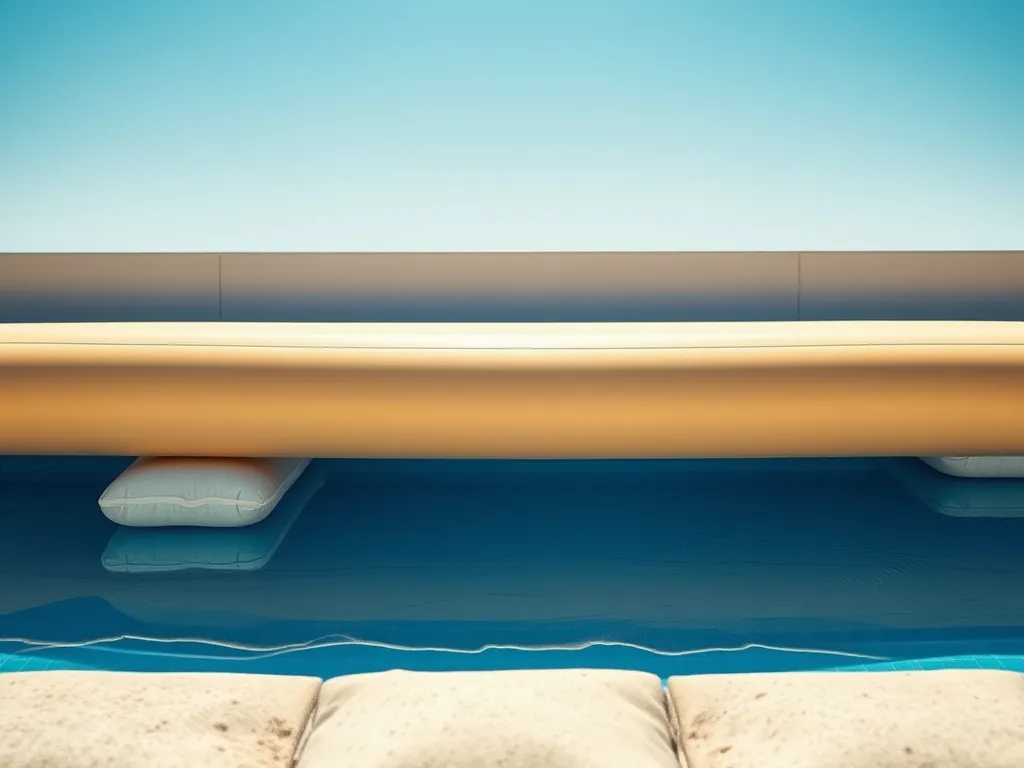
Install inflatable air pillows (4-6 ft diameter) under solid covers to create a sloped surface. Pair with submersible pumps rated for 1,500+ gallons per hour—positioned at the cover’s center—to handle snowmelt. Avoid walking on covers; 1 inch of ice adds 5 lbs per square foot.
With covers secured and equipment protected, attention shifts to unique needs based on pool design.
Special Considerations by Pool Type
Different pool designs demand tailored approaches during the winterization process. These variations ensure structural protection and prevent weather-related damage specific to each style. One important aspect to consider is the levels of free combined total chlorine in the pool water. Proper management of chlorine levels is crucial for maintaining water clarity and safety during the winter months.
Closing Inground Pools: Safety Covers and Water Level
For inground pools, use a safety cover rated for snow loads exceeding 70 lbs/sq ft to handle harsh weather. Secure anchors with a wrench to maintain tension, preventing sagging or debris entry. Adjust water levels to 4-6 inches below the tile line to account for groundwater pressure shifts. This prevents hydrostatic lift from frozen soil, which could crack pool walls.
Non-draining mesh covers require a secondary pump on the cover surface to manage rainwater. Solid vinyl covers need a water tube or weighted edge system to block wind penetration. Both styles must pass ASTM safety standards for child and pet protection.
Above Ground Pool Winterization: Air Pillows and Wall Protection
Above-ground pools require air pillows (like Aqua Pillow brand) placed under the cover to absorb ice expansion. Position a 4-8 ft diameter pillow at the pool’s center, securing it with tethers. Lower water to 12-18 inches below the skimmer to prevent wall collapse from frozen water expansion. Keeping your pool cool in the summer is just as important. You can try adding a solar cover or using a pool shade to help maintain the water temperature.
Wrap the pool’s top rails with foam pool cove ($12-$20 per 12 ft section) to shield metal components from corrosion. Use a winter cover with cable-tightened edges and 2-inch overhang to protect exposed liner areas. Apply UV-resistant sealant on vinyl seams to prevent dry-rot during low temperatures. Taking these steps helps to maintain the pool’s integrity. Proper pool corrosion protection ensures a longer lifespan for your pool equipment and structures.
Winter Maintenance Checklist
Post-closure upkeep prevents mid-season emergencies. Schedule biweekly checks to address these key areas.
Monitoring Water Levels and Cover Integrity
Use a leaf net or submersible pump to remove standing water from solid covers within 72 hours of rainfall. For mesh covers, ensure pool water remains 3-4 inches below the skimmer to avoid ice contact with tiles. Inspect cover seams monthly for tears exceeding 1/8 inch, repairing with vinyl patches or tear-activated adhesive. Proper maintenance is important for pool care. Remember to backwash the filter before vacuuming to keep the water clean.
Check anchor straps every 30 days for tension loss exceeding 15%—retighten with a ratchet if needed. Test water chemistry monthly using freeze-resistant test strips (Taylor K-2006C), maintaining pH 7.2-7.6 and alkalinity 80-120 ppm to prevent scaling or corrosion under the cover.
Handling Heavy Snowfall or Ice Accumulation
Remove snow loads over 12 inches using a soft-bristled roof rake with telescopic handle. Push snow outward from the cover’s center to avoid shifting the air pillow or stressing seams. For ice layers thicker than 1/2 inch, apply calcium chloride pellets ($8-$15 per 50 lb bag) in mesh bags placed on the cover—never use rock salt or metal tools.
Reinforce above-ground pool walls with vertical braces every 4-6 ft if snowfall exceeds 24 inches. Use a sump pump to lower groundwater around inground pools when frost depth surpasses 12 inches, preventing hydraulic pressure buildup. As winter approaches, it’s essential to think about how to protect your pool from the cold. Properly preparing your above ground pool for winter can help avoid damage and make reopening in spring much easier.
With these protocols in place, you’ll be ready to address common questions about seasonal pool care challenges.
FAQs About Pool Winterization
How Does Winterizing a Saltwater Pool Differ From a Traditional Chlorine Pool?
Saltwater pools require additional steps: remove and clean the salt cell to prevent mineral buildup, bypass the chlorinator, and flush the system with fresh water. Unlike chlorine pools, saltwater plumbing may need a vinegar rinse to dissolve calcium deposits before adding antifreeze.
Can I Reopen My Pool Temporarily During a Winter Warm Spell?
Reopening mid-winter is discouraged. Removing the cover exposes water to contaminants, and restarting equipment risks freeze damage if temperatures drop again. Instead, wait for consistent 60°F+ weather in spring to ensure safe, cost-effective reactivation.
What Are the Risks Of Skipping an Air Pillow in Above-ground Pools?
Without an air pillow, ice expansion exerts uneven pressure on pool walls, increasing the risk of liner tears or metal frame warping. Pillows also prevent cover sagging by creating a raised center, directing debris and snowmelt toward the edges. Properly preparing your pool for winter can greatly protect your investment. In addition, a comprehensive pool enclosures guide can help you decide on the best ways to maintain your pool year-round.
How Do I Manage Heavy Rainfall After Closing the Pool?
Use a submersible pump on top of solid covers to remove excess water within 48 hours. For mesh covers, ensure pool water remains 4-6 inches below skimmers by siphoning overflow with a garden hose. Avoid adjusting winter chemical levels unless flooding dilutes them by 30%+. Keeping the cover off when the weather is warm can help maintain water temperature. It’s also important to regularly check the pool for debris and contaminants to keep it clean and safe for swimming.
Closing Thoughts
Winterizing your pool properly ensures it stays protected from freezing temperatures, algae growth, and equipment damage. Following these steps—balancing chemicals, draining water correctly, securing the cover, and storing equipment—will make reopening your pool in spring much easier.
For precise chemical dosing, water level calculations, and expert pool care advice, check out My Pool Calculator. Our tools help simplify maintenance so you can enjoy a hassle-free pool season.
Stay proactive with winter checks, and your pool will be ready for summer fun when the warmer months return.