How to Winterize Your Above Ground Pool: Protect Your Investment All Season
Published on: December 1, 2025 | Last Updated: November 17, 2025
Written By: Lila Fairholme
Winterizing your above ground pool involves preparing it for freezing temperatures by cleaning surfaces, balancing water chemistry, lowering water levels, protecting equipment, and installing a durable cover. This process applies to standard, saltwater, and Intex pools, with specific adjustments for salt systems and model-specific equipment. Proper winterization prevents cracked walls, damaged pumps, and algae growth while simplifying spring reopening.
This guide breaks down each step, from scrubbing pool walls to selecting winter chemicals like algaecides and chlorine stabilizers. Learn how to drain pumps correctly, handle saltwater generators, and secure covers to withstand snow loads up to 30 lbs/sq ft. We’ll also cover regional timing tips, like starting when temperatures drop below 65°F consistently.
Discover specialized advice for Intex and Bestway pools, cost-saving strategies (average cost: $50-$300), and mistakes to avoid, like leaving water levels too high. Whether you’re closing a saltwater inground pool or protecting a sand filter, these steps ensure your pool survives winter undamaged and ready for summer.
Why Winterizing Your Above Ground Pool is Essential
Failing to protect your pool during colder months risks structural harm, equipment failure, and costly spring repairs. Proper winterization acts as a shield against temperature swings, debris buildup, and chemical imbalances that threaten both above ground and inground setups. Maintaining a balanced environment is also key for hot tubs and Regularly shocking your hot tub helps keep the water clean and safe for use, especially after heavy usage.
Crucial Winterizing Products
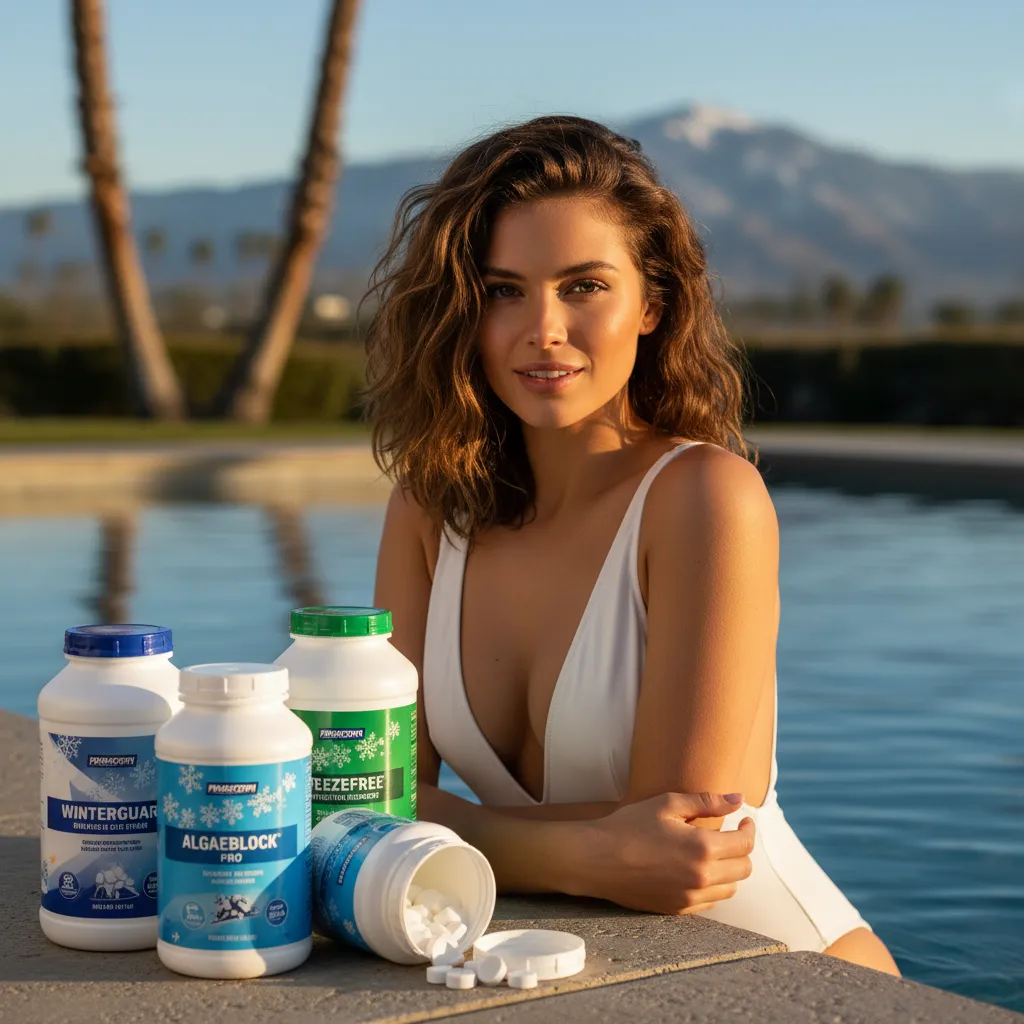
"The all-in-one solution for a guaranteed clear spring opening."
All-in-One Closing Chemical Kit
Winter demand is high - check stock

"The 'set & forget' option. This is the easiest winterizing I've ever done."
Simple 3-in-1 Winterizing Balls
Winter demand is high - check stock
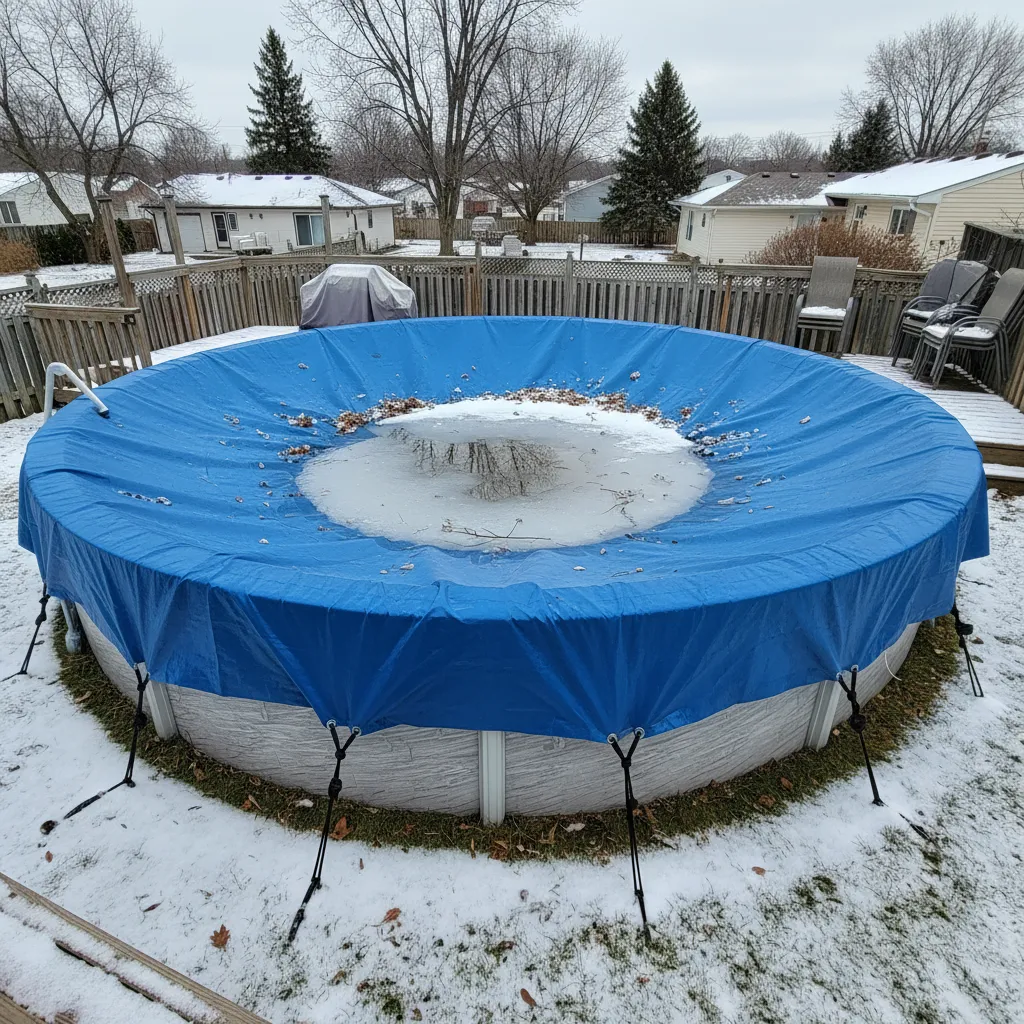
"Invest once to protect your liner and prevent a swamp in the spring."
Heavy-Duty Winter Pool Cover
Winter demand is high - check stock
Preventing Damage From Freezing Temperatures
Water expands by nearly 9% when frozen—a force strong enough to crack vinyl liners, split pump housings, or deform metal frames. Above ground pools face unique risks due to thinner walls versus inground models. Drain water 4-6 inches below the skimmer to prevent ice from pushing against critical components. For saltwater systems, run the pump to clear residual saltwater from pipes, as salt lowers water’s freezing point only marginally (to ~28°F).
Extending the Lifespan Of Pool Equipment
Pumps left with standing water can develop cracks in wet ends, while undrained filters may freeze and rupture. Winterizing protects $300-$800 pumps and $200-$500 filters by removing moisture. For sand filters, set the multiport valve to “winterize” and blow air through ports to eject trapped water. Saltwater chlorine generators require disconnecting cells and storing them indoors; salt’s corrosive nature accelerates wear on unprotected metals. Intex pools with removable pumps need lubricated gaskets and dry storage to prevent brittle plastic parts.
With equipment prepped, timing becomes critical. Let’s examine the ideal conditions to start your winterizing routine.
When to Winterize Your Above Ground Pool
Timing is key for proper pool winter care. Start too early, and warm spells may spark algae growth. Wait too long, and ice can crack walls or pipes. Find the sweet spot for your zone. Keeping an eye on the temperature is important as winter approaches. Proper preparation can help prevent freezing in the pool.
Ideal Temperature Range for Winterization
Aim to winterize when temps dip near 60°F. Water stays cool enough to slow algae but won’t freeze yet. Use a pool thermometer to track. In most states, this hits between late Sept and early Nov. As you prepare for winter, consider your pool’s filtration system. A sand filter for a 10,000-gallon pool can effectively keep the water clean throughout the season.
Regional Considerations
In the Northeast, close by mid-Oct before frost. Southern states can wait until Nov or Dec. Desert zones? Check nightly lows—act when they hit 40°F. Coastal areas factor in salt spray; rinse gear before storing.
Step-by-step Guide to Winterizing Your Above Ground Pool
Follow these steps to shield your pool from ice, grime, and wear. Skip one, and spring may bring leaks or green sludge.
Step 1: Clean the Pool Thoroughly
Scrub every inch. Left-behind dirt breeds stains or microbes under the cover.
Remove Debris and Scrub Walls
Skim leaves, vacuum silt, and brush walls with a nylon pool brush. For vinyl liners, avoid abrasive tools. Run the filter 8-12 hours to clear fine bits.
Step 2: Balance Water Chemistry
Test water 3 days before closing. Balanced levels stop scale or corrosion over winter.
Adjust pH, Alkalinity, and Calcium Hardness
Keep pH 7.2-7.6, alkalinity 80-120 ppm, calcium hardness 175-225 ppm. Use muriatic acid to lower pH or baking soda to boost alkalinity. Add calcium chloride if needed.
Step 3: Lower the Water Level
Drain just enough to stop ice damage. Too low, and wind can shift the liner.
How Much Water to Leave in the Pool
Drop water 3-4 inches below the skimmer. For mesh covers, drain 12-18 inches. Use a sub pump or backwash hose—never empty the pool fully.
Step 4: Winterize Pool Equipment
Protect pumps, heaters, and hoses from freezing. Each part needs specific care.
Draining and Storing Pumps, Heaters, and Filters
Shut off power. Drain pumps by removing drain plugs. Blow out lines with a shop vac. Store small parts indoors. For heaters, flush with clean water and cap openings.
Winterizing a Sand Filter
Set valve to “winterize,” then remove the drain plug. Let sand dry fully. Wrap the tank in a tarp if left outside.
Step 5: Add Winterizing Chemicals
Shock and add algaecide to keep water clear. Use chemicals made for winter—they work longer in cold temps.
Recommended Pool Winterizing Chemicals
Use 2 lbs of shock per 10k gallons. Pour in 16 oz of antifreeze (non-toxic RV type) for pipes. Add a winter algaecide like polyquat 60. Floater chlorine tabs work for vinyl pools.
Step 6: Install a Winter Pool Cover
A tight cover blocks debris and critters. Choose solid vinyl for snow loads or mesh for rain runoff.
Securing the Cover for Extreme Weather
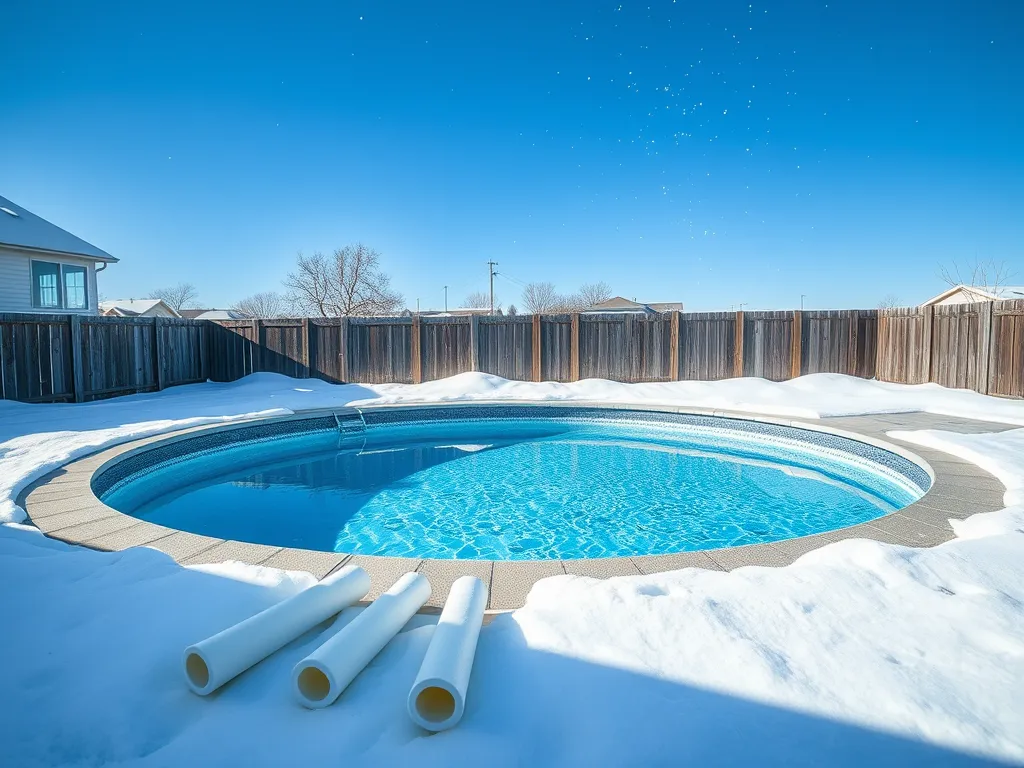
Use a cable winch and water tubes around the edge. For high winds, add sand bags every 2-3 feet. Check straps monthly for slack.
With the pool sealed, focus shifts to gear made for salt systems or inflatable frames. Let’s break down steps for these unique setups.
Also See: Can You Empty My Pool in Winter? Intex Pool Tips
Winterizing Special Pool Types and Equipment
Pools with unique systems or materials need tailored winterization strategies. Saltwater systems and inflatable models like Intex demand extra attention to avoid corrosion or structural damage during freezing months. It’s also important to consider water quality during this process. Monitoring free combined total chlorine levels ensures a safe environment when you reopen your pool in the spring.
How to Winterize Saltwater Pools
Saltwater pools use a salt chlorine generator (a device that converts salt into sanitizing chlorine). Begin by cleaning the generator’s cell with a 4:1 water-to-muriatic acid solution to remove scale. Power down the system and store removable parts indoors. After adding any chemicals or cleaning agents, it’s important to wait before swimming. This ensures that the pool water is safe and properly balanced for a healthy swim.
Above Ground vs. Inground Saltwater Pool Differences
Above ground saltwater pools require draining water 4–6 inches below the skimmer to prevent ice expansion damage. Inground models can retain more water but need antifreeze added to plumbing lines. Both types benefit from testing salt levels (aim for 2,700–3,400 ppm) to avoid liner corrosion. Above ground pools offer a convenient and cost-effective option for homeowners. They can also provide a refreshing swimming experience while being easier to install and maintain.
Winterizing Intex and Bestway Above Ground Pools
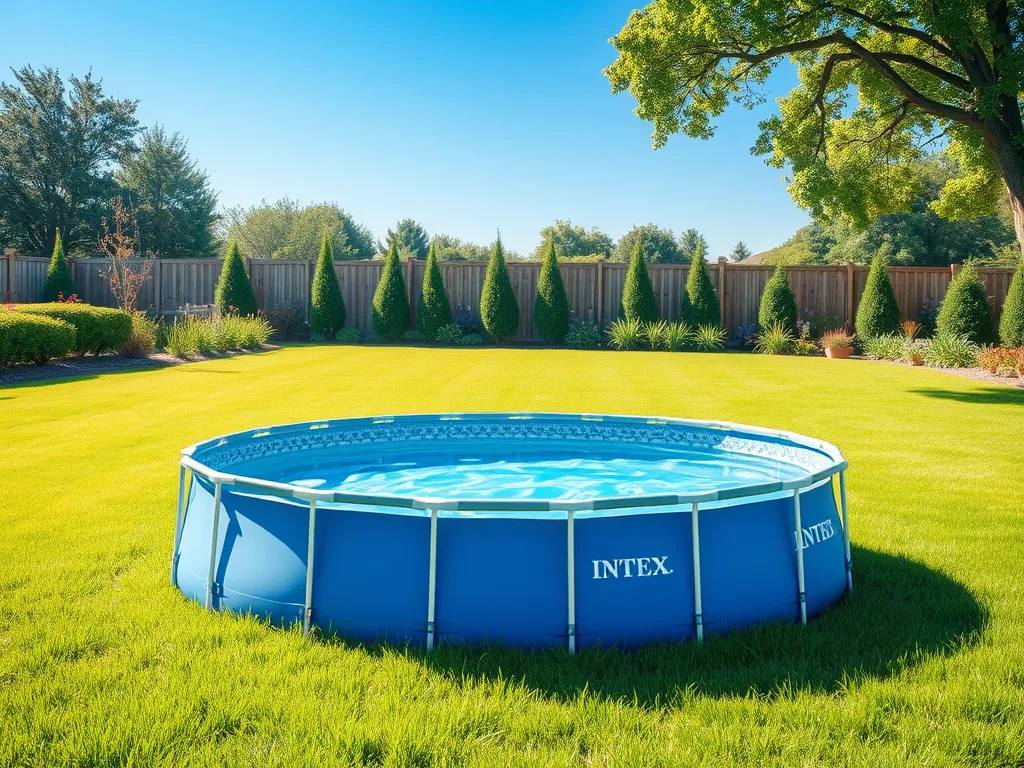
Inflatable or steel-frame pools from brands like Intex and Bestway need lightweight covers and partial drainage. Avoid full draining—it can collapse the frame. Leave 12–18 inches of water to maintain shape under snow loads.
Model-Specific Tips
- Intex Ultra XTR: Disconnect the pump 24 hours before closing to dry connections.
- Bestway Steel Pro: Use foam pool noodles under the cover edges to prevent tearing.
- Inflatable Models: Deflate and store in a rodent-proof container.
Cost Of Winterizing an Above Ground Pool
Costs vary based on pool size, location, and whether tasks are DIY or professional. A 24-foot round pool typically costs 20% less to winterize than a 30-foot model.
Factors Affecting Cost
- Cover Type: Solid covers ($80–$200) vs. mesh ($60–$150)
- Chemical Kits: Standard ($40–$80) vs. saltwater-specific ($60–$120)
- Professional Labor: $150–$300 for full-service closing
Average Cost Estimates
- DIY: $100–$250 (covers, chemicals, tools)
- Professional: $300–$500 (includes equipment blowout and sealing)
Common Winterization Mistakes to Avoid
Overlooking small details can lead to costly spring repairs. Focus on chemistry, water levels, and equipment care.
Skipping Water Chemistry Balancing
Unbalanced pH (below 7.2 or above 7.6) accelerates liner degradation. Add a phosphate remover to prevent algae growth in water temperatures below 60°F.
Incorrect Water Drainage Levels
Draining too much causes vinyl liners to shrink and crack. Leave water 4–6 inches below the skimmer for above ground pools. Inground pools should keep water at mid-skimmer level. It’s important to know how much to drain your pool to avoid damage. Maintaining the right water level below the skimmer helps protect the pool’s structure and equipment.
Neglecting Equipment Protection
Pool pumps left connected can trap water, cracking housings. Blow out lines with a ½ HP air compressor (50 psi max) and plug returns with rubber expansion plugs.
How to De-winterize Your Pool
Reopening your pool involves reversing winterization steps while checking for damage from ice or pests.
Steps for Reopening a Winterized Pool
- Remove debris from the cover with a leaf net.
- Refill water to mid-skimmer level.
- Reinstall pump, filter, and salt cell (if applicable).
Inspecting Equipment and Water Quality
Test water for chlorine (0 ppm), pH (7.4–7.6), and salinity (3,000 ppm for saltwater). Lubricate o-rings on filter housings with silicone grease to prevent leaks.
With your pool prepped for warmer weather, let’s tackle the most common questions pool owners ask during reopening.
How to De-winterize Your Pool
Once winter ends, bring your pool back to life with a smooth de-winterizing process. Start by clearing debris from the cover and checking for wear. This step sets the stage for safe swims once temps rise. As you prepare your pool, think about cleaning it thoroughly to remove any dirt that has built up. A clean pool is essential for enjoying refreshing swims in the warmer months.
Steps for Reopening a Winterized Pool
First, pump off any water or leaves on the cover. Gently remove it, clean with mild soap, and let it dry before storage. Refill the pool to mid-skimmer level if needed. Reattach pumps, hoses, and filters stored during winter. Keeping your pool skimmer clean is essential for a well-maintained pool. A clean skimmer helps to ensure proper water circulation and keeps debris from piling up.
Inspecting Gear and Water Quality
Check pumps, filters, and heaters for cracks or leaks. Test seals and o-rings—replace if stiff or torn. For salt pools, clean the salt cell with a 4:1 water-muriatic acid mix to clear scale. Test water with a kit: Regular maintenance helps keep your salt pool in good shape. Keeping the salt cell clean is crucial for efficient operation and water quality.
| Test | Goal Range |
|---|---|
| pH | 7.2–7.6 |
| Alkalinity | 80–120 ppm |
| Chlorine | 1–3 ppm |
| Salt (salt pools) | 2700–3400 ppm |
Add chlorine shock (1 lb per 10k gallons) if water is cloudy. Run the filter for 24 hours to mix chems. For Intex pools, check vinyl seams and frame joints for rust or splits. To keep your pool safe and enjoyable, it’s important to maintain proper water chemistry. Balancing pool chemicals helps prevent algae growth and keeps the water clear.
Once gear and water pass checks, your pool is set for summer. Next, let’s tackle common questions about upkeep.
Frequently Asked Questions
How Do I Properly Store Pool Equipment During Winter to Prevent Damage?
Store pumps, filters, and heaters in a dry, temperature-controlled space after draining all water. Lubricate o-rings with silicone grease, and wrap electrical components in waterproof bags to avoid moisture damage. Never leave equipment outdoors unless specified as weather-resistant by the manufacturer.
What Are the Risks Of Not Winterizing a Saltwater Pool’s Filtration System?
Undrained saltwater can corrode metal components and scale the salt cell, reducing its lifespan. Residual salt may also lower the freezing point only slightly, leaving pipes vulnerable to ice expansion. Always flush the system with fresh water and remove the cell for indoor storage.
Can I Use a Regular Pool Cover for an Intex Pool, or Do I Need a Specific Type?
Intex pools require lightweight, tapered covers designed for their frame shape. Standard covers may sag or strain the structure. Look for models with reinforced grommets and adjustable cables to fit temporary frames snugly without excessive tension.
How Do I Safely De-winterize a Saltwater Pool’s Plumbing System?
Reattach the salt cell and flush plumbing lines with fresh water to remove antifreeze. Test salinity levels before restarting the generator—adjust to 2,700–3,400 ppm. Prime the pump slowly to avoid airlocks, and inspect for leaks at connections. This careful preparation ensures efficient operation. A saltwater generator works by converting salt into chlorine, which helps keep the pool clean and clear.
Should I Remove All Water From My Pool’s Pump and Filter Before Storage?
Yes. Use a shop vac to blow out remaining water from pump housings and filter tanks. For sand filters, remove the drain plug and tilt the tank to eliminate trapped moisture. Even small amounts of water can freeze and crack internal components.
What Precautions Are Necessary When Winterizing an Inground Saltwater Pool’s Heater?
Bypass the heater using PVC valves to isolate it from the system. Drain all water and use compressed air to clear internal chambers. Cap inlet/outlet lines and cover the unit with a weatherproof tarp to shield it from debris and ice.
How Can I Prevent My Pool Cover From Sagging Under Rainwater or Snow?
Use an air pillow under the cover to create a sloped surface, directing water toward the edges. For solid covers, install a cover pump to remove standing water. Tighten the winch cable periodically, and reinforce anchor points with sandbags in windy areas.
Closing Thoughts
Winterizing your above ground pool properly ensures it survives freezing temperatures and opens smoothly next season. From balancing water chemistry to protecting equipment, each step prevents costly damage. Saltwater pools and Intex models need special attention, but the core principles remain the same.
For precise chemical calculations or equipment guides, use My Pool Calculator. Our tools simplify pool maintenance year-round, whether you’re winterizing or reopening. A well-protected pool means less work—and more swimming—when warmer days return.
Additional Resources for You:
- Lowry, R. (2018). Pool Chemistry for Service Pros: The Ultimate Guide to Water Balance. Laguna Hills, CA: Pool Chemistry Training Institute.
- 10 Steps to Winterize Your Above Ground Pool
- Guide to Winterizing and Closing Your Above Ground Pool – Swimming Pool Help
- How To Winterize a Pool – This Old House
- How to Winterize An Above Ground Pool in 11 Steps