
Cyanuric Acid Calculator: Balance Your Pool Water Easily
Published on: May 11, 2026 | Last Updated: April 13, 2025
Written By: Rachael Weatherbottom
Cyanuric acid protects pool chlorine from sunlight. Too little and chlorine burns off fast. Too much and chlorine stops working. This calculator helps you find the right amount. Just enter your pool details below. Get instant results for how much to add or drain.
Pool Chemical Calculator
How to Use
- Test your current cyanuric acid levels
- Enter your pool’s total water volume
- Choose your ideal level (30-50 ppm recommended)
Always wear gloves when handling chemicals. Add acid gradually – you can’t remove it once dissolved!
Crucial Winterizing Products
"The all-in-one solution for a guaranteed clear spring opening."
All-in-One Closing Chemical Kit
Winter demand is high - check stock

"The 'set & forget' option. This is the easiest winterizing I've ever done."
Simple 3-in-1 Winterizing Balls
Winter demand is high - check stock
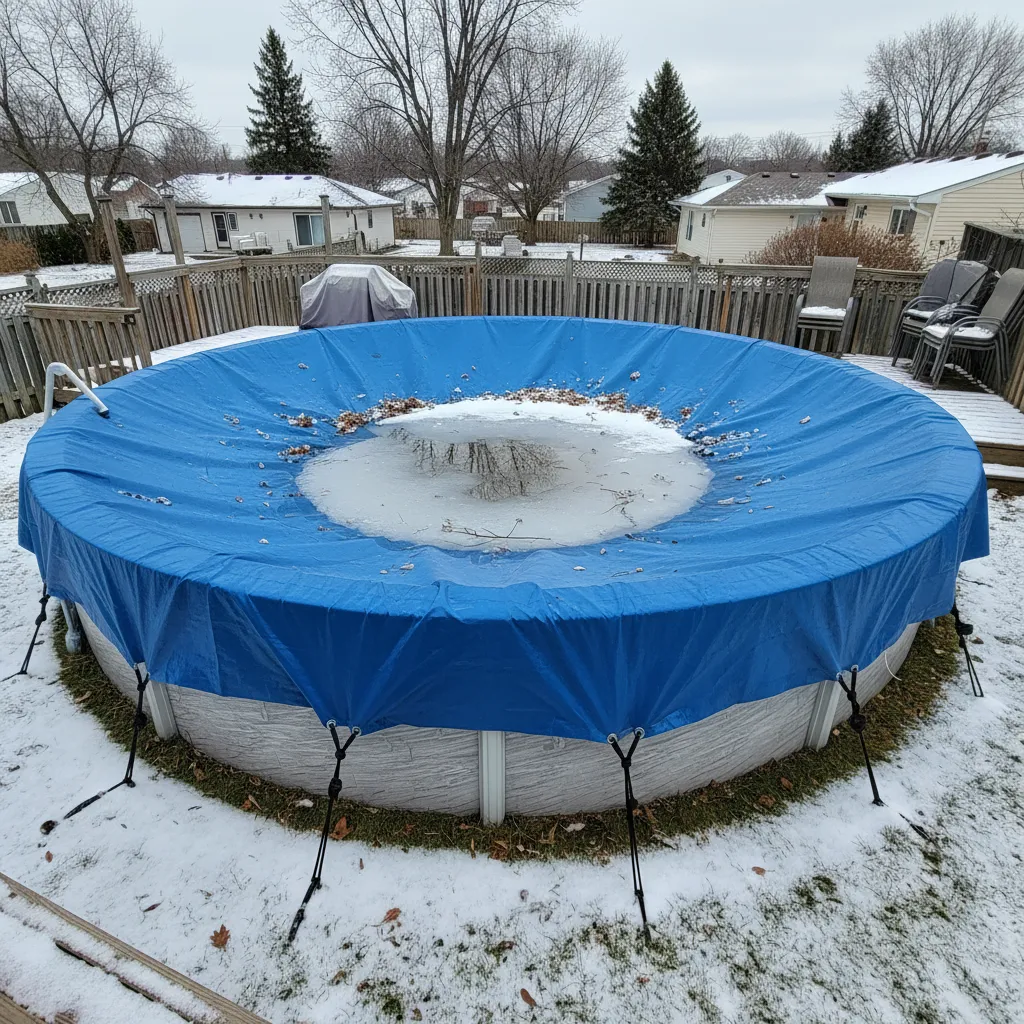
"Invest once to protect your liner and prevent a swamp in the spring."
Heavy-Duty Winter Pool Cover
Winter demand is high - check stock
Cyanuric Acid Management: Key Factors Influencing Pool Chemistry
Sources Of Cyanuric Acid
Cyanuric acid enters pool water through stabilized chlorine products or standalone stabilizers. Sodium dichlor (56% CYA) and trichlor (52% CYA) tablets are common sources. Liquid chlorine and saltwater systems typically require manual CYA addition. Evaporation cycles concentrate CYA over time, requiring regular monitoring. Keeping cyanuric acid levels lower is important for maintaining water quality. A lower cyanuric acid pool can enhance chlorine effectiveness and improve overall swimming conditions.
Pool Usage Patterns
Heavy bather loads increase chlorine demand, altering CYA-to-chlorine ratios. Outdoor pools in full sun locations (UV index 8+) may need higher CYA levels (up to 80 ppm) compared to shaded pools. Commercial pools require more frequent CYA testing (weekly) versus residential pools (bi-weekly). Maintaining the right balance of cyanuric acid is crucial for effective chlorine protection. High CYA pools can lead to challenges with chlorine efficiency. So regular monitoring is essential.
Environmental Factors
Rainfall dilutes CYA concentrations - 1" of rain lowers CYA by 10-15 ppm in a 20,000-gallon pool. Windborne debris introduces organic matter that accelerates chlorine consumption. Pools near coastal areas may experience accelerated CYA degradation from salt spray.
Water Replacement Practices
Partial draining remains the most effective CYA reduction method. To lower CYA by 50%:
- Drain 50% of pool volume
- Refill with fresh water
- Retest after 24 hours circulation
Maintaining Optimal Cyanuric Acid Ratios
Ideal CYA Levels
| Pool Type | Minimum CYA | Maximum CYA |
|---|---|---|
| Indoor | 0 ppm | 20 ppm |
| Outdoor Freshwater | 30 ppm | 50 ppm |
| Saltwater | 60 ppm | 80 ppm |
Chlorine-cya Relationship
The CDC recommends free chlorine levels at 7.5% of CYA concentration. For 50 ppm CYA, maintain 3.75 ppm chlorine. At 100 ppm CYA, required chlorine jumps to 7.5 ppm - a primary reason for avoiding over-stabilization. Proper use of chlorine tablets can help maintain these levels effectively. It's important to calculate the right number of chlorine tablets needed for your pool size.
Adjustment Techniques
To raise CYA:
- Add 1.3 lbs stabilizer per 10,000 gallons for 10 ppm increase
- Use floating dispensers for gradual adjustment
To lower CYA:
- Drain 25-50% water depending on test results
- Use commercial CYA reducers ($45-$60 per treatment)
Also See: Above Ground Pool Deck Cost: Budget-friendly Options

Cost Considerations for CYA Management
Stabilizer Products
Granular cyanuric acid costs $4-$6 per pound. Liquid stabilizers (rare) run $15-$20 per quart. Commercial-grade products (25 lb buckets) average $85-$110. Expect 6-8 month supply for average residential pools. Keeping track of these costs is important for effective pool maintenance. Budgeting for pool chemicals can help ensure clear and safe water throughout the swimming season.
Water Replacement Expenses
Partial draining costs:
- 10,000-gallon pool: $25-$40 in water fees
- 20,000-gallon pool: $50-$75
- Includes sewer charges in municipalities
Professional Services
Pool companies charge $75-$150 for CYA testing and adjustment. Complete water replacement (20,000 gallons) costs $400-$600 including disposal fees. Emergency CYA reduction services may incur $50-$75 premium. The costs for pool maintenance often extend beyond just water testing. It's important to consider how pool filter costs fit into the overall budget for keeping your pool clean and safe.
CYA Management by Pool Volume
Small Pools (Under 10,000 Gallons)
Use pre-measured 4 oz stabilizer packets ($2.50 each). Test weekly during summer. Maximum CYA addition per month: 20 ppm.
Medium Pools (15,000-30,000 Gallons)
Bulk stabilizer purchases (10 lb containers) reduce costs by 30%. Install automatic chlorinators with CYA monitoring. Quarterly professional testing recommended.
Large Pools (35,000+ Gallons)
Commercial-grade test kits ($150-$300) provide precise measurements. Install flow-through CYA monitors ($1,200-$1,800) for real-time data. Budget $200-$400 annually for CYA management. Keeping track of your CYA levels is essential for pool maintenance. Regular testing of CYA ensures that your sanitizer works effectively and keeps the water safe.
Seasonal CYA Adjustments
Summer Preparation
Increase CYA by 10-15 ppm before peak UV months. Saltwater pools may need 70 ppm CYA in desert climates. Check My Pool Calculator for regional recommendations.
Winter Maintenance
Lower CYA to 30-40 ppm before closing. Cold water (below 60°F) slows cyanuric acid degradation. Use non-stabilized shock for winter algae prevention.
Special Pool Type Considerations
Saltwater Systems
Higher CYA levels (70-80 ppm) protect chlorine generators. Test salt (3000-4000 ppm) and CYA simultaneously. Replace 25% water when CYA exceeds 90 ppm.
Indoor Pools
Maintain 0-20 ppm CYA. Use UV sterilization systems instead of chemical stabilization. Monitor combined chlorine levels weekly.
Hot Tubs/spas
Limit CYA to 15-30 ppm due to high temperatures. Use dichlor initially, then switch to non-stabilized chlorine. Complete water replacement every 3-4 months.

FAQs: Cyanuric Acid Management
Why Does High CYA Require More Chlorine?
CYA binds to chlorine molecules, reducing active sanitizer concentration. At 100 ppm CYA, 96% of chlorine becomes inactive per the Hass-Chan equation.
How Often Should I Test CYA Levels?
Monthly for outdoor pools, quarterly for indoor. After heavy rainfall or major water additions. When using stabilized shock treatments.
Can I Swim With High Cyanuric Acid?
Yes, but sanitization effectiveness drops. At 150 ppm CYA, CDC recommends draining 60% water before use.
Best Practices for CYA Control
- Use Taylor K-2006 test kits ($75) for accurate readings
- Record CYA levels after each adjustment
- Install pool covers to reduce stabilizer loss
- Alternate stabilized and non-stabilized chlorine sources
When to Consult Professionals
Seek expert help if:
- CYA exceeds 150 ppm
- Recurrent algae outbreaks despite proper chlorine
- Salt cell scaling occurs with high stabilizer
Find certified pool technicians through My Pool Calculator's pro network database.
Advanced CYA Testing Methods
Digital testers like the LaMotte ColorQ Pro 7 ($250) provide precise 0-300 ppm readings. Send water samples to certified labs ($25-$50 per test) for legal/commercial compliance. Use reagent-based tests monthly for trend tracking.
| Method | Cost | Accuracy |
|---|---|---|
| Test Strips | $0.50/test | ±15 ppm |
| Liquid Reagent | $1.00/test | ±10 ppm |
| Digital | $3.00/test | ±5 ppm |
Maintain detailed logs of all CYA measurements and adjustments. This historical data helps identify patterns and optimize chemical usage. For personalized tracking tools, visit My Pool Calculator.
Additional Resources for You:
- Pentair Residential Pool Resources (Maintenance Guides)
- Pool Calculators: Easy Chemical & Volume Additions
- Pool Stabilizer Calculator: How Much CYA to Add
- Adjust Cyanuric Acid (CYA) / Stabilizer Level - Free Pool Calculator
- Pool Calculator | Water Balancing | Pool Operation Management
A pool care geek who’s been testing water chemistry since she was tall enough to reach the skimmer.
Pool Calculators, Pool Volume