
Algaecide Dosage Calculator: Keep Your Pool Clean and Safe
Published on: April 30, 2025 | Last Updated: April 13, 2025
Written By: Rachael Weatherbottom
Maintaining proper algaecide levels prevents green pools and keeps water sanitary. This calculator helps determine how much algaecide you need based on your pool size and current conditions. Always follow manufacturer instructions for your specific product.
Calculate Your Required Algaecide
- Measure your pool’s total water volume
- Test current algaecide levels with test strips
- Determine your target level (typically 30-50 ppm)
- Check product label for concentration
- Calculate dosage
Determining Algaecide Dosage: Key Factors and Best Practices
Factors Influencing Algaecide Requirements
Accurate algaecide dosing depends on multiple variables. Pool volume remains the primary driver, but secondary elements significantly alter treatment plans. A 20,000-gallon pool with visible green algae requires 3-4x more product than a clean pool needing preventive care. For a 10,000-gallon pool, the dosing adjustments are equally important. Proper application of algaecide can help maintain a clean and safe swimming environment.
Crucial Winterizing Products
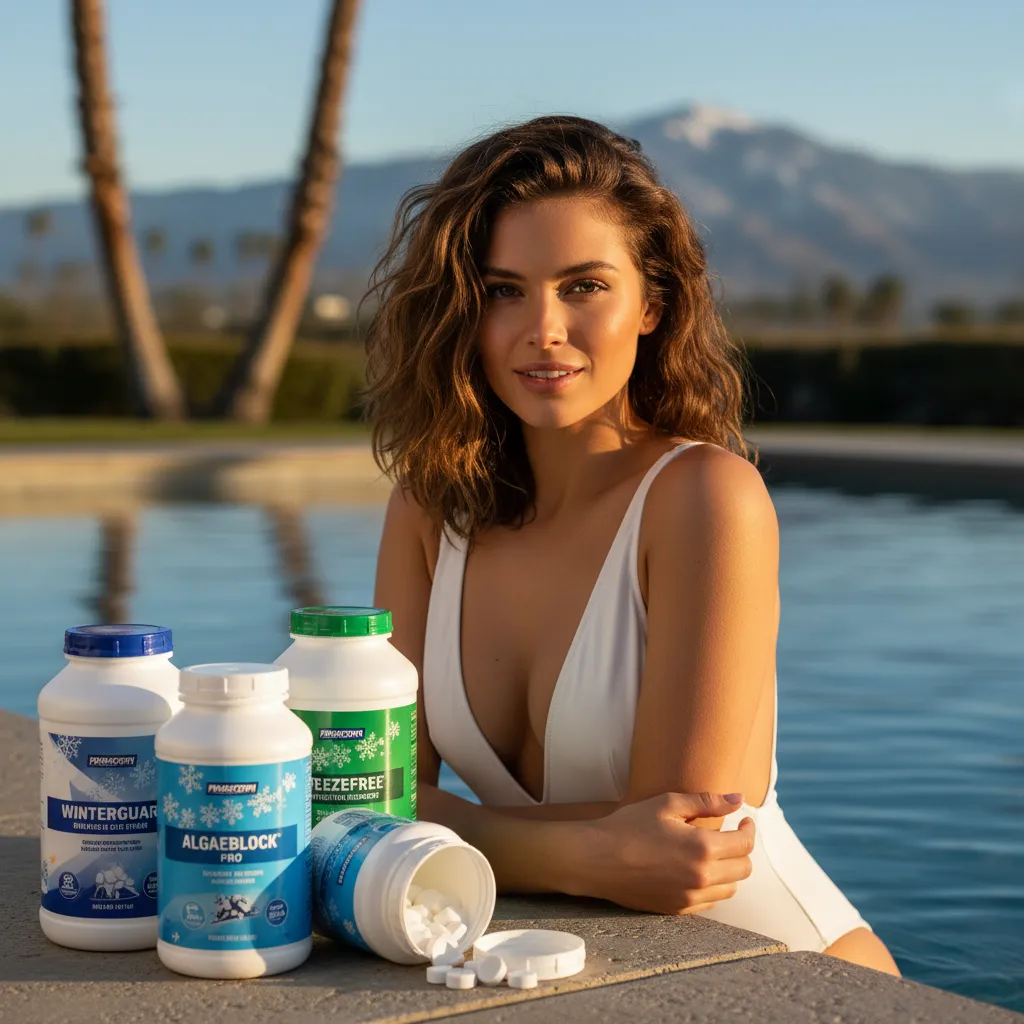
"The all-in-one solution for a guaranteed clear spring opening."
All-in-One Closing Chemical Kit
Winter demand is high - check stock

"The 'set & forget' option. This is the easiest winterizing I've ever done."
Simple 3-in-1 Winterizing Balls
Winter demand is high - check stock
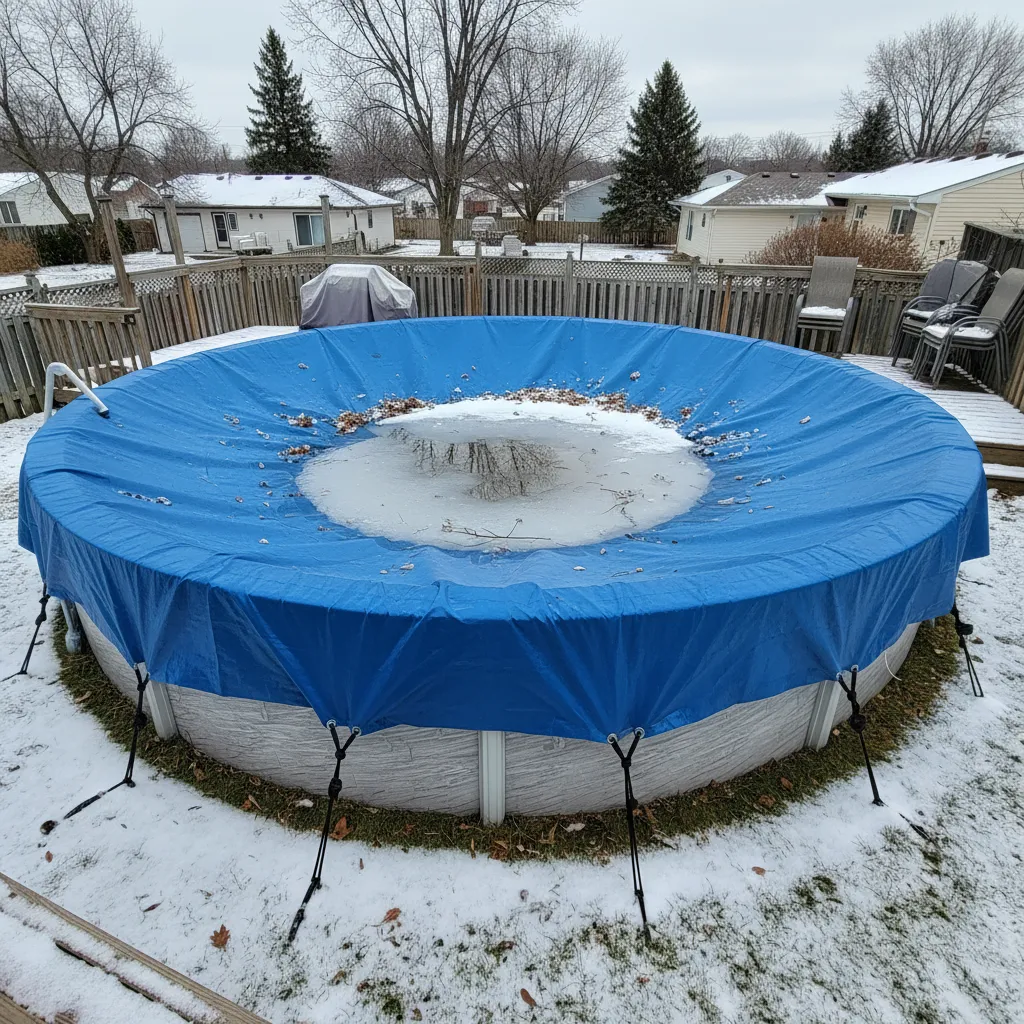
"Invest once to protect your liner and prevent a swamp in the spring."
Heavy-Duty Winter Pool Cover
Winter demand is high - check stock
Algae Type and Severity
Different algae species demand specific approaches:
- Green algae: 12-24 oz per 10k gallons for initial treatment
- Yellow/mustard algae: 24-36 oz per 10k gallons (often requires brushing)
- Black algae: 36-48 oz per 10k gallons + direct spot treatment
Water Chemistry Parameters
pH levels above 7.8 reduce algaecide effectiveness by 40-60%. Total alkalinity below 80 ppm accelerates chemical dissipation. Always balance water before application.
| Parameter | Ideal Range | Impact on Algaecide |
|---|---|---|
| pH | 7.2-7.6 | Higher pH decreases efficacy |
| Free Chlorine | 1-3 ppm | High chlorine degrades quat-based formulas |
| Cyanuric Acid | 30-50 ppm | Excess stabilizer hinders copper algaecides |
Algaecide Types and Concentration Rates
Product formulations dictate dosage ranges. Common variants include:
Quaternary Ammonium Compounds (Quats)
60% benzalkonium chloride solutions require 6-12 oz per 10k gallons weekly. Avoid combining with non-ionic surfactants.
Polyquat Polymers
30-50% poly-dimethyl diallyl ammonium chloride blends work at 4-8 oz per 10k gallons. Compatible with all sanitizer types.
Copper-Based Formulas
Chelated copper (7-9% concentration) doses at 12-16 oz per 10k gallons. Maintain copper ions below 0.3 ppm to prevent staining.
Sodium Bromide Shock Systems
Used for mustard algae: 32 oz per 10k gallons with simultaneous 30 ppm chlorine shock. Requires bromide test strips.
Application Protocols for Different Scenarios
Preventive Maintenance
- Weekly doses: 50-75% of treatment strength
- Apply during evening circulation cycles
- Run pump for 6-8 hours post-application
Active Algae Eradication
- Brush entire pool surface
- Adjust pH to 7.2-7.4
- Apply initial algaecide dose at 2x preventive strength
- Follow with chlorine shock (30 ppm for vinyl, 40 ppm for plaster)
- Repeat dose every 48 hours until clear
Dosage Calculation Methods
Manual computation requires three metrics:
re>Total Gallons = Length x Width x Average Depth x 7.5Required Dose (oz) = (Pool Gallons / 10,000) x Product-Specific Rate
Example: 16×32 ft pool with 4.5 ft average depth
- 16 x 32 x 4.5 x 7.5 = 17,280 gallons
- Using polyquat at 6 oz/10k gallons: (17,280 / 10,000) x 6 = 10.4 oz
Common Algaecide Errors
Overdosing Consequences
Exceeding copper-based product limits causes:
- Blue-green staining on plaster (repair costs: $500-$2000)
- Cloudy water from flocculent overdose
- Filter damage from precipitated metals
Chemical Incompatibilities
Never mix algaecides with:
- Chlorine tablets (direct contact causes combustion)
- Enzyme-based cleaners (neutralizes active ingredients)
- Phosphate removers (creates viscous precipitates)
Seasonal Dosage Adjustments
Summer Peak Conditions
Water temperatures above 85°F increase algae growth rates. Boost preventive doses by 20% and test every 3 days.
Winterizing Protocols
Use 150% standard dose before closing. Polyquats remain effective for 4-5 months below 60°F. Avoid copper products in winter – staining risks increase in stagnant water.
Cost Analysis: Algaecide Price Vs Performance
Budget ($10-$20/gallon) quats require more frequent dosing. Premium ($30-$50/gallon) copper and polyquat formulas offer longer residual protection.
| Type | Cost Per Treatment* | Protection Duration |
|---|---|---|
| Quats | $4-$7 | 5-7 days |
| Polyquats | $8-$12 | 10-14 days |
| Chelated Copper | $10-$15 | 21-30 days |
*Based on 20k gallon pool
Safety and Handling Guidelines
- Wear nitrile gloves during application
- Rinse spills with 10:1 water/white vinegar solution
- Store between 50-80°F – freezing degrades polyquats
- Keep MSDS sheets accessible – quats require eye wash stations
Algaecide Dosage FAQs
Why Does Algaecide Dosage Vary Between Brands?
Active ingredient concentrations differ. A 50% polyquat product needs half the dose of a 20% formulation. Always check product labels.
Can I Use Algaecide With Saltwater Systems?
Yes, but avoid sodium bromide products. They react with salt cells, producing bromine that can’t be converted back to chloride.
How Often Should I Apply Algaecide?
Preventive schedules vary:
- Quats: Weekly
- Polyquats: Bi-weekly
- Copper: Monthly
What Indicates Algaecide Overdose?
Foamy water (quat overdose), blue stains (copper), or hazy water (polyquat flocculation). Partial drainage may be needed.
Are There Non-chemical Algae Alternatives?
UV systems (55-80 mJ/cm² dose) and ozone generators (0.3-0.5 ppm residual) reduce but don’t eliminate algaecide needs.
Special Cases: Vinyl and Fiberglass Pools
Reduce copper doses by 25% to prevent liner oxidation. For fiberglass, avoid ammonium-based products – they can yellow gel coats.
Commercial Pool Considerations
High bather loads require EPA-approved products meeting ANSI/APSP-11 standards. Dosage logs must include:
- Application dates
- Batch numbers
- Staff initials
For complex scenarios or custom blends, visit My Pool Calculator to model different treatment approaches. Our database includes 150+ algaecide products with real-time dosage adjustments based on your latest water test results.
Also See: Ph Adjustment Calculator: Perfect Your Solution!
Useful References for You:
- Pool & Hot Tub Alliance (PHTA). (2021). ANSI/APSP/ICC-11 Standard for Water Quality in Public Pools and Spas. Alexandria, VA: PHTA.
- Algaecide – Phoenix Products Co.Phoenix Products Co.
- When To Add Algaecide To Pool Water | Pool Calculator
A pool care geek who’s been testing water chemistry since she was tall enough to reach the skimmer.
Chemical Dosage, Pool Calculators