Eco-friendly Pools: A Comprehensive Guide to Sustainable Pool Care
Published on: March 28, 2026 | Last Updated: November 17, 2025
Written By: Rachael Weatherbottom
Eco-friendly pools are swimming pools designed to minimize environmental impact through energy-efficient systems, reduced chemical use, and sustainable materials. Unlike traditional pools that rely heavily on chlorine and high energy consumption, these pools use alternatives like saltwater systems, solar heaters, or natural filtration with aquatic plants. They maintain water quality while cutting energy use by up to 70% and chemical needs by 50%, offering a cleaner approach to pool ownership.
This guide explores every aspect of eco-friendly pool care, from design choices to daily maintenance. You’ll learn how saltwater systems create chlorine naturally through electrolysis, why variable-speed pumps (which adjust power based on demand) slash energy bills by 80%, and how natural pools use gravel beds and wetland plants instead of chemicals. We’ll compare upfront costs versus long-term savings, like solar pool covers that pay for themselves in two seasons by reducing heat loss.
Ready to transform your pool? Discover budget-friendly upgrades like LED lighting (using 75% less energy than incandescent bulbs) and recycled composite decking made from plastic waste. Learn which native plants prevent soil erosion around pool areas and how robotic cleaners cut filtration runtime. Whether building new or retrofitting an existing pool, these solutions balance environmental responsibility with sparkling water quality.
What Are Eco-friendly Pools?
Eco-friendly pools blend leisure with environmental stewardship, offering a way to enjoy backyard swimming while protecting natural resources. These pools prioritize energy efficiency, reduced chemical reliance, and water conservation through smart design and maintenance strategies. Similarly, commercial swimming pools also aim to be more sustainable by adopting eco-friendly practices. This helps ensure they provide a fun and safe environment for communities while minimizing their ecological impact.
Crucial Winterizing Products
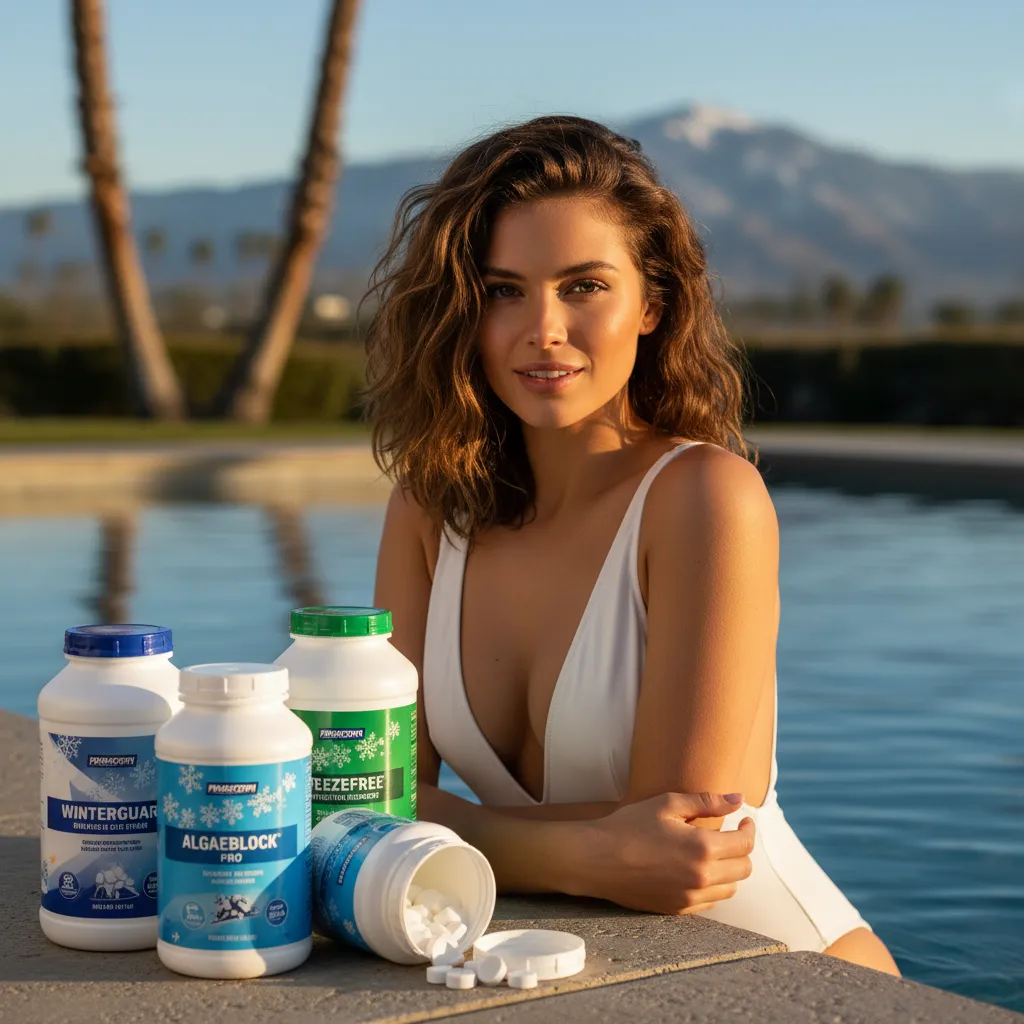
"The all-in-one solution for a guaranteed clear spring opening."
All-in-One Closing Chemical Kit
Winter demand is high - check stock

"The 'set & forget' option. This is the easiest winterizing I've ever done."
Simple 3-in-1 Winterizing Balls
Winter demand is high - check stock
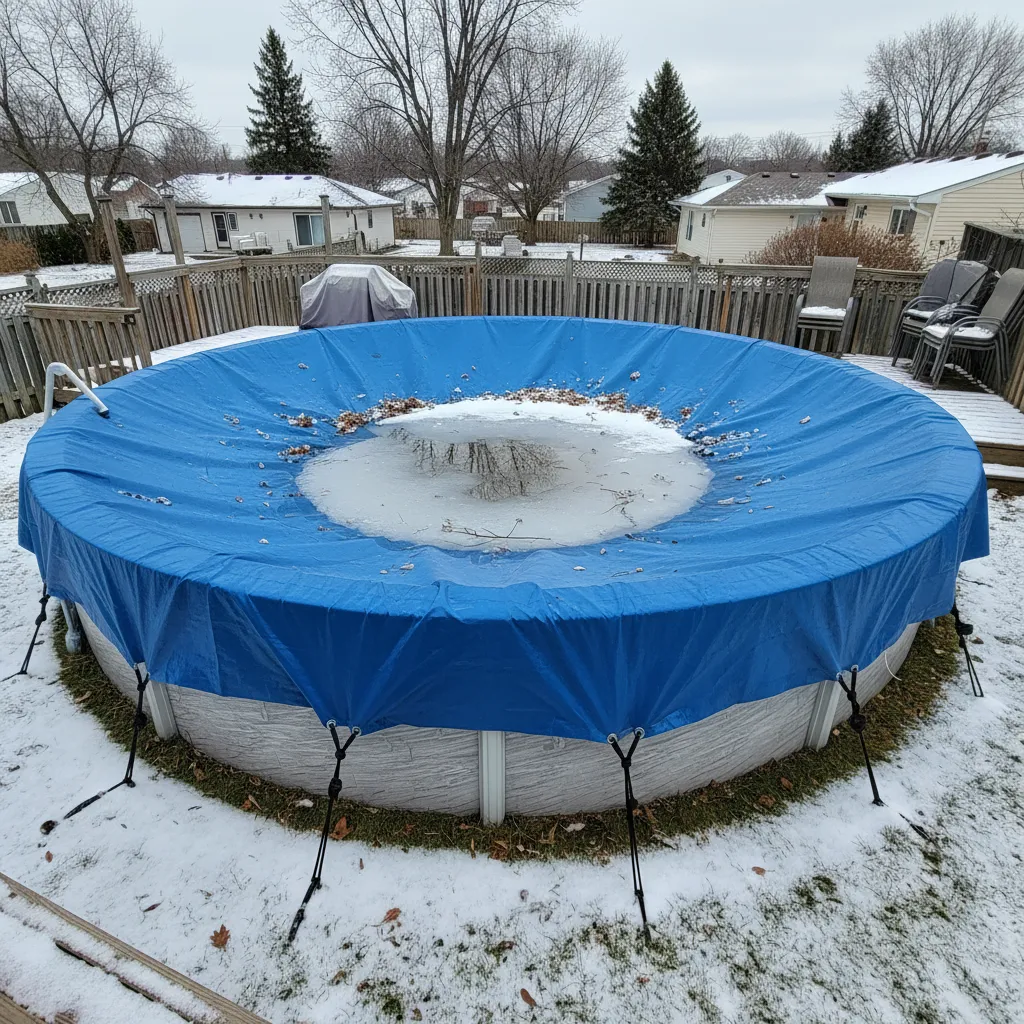
"Invest once to protect your liner and prevent a swamp in the spring."
Heavy-Duty Winter Pool Cover
Winter demand is high - check stock
Defining Eco-conscious Pool Care
Eco-conscious pool care focuses on minimizing ecological harm through deliberate choices. This approach replaces traditional chlorine-heavy systems with alternatives like saltwater generators or UV filtration. For example, ozone generators paired with a 50% reduction in chlorine use can maintain water clarity without harsh byproducts. Care also extends to equipment: Variable-speed pumps cut energy use by up to 80% compared to single-speed models, while solar blankets reduce heat loss by 70%.
Key Characteristics Of Sustainable Swimming Pools
True green swimming pools share five core features:
- Energy-smart systems: Solar heaters, LED lighting (using 75% less energy than halogen), and automated timers
- Chemical reduction: Saltwater chlorinators or natural filtration with aquatic plants
- Water preservation: Cartridge filters needing 80% less backwashing than sand filters, plus covers to limit evaporation
- Renewable materials: Decking made from recycled composite or locally sourced stone
- Ecosystem integration: Rainwater harvesting for refills and native plants that filter runoff
Advanced options like natural swimming pools use biological filters with gravel and wetland plants to clean water without chemicals. Certified sustainable pools may meet standards like LEED’s Water Efficiency credits or ENERGY STAR’s pool pump criteria.
With these foundations in place, let’s examine how these features translate into measurable benefits for pool owners and the planet.
Benefits Of Eco-friendly Pool Care
Green pools offer perks that go beyond clear water. These gains touch health, cash saved, and care for our planet.
Reduced Chemical Usage
Old-school pools rely on harsh cleaners like chlorine. These can dry skin, sting eyes, and leave a sharp smell. Green pools use tools like ozone jets or UV lamps to zap germs. Some add mineral packs with copper or zinc to cut chlorine use by 50-90%. Less chemicals mean softer water and safer dips for kids and pets. Keeping a clean brown pool is important for both safety and enjoyment. It ensures the water remains refreshing and inviting for everyone who uses it.
Lower Energy Consumption
Pool pumps gulp power—up to 20% of a home’s electric bill. New variable-speed pumps trim this by 70% by adjusting flow needs. Solar heaters soak up free sun heat, slashing heat costs by 80%. Swap old bulbs for LED pool lights to cut light power use by 75%. All these changes can greatly lower electricity costs. Paying attention to pool pump electricity usage is crucial for saving money and energy.
Environmental Impact Reduction
Each year, pools can lose 20,000 gallons from sun evaporation. A simple cover blocks this loss. Rain catch systems funnel sky water to top off pools for free. Less chemicals mean no toxic runoff in soil or streams. Green pools shrink your home’s carbon foot by up to 8 tons per year.

Eco-friendly Pool Types and Designs
Pick a pool type that fits your green goals. Each design cuts waste and harm in smart ways.
Saltwater Pool Systems
Salt pools mix 3,000 ppm salt in water—like a tear’s salt level. A salt cell zaps the mix to make chlorine as needed. No more storing bleach jugs. Water feels silkier, with less eye burn. Costs $1,500-$2,500 to add to existing pools, but saves $300/year on chlorine buys. Some pool owners choose to enhance their experience even further. Using liquid chlorine in a salt pool can provide even more stability in water quality.
Natural Swimming Pools (Chlorine-free)
These pools copy nature’s clean cycle. A swim zone links to a plant zone with reeds and moss. Microbes on plant roots eat grime and germs. Rocks and gravel filter out dirt. No chemicals—just pumps that move water through the green filter. Costs 20% more to build but near $0 yearly chem costs. However, maintaining a clean pool is still important. Adding a phosphate remover helps keep algae at bay and can enhance the overall water quality in the pool.
Solar-heated Pool Options
Solar mats on roofs pipe sun-warmed water to pools. Can push temps to 85°F for free. Add a solar blanket—cuts night heat loss by 70%. Full solar heat kits cost $3,000-$7,000 but last 15-20 years. Pair with timers to run pumps at peak sun hours.
Pair these earth-smart picks with gear that squeezes more savings from each drop and watt.
Also See: Are Above Ground Pools Trashy? Discover the Facts
Energy-efficient Pool Equipment
Modern pool technology offers game-changing tools to slash energy use while maintaining crystal-clear water. From pumps to heating systems, smart upgrades can cut annual pool energy costs by 50-70% while reducing environmental strain. As technology continues to evolve, new solutions are emerging to enhance pool management. Smart pool technology includes automated systems that monitor water quality and optimize energy consumption efficiently.
Variable-speed Pumps
Traditional single-speed pumps guzzle 3-4 kW per hour, but ENERGY STAR-certified variable-speed models operate at 0.25-1.5 kW. These units automatically adjust flow rates based on real-time needs – running slower during filtration cycles or ramping up for vacuuming. Homeowners report 75% energy savings compared to older pump models, with most units paying for themselves through utility bill reductions within 18 months.
Solar Pool Heaters
Solar thermal systems harness free sunlight to extend swimming seasons without fossil fuels. Roof-mounted collectors circulate pool water through UV-resistant polymer tubes, typically raising water temperature by 10-15°F. When paired with solar blankets, these systems can maintain comfortable swim temperatures even in cooler climates. Installation costs range from $3,000-$7,000, but many states offer tax credits covering 30% of project expenses.
LED Pool Lighting Solutions
Swapping incandescent pool lights for LED alternatives cuts lighting energy use by 80% while offering 30,000-50,000 hour lifespans. Modern RGB LEDs create customizable color displays at just 35-100 watts per fixture. Waterproof models with dark-sky friendly designs prevent light pollution while enhancing nighttime safety. Keeping your pool well-lit not only adds to the enjoyment but can also affect its overall condition. Choosing long-lasting features contributes to a better pool lifespan.

Sustainable Pool Maintenance Practices
Eco-conscious upkeep strategies protect both pool water and surrounding ecosystems. These methods minimize chemical runoff, conserve resources, and maintain water quality through biological balance rather than harsh treatments.
Eco-friendly Filtration Systems
Advanced filters like zeolite media traps particles down to 1 micron – twice as effective as standard sand filters while requiring 20% less backwashing. Cartridge filters with 150-200 sq ft surface areas need only annual cleanings, saving 8,000-10,000 gallons of water yearly compared to DE systems. For natural pools, constructed wetland filters use aquatic plants to remove contaminants biologically. Many pool owners still prefer the simplicity of all-purpose sand filters for their ease of use. All-purpose sand filters provide effective filtration while being budget-friendly and low maintenance.
Robotic Pool Cleaners for Efficiency
Autonomous cleaners with efficient DC motors consume just 150-200 watts during 2-hour cleaning cycles – 90% less power than pressure-side models. Smart units like the Dolphin E30 map pool layouts to optimize navigation paths, reducing run times by 35%. Many feature micro-filter baskets capturing debris as small as 2 microns, decreasing filter workload.
Natural Water Treatment Alternatives
Mineral purification systems combine magnesium and copper ionization to control algae and bacteria with 50% less chlorine. Ozone generators inject O3 molecules that oxidize contaminants 3,000 times faster than chlorine, while UV-C systems neutralize pathogens without chemicals. For chlorine-free pools, enzyme-based treatments break down oils and organic matter through biological catalysis.
Eco-friendly Pool Products and Upgrades
Strategic upgrades transform existing pools into sustainability powerhouses. From surface treatments to structural materials, these solutions reduce environmental impact while enhancing functionality.
Solar Pool Covers
High-density polyethylene solar blankets prevent 95% of pool water evaporation – critical in drought-prone areas. These 12-16 mil covers trap heat with air bubble insulation, reducing heat loss by 50%. Automatic reel systems make deployment effortless, while clear blue tints maximize solar gain. Expect 6-8 year lifespans from UV-stabilized models.
Energy-efficient Heat Pumps
Modern pool heat pumps achieve 600% efficiency ratings (COP 6.0) by transferring ambient warmth rather than generating heat. Units like the AquaCal SuperQuiet extract BTUs from air temperatures as low as 45°F, delivering 5-6 kW of heat per 1 kW consumed. When sized properly, these systems maintain temperatures for just $50-$100 monthly in moderate climates.
Recycled Material Pool Decking
Composite decking made from reclaimed plastic and wood fibers offers slip-resistant surfaces that stay 30% cooler than concrete. Brands like Trex Transcend use 95% recycled content, diverting 400,000 tons of waste annually. Permeable pavers with 30% fly ash concrete allow stormwater infiltration, reducing runoff that carries pool chemicals into watersheds.
While these solutions significantly lower environmental impact, calculating their long-term value requires examining both upfront costs and operational savings – a balance we’ll explore next.

Cost Considerations for Eco-friendly Pools
Building or converting to sustainable swimming pools requires balancing upfront expenses with future benefits. While some eco pool solutions carry higher initial price tags, smart choices yield financial returns through reduced utility bills and lower maintenance needs. One way to enhance the enjoyment of these pools is by adding bubbling pool jets. These jets provide a soothing experience, creating a relaxing atmosphere while also promoting water circulation.
Initial Investment Vs Long-term Savings
Solar-heated pool systems typically cost $2,500-$5,000 installed but slash heating bills by 50-80% yearly. Variable-speed pumps run $800-$1,500 upfront yet use 70% less energy than single-speed models, paying for themselves in 2-3 years. Natural swimming pools eliminate chlorine costs entirely but require $15,000-$30,000 for specialized biofiltration zones. Rebates from Energy Star or local utilities offset 10-30% of equipment costs in many regions. As you consider the costs associated with maintaining a pool, it’s important to account for additional expenses such as cost of fill pool dirt for any renovations. The cost of fill pool dirt can vary widely based on location and quantity needed, impacting your overall budget.
Budget-friendly Eco Pool Upgrades
Start with these low-cost changes to boost efficiency:
- Solar pool covers ($150-$300) reducing evaporation by 70%
- LED pool lights ($75-$200) cutting lighting energy use by 80%
- Cartridge filters ($500-$800) needing 20% less water for backwashing
Upgrading to timer-controlled systems ($120-$400) prevents pump overuse, while pH automation monitors ($300-$600) optimize chemical dosing.
Eco-friendly Landscaping and Water Conservation
Strategic landscaping protects pool ecosystems while conserving resources. Xeriscaping principles work well around chlorine-free pools, combining water-wise plants with smart drainage solutions.
Native Plants for Pool Areas
Drought-tolerant species like Agave, Blue Fescue, or Deer Grass thrive near pools without chemical fertilizers. These plants:
- Require 50% less watering than tropical species
- Provide natural erosion control through deep root systems
- Filter runoff before it enters pool water
Rainwater Harvesting Systems
Underground cisterns (1,000-5,000 gallon capacity) collect precipitation for pool top-offs, reducing municipal water use by 30%. Basic setups start at $1,500, while whole-property systems with filtration run $3,000-$8,000. Pair with permeable pavers ($8-$15/sq ft) to direct stormwater into storage.
Erosion-control Strategies
Prevent soil loss near pool decks with:
- Riprap stone borders ($12-$18/ton)
- Geotextile fabric under gravel trenches ($0.15-$0.40/sq ft)
- Retaining walls using recycled concrete blocks ($25-$35/sq ft)
These methods keep debris out of filtration systems while maintaining soil stability during heavy rains.
With sustainable infrastructure in place, let’s explore common queries about maintaining eco-conscious pools.

Frequently Asked Questions About Eco-friendly Pools
How Long Do Eco-friendly Pool Systems Typically Last Compared to Traditional Setups?
Eco-friendly pool equipment often outperforms traditional systems in lifespan due to reduced corrosion and wear. Solar heaters last 15-20 years versus gas heaters’ 8-12 years, while variable-speed pumps operate 50% longer than single-speed models. Recycled composite decking resists weathering for 25+ years compared to wood’s 10-15 year lifespan. Just as the right equipment can extend the life of your pool components, the construction of well-built gunite pools can last over 50 years with proper maintenance, making it a long-term investment for any homeowner.
Are There Specific Certifications to Look for When Choosing Eco-friendly Pool Products?
Key certifications include ENERGY STAR for pumps/heaters (verifying 30%+ energy savings), NSF/ANSI 50 for chemical-free systems, and Cradle to Cradle for recycled materials. LEED credits apply to pools using rainwater harvesting or native landscaping, while Watersense labels identify water-efficient equipment.
What Maintenance Differences Exist Between Saltwater and Freshwater Eco-pools?
Saltwater pools require cell cleaning every 3-6 months and salinity checks, but eliminate daily chlorine handling. Freshwater natural pools need seasonal plant pruning and biofilm monitoring in biological filters. Both types share reduced skimming needs compared to traditional pools – typically 1-2 weekly cleanings versus daily. Keeping your pool area tidy also means caring for the surrounding surfaces. Clean pool pavers not only enhance the look of your outdoor space but also help maintain a safe, slip-resistant environment.
Can Solar Pool Heaters Function Effectively in Cloudy or Northern Climates?
Modern solar heaters work in temperatures as low as 45°F, using insulated collectors and reflective coatings to capture diffuse sunlight. In cloudy regions, pairing solar with a heat pump cover extends swimming seasons by 2-3 months. Systems in northern states like Minnesota still achieve 60-70% efficiency compared to sunbelt installations.
How Do Natural Swimming Pools Handle Mosquito Control Without Chemicals?
Natural pools prevent mosquito breeding through constant water circulation and biological predators. Design features include:
- Surface skimmers moving water every 4-6 hours
- Dragonfly larvae consuming 100+ mosquito larvae daily
- Shallow plant zones unsuitable for mosquito egg deposition
UV clarifiers can be added if needed, using 85% less energy than chemical feeders.
Closing Thoughts
Creating an eco-friendly pool benefits both your wallet and the environment. From saltwater systems to solar covers, sustainable options exist for every pool type and budget. Small changes like switching to LED lighting or adding native plants make a measurable difference.
Transitioning to green pool care doesn’t require overhauling your entire system. Start with one upgrade – perhaps a variable-speed pump or robotic cleaner – then expand your eco-friendly features over time. Many sustainable solutions pay for themselves within 2-3 years through energy savings.
For precise calculations on energy savings, chemical reductions, or equipment ROI, visit My Pool Calculator. Our tools help pool owners make informed decisions about sustainable upgrades and maintenance practices.
Every eco-conscious choice contributes to cleaner water and lower operating costs. Your pool can be both refreshing and responsible with the right approach to sustainable care.
Additional Resources for You:
- Lowry, R. (2018). Pool Chemistry for Service Pros: The Ultimate Guide to Water Balance. Laguna Hills, CA: Pool Chemistry Training Institute.
- Everything About Natural Swimming Pools: Pros & Cons
- Eco-friendly pools: advantages and types – Fluidra
- 8 Easy Eco-Friendly Swimming Pool Upgrades – Neave Group
- Make a splash for the environment with an eco pool
A pool care geek who’s been testing water chemistry since she was tall enough to reach the skimmer.
Eco Friendly Pool, Pool Care By Type