Can You Swim in a Pool After It Rains? What You Need to Know
Published on: February 5, 2026 | Last Updated: November 17, 2025
Written By: Rachael Weatherbottom
Yes, you can swim in a pool after it rains, but only after testing water quality and balancing chemicals. Rainwater introduces contaminants like dirt, pollen, and airborne pollutants while diluting chlorine levels critical for sanitization. Immediate risks include unbalanced pH (typically rising above 7.8), reduced sanitizer effectiveness, and potential bacterial growth from organic debris. Always check chlorine levels (1-3 ppm), pH (7.4-7.6), and clarity before entering.
This guide breaks down how rainfall impacts pool safety and chemistry, regional factors affecting post-rain decisions, and step-by-step maintenance protocols. You’ll learn why a light drizzle in Arizona poses different risks than a Florida downpour and how to spot invisible hazards like diluted chlorine or algae spores.
We’ll cover how long to wait before swimming after storms, when shocking becomes necessary, and how saltwater pools respond differently to rainwater influx. For homeowners in hurricane-prone states or areas with heavy pollen counts, regional tips will help tailor your approach to post-rain care.
Is It Safe to Swim in a Pool After Rain?
Rain changes pool safety fast. Jumping in right after a storm may seem fun, but hold off until you check key risks. Let’s break down what to watch for before you dive back in.
Crucial Winterizing Products
"The all-in-one solution for a guaranteed clear spring opening."
All-in-One Closing Chemical Kit
Winter demand is high - check stock

"The 'set & forget' option. This is the easiest winterizing I've ever done."
Simple 3-in-1 Winterizing Balls
Winter demand is high - check stock
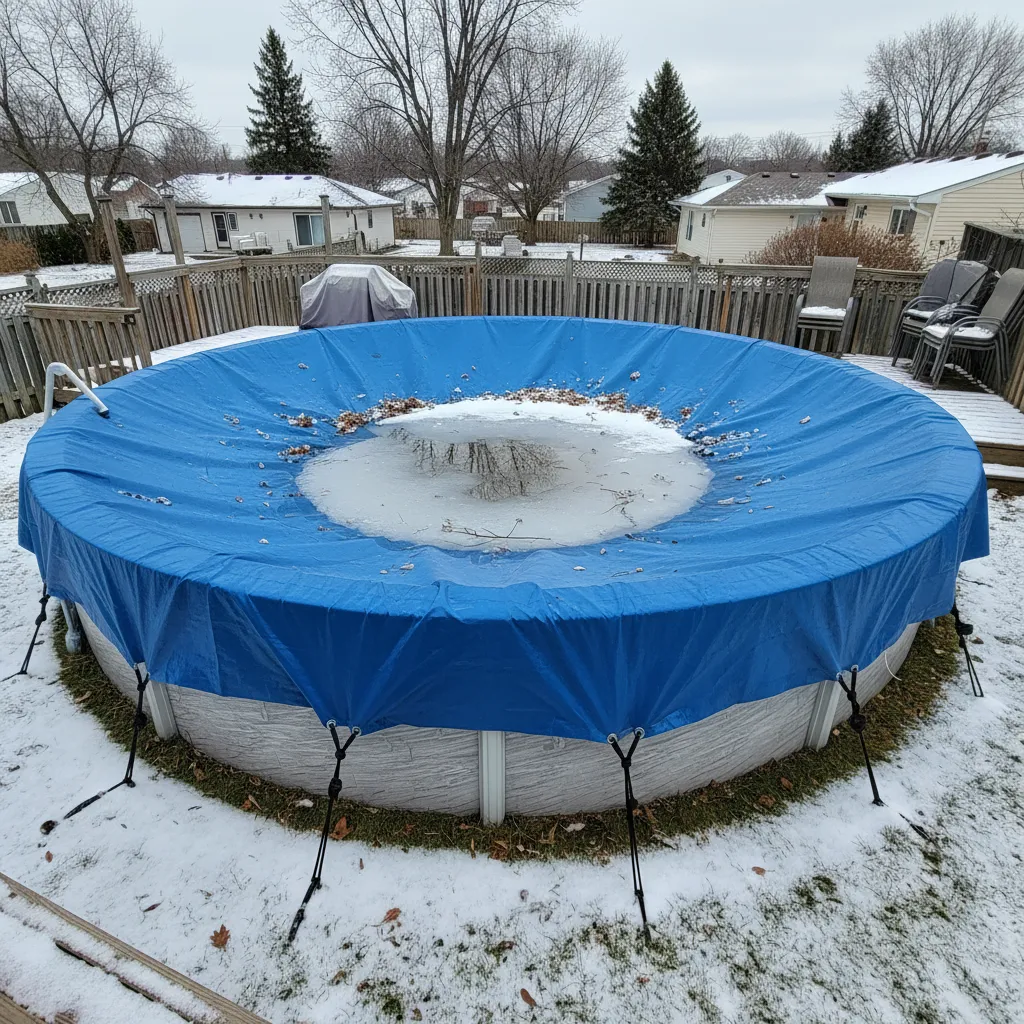
"Invest once to protect your liner and prevent a swamp in the spring."
Heavy-Duty Winter Pool Cover
Winter demand is high - check stock
Immediate Safety Considerations
First, scan the water. If it looks cloudy or murky, skip the swim. Cloudiness often means low chlorine or high dirt levels. Check for leaves, twigs, or trash blown in by wind. These can hide sharp objects or make surfaces slippery. It’s also important to look for any bubbles in a pool. Bubbles in a pool can indicate the presence of air or unwanted chemicals, which could affect your swimming experience.
Next, think about storms. If lightning struck nearby, wait at least 30 minutes after the last thunderclap. Even if rain stops, stray currents from pool gear or lights can pose risks. Also, heavy rain may flood safety covers—remove pooled water before uncovering.
Factors Influencing Post-rain Safety
Not all rain has the same impact. Light showers (under 0.5 inches) might not harm water quality much. But downpours over 1 inch can dilute chlorine fast—dropping levels below 1 ppm, which is too low to kill germs. Pools near trees or fields may get more dirt, pollen, or farm runoff, raising contamination risks.
Your pool’s setup matters too. Outdoor pools face more debris than indoor ones. Saltwater pools might handle pH swings better than chlorine pools after rain. Test strips can show pH shifts: rain often lowers pH to 6.5-7.0, while 7.4-7.6 is ideal. High total dissolved solids (TDS) over 2,000 ppm? Wait to swim until you balance the water.
After weighing these points, it’s time to see how rain alters your pool’s chemistry in detail.
How Rainwater Impacts Pool Chemistry
Rainfall transforms pool chemistry in ways that impact both clarity and sanitation. As precipitation mixes with pool water, it brings dissolved particles, organic matter, and shifts in acidity. This disruption demands immediate attention to maintain swim-ready conditions.
Does Rain Lower or Raise the Ph in a Pool?
Rain typically lowers pH due to its natural acidity. With a pH range of 5.0–5.5, rainfall dilutes pool water’s ideal 7.2–7.8 range. Acidic rain also reduces total alkalinity (TA), a buffer that stabilizes pH. A TA drop below 80 ppm allows wild pH swings, increasing corrosion risks for ladders, liners, or filtration parts. Heavy storms might add 500–1,000 gallons to a 15,000-gallon pool, amplifying this shift. Maintaining proper pool alkalinity is crucial for overall water balance. It helps prevent pH fluctuations and protects your pool equipment.
Chlorine Dilution and Contamination Risks
A half-inch of rain can slash free chlorine levels by 20–30%, leaving concentrations below the 1–3 ppm threshold for sanitation. Runoff introduces contaminants like pollen, soil, or bird droppings, which consume remaining chlorine. Murky water or visible debris signals possible algae spores or bacteria. For saltwater pools, salinity may dip below 2,700–3,400 ppm, forcing salt cells to work harder to generate chlorine. Keeping the pool clean is essential to maintaining water quality. One way to do this is to deter ducks from entering the pool area.
How Long Should You Wait to Swim After It Rains?
Timing depends on rainfall intensity and post-storm maintenance. While light showers may allow quick returns, downpours require patience to avoid cloudy water or skin irritation from imbalanced chemistry.
General Waiting Period Guidelines
Wait 30 minutes to 4 hours post-rain, depending on storm severity. Light drizzle (under 0.25 inches) needs minimal delay if chlorine stays above 1 ppm. For heavy storms (1+ inches), wait until filtration runs for 2–3 full cycles. Always prioritize water testing over fixed timelines.
Testing Water Before Re-entry
Use test strips or a digital kit to verify these levels before allowing swimming in a pool after rain:
- pH: 7.2–7.6
- Free Chlorine: 1–3 ppm
- Total Alkalinity: 80–120 ppm
- Cyanuric Acid: 30–50 ppm (outdoor pools)
If readings fall outside these ranges, adjust with pH increaser, chlorine shock, or alkalinity boosters. Cloudy water or odd odors mean postponing swimming until clarity returns.
Local climate conditions also play a role—factors like humidity, storm frequency, and pollution levels vary by region, which we’ll unpack next.
Also See: Can You Shock Pool During the Day or Morning?
Regional Considerations for Post-rain Swimming
Weather patterns and environmental factors vary across the U.S., affecting whether you can go swimming in a pool after rain. Local climate, storm intensity, and water source contamination risks play roles in safety decisions.
Can You Swim in a Pool After Rain in Florida?
Florida’s frequent thunderstorms deliver more than just water—runoff from saturated soil can carry fertilizers, organic debris, and pathogens into pools. Test chlorine levels post-rain, as heavy downpours may dilute sanitizer concentrations below 1 ppm, creating breeding grounds for algae. With humidity averaging 74%, bacterial regrowth occurs faster here than in arid regions. Wait at least 2 hours after testing and balancing before swimming in an outdoor pool after rain. The effects of pool water seeps into surrounding soil extend beyond just cleanliness. When pool water seeps into surrounding soil, it can harm grass and other plants due to the added chemicals and salts.
Can You Swim in a Pool After Rain in Texas?
Texas storms often bring hard water with high mineral content (200–400 ppm calcium hardness). Rainwater pH here typically ranges from 5.8–6.3, lowering pool pH and corroding equipment if unaddressed. Post-storm, check for sediment from wind gusts exceeding 30 mph, common in plains regions. Use a clarifier to tackle turbidity caused by clay particles. Most Texas pool owners resume swimming in a pool after rain within 4 hours if free chlorine reaches 3 ppm and clarity is restored.
Health Risks Of Swimming After Rainfall
Rainwater introduces contaminants that compromise water quality. From airborne pollutants to ground runoff, these factors determine whether swim in pool after rain poses health threats.
Can Swimming in the Rain Make You Sick?
Exposure to leptospira bacteria or norovirus becomes more likely when rainwater washes animal waste into pools. A 2022 CDC study found 23% of post-rain pool samples tested positive for coliforms. Symptoms like gastrointestinal distress or ear infections may develop within 12–48 hours. Those with open wounds face higher risks of Pseudomonas aeruginosa infections, which thrive in under-chlorinated water.
Bacterial Growth and Waterborne Contaminants
Organic matter from rainfall—pollen, bird droppings, or algae spores—consumes chlorine, creating “chlorine demand.” This allows pathogens like E. coli (detectable at 1 CFU/100mL) to proliferate. Heavy storms may also introduce Cryptosporidium parvum, a chlorine-resistant parasite requiring UV treatment or ozone sanitation. Always test combined chlorine levels; readings above 0.5 ppm indicate contamination needing shock treatment.
Essential Pool Maintenance After Rainfall
Restoring water safety involves systematic steps. Proper care ensures you can swim in the pool after it rains without compromising health or equipment longevity.
Step 1: Test and Balance Water Chemistry
Use a digital tester to measure pH (ideal: 7.4–7.6), total alkalinity (80–120 ppm), and free chlorine (2–4 ppm). Rain’s acidity often lowers pH—add sodium carbonate if readings drop below 7.2. For saltwater pools, check salinity levels (2700–3400 ppm) as overflow from heavy rain dilutes salt concentration. Heavy rains can also lead to algae growth in pools. It’s important to keep an eye on the water quality to prevent rain algae from forming.
Step 2: Shock the Pool
Apply calcium hypochlorite (68–73% strength) at dusk to achieve breakpoint chlorination. Dosage: 1 lb per 10,000 gallons for mild contamination, doubling if visible algae exists. This destroys chloramines and oxidizes organic waste. Wait until chlorine drops below 5 ppm before swimming in a pool after rain. Using calcium hypochlorite is a reliable method for maintaining pool water clarity. It helps keep your pool safe and enjoyable for swimming all season long.
Step 3: Remove Debris and Vacuum
Skim leaves and insects with a mesh net. Use a robotic cleaner to eliminate silt from the pool floor—particles smaller than 30 microns can cloud water. For vinyl liners, brush walls to prevent staining from metallic runoff. Investing in a robotic pool cleaner makes maintenance easier and more efficient. These devices can scrub, vacuum, and filter water, keeping your pool sparkling clean with minimal effort.
Step 4: Filter System Optimization
Backwash sand filters until the waste line runs clear (usually 3–5 minutes). Cartridge filters require hosing with 45 PSI water pressure. Run the pump 8–12 hours post-rain to achieve 2–3 turnovers. DE filters restore clarity fastest, trapping particles down to 1 micron. Proper maintenance is key for all types of filters. A backwash sand filter is an effective way to keep your water clean and clear.
While these steps address common post-rain scenarios, extreme weather events may demand more aggressive measures. Up next: recognizing when to avoid swimming entirely despite maintenance efforts.
When to Avoid Swimming Entirely
Rain transforms pool conditions faster than many realize. While some post-rain swims pose minimal risk, specific scenarios demand staying out of the water entirely to protect health and safety. As summer ends, many pool owners start thinking about closing their pools. Typically, pools close on Labor Day, marking the end of the swimming season.
Severe Weather Conditions
Lightning remains active for 30 minutes after the last thunderclap – a rule enforced by the National Weather Service. Entering a pool during this window risks electrocution, even if skies appear clear. Heavy downpours (1+ inch per hour) create secondary hazards like flash floods that overwhelm pool drainage systems. Runoff from nearby lawns or streets can carry motor oil, pesticides, or animal waste into the water, introducing contaminants standard filtration can’t immediately neutralize. It is important to consider the distance between your pool and septic system can affect water quality. Keeping a safe distance helps prevent contamination from septic overflow during heavy rains.
Visible Water Quality Issues
Post-rain clarity problems signal immediate danger. Cloudy water with visibility below 4 feet indicates imbalanced chemistry or suspended particles. Green/yellow algae blooms visible within 12 hours of rainfall suggest phosphate levels over 100 ppb – a feast for microorganisms. Black spot algae clinging to walls? That colony was likely present pre-storm but spread faster with rainwater’s pH shifts. Total Dissolved Solids (TDS) exceeding 2000 ppm after heavy rain creates a breeding ground for pathogens, with CDC studies showing a 240% increase in waterborne illness risk when TDS spikes post-precipitation. It’s not just rain that can affect pool water; when temperatures drop, saltwater pools can freeze, leading to damage if not properly maintained.
| Warning Sign | Action Threshold |
|---|---|
| Free Chlorine | <1 ppm |
| Water Clarity | >4 ft visibility loss |
| Algae Presence | Any visible growth |
| TDS Levels | >2000 ppm |
Recognizing these red flags prevents exposure to Pseudomonas aeruginosa (hot tub rash) or Cryptosporidium parasites, which thrive in post-rain pools with low sanitizer levels. Pool owners facing these conditions should close the area until professional remediation occurs.
While some wonder if swimming in the pool after rain is always risky, the reality depends on measurable factors. Up next: common questions about light rain swims and saltwater system performance during storms.
FAQ: Swimming After Rainfall
How Does Rainwater Affect Pool Accessories Like Ladders or Diving Boards?
Acidic rainwater (pH 5.0–5.5) can accelerate corrosion on metal components like ladder rails or bolts. Stainless steel parts may develop pitting if total alkalinity drops below 80 ppm post-rain. For diving boards, prolonged exposure to unbalanced water can weaken fiberglass coatings. Rinse accessories with fresh water after storms and apply silicone-based protectants to prevent degradation.
Can Swimming After Rain Cause Skin Irritation Even if Chemicals Are Balanced?
Yes. Rainwater runoff may introduce organic compounds like tannins or dissolved metals (e.g., copper from roofing) that standard chemical tests don’t measure. These can react with chlorine, forming irritants like chloramines. If swimmers report itching despite proper pH and chlorine levels, use a chelating agent to neutralize metals and replace 10–15% of pool water.
Are There Specific Contaminants in Rainwater That Standard Tests Don’t Detect?
Urban rainfall often contains microplastics, PFAS chemicals, or pesticide residues that typical test kits won’t identify. Industrial areas may see pH-normal rainwater with heavy metals like lead (≥15 ppb). Consider lab testing after extreme weather events or if swimmers exhibit unexplained symptoms. Activated carbon filters can trap many undetectable contaminants.
How to Prevent Future Rainwater Contamination in Pools?
Install overflow drains to manage heavy rainfall, and use a safety cover rated for debris prevention. Landscaping slopes (1–2% grade) around the pool divert runoff. For saltwater pools, automate salinity monitoring to compensate for dilution. Apply enzyme-based clarifiers weekly during rainy seasons to break down organic matter before storms hit. Additionally, keeping track of water quality is essential. It’s a good idea to check the phosphate level in your pool regularly to prevent algae growth.
Closing Thoughts
Rainfall transforms your pool’s chemistry and safety conditions—sometimes dramatically. While light showers may only require minor adjustments, heavy downpours demand thorough water testing, shocking, and filtration before reopening for swimmers. Regional factors like humidity, pollution levels, and storm intensity further dictate whether immediate swimming is advisable.
Always prioritize water testing with reliable kits or digital tools. Free chlorine should remain between 1-3 ppm, pH between 7.2-7.6, and alkalinity 80-120 ppm post-rain. For precise calculations on chemical adjustments after weather events, explore My Pool Calculator to streamline your maintenance.
When in doubt, wait it out. Murky water, algae blooms, or chemical imbalances signal clear hazards. With proactive care, your pool will bounce back quickly—ready for safe, crystal-clear swimming.
Additional Resources for You:
- National Swimming Pool Foundation (NSPF). (2022). Pool & Spa Operator Handbook (4th ed.). Colorado Springs, CO: NSPF.
- Is It Safe To Swim In A Pool After Rain?
- How to Manage Your Swimming Pool When It Rains
- Is it safe to swim in an outdoor pool while it’s raining? – Quora
- Can you swim in an outdoor pool if it rains while you are swimming but before you get out of the pool? Is rainwater dangerous to swim in after rainfalls have passed? – Quora
A pool care geek who’s been testing water chemistry since she was tall enough to reach the skimmer.
Cloudy Water Solutions, Common Problems, Pool Chemistry