Does Rain Cause Algae in Pools?
Published on: March 18, 2026 | Last Updated: November 17, 2025
Written By: Rachael Weatherbottom
Rain doesn’t directly cause algae growth, but it creates conditions algae love: rainwater introduces contaminants, dilutes chlorine, shifts pH levels (often lowering it below 7.4), and deposits organic matter like pollen or phosphates. To prevent post-rain algae, prioritize maintaining chlorine levels (1-3 ppm), balancing alkalinity (80-120 ppm), and ensuring strong water circulation to counteract these effects.
Let’s break down why rain acts as an algae trigger. This article explains how microscopic spores hitch rides on dust particles in rain, why pH swings matter more than you think, and how a single storm can drop up to 5 pounds of debris into a 15,000-gallon pool. You’ll learn about the three most common algae types (green, yellow, black), their preferred hiding spots, and why certain regions like Florida face higher risks year-round.
We’ll also cover actionable steps to protect your pool. Discover how a $50 pool cover cuts contamination by 80%, why testing water within 4 hours of rainfall matters, and which chemicals neutralize phosphate buildup. From pre-storm prep to post-rain shock treatments, every strategy ties directly to stopping algae before it turns your pool green.
- ✓
- ✓
- ✓

Does Rain Directly Cause Algae Growth in Pools?
Rainwater itself doesn’t contain algae spores or nutrients to spark growth. But it acts as a catalyst, creating conditions algae need to thrive. Think of rainfall as an uninvited guest that brings dirt, dust, and debris into your pool – all potential fuel for an algae bloom.
Crucial Winterizing Products
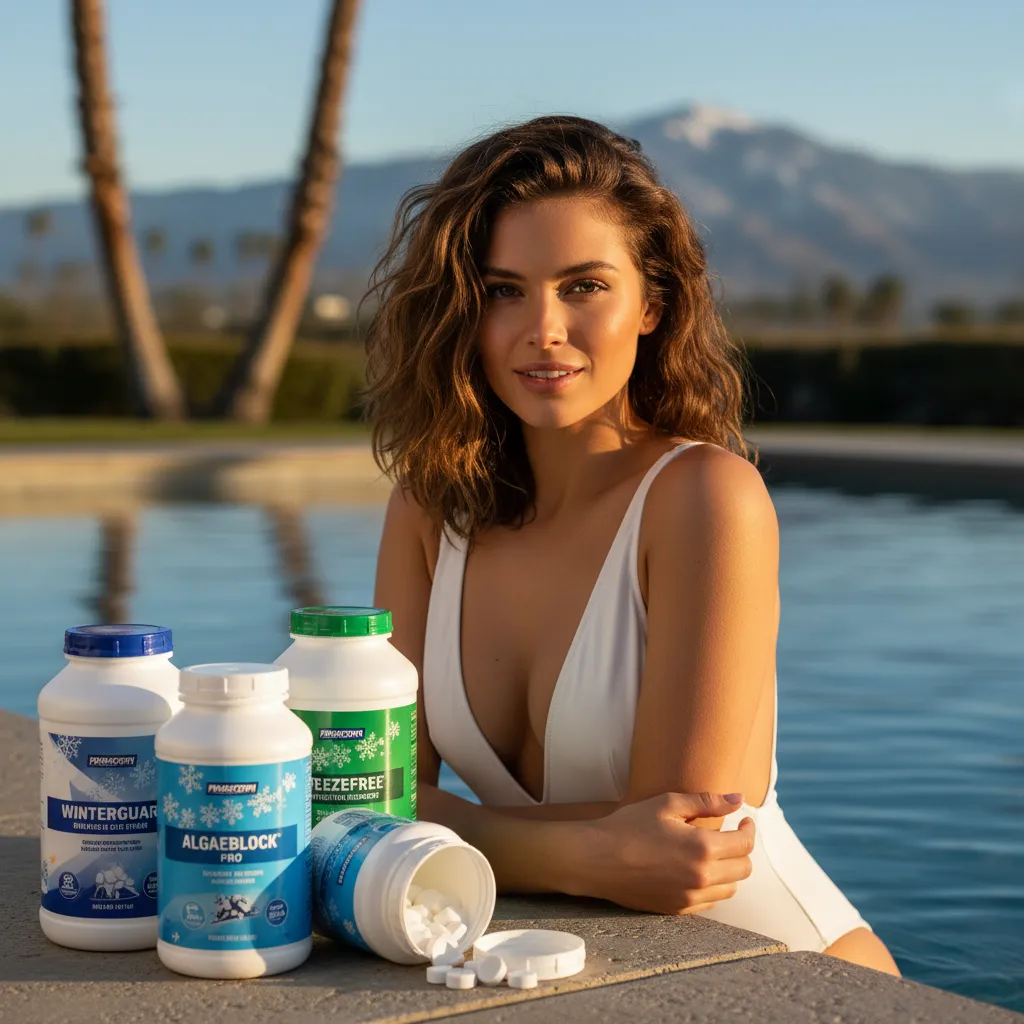
"The all-in-one solution for a guaranteed clear spring opening."
All-in-One Closing Chemical Kit
Winter demand is high - check stock

"The 'set & forget' option. This is the easiest winterizing I've ever done."
Simple 3-in-1 Winterizing Balls
Winter demand is high - check stock
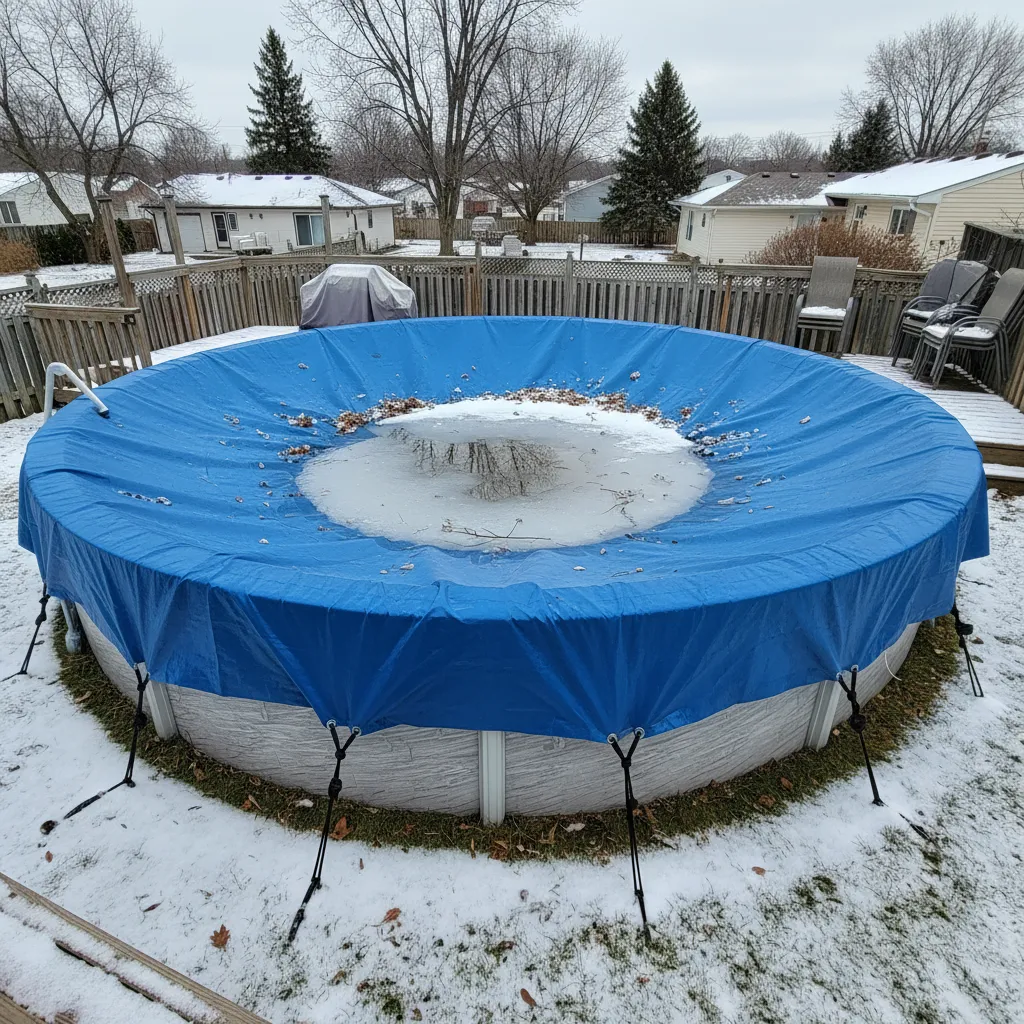
"Invest once to protect your liner and prevent a swamp in the spring."
Heavy-Duty Winter Pool Cover
Winter demand is high - check stock
Understanding the Link Between Rainwater and Algae
Rain transports organic matter like pollen, bird droppings, and soil into pools. These materials contain phosphates (a food source for algae) at levels as high as 500 ppb (parts per billion) in stormwater runoff. Even light showers can introduce 1-2 pounds of debris per 1,000 gallons of rainwater. Algae spores also hitch rides on wind-blown dust particles washed into pools during storms.
Acidic rainwater (average pH 5.6) lowers pool water’s pH, weakening chlorine’s sanitizing power. For every inch of rain, a 15,000-gallon pool’s chlorine concentration drops by 0.5-1.0 ppm if not adjusted. This creates a window for algae to establish footholds within 24-48 hours. It’s important to check the salt level in the pool, as this can also affect water balance. Keeping the salt level within the recommended range helps ensure that your chlorine generator works effectively.
Key Factors That Allow Rain to Trigger Algae
Three critical elements determine whether rainfall leads to algae:
- Pre-existing chemical imbalance: Pools with chlorine below 1 ppm or pH above 7.8 pre-storm face higher risks
- Water temperature: Algae grows fastest at 70-90°F – common in summer rain events
- Debris accumulation: Leaves or grass clippings left floating add nitrogen compounds (up to 3 ppm post-storm)
Poor circulation worsens these issues. Pumps running fewer than 12 hours daily let contaminants settle in dead zones, giving algae time to root.
While rain doesn’t directly plant algae, it’s expert at rolling out the green carpet. Next, we’ll break down exactly how rainwater reshapes your pool’s ecosystem to favor invaders.
How Rainwater Contributes to Pool Algae Growth
Rainwater interacts with pools in ways that create ideal conditions for algae. While rain itself isn’t algae, it acts as a catalyst by altering water chemistry and introducing organic material.
Contaminants Introduced by Rainwater
Rain carries airborne particles like pollen, dust, and bird droppings into pools. These act as nutrients for algae, providing nitrogen and phosphorus. In areas with heavy industrial activity or agriculture, rainwater may also contain trace metals or fertilizers, accelerating algae blooms. A single storm can deposit up to 10 ppm of dissolved solids, overwhelming filtration systems.
Dilution Of Pool Chemicals
Heavy rainfall reduces chlorine concentration by up to 30%, dropping levels below the 1-3 ppm needed to inhibit algae. Stabilizers like cyanuric acid—which protect chlorine from UV degradation—also dilute, weakening sanitizer effectiveness. Saltwater pools face similar issues, as rain lowers salinity below the 2,700-3,400 ppm required for chlorine generators to function optimally.
Ph Imbalance From Rainfall
Rainwater typically has a pH of 5.6 due to dissolved carbon dioxide. When mixed with pool water, it lowers the pH below the ideal 7.4-7.6 range. Acidic conditions degrade chlorine’s sanitizing power, allowing algae spores to germinate. Pools with total alkalinity under 80 ppm are especially vulnerable to pH swings after storms. After such storms, it’s important to shock the pool to restore proper chlorine levels. Shocking the pool helps eliminate algae and bacteria, keeping the water safe and clean for swimming.
Organic Matter and Algae Spores
Rain washes leaves, grass clippings, and soil into pools. As these decompose, they release phosphates—a primary food source for algae. Wind-driven rain also transports algae spores from nearby plants or water sources. Testing often reveals phosphate levels exceeding 500 ppb after storms, creating a feast for green or yellow algae.
Types Of Algae Commonly Found in Pools After Rain
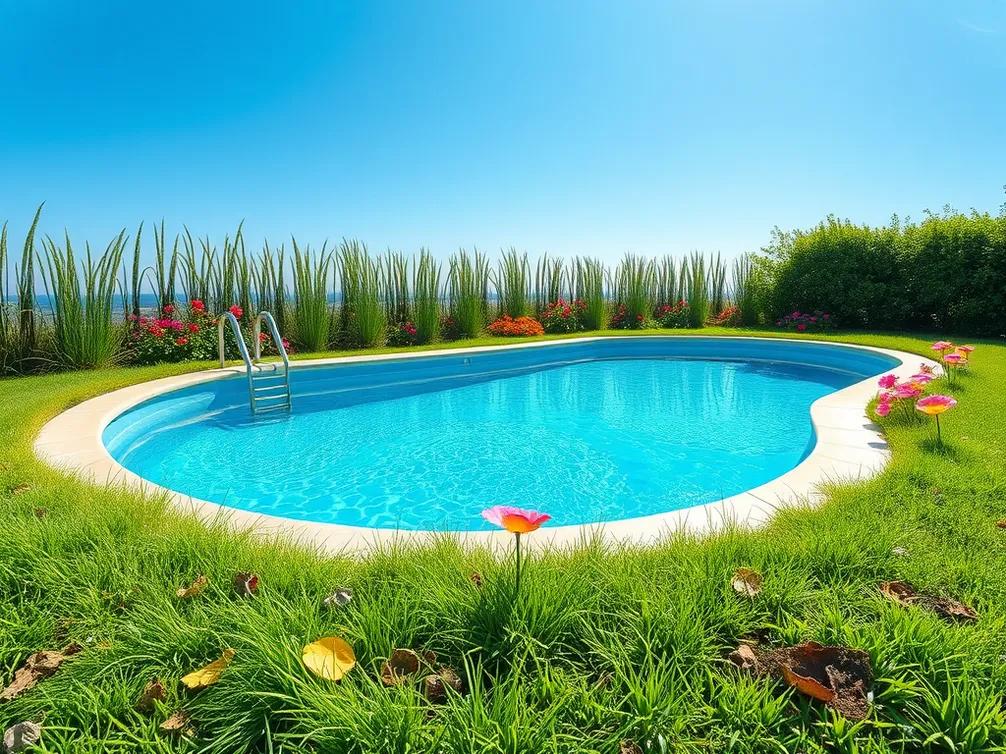
Post-rain algae growth varies by species, each requiring specific treatment. Proper identification ensures effective eradication.
Green Algae
The most common type, green algae (Chlorophyta), forms slimy patches or turns water pea-green within 24-48 hours of rain. It thrives in pools with chlorine below 1 ppm and pH above 7.8. Though visible on surfaces, it’s easily treated with calcium hypochlorite shock at 30 ppm.
Yellow/mustard Algae
Often mistaken for sand or pollen, yellow algae (Phaeophyta) clings to shaded walls and resists standard chlorine doses. It survives in chlorine levels up to 3 ppm and frequently appears after storms with high winds. Elimination requires sodium bromide-based shock and brushing with stainless steel tools.
Black Algae
Black algae (Cyanobacteria) develops root-like structures in plaster or concrete pores. Rainwater transports its spores from nearby rocks or landscaping. Recognizable by dark blue-green spots and a protective biofilm, it demands 40 ppm chlorine shock combined with aggressive scrubbing to break the outer layer.
While identifying algae types is critical, addressing the underlying chemical shifts after storms requires precise action. Let’s examine how rainfall alters key water parameters and what steps restore balance.
Also See: Can You Swim With Phosphate Remover in Pool? Guidelines
Rainwater’s Impact on Pool Water Chemistry
Rainwater interacts with pool water in ways that directly affect algae development. The chemical shifts caused by storms create ideal conditions for spores to thrive if not addressed promptly.
Does Rain Lower or Raise Ph in Pools?
Rain typically lowers pool pH. With an average pH of 5.0–5.5, rainwater introduces acidity, destabilizing the ideal pool range of 7.2–7.6. This drop weakens chlorine’s sanitizing power, allowing algae to gain a foothold. A pH below 7.0 reduces chlorine effectiveness by over 50%, accelerating algae growth. When the pH rises too high, it can create a favorable environment for algae to thrive. High pH levels are often a major contributor to persistent algae blooms in swimming pools.
Effect on Alkalinity and Chlorine Levels
Total alkalinity (80–120 ppm) acts as a pH buffer. Heavy rain dilutes alkalinity, causing erratic pH swings that stress chemical balance. Simultaneously, chlorine concentration plummets—a 2-inch rainfall in a 20,000-gallon pool can dilute free chlorine by 30%. Levels below 1 ppm leave pools defenseless against algae spores introduced by wind or debris. This makes maintaining proper alkalinity crucial for pool health. Proper alkalinity helps keep pH levels stable, ensuring a cleaner and safer swimming environment.
Testing Water After Rainfall
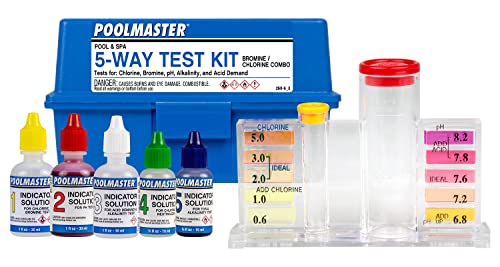
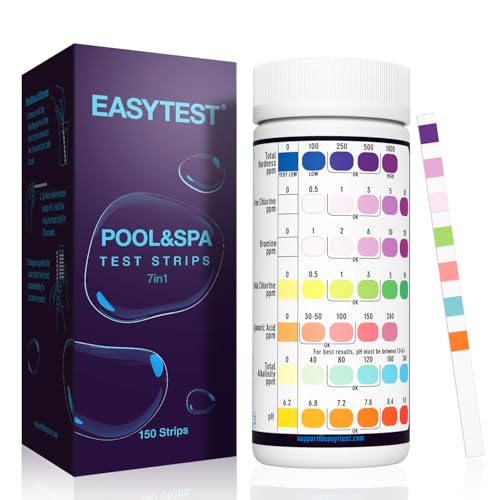
Test within 24 hours using strips or a digital kit. Focus on three metrics: pH (adjust with soda ash or muriatic acid), alkalinity (stabilize with baking soda), and chlorine (boost with liquid or granular shock). For precision, collect samples 18 inches below the surface, avoiding skimmer areas.
Preventing Algae After Heavy Rain
Proactive measures minimize post-storm algae outbreaks. Combining physical barriers with chemical foresight keeps pools clear even during monsoon seasons.
Pre-rain Preparation Strategies
Anticipate storms by reinforcing your pool’s defenses. Elevate chlorine to 3–5 ppm and add a phosphate remover to starve potential algae. Trim nearby trees to reduce organic debris. Keeping your pool clean helps prevent algae growth. The best pool algaecide guide will help you choose the right products for maintaining clear water.
Using Pool Covers Effectively
Solid safety covers block 95% of contaminants while preventing water dilution. Ensure covers fit snugly—gaps allow spores and dirt entry. For extended rain, use a pump to remove standing water from the cover’s surface.
Balancing Chemicals in Advance
Raise cyanuric acid (stabilizer) to 50 ppm to shield chlorine from UV degradation. Add a 60% algaecide dose 12 hours before storms—this creates a protective barrier without foaming. To keep your pool water clean and clear, it’s also important to address any unwanted metals. Metal pool water can cause discoloration and staining, so removing it is essential for maintaining a healthy swimming environment.
Post-rain Maintenance Essentials
Swift action post-storm stops algae before it becomes visible. Prioritize debris removal and system checks.
Skimming and Scrubbing
Skim leaves and insects within 6 hours to cut off algae food sources. Brush walls and floors aggressively—algae colonies form in under 24 hours on untreated surfaces.
Restoring Chemical Balance
After balancing pH and alkalinity, shock with calcium hypochlorite at 2 lbs per 10,000 gallons. Run the pump for 12 hours to circulate chemicals. For saltwater pools, boost output to 100% and test salinity—heavy rain can drop levels below 2700 ppm.
How to Remove Algae After Rainwater Contamination
If algae appears, a targeted three-step attack eliminates blooms and prevents recurrence.
Shocking the Pool
Use a triple shock dose (6 lbs per 10,000 gallons for green algae, 8 lbs for mustard/yellow). For black algae, combine cal-hypo shock with copper-based algaecide. Maintain chlorine at 30 ppm for 12 hours—test hourly with a FAS-DPD kit for accuracy. To keep your pool water clean and safe, proper calculations of bleach levels are essential. A bleach pool calculator can help you determine the right amount of bleach to add based on your pool size and condition.
Brushing and Vacuuming
Brush all surfaces twice daily during treatment—black algae roots require steel brushes. Vacuum slowly on waste setting to bypass the filter. For persistent spots, spot-treat with 1:1 water/chlorine mix applied directly via sprayer.
Filter System Optimization
Clean or replace filter media immediately. Sand filters need a 5-minute backwash followed by 2% muriatic acid soak. Cartridge filters require overnight trisodium phosphate soaking. Run the system 24/7 until water clears, checking pressure gauges every 4 hours. Using a sand filter helps maintain water clarity, but it’s essential to add chlorine as well. Chlorine plays a key role in killing bacteria and keeping the pool safe for swimmers.
Regional weather patterns heavily influence algae risks post-rain—a factor we’ll explore next when comparing seasonal challenges across climates.
Regional and Seasonal Considerations
Geographic location and time of year influence how rainfall interacts with pool chemistry. While the core mechanisms of algae growth remain consistent, environmental variables create unique challenges for pool owners. To keep pools clear and inviting, many are turning to no phos solutions. No phos pools are designed to reduce phosphates, which are essential nutrients for algae growth.
Does Rain Cause Algae in Pools in Florida?
Florida’s combination of high humidity (often exceeding 70%), frequent thunderstorms (45-55 inches of annual rainfall), and warm water temperatures (78-88°F) creates ideal conditions for algae proliferation post-rain. The state’s UV index (frequently 8-11) helps combat microbes, but organic debris carried by wind-driven rain introduces phosphates – a key nutrient for algae. Pool owners in Tampa or Miami might notice green algae blooms within 24-48 hours after storms due to rapid spore activation in heated water.
Winter Rainfall and Algae Risks
Cooler temperatures (40-60°F water) slow algae metabolism, but winter rains still pose threats. Mustard algae – resistant to lower temps – can establish in pools with reduced sanitizer levels. Many owners lower chlorine to 1-2 ppm during colder months, allowing diluted chemicals from rainfall to drop below effective levels. A 2023 study showed winter algae outbreaks spiked 22% in regions with >4″ monthly rainfall combined with inconsistent chemical maintenance. As pool maintenance becomes more challenging, it’s also important to consider other pests. Taking steps to keep spiders out of the pool area will help maintain a cleaner and more enjoyable environment.
| Region | Rainfall | Common Algae Type | Response Time |
|---|---|---|---|
| Florida | 4-8″ monthly | Green | 24-48 hrs |
| Pacific NW | 5-12″ monthly | Mustard | 3-5 days |
| Southwest | <2" monthly | Black | 7+ days |
Managing Pool Overflow From Heavy Rain
Excess water from storms doesn’t just dilute chemicals – it can physically push debris, soil, and airborne spores into the pool. Proper overflow management prevents nutrient-rich contaminants from becoming algae fuel.
Preventing Water Contamination
Install check valves on return lines to block groundwater backflow during flooding. Use a sump pump with auto-shutoff when water reaches 1″ below the coping. For inground pools, ensure the surrounding deck slopes ¼” per foot away from the pool to divert runoff. Pool covers with mesh ratings below 160 microns block 98% of organic particulates while allowing water drainage.
Draining Excess Water Safely
Never drain more than ⅓ of the pool volume in 24 hours – rapid water removal can damage vinyl liners or plaster. Use a submersible pump with adjustable flow rates (max 12 GPM for most residential pools). Test calcium hardness before refilling; municipal water often contains 80-120 ppm calcium, which mixes poorly with existing pool water. Balance pH to 7.4-7.6 prior to adding fresh water to prevent metal staining from new minerals. It’s also essential to check for air leaks around pool valves after refilling. Air leaks can disrupt circulation and impact water quality, requiring prompt attention.
With regional risks addressed and overflow contained, focus shifts to targeted treatment methods when storms inevitably impact water quality.
Frequently Asked Questions
How Soon After Rain Should I Test My Pool Water?
Test water within 4-6 hours post-rain for accurate readings. Rainwater’s chemical impact begins immediately – delayed testing risks missing pH drops or chlorine dilution critical to algae prevention. Use a digital tester for real-time alkalinity and sanitizer levels.
Can Algae Grow in a Covered Pool After Rain?
Yes – while covers block 80-90% of debris, micro-gaps allow spores and dissolved phosphates to enter. Mesh covers (common in hurricane-prone areas) permit organic contamination. Always shock covered pools post-storm and inspect cover seals seasonally.
Do Enzymes Help Prevent Post-rain Algae?
Enzyme-based treatments break down oils and non-living organics within 12 hours, removing up to 75% of algae food sources. Pair with phosphate removers for comprehensive prevention – especially in areas with frequent thunderstorms.
Is It Safe to Swim After Rain Before Treating the Pool?
Avoid swimming for 24 hours post-rain if:
- Water appears cloudy or has visible debris
- Chlorine levels test below 1 ppm
- pH registers under 7.2 or over 7.8
Rainwater runoff can introduce harmful bacteria beyond algae spores.
Does Backwashing Frequency Affect Algae Risks?
Backwash sand filters immediately after storms – trapped organics decompose rapidly, releasing nutrients. For cartridge filters, clean with TSP (trisodium phosphate) solution to remove biofilm. Increased backwashing maintains flow rates critical for chemical distribution. Proper care ensures that your filter operates efficiently. A well-maintained backwash sand filter helps keep the water clean and clear.
Closing Thoughts
Rain doesn’t directly cause algae, but it creates the perfect conditions for growth by introducing contaminants, spores, and disrupting chemical balance. Green, yellow, and black algae thrive when rainwater dilutes chlorine, alters pH, and deposits organic matter.
Prevention beats treatment—cover your pool before storms, pre-balance chemicals, and test water after rainfall. If algae appears, shock the pool, scrub surfaces, and optimize filtration. Regional factors like Florida’s humidity or winter rains require tailored strategies.
For precise chemical adjustments after rainfall, use My Pool Calculator to restore balance quickly. Stay proactive, and your pool will stay clear no matter the weather.
Additional Resources for You:
- Pentair Residential Pool Resources (Maintenance Guides)
- How Rain Affects your Pool
- How does Rainwater Affect Pool Water? – JDO Pools and Spas
- Is It Bad to Have a Large Amount of Rainwater Fall in Your Pool?
- How Does Rainy Weather Affect My Pool Water? – Lo-Chlor Specialty Chemicals
A pool care geek who’s been testing water chemistry since she was tall enough to reach the skimmer.
Algae Treatment, Common Problems, Pool Chemistry