Pool Closing Kits: Your Comprehensive Guide to Winterizing Your Pool
Published on: December 8, 2025 | Last Updated: November 17, 2025
Written By: Rachael Weatherbottom
A pool closing kit is a prepackaged set of chemicals and tools designed to protect your pool during cold months. These kits simplify winterization by including must-have items like algaecide (to prevent algae), shock treatments (high-dose chlorine to sanitize water), plugs, and cover accessories. Unlike piecing together supplies, kits are tailored for pool types—above-ground vs. in-ground—and sizes like 35,000-gallon pools. Prices range from $50 for basic options to $200+ for premium bundles from brands like PoolRx or Leslie’s. Choosing the right kit depends on components, budget, and your pool’s specific needs.
This guide breaks down everything you need to know about pool closing kits. We’ll explore key components like winterizing chemicals that stop corrosion and air pillows that guard against ice damage. Compare top brands like Swimline and Rx Clear, including cost-effective picks for small or large pools. You’ll also learn how climate impacts your kit choice—especially if you need antifreeze for plumbing in freezing zones.
Ready to master winterization? We’ll walk through step-by-step processes for balancing water chemistry, blowing out pipes, and securing covers. Avoid springtime surprises like cracked liners or murky water with pro tips on chemical doses and equipment care. Whether you’re closing a vinyl-lined above-ground pool or a concrete in-ground oasis, this guide ensures your pool stays pristine until summer returns.
What is a Pool Closing Kit?
A pool closing kit bundles specialized chemicals, tools, and accessories designed to prepare swimming pools for cold weather. These kits streamline winterization by providing everything needed to protect pool surfaces, plumbing, and equipment from freezing temperatures, algae growth, and debris buildup during months of inactivity. One important aspect of pool maintenance is managing chlorine levels. Free combined total chlorine ensures a clean and safe swimming environment, helping to keep the water clear and enjoyable for everyone.
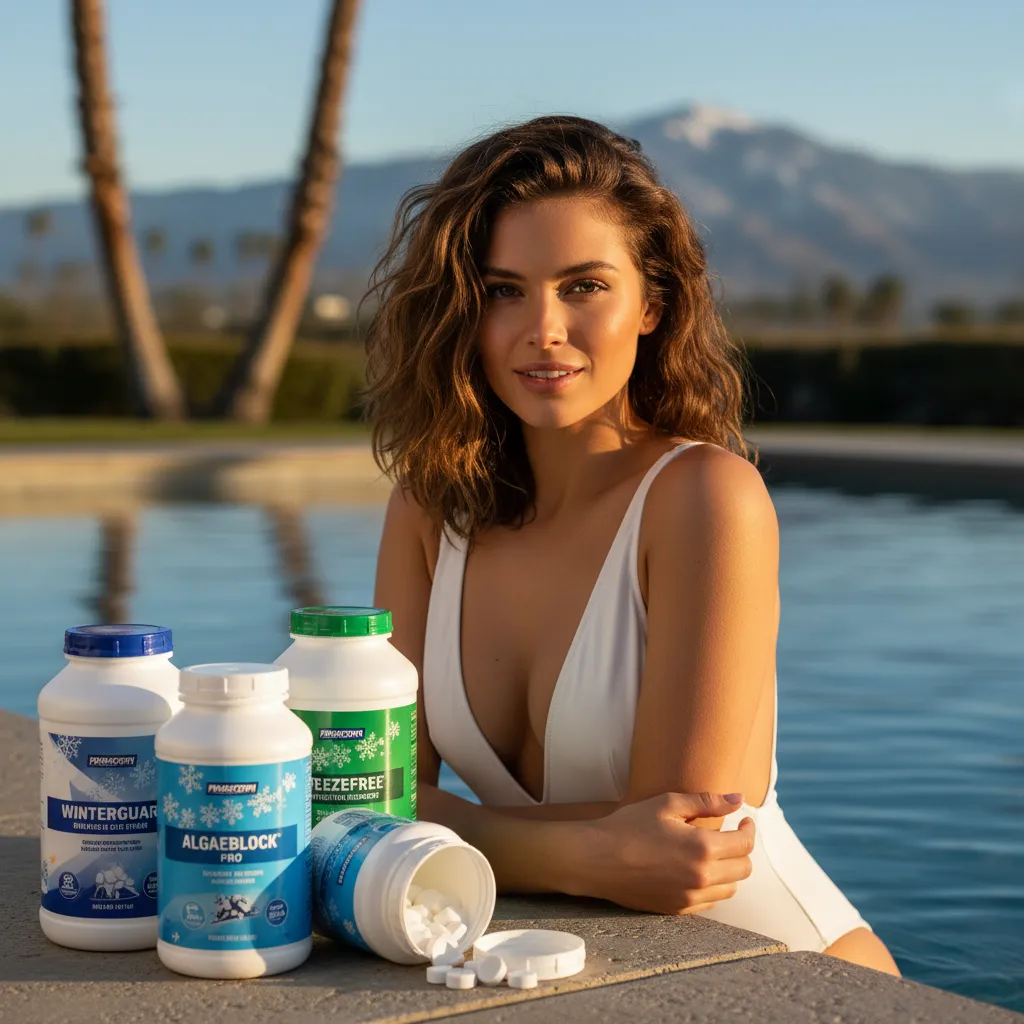
Crucial Winterizing Products
"The all-in-one solution for a guaranteed clear spring opening."
All-in-One Closing Chemical Kit
Winter demand is high - check stock

"The 'set & forget' option. This is the easiest winterizing I've ever done."
Simple 3-in-1 Winterizing Balls
Winter demand is high - check stock
"Invest once to protect your liner and prevent a swamp in the spring."
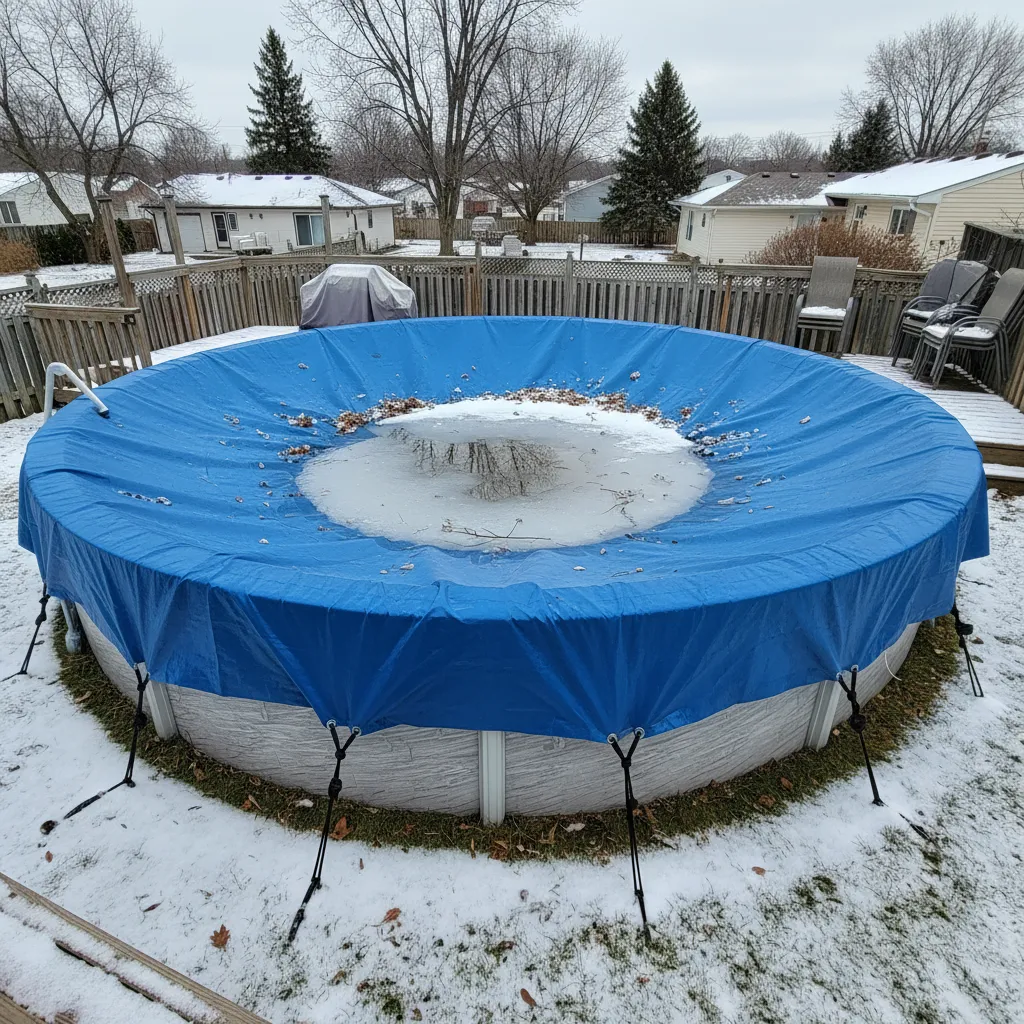
Heavy-Duty Winter Pool Cover
Winter demand is high - check stock
Definition and Purpose Of Pool Winterization Kits
Pool winterization kits typically include chlorine-free shock, algaecide, stain preventers, air pillows, plugs, and test strips. The primary purpose is to stabilize water chemistry, prevent ice damage, and block contaminants. For example, a basic winterize pool kit might contain 4 lbs of shock, a 32-ounce algaecide bottle, and a 12-pack of expansion plugs. High-end swimming pool winter care kits add specialty items like antifreeze for plumbing lines or mesh safety covers rated for snow loads up to 2,500 lbs.
Why Proper Pool Closure Matters
Skipping a winter pool closing kit risks cracked skimmers, ruptured pipes, or vinyl liner tears from ice expansion—repairs averaging $500-$2,000. Stagnant water left untreated breeds algae that can stain surfaces within weeks. Proper closure using a swimming pool winterizing kit maintains structural integrity while reducing spring startup costs by 30-40%. Kits eliminate guesswork with pre-measured chemicals matched to common pool sizes like 20,000 or 35,000 gallons.
With the basics covered, let’s break down exactly what goes into these protective bundles. The right combination of pool closing supplies ensures every component—from pumps to plaster—survives winter unscathed.
Key Components Of a Pool Closing Kit
Winterizing your pool requires precise tools and chemicals to prevent freezing, algae growth, and equipment damage. Pool closing kits bundle these necessities into one package, tailored to protect your investment during colder months. As winter approaches, it’s time to take action and prepare your pool for the season. Properly shutting down your pool in winter helps ensure it remains in great shape for next summer.
Essential Pool Closing Chemicals
Chemicals form the backbone of winter pool care. Properly balanced water prevents scale buildup, corrosion, and microbial growth until reopening. Ensuring the right chemical balance is crucial for a safe swimming environment. Regularly testing and adjusting pool chemicals keeps the water clear and healthy.
Winterizing Chemicals
Winterizing chemicals stabilize pH levels between 7.2–7.6 and include sequestering agents to bind metals like iron or copper. These prevent staining and cloudy water. For vinyl-lined pools, opt for phosphate removers to inhibit algae food sources.
Algaecide
Polyquat-based algaecides (30–60% concentration) offer long-lasting protection without foaming. Use 16–32 oz per 10,000 gallons, depending on regional temperatures. Budget $15–$30 per quart for premium formulas that last 3–5 months.
Shock Treatments
Chlorine or non-chlorine shock raises free chlorine to 10–12 ppm before closing, eliminating organic contaminants. For saltwater pools, use sodium hypochlorite (12.5% strength) to avoid damaging salt cells during dormancy. Choosing the right method for pool maintenance is important. Pool shock and chlorine serve different purposes in keeping the water clean and safe.
Pool Closing Equipment and Tools
Physical safeguards shield your pool from debris, ice expansion, and UV degradation. Missing one component risks costly spring repairs.
Pool Covers and Accessories
Mesh covers ($150–$600) block debris while allowing rainwater drainage. Solid covers ($300–$1,200) require pumps to prevent water pooling. Secure with cable ties and cover clips rated for 40–60 mph winds.
Plugs, Air Pillows, and Anti-Freeze
Threaded expansion plugs seal skimmers and return jets. Inflatable air pillows (48” size for 24’ round pools) prevent ice pressure on walls. Use RV-grade anti-freeze ($8–$12/gallon) in plumbing lines to resist freezing down to -50°F.
Cleaning Supplies and Collapsible Poles
Use telescopic poles (12–16’) with leaf rakes or brush heads for final vacuuming. Store them dry to prevent rust. Enzyme-based cleaners ($20–$40) break down oils before closing.
Types Of Pool Closing Kits for Different Pools
Not all pools share the same winter needs. Kits vary by construction, size, and local climate to ensure full protection.
Above-ground Pool Winterization Kits
Designed for softer liners and metal frames, these kits include extra air pillows (2–3 per kit) to counter ice heave. Chemical doses suit smaller volumes (5,000–15,000 gallons), with vinyl-safe algaecides.
In-ground Pool Closing Supplies
Kits for concrete or fiberglass pools feature heavy-duty plugs, 2–3 gallons of closing chemicals, and larger covers (18’x36’ or custom sizes). They often include blowout plugs for sand filters and Gizzmo skimmer guards.
Kits for Variable Pool Sizes (E.g., 35,000 Gallons)
Oversized pools need scaled-up chemical quantities. Look for bulk winterizers (4–6 lbs), 2–3 gallons of shock, and 64 oz algaecide. Covers must span entire surface areas—for 35k-gallon pools (16’x40’), select 18-mil reinforced vinyl with double-stitched seams. Proper maintenance is important to prevent issues. One common issue that arises is pool cover algae, which can thrive in damp conditions under the cover.
Once you’ve matched your pool type and size to the right kit, focus shifts to optimizing your selection process.
Also See: Are Pools Cheaper in the Winter? Save Big!
How to Choose the Right Pool Closing Kit
Selecting the correct pool winterization kit requires matching your pool’s specs with regional weather patterns. Let’s break down the factors that dictate which kit works best. As winter approaches, it’s important to think about how to protect your above-ground pool. Properly preparing your pool for winter will help ensure it stays in good shape until spring.
Factors to Consider
Pool Size and Volume
Kits are sized for specific water capacities. A 15,000-gallon above-ground pool needs fewer chemicals than a 35,000-gallon in-ground model. Check labels for gallon ranges—underestimating leads to inadequate protection, while overspending on excess chemicals wastes money. When choosing a pool size, it’s important to know its total gallons. A 24-foot above ground pool typically holds about 12,000 to 15,000 gallons, making it a manageable option for many backyard settings.
Climate and Freezing Risks
In freeze-prone zones (temperatures below 32°F), prioritize kits with RV-grade anti-freeze and air pillows. Mild climates may only require basic covers and algaecide. For example, kits sold in Florida often exclude winterizing plugs but include extra shock treatments for algae prevention.
Chemical Compatibility
Test existing water chemistry before adding winterizers. High calcium levels? Avoid kits with calcium hypochlorite shock—opt for sodium bisulfate-based formulas. Vinyl liners demand non-foaming algaecides, while concrete pools tolerate stronger formulas.
Budgeting for Pool Closing Products
Basic kits start at $50 (covers small above-ground pools), while premium bundles with safety covers and professional-grade chemicals reach $300+. Mid-range options ($120-$180) suit most residential pools. Allocate 10-15% of your budget for unexpected items like extra air pillows or sealant tape. The cost of pool chemicals can vary based on pool size and maintenance needs. It’s important to factor in these chemical costs when planning your overall pool budget.
Step-by-step Pool Closing Process Using a Kit
A systematic approach ensures your pool survives winter unscathed. Follow these steps to maximize your kit’s effectiveness.
Pre-closing Preparation
Balancing Water Chemistry
Adjust pH to 7.2-7.6 and alkalinity to 80-120 ppm. Stabilize chlorine at 1-3 ppm. Imbalanced water corrodes equipment or scales surfaces during hibernation.
Cleaning and Debris Removal
Vacuum the pool floor, scrub walls, and empty skimmer baskets. Remove leaves with a leaf rake—debris left behind stains surfaces and clogs covers.
Applying Pool Closing Chemicals
Shocking the Pool
Add 2x the normal chlorine shock dose (2 lbs per 10,000 gallons) to eliminate organic contaminants. For saltwater pools, non-chlorine shock prevents sodium buildup.
Adding Algaecide and Winterizers
Pour polyquat 60 algaecide (8-16 oz per 10,000 gallons) to inhibit growth. Follow with winterizing fluid to stabilize chlorine residuals. Circulate chemicals for 4-6 hours before shutting off the pump. Keeping your pool free from algae is essential for its maintenance. Using an algaecide suited for a 10,000-gallon pool helps ensure a clean and safe swimming experience.
Winterizing Equipment and Plumbing
Blowing Out Lines and Adding Anti-Freeze
Use an air compressor (25-50 PSI) to clear pipes of water. Insert winterizing plugs, then pour RV anti-freeze specifically designed for pools into skimmers and drains. Never use automotive anti-freeze—it’s toxic. Proper preparation is key for any outdoor water feature. Using RV antifreeze specifically designed for pools helps protect your investment.
Securing the Pool Cover
Install air pillows under the cover to prevent ice damage. Anchor mesh covers with water bags or cable ties; solid covers require springs and winches for tension. Leave no gaps for debris or critters.
Where to Buy Pool Closing Kits
Pool closing supplies are accessible through multiple channels, each with distinct perks.
Local Retailers Vs. Online Marketplaces
Stores like Leslie’s or Pinch A Penny offer hands-on advice and same-day pickup. Online retailers (Amazon, In The Swim) provide broader selections—compare prices for identical kits, which can vary by 20%. Check shipping fees for heavy items like covers.
Evaluating Quality and Value
Premium kits list NSF-certified chemicals and durable covers (12-16 mil thickness). Avoid generic brands with vague ingredient ratios. Read reviews mentioning rust-resistant plugs or tear-resistant sealants—these details indicate longevity.
Now that you’re equipped with selection and application strategies, let’s address common concerns about pool winterization kits.

Frequently Asked Questions (FAQs)
How Long Does It Take to Close a Pool Using a Kit?
Closing a pool typically takes 4–6 hours, depending on pool size and complexity. Tasks include balancing chemicals, cleaning, blowing out plumbing lines, and securing the cover. Larger pools (35,000+ gallons) or those in freezing climates may require additional time for anti-freeze applications and equipment winterization.
Can I Reuse a Pool Closing Kit for Multiple Seasons?
Chemicals in pool closing kits have expiration dates and should not be reused beyond one season. Tools like plugs, air pillows, and covers can be reused if undamaged. Always inspect reusable items for wear, cracks, or UV degradation before repurposing them. Pool chemicals need to be stored properly to maintain their effectiveness. It’s important to check if they have expired before using them.
What Should I Do if My Pool Cover Gets Damaged During Winter?
Patch small tears immediately with vinyl repair kits ($10–$20) to prevent debris entry. For large rips, replace the cover entirely. Reinforce edges with sandbags or water tubes to minimize wind stress, and ensure proper tension to avoid sagging.
Is It Necessary to Drain Water From the Pool Before Closing?
Only partially drain water—lower levels 4–6 inches below the skimmer to prevent freezing damage. Never empty the pool completely, as hydrostatic pressure can cause structural shifts in in-ground pools or liner wrinkles in above-ground models. Maintaining the right water level also helps keep the skimmer functional. Proper drainage below the skimmer ensures that the pool system works efficiently during the off-season.
How Do I Store Leftover Chemicals From the Kit?
Store unopened chemicals in a cool, dry place away from sunlight. Keep liquids above freezing temperatures to prevent separation. Dispose of expired or opened chemicals per local regulations, as some products degrade and lose effectiveness after 12 months.
What Are the Signs That My Pool Wasn’t Properly Closed?
Common red flags include green algae blooms, stained surfaces, cracked skimmers, or collapsed covers. Ice damage may manifest as split plumbing lines or bulging pool walls. Address issues promptly during spring opening to avoid costly repairs.
Can I Close My Pool Without a Kit, and What Are the Risks?
Yes, but DIY closures risk improper chemical dosing, missing critical components (e.g., anti-freeze), or using incompatible products. This can lead to equipment corrosion, algae infestations, or ice-related structural damage. Kits streamline the process with pre-measured supplies tailored to your pool type.
Final Thoughts
Properly winterizing your pool with a pool closing kit protects your investment and ensures a smooth reopening next season. The right combination of chemicals, equipment, and techniques prevents freezing damage, algae growth, and costly repairs.
Always match your kit to your pool size, type, and local climate. Above-ground pools need different care than in-ground pools, and colder regions require more robust winterization. Budget around $50–$150 for a quality kit, depending on pool volume and included accessories.
For precise chemical dosing or calculating pool volume, visit My Pool Calculator. Our tools help simplify pool maintenance year-round. A well-executed closing today means less work—and clearer water—when summer returns.
Useful References for You:
- Tamminen, T. (2019). The Complete Pool Manual for Homeowners: A Step-by-Step Maintenance Guide. New York, NY: Skyhorse Publishing.
- Winterizing Closing Kit for Chlorinated, Pool Frog or Saltwater Pools up to 25,000 Gallons
- r/pools on Reddit: Pool closing kit
- Pool Closing Chemicals, Pool Winterizing Kits, Pool Covers & Pumps – American Sale
- Amazon.com : In The Swim Pool Closing Kit – Winterizing Chemicals for Above Ground and In-Ground Pools – Up to 15,000 Gallons : Pool Covers : Patio, Lawn & Garden
A pool care geek who’s been testing water chemistry since she was tall enough to reach the skimmer.
Seasonal Care, Winterizing