DE Filter for Above Ground Pool: A Comprehensive Guide to Selection, Use, and Care
Published on: March 15, 2026 | Last Updated: November 17, 2025
Written By: Marcus Thornfield
A DE filter for an above ground pool uses diatomaceous earth (DE), a fine powder made from fossilized algae, to trap debris as small as 3-5 microns. Unlike sand or cartridge filters, DE filters coat grids with this powder, creating a microscopic sieve that captures particles more effectively. These systems are known for superior water clarity, efficient algae removal, and long-term savings despite higher upfront costs. Proper installation and regular maintenance, such as backwashing and adding fresh DE powder, ensure compatibility with most above ground pool pumps and heaters.
This guide breaks down how DE filtration works and why it outperforms other options. You’ll learn the science behind DE’s particle-trapping power and compare key features of DE, sand, and cartridge filters. We’ll also explore how factors like pool size, usage frequency, and local climate impact filter performance.
We’ll walk through selecting the right size DE filter for your pool’s gallon capacity, installing it step-by-step, and maintaining peak performance. Troubleshooting tips for common issues like powder leaks or cloudy water, plus a detailed cost breakdown, help you make informed decisions. By the end, you’ll know how to extend your filter’s lifespan and keep your pool water pristine all season.
What is a DE Filter and How Does It Work?
Diatomaceous earth (DE) filters stand out in pool care for their unmatched precision. Built to capture particles as tiny as 2-5 microns—four times smaller than human hair—these systems rely on fossilized phytoplankton called diatoms. Their skeletal remains form porous, jagged structures that act like microscopic sieves, setting DE filters apart from standard options.
Crucial Winterizing Products
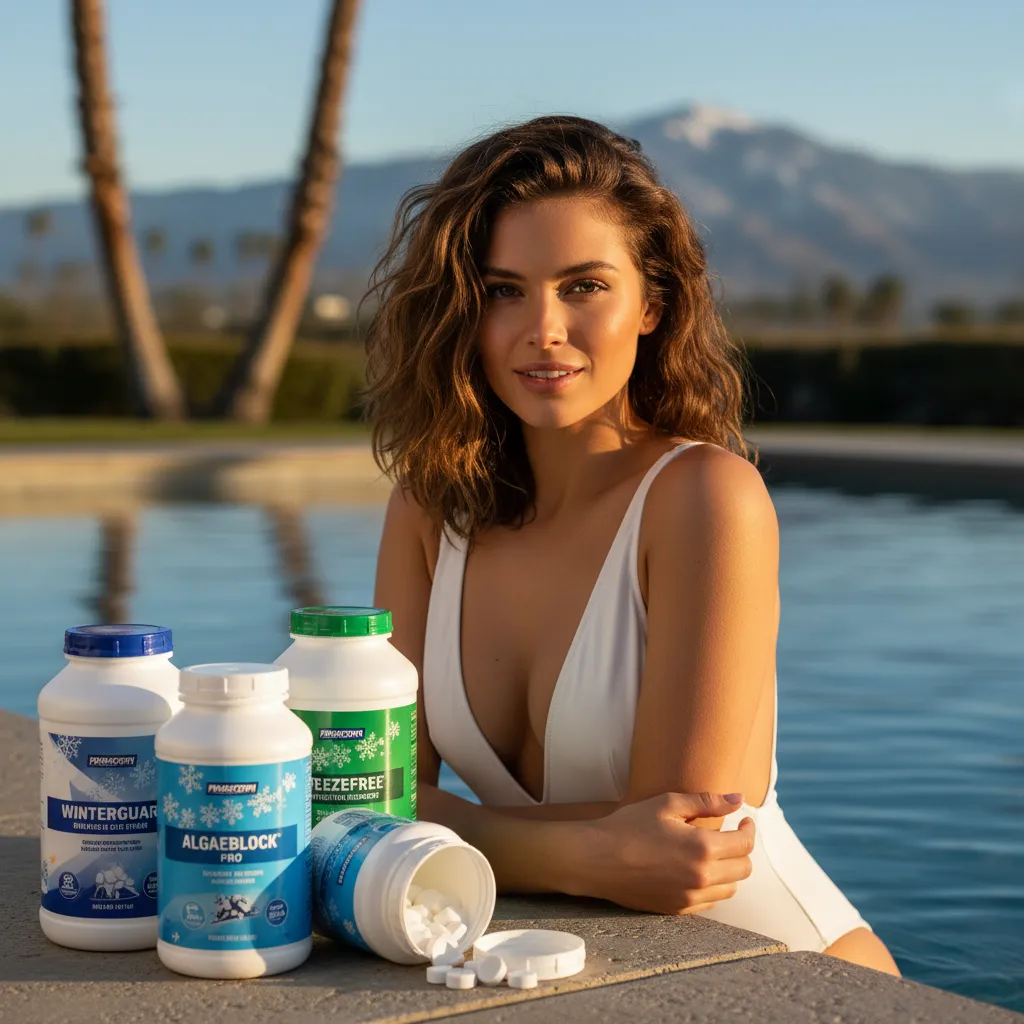
"The all-in-one solution for a guaranteed clear spring opening."
All-in-One Closing Chemical Kit
Winter demand is high - check stock

"The 'set & forget' option. This is the easiest winterizing I've ever done."
Simple 3-in-1 Winterizing Balls
Winter demand is high - check stock
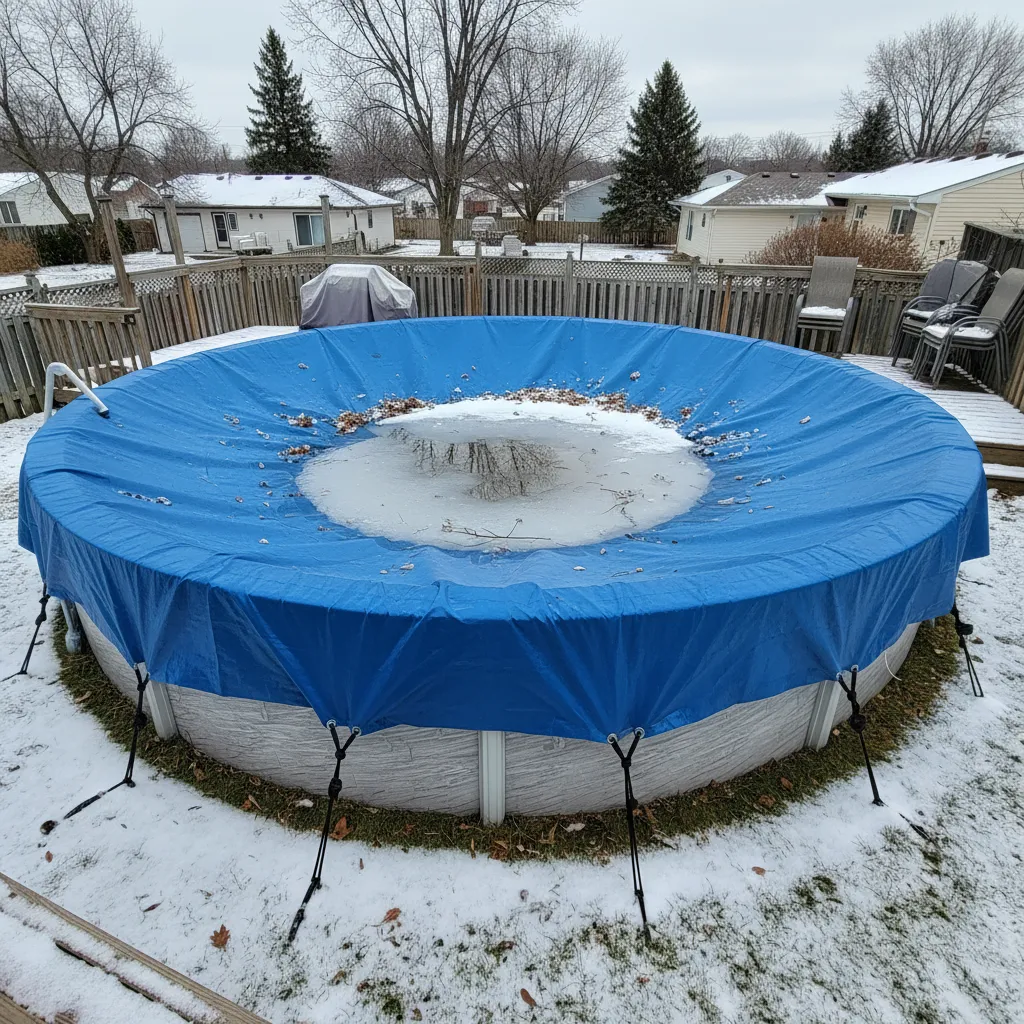
"Invest once to protect your liner and prevent a swamp in the spring."
Heavy-Duty Winter Pool Cover
Winter demand is high - check stock
Understanding Diatomaceous Earth Filtration
DE powder originates from ancient seabeds where diatoms accumulated over millennia. Processed into fine, white dust, this substance becomes the backbone of filtration. When introduced into the filter, it coats grids or fingers inside the tank, forming a dynamic layer that physically traps debris. Unlike sand or cellulose, DE’s irregular particle shapes create winding paths for water, snagging even sub-visible contaminants like sunscreen residues or microscopic plant spores.
The Mechanics Of DE Filtration in Above Ground Pools
In above ground pools, DE filters operate under similar principles to in-ground systems but prioritize compact designs. Water enters the tank under pressure, pushing through the DE-coated grids. Clean liquid flows back into the pool, while debris remains lodged in the powder. Most models for above ground pools handle flow rates between 40-60 gallons per minute, balancing efficiency with the smaller volume of these setups.
Role of DE Powder in Trapping Microscopic Particles
The DE layer’s porosity determines filtration success. Without it, grids alone capture only larger debris like leaves or insects. Once coated, the powder’s jagged edges create a maze-like barrier. Particles as small as 2 microns—think fine silt or chlorine-resistant pathogens—get trapped. This process reduces reliance on chemical sanitizers by up to 25%, per studies by the National Swimming Pool Foundation. Replenishing DE after backwashing maintains this protective layer, ensuring consistent performance.
Grasping how DE interacts with your pool’s circulation system sets the stage for optimizing its benefits. Next, we’ll break down why this method outperforms other options for keeping water pristine.
Key Benefits Of Using a DE Filter for Above Ground Pools
DE filters stand out for their power to keep above ground pools spotless with less work. Built to handle the needs of backyard setups, these systems blend top-tier performance with ease of use. Keeping your pool clean is just one part of maintaining a great swimming environment. Liquid solar covers can help further by reducing heat loss and keeping your pool warmer.
Superior Filtration Capabilities
A DE filter for above ground pool setups traps dirt as small as 5 microns—three times finer than sand filters. The secret lies in diatomaceous earth (DE), a chalky powder made from fossilized algae. When DE coats the filter grids, it forms a mesh that stops even tiny specks like pollen or silt. This means fewer particles slip back into your water. As pool owners look for effective filtration options, DE filters gain popularity due to their efficiency. Starting a salt pool provides a great alternative, combining easier maintenance with less chemical use.
Effective Removal Of Fine Particles and Algae
DE doesn’t just catch dirt; it blocks algae spores before they bloom. Unlike sand or cartridge filters, DE powder clings to oils and lotions, keeping water clear without extra chemicals. Tests show DE systems remove 99% of debris after a single cycle, making them a go-to for pools near trees or high-use areas.
Long-term Cost Efficiency and Durability
While DE filters cost $50-$150 more upfront than sand models, they save cash over time. A 24-square-foot DE unit lasts 7-10 years with care, outliving most cartridges. DE powder runs $20-$40 per season, and since you only add fresh powder after backwashing (about 1-2 lbs), yearly costs stay low. Less frequent pump runs also cut power bills by 15-20%.
DE Filters Vs. Other Pool Filter Types
Picking the right filter hinges on your pool’s size, use, and upkeep limits. Let’s break down how DE stacks up.
DE Vs. Sand Filters: Performance and Maintenance Compared
Sand filters, priced $100-$300, work for basic needs but miss debris under 20 microns. They need weekly backwashing, wasting 200-300 gallons each cycle. DE filters clean finer muck and backwash half as often, saving water and time. But DE requires adding fresh powder post-backwash—a 5-minute task that keeps filtration sharp. For those looking for effective filtration, all-purpose sand pool filters can be a reliable option. They balance ease of use with solid performance, making them ideal for many pool owners.
DE Vs. Cartridge Filters: Which is Right for Your Pool?
Cartridge filters (cost: $150-$400) suit small pools with light use. They skip backwashing but need hosing every 2-4 weeks and full swaps every 2-3 years. DE models shine for pools over 15,000 gallons or those near dust, pollen, or heavy swimmer loads. While both filter 5-micron debris, DE handles higher pressure without clogging fast. For larger or heavily used pools, keeping the filter clean is essential for optimal performance. A backflush of the pool filter helps remove contaminants and ensures clear water.
Ready to find the right DE filter size for your space? Let’s break down what specs matter most.
Also See: How a Backwash Sand Filter Works for Your Pool
How to Choose the Right DE Filter for Your Above Ground Pool
Pick a DE filter that fits your pool size and needs. Let’s break down key factors.
Sizing for Best Work
Match filter size to pool water. A 24 sq ft DE filter works for pools up to 15,000 gal. Bigger pools (20,000+ gal) need 36+ sq ft. Check your pump’s flow rate – most DE filters handle 40-60 gal per min (GPM). A 1.5 HP pump pairs well with 24-36 sq ft filters. When considering a stock tank pool, size also plays a key role. Choosing the right size can enhance your enjoyment and maintenance of the pool.
| Pool Size | Filter Size | DE Powder Needed |
|---|---|---|
| 12′ round | 18 sq ft | 4.5 lbs |
| 18′ round | 24 sq ft | 6 lbs |
| 24′ round | 36 sq ft | 9 lbs |
Care Needs and Costs
DE filters cost $500-$900 upfront – more than sand but last 7-10 years with care. Plan for DE powder ($20 per 25 lb bag) and grid swaps every 3-5 years ($80-$150). Backwash every 2-4 weeks, using 10% more water than sand filters. Pick models with clear pressure gauges and easy-open lids for simpler upkeep. Similarly, backwash sand filters also require regular maintenance but offer a different filtration method. They are known for being easier to maintain and can effectively filter out larger debris from pool water.
Step-by-step Guide to Set Up DE Filters
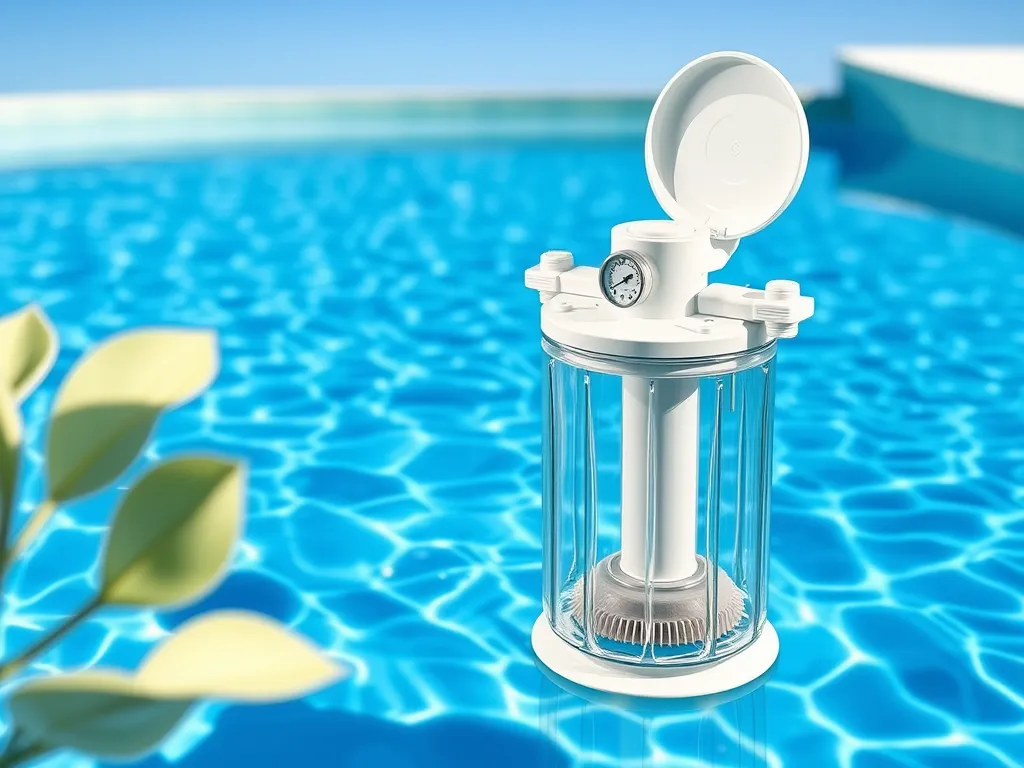
Putting in a DE filter takes 1-2 hours. Gather tools first.
Gear and Prep Work
You’ll need: Teflon tape, hose clamps, screwdriver, DE powder. Shut off power to the pump. Place the filter on flat ground near the pump – leave 2 ft space for hoses. Check all O-rings for cracks before setup.
Link to Pool System
Connect hoses: pump output → filter input, filter output → pool return. Wrap threads with Teflon tape to stop leaks. Hand-tighten clamps, then give a quarter-turn with a wrench. Prime the pump, add DE powder through the skimmer (6 lbs for 24 sq ft). Turn on system – pressure should read 8-10 PSI. Once your pool system is set up, it’s time to think about lighting. Installing pool lights can enhance the beauty and safety of your pool area.
Must-do Care Steps for DE Filters
Keep your DE filter running smooth with these steps.
When to Add DE Powder
Add new DE after each backwash – use 80% of the first dose. If pressure stays high after backwash, swap all powder. Most pools need 1-2 lbs of DE per 10 sq ft every 4-6 weeks in swim season.
Backwash How-to
Turn off pump. Set valve to BACKWASH. Restart pump – run for 2-3 mins until sight glass clears. Switch to RINSE for 30 secs. Return to FILTER mode. Add fresh DE through the skimmer. Never backwash into gardens – DE can harm plants.
Cold Months Care
Drain all water from filter tank. Take out grids and hose off DE. Store grids in a dry spot. Use pool antifreeze in pipes if temps drop below freezing. When reopening, soak grids in TSP cleaner overnight before new DE load.
Even with good care, DE filters can face issues. Let’s tackle common problems next.
Troubleshooting Common DE Filter Issues
Even the most reliable DE filter for above ground pool systems can face operational hiccups. Spotting and resolving these early keeps water clarity intact and extends equipment life.
Addressing Low Pressure or Poor Filtration
A pressure gauge reading below 5 PSI or murky water signals trouble. Check for clogged grids coated with excess DE powder or debris. Shut off the pump, disassemble the filter tank, and hose grids at 45° angles to avoid damage. Verify the pump’s flow rate matches the filter’s capacity (e.g., a 24 sq.ft. DE filter needs 40-60 GPM). Mismatched components strain the system, reducing suction power.
Resolving DE Powder Leaks or Cloudy Water
Fine white powder settling on pool floors or hazy water often points to torn grid fabric or a cracked manifold. Inspect seams and connections during backwashing cycles. For minor leaks, replace the filter’s O-ring or apply silicone lubricant to seal gaps. Cloudiness after adding diatomaceous earth? Measure carefully: 1 cup of DE per 10 sq.ft. of filter area. Overloading leads to blowback, while undercharging fails to coat grids properly.
Cost Analysis: DE Filters Compared to Alternatives
While DE filters for above ground pools demand more upfront investment, their operational efficiency often outweighs initial costs. Let’s break down the numbers. When considering pool maintenance, it’s important to look at all expenses involved. This includes not just the filter, but also options like pool chillers and their costs.
Initial Investment Vs. Long-term Savings
A 36 sq.ft. above ground pool DE filter costs $500-$900, versus $300-$600 for sand or cartridge models. But DE systems last 8-12 years with proper care—double the lifespan of many alternatives. Annual maintenance for DE runs $40-$60 (primarily powder), while cartridge replacements average $100-$150 yearly. Sand filters require new media every 5 years ($50-$80) but struggle to match DE’s 3-5 micron filtration, reducing chemical costs by 15-20%. The benefits of a DE filter make it a popular choice for above ground pools. With its efficient filtration, it ensures cleaner water and a more enjoyable swimming experience.
DE Powder Costs and Frequency Of Replacement
A 25-lb bag of pool filter DE (diatomaceous earth) costs $20-$30 and lasts a full season for most 18-24 ft pools. Each backwash requires 1-2 cups of fresh powder—roughly $0.50-$1 per cycle. Compare this to cartridge filters needing $80-$120 replacements annually or sand filters using 300-400 lbs of sand every 5 years ($50-$70 with labor). DE’s precision filtration also lowers algaecide use by 30%, adding to long-term savings. For larger pools, like a 10,000-gallon pool, the benefits of using DE become even more significant. Keeping costs low and water quality high is essential for maintaining a pool of that size.
With operational insights clarified, let’s explore the most common questions pool owners have about optimizing DE filtration for above ground pools.
Frequently Asked Questions About DE Filters
Is Diatomaceous Earth Safe for Swimmers and Pets Around the Pool?
Food-grade DE powder is non-toxic when properly contained in the filter. However, direct inhalation during application can irritate lungs—always wear a mask when handling dry powder. Once coated on filter grids, it poses no risk to swimmers or pets.
Can DE Filters Be Used With Saltwater Above Ground Pool Systems?
Yes. DE filters are fully compatible with saltwater pools. The corrosion-resistant materials in modern DE systems withstand saltwater exposure, though regular inspections of metal components are recommended to prevent degradation. This compatibility raises questions about the overall sanitation of saltwater pools. Many people wonder if the saltwater used in these pools is as clean and safe as traditional chlorinated water.
What Should I Do if DE Powder Accidentally Enters the Pool Water?
If DE backflows into the pool, vacuum to waste immediately. Check for torn grid fabric or a damaged manifold. Balance pH and chlorine levels afterward, as excess DE can temporarily cloud water and alter chemical efficiency. Maintaining proper water chemistry is essential for healthy pool maintenance. Additionally, using baking soda can help manage phosphates in the pool, ensuring clearer water and a more enjoyable swimming experience.
Are There Biodegradable Alternatives to Traditional DE Powder?
Cellulose fiber substitutes exist but capture particles only down to 10-15 microns—less effective than DE’s 3-5 micron filtration. These plant-based options work for eco-conscious owners willing to sacrifice some clarity for sustainability.
How Does a DE Filter Affect Pool Ph Levels?
DE itself is pH-neutral, but the filtration process can indirectly raise pH by reducing organic contaminants that normally acidify water. Test pH weekly and adjust with muriatic acid as needed, particularly during initial filter use.
Can DE Filters Handle Heavy Debris Like Leaves Without Clogging?
While DE excels at fine particles, large debris should be removed with a skimmer or pre-filter basket first. Persistent leaf accumulation can compress the DE coating, reducing flow rates by up to 40%. Pair with robotic cleaners for optimal results.
Final Thoughts on Maximizing Your DE Filter’s Performance
DE filters offer unmatched filtration for above ground pools, capturing particles as small as 2-5 microns—far finer than sand or cartridge alternatives. Their efficiency reduces chemical use and extends swim season clarity with proper care. Regular backwashing, timely DE powder replenishment (typically 1-2 lbs per 10 sq ft of filter area), and seasonal maintenance keep performance peak.
While upfront costs range $400-$1,200 depending on size, long-term savings shine through reduced water waste and energy efficiency. Pair your DE filter with a variable-speed pump to cut operational costs by up to 30%.
For precise calculations on DE powder dosing, flow rates, or filter sizing, explore My Pool Calculator. Our tools simplify pool maintenance, ensuring your DE system operates at maximum effectiveness season after season.