The Complete Guide to Chlorine Tablets for Pool Care
Published on: March 4, 2026 | Last Updated: November 17, 2025
Written By: Rachael Weatherbottom
Chlorine tablets are compressed chemical discs designed to sanitize swimming pools by killing bacteria, algae, and contaminants. Unlike liquid chlorine or granular shock, these slow-dissolving tablets contain trichloro-s-triazinetrione (a stabilized chlorine compound) or calcium hypochlorite, releasing chlorine gradually over 3-7 days. Most tablets include cyanuric acid, a stabilizer shielding chlorine from UV degradation. Proper use requires balancing water pH (7.2-7.8), placing tablets in floating dispensers or automatic feeders, and calculating dosage based on pool volume (1 tablet per 5,000 gallons weekly for 3-inch variants). Always wear gloves when handling to prevent skin irritation.
This guide breaks down everything from tablet chemistry to cost-saving strategies. Learn why 3-inch tablets dominate inground pools while 1-inch versions suit smaller spas, how stabilizers impact long-term water quality, and why hot tub tablets differ in composition. We compare top brands like Clorox Pool&Spa and In The Swim, analyzing price points ($80-$120 for 50-lb buckets) and dissolution rates.
You’ll get actionable steps to avoid common errors: why dropping tablets directly into skimmers risks equipment corrosion, how overuse spikes cyanuric acid beyond 100 ppm, and why storing tablets in sealed containers prevents dangerous chemical reactions. We answer critical safety questions and provide a maintenance checklist to keep your pool crystal clear all season.
What Are Chlorine Tablets?
Chlorine tablets are compact, slow-dissolving chemical products designed to sanitize pool water by eliminating bacteria, algae, and organic contaminants. These tablets simplify pool maintenance by delivering a steady supply of chlorine, reducing the need for daily manual dosing. One important aspect of pool maintenance is keeping an eye on the salt levels. Regularly checking the salt level in your pool ensures that the chlorine generated by the saltwater system is effective and the water remains safe and clean.
Crucial Winterizing Products
"The all-in-one solution for a guaranteed clear spring opening."
All-in-One Closing Chemical Kit
Winter demand is high - check stock

"The 'set & forget' option. This is the easiest winterizing I've ever done."
Simple 3-in-1 Winterizing Balls
Winter demand is high - check stock
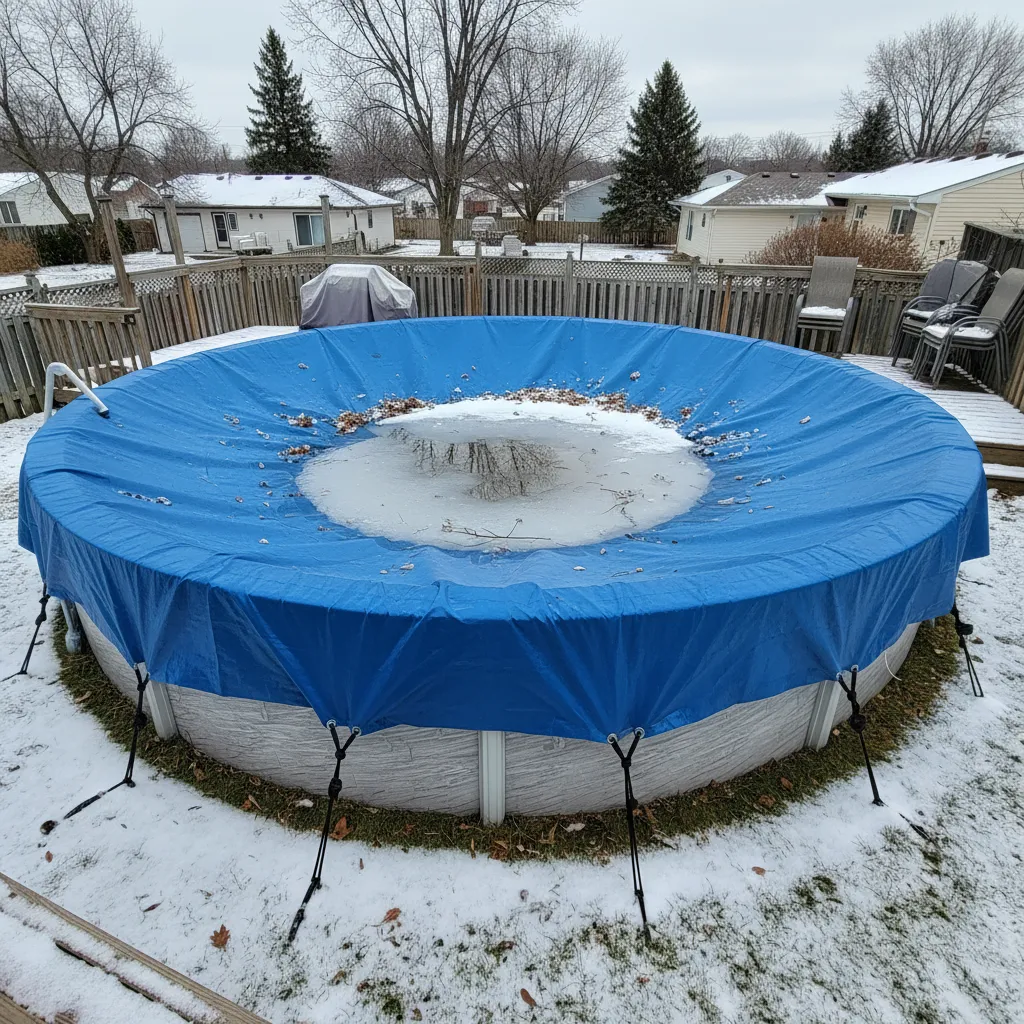
"Invest once to protect your liner and prevent a swamp in the spring."
Heavy-Duty Winter Pool Cover
Winter demand is high - check stock
Definition and Primary Purpose in Pool Maintenance
Pool chlorine tablets contain concentrated chlorine compounds that dissolve gradually in water. Their primary role is to maintain a residual chlorine level of 1–3 ppm (parts per million), which meets CDC guidelines for safe swimming. Unlike liquid chlorine, which requires frequent application, tablets provide sustained protection for 3–7 days depending on water temperature and circulation.
Key Components in Chlorine Pool Tablets
Most chlorine tablets for swimming pools use trichloro-s-triazinetrione (trichlor), a stabilized compound containing 90% available chlorine. Trichlor includes cyanuric acid (CYA), a stabilizer that shields chlorine from UV degradation, extending its effectiveness. Some variants, like dichlor (sodium dichloro-s-triazinetrione), dissolve faster and contain less CYA, making them suitable for spas or smaller pools.
- Trichlor (90% chlorine): Standard for inground pools due to slow dissolution (5–7 days per 3-inch tablet).
- Cyanuric acid (20–50% per tablet): Prevents chlorine loss from sunlight but requires monitoring to avoid over-stabilization (CYA levels above 100 ppm reduce efficacy).
- Additives: Brands like AquaChem chlorine tablets may include algaecides (e.g., polyquat 60) or clarifiers to enhance performance.
Knowing the composition of chlorine pool tablets helps users select the right product for their pool type and climate. Next, let’s examine the different tablet sizes and formulations tailored for specific applications.
Types Of Pool Chlorine Tablets
Not all chlorine tablets work identically. Variations in size, composition, and application dictate which product suits your pool or spa. Familiarity with options allows owners to match tablet traits to specific sanitation goals and equipment compatibility. When managing a pool, it’s also important to consider how chlorine affects other living organisms. Choosing the right products can help effectively kill tadpoles and maintain a healthy swimming environment.
3-inch Vs 1-inch Chlorine Tablets
Diameter impacts both dissolution speed and usage scope. Three-inch pool chlorine tablets (weighing 8 oz each) dissolve slowly, lasting 5-7 days in a skimmer or floating dispenser. Built for larger bodies of water (15,000+ gallons), they cut labor by sustaining chlorine levels without daily adjustments. One-inch variants (1.5 oz) dissolve within 2-3 days, fitting small above-ground pools (5,000-10,000 gallons) or spas needing frequent dosage tweaks.
Stabilized Vs Unstabilized Chlorine Tablets
Stabilized pool chlorine tablets contain cyanuric acid (CYA), a UV shield that slows chlorine loss from sunlight. Outdoor pools require this additive to maintain 30-50 ppm CYA levels, preventing rapid chlorine degradation. Unstabilized tablets lack CYA, making them ideal for indoor pools or situations where existing stabilizer levels run high. Using stabilized variants in covered pools risks over-stabilization, which can render chlorine inactive.
Specialized Variants: Hot Tub Tablets and Spa Chlorine Tablets
Hot tub tablets differ from standard pool chlorine tablets in size and concentration. Most spa chlorine tablets measure 0.5-1 inch and contain 50-60% available chlorine (vs 90% in pool tablets) to avoid over-sanitizing smaller water volumes. Brands like AquaChem chlorine tablets offer spa-specific formulas with buffers to protect acrylic surfaces. Using pool chlorine tablets in hot tubs risks corrosion and pH spikes due to higher trichloro content.
Advantages Of Using Chlorine Tablets for Swimming Pools
Tablets simplify pool upkeep through predictable performance and minimal manual intervention. Their design targets common pain points in pool care, balancing power with practicality.
Consistent Chlorine Release
Slow dissolution (3-7 days depending on tablet size) maintains 1-3 ppm chlorine levels without spikes or crashes. This contrasts with liquid chlorine, which requires daily dosing and can cause rapid concentration swings. For busy owners, tablets automate sanitation, cutting testing frequency by up to 50%.
Ease Of Use With Floating Dispensers
Floating dispensers ($15-$30) let tablets dissolve passively while moving around the pool. Users adjust vent slots to control chlorine output, aligning with factors like bather load or rainfall. Automatic feeders ($100-$250) plumbed into filtration systems offer hands-free dosing, ideal for inground pools with variable usage patterns.
Cost-effectiveness Over Time
While upfront costs for chlorine pool tablets surpass liquid chlorine ($150 for a 50lb bucket vs $4 per gallon), tablets last 2-3x longer. A 50lb bucket treats a 20,000-gallon pool for 6-8 months, averaging $0.10 per day. Liquid chlorine demands weekly purchases, averaging $0.35 daily. Tablets also reduce labor: 10 minutes weekly vs 30 minutes with liquid. Keeping your pool in top shape is important for its longevity, and that includes having a durable liner. Choosing the thickest pool liner can provide extra protection against wear and tear, ensuring your investment lasts for years.
With your tablet choice solidified, focus shifts to application. Proper placement and dosage turn chemical potential into pristine water.
Also See: Can You Put Water Softener Salt in a Pool? Find Out!
How to Use Chlorine Tablets Properly
Proper use of pool chlorine tablets keeps water clean and safe. Follow steps to avoid issues like skin burn or weak sanitizing.
Step 1: Balance Pool Water Chemistry
Test water before adding chlorine tablets. Aim for pH 7.4-7.6, alkalinity 80-120 ppm, and cyanuric acid (CYA) 30-50 ppm. Low pH eats tablets fast. High pH cuts chlorine power. Use test strips or a kit to check levels weekly.
Step 2: Select Appropriate Tablet Type (Pool Vs Hot Tub Tablets)
Use 3-inch chlorine tablets for pools. Hot tub tablets are smaller (1-inch) and made for warmer water. Spa chlorine tablets often lack stabilizers to stop CYA buildup in tight spaces. Wrong types cause poor cleaning or gear harm. Adding a hot tub pool can enhance your outdoor space. It offers relaxation and fun for guests and family alike.
Step 3: Install in Dispenser or Skimmer
Place tablets in a floater or skimmer basket. Never drop them straight into the pool—they can bleach surfaces. For skimmer use, run the pump daily to stop strong chlorine from harming pipes. Keep floaters away from walls to prevent stains.
Step 4: Calculate Correct Dosage for Above Ground/inground Pools
Add 2-3 tablets per 10,000 gallons weekly. Above ground pools may need fewer due to size. Check chlorine levels stay at 1-3 ppm. Over 5 ppm risks eye and skin pain. Adjust based on heat, rain, or swimmer load. To keep the pool water balanced, it’s also important to manage the pH levels. Using a muriatic acid pool calculator can help determine the right amount of muriatic acid needed for your specific pool size.
Chlorine Tablets Vs Liquid Chlorine
Both kill germs but work in different ways. Pick based on cost, time, and pool needs.
Cost Comparison: Is It Cheaper to Use Liquid Chlorine or Tablets?
Liquid chlorine costs $3-$5 per gallon but needs daily doses. Chlorine tablets for pool use run $4-$6 per pound but last longer. For a 20,000-gallon pool, tablets cost $20/month vs $45 for liquid. Tablets save time but add stabilizer (CYA) over years. Keeping a pool clean isn’t just about chlorine. Using a phosphate remover can help prevent algae growth and maintain water clarity.
Long-term Maintenance Considerations
High CYA from tablets can force partial water drains every 2-3 years. Liquid avoids this but lacks stabilizer. Use liquid in summer for heavy use, tablets for steady care. Mix both for quick fixes without CYA spikes.
How Long Do Chlorine Tablets Last?
Tablet life depends on how fast they melt. Track to keep levels steady.
Average Dissolution Time for 3-inch Pool Chlorine Tablets
One 3-inch chlorine tablet lasts 5-7 days in 10k gallons. Hot weather speeds melt time to 3-4 days. Check floaters every 2 days to refill.
Factors Affecting Longevity: Pool Size, Temperature, and Circulation
Big pools (30k+ gallons) eat tablets faster. Water over 85°F doubles melt rates. Poor flow traps chlorine in one spot, unevenly cleaning. Run pumps 8-12 hours daily for even spread.
Even with good care, errors can hurt your pool. Next, learn common slip-ups to dodge.
Common Mistakes With Pool Tablets
Pool chlorine tablets simplify maintenance but demand precision. Missteps lead to equipment damage, unsafe water, or wasted resources. Recognize these errors before they disrupt your pool care routine. Choosing the right pool liner also requires careful consideration. A well-informed decision ensures your pool remains safe and inviting.
Overuse Consequences: What Happens if You Add Too Many?
Exceeding recommended doses of chlorine tablets for pool systems creates a toxic environment. High chlorine levels above 5 ppm cause skin irritation, faded swimwear, and corroded ladder fittings. Over-sanitization strips protective oils from vinyl liners, leading to brittleness and cracks. Excess cyanuric acid (CYA) from stabilized tablets accumulates, causing “chlorine lock” where sanitizer becomes ineffective even at 10 ppm readings. Balancing chlorine and cyanuric acid is essential for effective sanitation. Proper levels ensure that chlorine works efficiently while protecting it from the sun’s harmful effects.
Improper Storage Risks
Leaving chlorine pool tablets in damp areas triggers hazardous reactions. Moisture activates slow decomposition, releasing chlorine gas that weakens plastic storage bins or corrodes garage shelving. Mixed with lawn fertilizers or acid-based cleaners, tablets create toxic fumes. A 10 lb container stored at 85°F loses 12% potency within six months compared to 4% loss at 70°F in dry conditions. Proper storage is essential for safety. Keeping pool chemicals outside requires careful planning to avoid risks related to weather and temperature.
Using Hot Tub Tablets in Swimming Pools
Hot tub tablets contain 50-60% dichlor versus 90% trichlor in standard pool chlorine tablets. The smaller 1-inch spa variants dissolve 3x faster, spiking chlorine to 8-10 ppm in 10,000-gallon pools within hours. Dichlor adds 9 ppm CYA per 10 ppm chlorine—twice the rate of trichlor—accelerating sanitizer inefficiency. Pool owners report vinyl liner bleaching and pump seal degradation when using spa chlorine tablets long-term. When considering safe and effective options for your hot tub, it’s important to choose the appropriate chlorine for both pools and hot tubs. Using the appropriate chlorine for both pools and hot tubs ensures clear water and prolongs equipment life.
Safety and Storage Guidelines
Chlorine pool tablets require strict protocols to maintain efficacy and prevent accidents. Follow these evidence-based practices for risk-free handling.
Handling Chlorine Pool Tablets Safely
Always wear nitrile gloves when placing tablets into floating dispensers or skimmer baskets. Trichlor’s 2.8 pH can chemically burn skin on contact. Store opened containers 15 feet away from pool edges to prevent accidental drops into water—undissolved chunks bleach concrete decks within 48 hours. Never crush tablets; powder form releases chlorine gas when mixed with algaecides containing quaternary ammonium compounds.
Ideal Storage Conditions for Unused Tablets
Keep chlorine tablets for swimming pool use in original buckets with tight-sealing lids. Maintain storage areas between 50-75°F—temperatures above 90°F cause tablets to crumble, while freezing expands moisture inside the chlorine matrix. Use plastic shelving instead of metal racks; trichlor’s corrosive vapors rust steel supports within six months. Rotate stock using the “first in, first out” method—tablets older than 18 months lose 25-40% dissolution control. To maintain optimal water quality, it’s important to manage alkalinity levels. Borax can be an effective way to lower alkalinity in your pool water.
Proper chlorine tablet management ensures clean water without compromising safety. Next, we’ll address frequent questions about tablet costs, skimmer placement, and swim-ready wait times.
Chlorine Tablet FAQs
Can Chlorine Tablets Expire, and How Can You Tell?
Yes, chlorine tablets degrade over time, especially when exposed to moisture or extreme temperatures. Signs include crumbling texture, irregular dissolution patterns, or weakened sanitizing power. Store tablets in airtight containers below 75°F to maintain efficacy for 18-24 months.
Are Chlorine Tablets Safe for Vinyl-lined Pools?
When used correctly, chlorine tablets are safe for vinyl-lined pools. Avoid direct contact with the liner (use dispensers) and maintain pH 7.2-7.6 to prevent acidity from trichlor from weakening the material. Overuse can bleach or stiffen vinyl. Proper maintenance of chlorine levels helps keep the pool water clean and safe. This is essential for preserving the quality of the vinyl lining and ensuring a long-lasting pool experience.
How Do Chlorine Tablets Affect Pool Ph Over Time?
Trichlor tablets have a pH of 2.8-3.0, gradually lowering pool water acidity. Regular testing and alkalinity adjustments (80-120 ppm) are critical to counterbalance this effect. Expect to add pH increasers like soda ash weekly in high-usage pools.
Can You Use Chlorine Tablets in Combination With Saltwater Systems?
While saltwater systems generate chlorine via electrolysis, tablets can supplement during heavy use or algae outbreaks. Note: Stabilized tablets add cyanuric acid, which salt systems don’t require. Limit tablet use to avoid CYA buildup above 50 ppm.
Closing Thoughts
Chlorine tablets simplify pool maintenance with their slow-dissolving formula and precise dosing. Whether you opt for 3-inch stabilized tablets for in-ground pools or 1-inch variants for spas, proper usage ensures clean, safe water all season.
Remember to store tablets in a cool, dry place and never mix types. Test water chemistry weekly and adjust tablet quantities based on weather and bather load. A floating dispenser keeps chlorine levels steady without over-saturating the water.
For precise chlorine dosage calculations tailored to your pool size and tablet type, try the tools at My Pool Calculator. Our free resources help optimize chemical usage while avoiding common pitfalls like cyanuric acid buildup or chlorine lock.
With the right approach, chlorine tablets deliver hassle-free sanitation—letting you spend less time maintaining and more time enjoying your pool.
Useful References for You:
- Pool & Hot Tub Alliance (PHTA). (2021). ANSI/APSP/ICC-11 Standard for Water Quality in Public Pools and Spas. Alexandria, VA: PHTA.
- Leslie’s Pool Supplies | Pool Chlorine Tablets & Granular Chlorine
- Chlorinating Tablets | Chlorine + Sanitizers – Clorox® Pool&Spa™
- Amazon.com : In The Swim 3 Inch Stabilized Chlorine Tablets for Sanitizing Swimming Pools – Individually Wrapped, Slow Dissolving – 90% Available Chlorine – Tri-Chlor – 10 Pounds : Chlorine Tabs : Patio, Lawn & Garden
- Chlorine Tablets in Pool Chemicals – Walmart.com
A pool care geek who’s been testing water chemistry since she was tall enough to reach the skimmer.
Chlorine, Pool Chemistry, Sanitizers