
Does Backwashing Remove Water From Your Pool? Let’s Break It Down
Published on: March 1, 2026 | Last Updated: November 17, 2025
Written By: Rachael Weatherbottom
Yes, backwashing removes water from your pool temporarily during the cleaning cycle. This process reverses water flow through your filter to flush out trapped debris, sending 100-300 gallons (typical for residential pools) of wastewater out through the backwash line. While noticeable, this represents only 2-4% of total pool volume for average 15,000-gallon pools. Water levels typically drop 1-3 inches during proper backwashing.
This guide explains exactly where your water goes during backwashing and how it compares to other forms of water loss. You’ll learn to distinguish normal backwash drainage from problematic leaks – a critical skill when maintaining proper chemical balance and preventing structural damage.
We’ll analyze factors impacting water removal rates: filter type (sand vs DE vs cartridge), pool size, and valve configurations. For proactive pool owners, we’ve included conservation strategies that reduce water waste while keeping filters working at peak efficiency. Expect concrete numbers on flow rates (typically 15-25 GPM during backwash cycles) and disposal regulations that vary by municipality.
What is Backwashing in Pool Care?
Backwashing is a maintenance process specific to sand and diatomaceous earth (DE) filters. It temporarily reverses water flow through the filtration system to flush trapped debris out of the filter media. This routine procedure maintains filter efficiency and prevents pressure buildup that could damage equipment.
Crucial Winterizing Products

"The all-in-one solution for a guaranteed clear spring opening."
All-in-One Closing Chemical Kit
Winter demand is high - check stock

"The 'set & forget' option. This is the easiest winterizing I've ever done."
Simple 3-in-1 Winterizing Balls
Winter demand is high - check stock
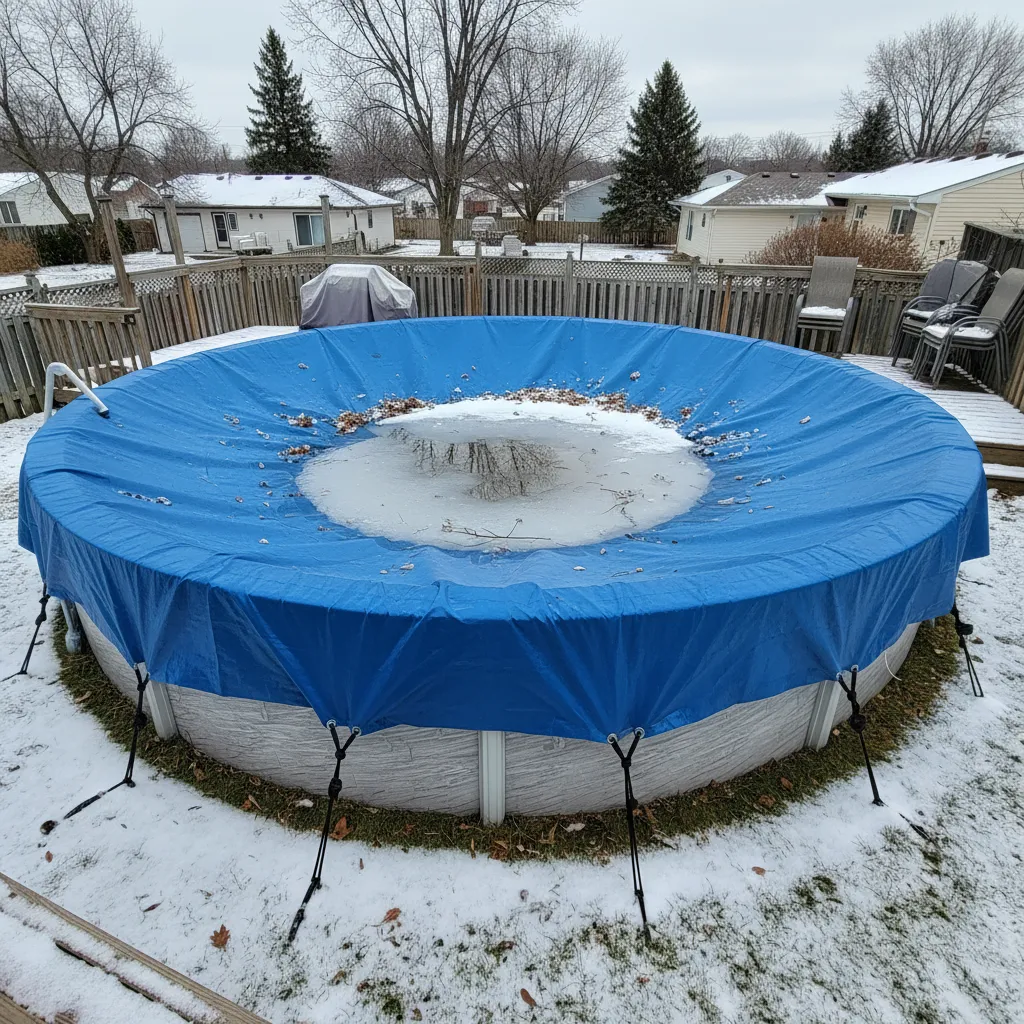
"Invest once to protect your liner and prevent a swamp in the spring."
Heavy-Duty Winter Pool Cover
Winter demand is high - check stock
Basic Function Of Pool Backwashing
During backwashing, a multiport valve (a control hub directing water flow) reroutes water to travel backward through the filter. This reversed flow agitates sand or DE grids, dislodging dirt, algae, and organic matter. Contaminated water then exits through a dedicated waste line, carrying debris out of the system. While effective for cleaning, this process directly answers “does backwashing drain water from pool?” – yes, it intentionally removes 100-300 gallons per cycle depending on filter size.
How Pool Filtration Systems Work
Pool pumps push water through filter media in one direction during normal operation. Sand filters trap particles as small as 20-40 microns, while DE filters capture down to 5 microns. When pressure gauges show a 8-10 psi increase above baseline, it signals clogging – triggering the need for backwashing. In backwash mode, water bypasses the pool return jets and flows to external drainage points, explaining why “backwashing removes water from pool” systems temporarily. Cartridge filters don’t require backwashing but need manual cleaning, resulting in zero water loss during maintenance.
Next, let’s quantify how this process impacts your pool’s water levels and separate myths from facts.
Does Backwashing Remove Water From Your Pool?
When activating the backwash function on a pool filter, water flows backward through the system to flush out trapped debris. This process reverses normal water flow patterns, ejecting contaminants through a waste line. During this cycle, water exits the pool permanently rather than recirculating. It’s important to monitor this process closely. Regular maintenance can help you avoid pool leaks.
Mechanics Of Water Removal During Backwash Cycle
A multiport valve redirects water during backwashing. In normal filtration mode, water moves from the pump through the filter media and back to the pool. When switched to backwash, the valve reroutes water through the filter in reverse, carrying dirt and sediment out of the waste port. For every minute of backwashing, a typical 1.5HP pump can eject 20-30 gallons depending on plumbing size and pressure.
Backwash Vs Normal Filtration: Key Differences
Standard filtration cycles conserve water by continuously recirculating the same supply. Backwashing operates as a purge sequence – water travels through the filter once before leaving the system entirely. While filtration focuses on particle removal through sand, diatomaceous earth (DE), or cartridge media, backwashing prioritizes filter bed cleaning at the cost of water volume.
Water Loss During Backwashing: Key Facts
Every backwash cycle reduces pool water levels, but the exact amount depends on multiple variables. Proper technique and equipment maintenance help minimize waste while maintaining filter efficiency. To keep water quality high, it’s essential to explore different treatment options. One popular choice is using Pool RX, which helps to maintain cleaner and clearer water with less effort.
How Much Water is Lost When Backwashing a Pool
Water loss occurs during both the active backwash phase and the subsequent rinse cycle needed to reset the filter media. A single service session typically uses 250-500 gallons for residential pools, equivalent to lowering water levels by 1/4″ to 1/2″ in a 15,000-gallon pool.
Average Water Loss Per Backwash Cycle
Sand filters average 300-400 gallons per backwash due to longer required cycle times (3-5 minutes). DE filters lose 200-300 gallons with shorter 1-2 minute cycles. Cartridge systems avoid water loss entirely since they require manual cleaning instead of backwashing. Choosing the right filter can impact your pool maintenance. An all-purpose sand pool filter is a popular option for many pool owners due to its balance of efficiency and ease of use.
Factors Affecting Water Loss Quantity
Pump horsepower directly impacts flow rates – a 2HP model moves 35% more water per minute than a 1.5HP unit. Pipe diameter also plays a role: 2″ plumbing allows 75 GPM versus 45 GPM through 1.5″ lines at 30 PSI. Filter condition matters too – neglected systems need longer backwash durations, increasing water waste.
Monitoring pressure gauges ensures backwashing only when necessary. Wait until the gauge reads 8-10 PSI above the clean starting pressure before initiating a cycle. This practice reduces unnecessary water loss while maintaining peak filtration performance.
Next: Learn where ejected water travels after leaving your pool system and how local codes govern its disposal.
Also See: Can You Swim in a Pool With New Ear Piercings?
Where Does Backwash Water Go?
During a backwash cycle, pools typically push out 100-300 gallons of H2O, based on plumbing size and filtration setup. This waste liquid must flow to an approved spot to avoid harming soil or local H2O sources. Knowing disposal paths and rules aids in following community standards. Keeping the pool well-maintained can enhance its efficiency. Using a solar blanket helps to retain heat and reduce water evaporation in the pool.
Common Drainage Paths for Waste Water
Most pools route backwash liquid through a flexible hose or fixed drain line. Common options include:
- Storm drains (if allowed by municipal codes)
- Sanitary sewer cleanouts with anti-backflow valves
- Dry wells or gravel pits 10+ ft from pool walls
- Lawn areas without slopes toward structures
Avoid directing flow toward neighbor’s land or low spots that might flood. Sand filter systems with multi-port valves often link to PVC pipes for constant routing.
Local Regulations for Backwash Water Disposal
Rules vary by city: Phoenix allows storm drain disposal if chlorine drops below 0.1 ppm, while Los Angeles County mandates sewer-only routing. Contact your municipal H2O quality division or visit .gov portals for specifics. Pool pros can install flow restrictors or pH-neutralizing tanks if your setup can’t comply.
Troubleshooting Excessive Water Loss
If your pool drops 500+ gallons post-backwash or shows ongoing liquid loss, a fault might exist. Typical culprits mix mechanical faults with user missteps.
Why Your Pool Might Lose Water After Backwashing
Apart from normal 1-2 inch dips, check for:
- Broken spider gaskets in multiport valves
- Loose drain plugs on pump housings
- Cracked lateral assemblies in sand filters
Equipment Leaks vs Normal Backwash Loss
Track liquid loss duration: Backwash drains for 2-5 minutes. A constant trickle from waste lines or pump lids signals leaks. Apply pool-safe lubricant to O-rings and inspect filter tanks for cracks if loss continues post-cycle.
Identifying System Malfunctions
Run a bucket test: Mark pool’s H2O level and a bucket’s interior. Place bucket on steps, filling to match pool. If both drop similarly, it’s natural. If pool drops faster, a plumbing fault exists. Check pressure gauges—readings 10 PSI above normal indicate clogging, forcing long cycles. Keeping an eye on pool valves is also important for maintaining water levels. Properly functioning pool valves help regulate water flow and prevent leaks.
Step-by-step Backwashing Process
Follow this method to control H2O loss during maintenance.
How to Backwash a Pool Properly
Sand filters need backwashing at 8-10 PSI above clean pressure. Cartridge filters skip this step but require manual rinsing.
1. Preparing the Filtration System
Turn off pump motors. Shift multiport valves to “Backwash” mode, ensuring handles align with arrows. Attach waste hoses firmly to avoid mid-cycle blowouts. Clear debris from pump baskets.
2. Executing the Backwash Cycle
Power on pumps for 2-3 minutes until sight glass runs clear. For DE filters, add 80% fresh diatomaceous powder post-cycle. Stop if liquid flow halts suddenly—this might signal air locks.
3. Post-Backwash Procedures
Shift valves to “Rinse” for 30 seconds to compact sand. Return to “Filter” and note pressure. Top up pool liquid if levels sit below skimmer mouths. A garden hose can add 150-200 gallons hourly. Keeping the pool clean and balanced is crucial for any salt pool owner. This is where a salt pool startup can help you get off on the right foot.
For situations requiring major liquid removal, such as winterizing or fixing structural issues, standard backwashing won’t work. Upcoming parts discuss how full draining differs from routine cycles.
Using Backwash for Pool Draining
While backwashing removes water from the pool during filter cleaning, relying on it for full draining poses challenges. The process targets debris removal, not large-scale water elimination, making it impractical for draining entire pools. To effectively manage pool water levels, a good pump is essential. Finding the best time run pump can ensure efficient water movement and proper filtration.
Can You Drain a Pool Through Backwashing?
Technically, yes—each backwash cycle expels 100-300 gallons depending on filter size. But draining a 20,000-gallon pool this way would require 60+ cycles, risking pump burnout and sand filter media damage. Most pumps lack continuous runtime capacity for this task, with motors overheating after 10-15 minutes of sustained operation. Keeping all parts of your pool system in good shape contributes to their longevity. This includes understanding the lifespan of your pool vacuum to ensure it works efficiently when needed.
Safety Considerations for Extended Backwashing
Prolonged backwashing below the skimmer level exposes pumps to air suction, causing cavitation—a destructive condition where vapor bubbles collapse inside the pump. Vinyl liner pools risk wall collapse if water drops too low. Always maintain at least 12″ of water in shallow ends when using this method.
Alternative Draining Methods Compared
Submersible pumps ($150-$400) drain 2,000-5,000 gallons per hour versus 150-400 gallons/hour via backwashing. Garden hose siphoning works for small adjustments but requires 24+ hours for significant drainage. Professional tanker trucks ($500-$800) become necessary when local codes prohibit storm drain discharge. When planning for a new pool, it’s important to consider these drainage options as part of the overall process. The cost of building a pool in Arizona can vary based on several factors, including type, size, and necessary drainage solutions.
Water Conservation Strategies
Smart backwashing practices preserve thousands of gallons annually. A typical sand filter loses 200 gallons per cycle—equivalent to 10% of pool volume for 15,000-gallon pools after just 7-8 cleanings. These practices not only save water but also help maintain the efficiency of pool equipment. Keeping equipment in good shape can extend the lifespan of pool salt cells.
How to Minimize Water Loss When Backwashing
Install a clear sight glass ($25-$50) on waste lines to monitor water clarity. Stop once expelled water runs clear—usually 2-3 minutes—rather than fixed time intervals. Use filter media cleaners like Zeolite ($40/bag) that trap finer particles, extending intervals between cleanings by 30-50%.
Optimal Backwashing Frequency Tips
Backwash only when pressure gauges show 8-10 PSI above clean levels. For DE filters, 18-20 PSI indicates need for service. Seasonal adjustments matter—monthly cleanings suffice in winter versus weekly during peak swim season. Rainwater dilution can reduce summer frequency by 25%.
Equipment Maintenance for Efficiency
Replace sand media every 5 years ($300-$600) and DE grids biannually ($80-$150). Lubricate multiport valve O-rings annually with silicone grease ($10/tube) to prevent leaks wasting 5-10 gallons per cycle. Upgrade to cartridge filters ($600-$1,200) for 90% less water loss compared to traditional sand systems.
Proper technique and equipment choices significantly reduce water displacement during maintenance. For specific queries about managing pool chemistry after adjusting water levels, the following FAQ section addresses common concerns. After a fun day at the pool, it’s also important to think about personal hygiene. Showering after swimming helps remove chlorine and other chemicals from your skin.
FAQs About Pool Backwashing
Does Backwashing Disrupt Pool Chemical Balance?
While backwashing removes water containing chemicals, the impact is minimal if you replace lost water promptly. A typical 300-gallon loss in a 15,000-gallon pool reduces chemical concentrations by only 2%. Always test and adjust chlorine, pH, and alkalinity after significant water replacement.
Can Frequent Backwashing Damage Pool Equipment?
Excessive backwashing (more than weekly without cause) wears out valve gaskets and filter media prematurely. Sand filters may develop channeling – uneven pathways reducing filtration efficiency. Always wait until pressure gauges indicate 8-10 PSI above baseline before initiating cycles to avoid unnecessary strain. Regular maintenance is crucial for optimal performance. This ensures the backwash sand filter operates effectively and prolongs its lifespan.
Is Backwash Water Harmful to Landscaping?
Chlorinated backwash water can damage sensitive plants if discharged directly. Allow chlorine levels to drop below 0.1 ppm before irrigation use, or divert to non-vegetated areas. Some municipalities permit lawn drainage if diluted with fresh water – check local codes first.
Closing Thoughts
Backwashing does remove water from your pool, but not enough to drain it completely. A typical backwash cycle loses 100-300 gallons, depending on filter size and pressure. While this water loss is normal, monitoring your pool’s level prevents unnecessary waste.
Proper backwashing keeps your filtration system efficient without depleting water reserves. Stick to recommended frequencies—usually every 2-4 weeks for sand filters—and inspect equipment for leaks if water loss seems excessive.
For precise calculations on backwash water loss or refill needs, try My Pool Calculator. Our tools help balance pool maintenance with water conservation.
Additional Resources for You:
- ASTM International – Pool & Spa Standards
- How to Backwash a Pool Filter The Right Way
- Loosing water on backwash without pump running – Swimming Pool Help
- Drain or Backwash Your Pool or Spa – City of Mesa
- How to drain or backwash your pool WHILE PROTECTING …
A pool care geek who’s been testing water chemistry since she was tall enough to reach the skimmer.
Filters, Pool Equipment Repair, Sand Filters