Does Pool Stabilizer Go Bad? Shelf Life, Storage &Amp; Effectiveness Explained
Published on: March 11, 2026 | Last Updated: November 17, 2025
Written By: Rachael Weatherbottom
Pool stabilizer (cyanuric acid) does not technically expire but can lose effectiveness if stored improperly or exposed to extreme conditions. Granular stabilizer remains stable for 3-5 years unopened, while liquid stabilizer lasts 1-2 years due to its chemical composition. Both forms protect chlorine from UV degradation, but expired or degraded products may fail to maintain proper 30-50 ppm levels, leading to chlorine loss and algae risks.
This guide explains how to assess your stabilizer’s condition and maximize its lifespan. You’ll learn how to spot visual changes in granular or liquid formulas, interpret manufacturer dates, and avoid common storage mistakes that accelerate breakdown. We’ll break down how temperature swings above 90°F or humidity over 60% can clump granules or cause liquid separation.
Discover practical methods to test questionable stabilizer, including dissolution rate checks and chlorine retention monitoring. We’ll also cover when replacement becomes necessary versus safe usage of older products. For pool owners juggling chemical budgets, these insights prevent wasted money and maintain crystal-clear water all season.
What is Pool Stabilizer?
Pool stabilizer, chemically known as cyanuric acid, serves as a shield for chlorine in swimming pools. This chemical slows UV radiation’s ability to break down free chlorine molecules, maintaining sanitizer levels longer. Without it, sunlight can destroy up to 90% of unprotected chlorine in under three hours on bright days. To keep the pool in good condition, it’s also important to monitor other aspects like the salt level. Regularly checking the salt level helps ensure that the pool functions properly and remains safe for swimming.
Crucial Winterizing Products
"The all-in-one solution for a guaranteed clear spring opening."
All-in-One Closing Chemical Kit
Winter demand is high - check stock

"The 'set & forget' option. This is the easiest winterizing I've ever done."
Simple 3-in-1 Winterizing Balls
Winter demand is high - check stock
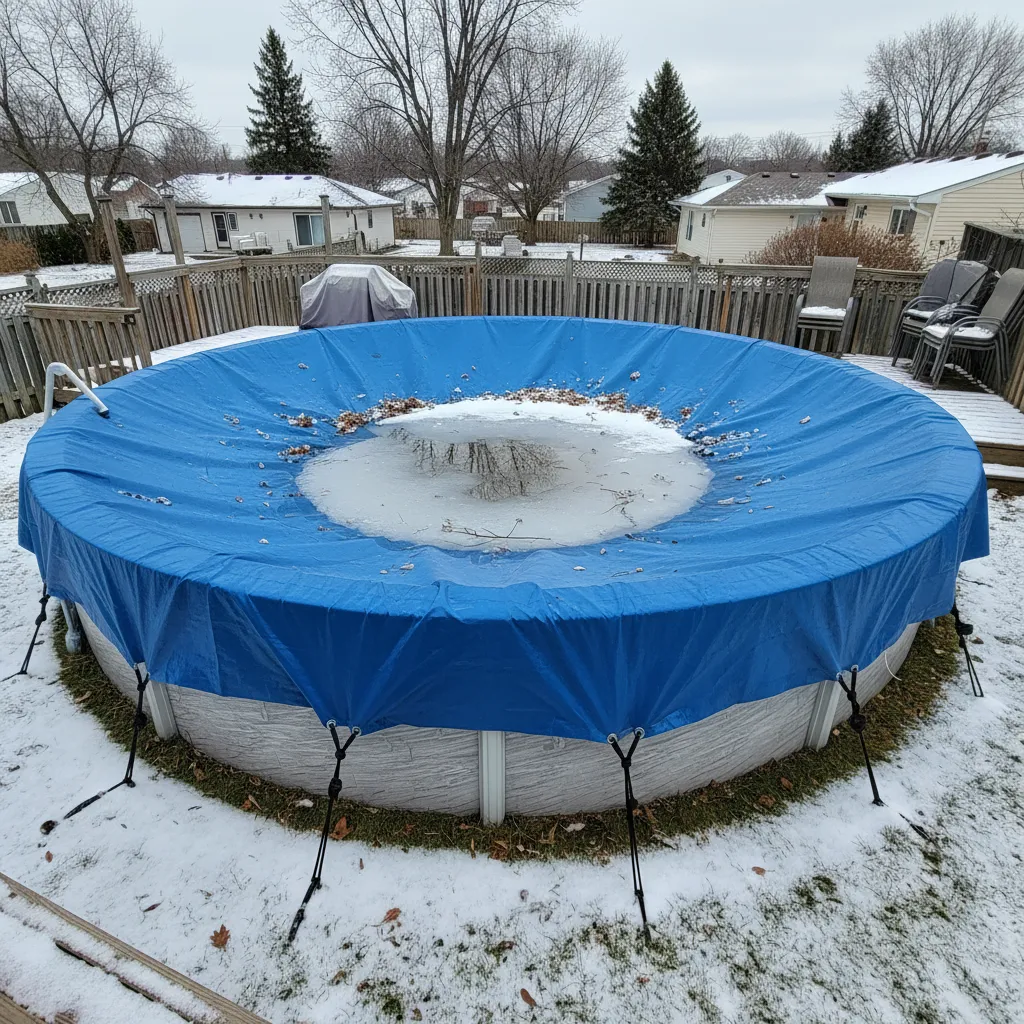
"Invest once to protect your liner and prevent a swamp in the spring."
Heavy-Duty Winter Pool Cover
Winter demand is high - check stock
Role in Protecting Chlorine From Sunlight
Cyanuric acid bonds with chlorine ions, forming a temporary barrier against ultraviolet rays. This bond reduces chlorine loss from 7-10 ppm daily to just 1-2 ppm when stabilizer levels stay within 30-50 ppm. While effective, this protection relies on maintaining proper stabilizer concentration—too little leaves chlorine vulnerable, while too much reduces sanitizing power.
Common Forms: Granular Vs. Liquid
Stabilizer comes in two primary forms: granular powder or pre-diluted liquid. Granular variants require dissolving in water before adding to pools, while liquid versions pour directly into skimmers. Granular stabilizer typically contains 96-100% cyanuric acid, whereas liquid forms mix stabilizer with water and preservatives, resulting in 30-40% potency.
Granular types tend to last longer when stored properly—up to five years unopened in cool, dry spaces. Liquid stabilizer, while convenient, may degrade faster due to microbial growth or ingredient separation. Both forms lose effectiveness if exposed to moisture, extreme heat, or direct sunlight during storage.
While proper use maintains chlorine levels, storage practices determine how long stabilizer remains effective. Next, let’s examine expiration factors for both forms.
Does Pool Stabilizer Expire?
Pool stabilizer (cyanuric acid) maintains effectiveness when stored properly but degrades under poor conditions. While not “expiring” like food, its chemical structure breaks down over time, reducing UV protection for chlorine. After adding calcium to the pool, it’s also important to wait before swimming. This waiting period allows the calcium to dissolve and evenly distribute throughout the water.
Manufacturer Expiration Dates: What They Really Mean
Expiration dates (typically 2-5 years from production) reflect the period of guaranteed potency. Granular stabilizer stored at 50-70°F in sealed containers often remains usable past this date, while liquid forms degrade faster due to additives.
Liquid Stabilizer Vs. Granular: Shelf Life Differences
Liquid stabilizer contains dispersants that break down within 12-18 months, while granular cyanuric acid crystals stay stable longer. Temperature swings above 90°F accelerate degradation in both forms.
Typical Lifespan of Unopened Containers
Unopened granular stabilizer lasts 3-5 years in climate-controlled spaces. Liquid variants retain full strength 1-2 years if kept from freezing or overheating. Always check for manufacturer batch codes like “MFG2025” for production dates.
How Long After Opening Does It Remain Effective?
Once opened, granular stabilizer exposed to humidity loses 20-40% effectiveness within 18 months. Liquid products begin forming sediment after 6-9 months, requiring triple shaking before use. Reseal containers immediately after measuring doses.
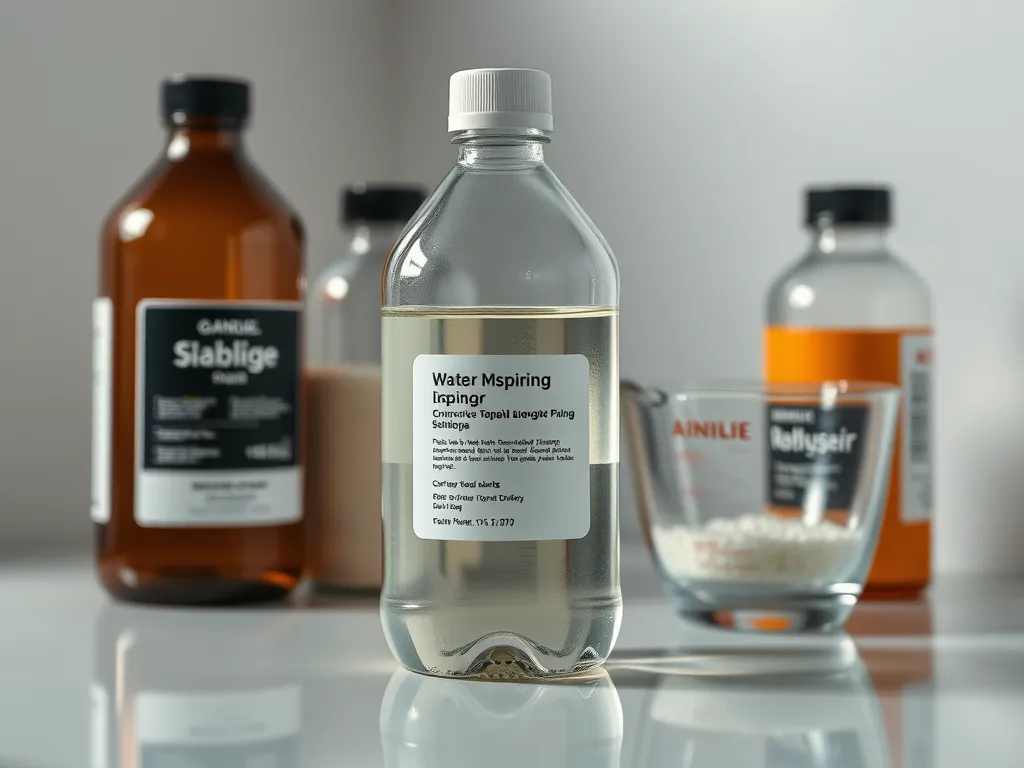
Signs Your Pool Stabilizer Has Degraded
Visible changes indicate reduced cyanuric acid potency. Test questionable stabilizer with a dissolution test before adding to pools.
Physical Changes in Granular Stabilizer
Fresh granules flow freely like table salt. Degraded material develops texture changes signaling chemical breakdown.
Clumping or Hardening
Moisture absorption creates cement-like chunks that won’t dissolve fully. Granules failing to break apart after 48 hours in water likely lost 50%+ effectiveness.
Discoloration
Yellow or brown tints in white stabilizer suggest contamination or thermal degradation. Sunlight-exposed containers often show this first near the lid.
Liquid Stabilizer Warning Signs
Liquid stabilizer separates into layers when compromised. Always inspect bottles before pouring into pool water.
Separation or Sediment
A clear layer atop milky liquid indicates additive failure. Persistent bottom sludge after shaking means stabilizer molecules bonded permanently.
Unusual Odors
Rancid or sulfur-like smells signal bacterial growth in liquid stabilizer – discard immediately. Fresh product has a mild chemical scent.
While visual checks help assess stabilizer quality, proper storage practices directly determine lifespan. Next, we’ll examine temperature controls and container strategies that preserve your chemicals.
Also See: Can You Open Your Eyes in a Saltwater Pool? Does It Burn?
How Storage Conditions Impact Shelf Life
Proper storage directly affects whether pool stabilizer expires prematurely. Environmental factors can degrade cyanuric acid (the active ingredient) even before its labeled expiration date. Let’s break down the key elements influencing shelf stability. Keeping other pool chemicals, like pool shock, in the right conditions is just as important. If pool shock expires, it loses its effectiveness and won’t keep the water clean.
Ideal Temperature and Humidity Ranges
Store granular stabilizer in temperatures between 50°F and 70°F with humidity below 50%. Liquid stabilizer tolerates slightly wider ranges (40°F–90°F) but degrades faster if frozen or exposed to heat spikes. High humidity causes clumping in granular products, reducing solubility.
Importance Of Airtight Containers
Once opened, transfer granular stabilizer to containers with rubber-gasket seals. Liquid stabilizer requires original packaging with tight lids to prevent oxidation. Air exposure triggers chemical breakdown, especially in formulations with additives like clarifiers or algaecides.
Effects Of Sunlight Exposure
UV rays break down cyanuric acid molecules over time. Keep containers in dark storage areas—even translucent buckets allow light penetration. A study by the Journal of Pool & Spa Research showed sunlight degrades unstabilized granular products 37% faster than stored equivalents. Proper chemical balance is crucial for maintaining water quality. Assessing factors such as the calcium saturation index can help ensure that your pool remains safe and comfortable for swimmers.

Testing Expired Pool Stabilizer Effectiveness
Suspect your stabilizer has gone bad? Verify its potency before risking pool chemistry imbalances. These methods help assess functionality.
DIY Dissolution Test for Granular Stabilizer
Mix 1 ounce of granules with 8 ounces of warm (80°F) water. Fully dissolved particles within 15 minutes indicate viability. Undissolved chunks or cloudy solutions suggest chemical breakdown. Always wear gloves—degraded stabilizer may release irritants.
Monitoring Chlorine Retention in Water
Add the questionable stabilizer to achieve 30 ppm cyanuric acid levels. Test free chlorine at noon and sunset for three days. Normal loss is 1–2 ppm in full sun. Losses exceeding 4 ppm daily signal failed UV protection. As the weather gets colder, it’s important to prepare the pool for winter. One crucial step is to blow out the pool lines to prevent freezing and damage during the cold months.
Professional Water Analysis Options
Pool stores use spectrophotometers to measure exact cyanuric acid concentrations. Labs like National Testing Laboratories ($45–$75 per test) identify stabilizer degradation byproducts. Compare results to your dosage—variances above 10% mean the product has spoiled. Keeping track of these chemicals is crucial for pool maintenance. A copper sulfate pool calculator can help you determine the right amount needed for a balanced pool.
Risks Of Using Compromised Stabilizer
Adding expired or degraded stabilizer creates three primary issues for pool owners. Recognize these pitfalls to avoid costly corrections.
Reduced UV Protection for Chlorine
Weakened cyanuric acid molecules can’t shield chlorine from sunlight. This leads to rapid sanitizer loss—up to 90% faster in extreme cases. You’ll burn through 2–3 times more chlorine tablets or shock treatments to maintain safe levels. To keep your pool water clear and balanced, you may also want to explore pool clarifiers and flocculants. Both products help clear up cloudy water, but they work in different ways and are suited for different situations.
Potential for Over-stabilization
Partially effective stabilizer tempts users to overdose, pushing cyanuric acid beyond 100 ppm. High concentrations require draining water to reset levels. The CDC recommends keeping CYA below 50 ppm for optimal sanitizer performance. When considering water options for filling a pool, it’s essential to weigh the benefits and drawbacks. Using well water can have both advantages, like cost savings, and disadvantages, such as potential quality issues.
Wasted Time and Chemicals
- Repeated chlorine additions to compensate for UV loss
- Extra algaecides to combat sanitizer shortages
- Partial drain/refill cycles if over-stabilization occurs
Testing water chemistry weekly helps catch stabilizer failures early. For answers to frequent concerns about shelf life nuances, explore our Pool Stabilizer Expiration FAQ next. Pool chemicals can lose their effectiveness over time. Knowing if your pool chemicals have expired is important for maintaining water quality.
Pool Stabilizer Expiration FAQ
Can Freezing Temperatures Ruin Unused Stabilizer?
Granular stabilizer withstands freezing but may absorb moisture if containers contract in cold. Liquid formulas can crystallize below 32°F – thawing often leaves separated layers requiring vigorous shaking. Repeated freeze-thaw cycles degrade preservatives in liquid products.
How Should I Dispose Of Expired Pool Stabilizer?
Never pour stabilizer down drains or into soil. Take granular cyanuric acid to hazardous waste facilities – it doesn’t biodegrade naturally. Liquid stabilizer requires neutralization with pH adjusters before disposal. Check local regulations for pool chemical recycling programs. When dealing with pool maintenance, it’s also important to know how to disassemble pool equipment. Disassembling a Hayward pool pump can be necessary for thorough cleaning and repairs.
Does Mixing Old and New Stabilizer Reduce Effectiveness?
Combining fresh and degraded stabilizer averages their potency – 50% old + 50% new yields ≈75% effectiveness. This creates unpredictable chlorine protection. Always use same-age products when possible, and test water chemistry after blending. Proper stabilizer levels are crucial for maintaining pool health. In larger scale pools, achieving this balance becomes even more important for overall water clarity and safety.
Can I Use Alternative UV Protectors if My Stabilizer Expired?
Chlorine tabs with built-in stabilizer (trichlor) offer temporary relief but raise CYA levels rapidly. UV-resistant pool covers provide physical sunlight blocking but don’t replace chemical stabilization. For emergency use only – replace expired stabilizer within 2 weeks. It’s important to consider that water quality in pools is affected by these factors. Drinking pool water can pose health risks due to the chemicals used to treat it.
Final Thoughts
Pool stabilizer does degrade over time, but proper storage can extend its effectiveness. Granular stabilizer lasts 2-3 years unopened, while liquid forms typically expire within 12-18 months. Watch for clumping, discoloration, or separation as clear warning signs.
Testing questionable stabilizer with a dissolution check or chlorine retention monitoring gives peace of mind. When in doubt, replacement costs less than dealing with unbalanced water chemistry. A $20 container of fresh stabilizer beats wasting hundreds on extra chlorine treatments.
For precise chemical calculations tailored to your pool size and conditions, try our free My Pool Calculator tool. It eliminates guesswork for maintaining ideal stabilizer levels between 30-50 ppm.
Store stabilizer in cool, dry places away from sunlight to maximize shelf life. With these insights, you’ll keep your chlorine protected and your pool sparkling all season long.
Additional Resources for You:
- PoolPro Magazine (Industry News & Technical Articles)
- Can you open your pool with last year’s pool chemicals? – HTH Pools
- Do Pool Chemicals Expire? Understanding Chemical Shelf Life
- Do Pool Chemicals Expire? How Long Can I Keep Pool Chemicals For?
- Do Pool Chemicals Expire? How Long Can I Keep Pool Chemicals
A pool care geek who’s been testing water chemistry since she was tall enough to reach the skimmer.
Cyanuric Acid (CYA), Pool Chemistry, Sanitizers