Does Pool Shock Expire? What Every Pool Owner Needs to Know
Published on: March 15, 2026 | Last Updated: November 17, 2025
Written By: Rachael Weatherbottom
Yes, pool shock expires. All types of pool shock – including calcium hypochlorite, sodium dichlor, and liquid chlorine – lose potency over time due to chemical breakdown. Unopened containers typically last 1-3 years depending on the formula, while opened packages degrade faster from moisture and temperature changes. Using expired shock reduces sanitizing power, risking algae growth and unsafe bacteria levels. Proper storage in cool, dry locations can extend effectiveness, but clumping powder, separated liquids, or weak chlorine smells indicate it’s time to replace your stock.
This guide explains exactly how different shock types degrade and how storage choices impact their lifespan. You’ll learn to spot visual and textural changes in powdered shock, test liquid chlorine strength, and calculate expiration timelines for common brands. We’ll compare shelf lives for unopened versus opened containers and show how improper storage can cut effectiveness by 50% or more within months.
Discover practical solutions if your shock has expired, including dosage adjustments for partially degraded products and alternative sanitizers. We’ll cover safety risks of using old shock, proper disposal methods, and maintenance routines to keep your pool protected. Whether you’re troubleshooting cloudy water or preparing for swim season, this information helps maintain crystal-clear water without wasting money on ineffective chemicals.
What is Pool Shock?
Pool shock refers to concentrated chlorine-based chemicals designed to rapidly sanitize water by eliminating bacteria, algae, and organic contaminants. Unlike daily chlorination methods, shock treatments deliver a surge of active chlorine measured in parts per million (ppm) to restore clarity and safety. The term “shocking” describes the process of raising free chlorine levels to 5-10 ppm—a critical step for tackling persistent issues like cloudy water or algae blooms. After shocking the pool, it’s important to maintain the cleanliness of the water. Regularly rinsing the pool filter helps ensure that it effectively removes debris and contaminants.
Crucial Winterizing Products
"The all-in-one solution for a guaranteed clear spring opening."
All-in-One Closing Chemical Kit
Winter demand is high - check stock

"The 'set & forget' option. This is the easiest winterizing I've ever done."
Simple 3-in-1 Winterizing Balls
Winter demand is high - check stock
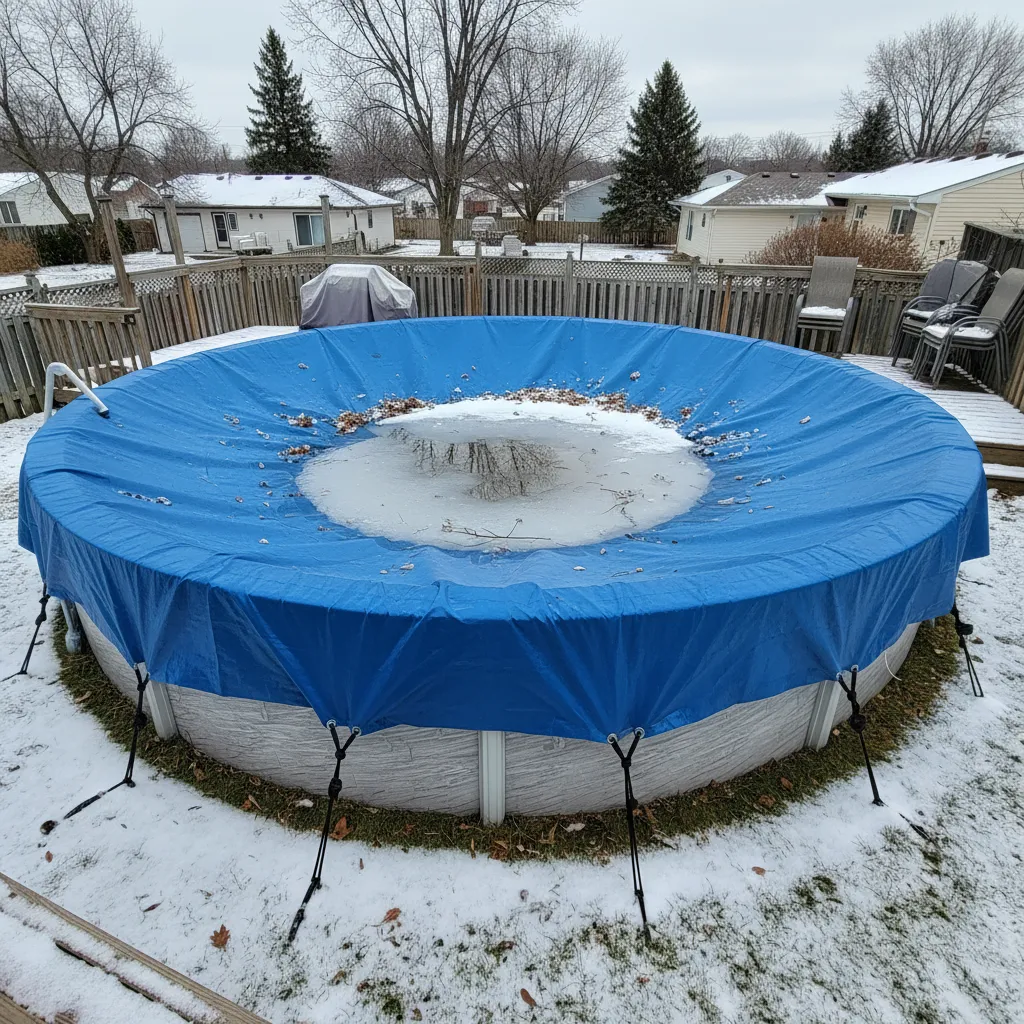
"Invest once to protect your liner and prevent a swamp in the spring."
Heavy-Duty Winter Pool Cover
Winter demand is high - check stock
Purpose Of Pool Shock in Pool Care
Shock treatments serve two primary functions: breaking down chloramines (combined chlorine causing eye irritation and strong odors) and oxidizing organic matter. Without regular shocking, pools develop diminished sanitizer effectiveness, leading to unsafe swimming conditions. The Centers for Disease Control recommends maintaining 1-3 ppm free chlorine, but shock doses temporarily exceed this to reset water balance. To maintain a clean and safe swimming environment, regular shocking is essential. This process helps ensure that the pool stays clear of contaminants and promotes overall hygiene in the water.
Common Types Of Pool Shock
Not all pool shocks share identical chemical structures or degradation patterns. Shelf life varies significantly between formulations, affecting how quickly they lose potency. Three dominant types dominate the market—each with distinct storage requirements and expiration triggers.
Calcium Hypochlorite
Cal-hypo (65-75% chlorine) comes in granular or tablet form. Known for its high pH and strong oxidation capacity, it’s popular for weekly maintenance. Unopened containers retain full strength for 3-5 years when stored in cool, dry spaces. Once exposed to air, moisture absorption accelerates breakdown, reducing active chlorine by 50% within 12 months.
Sodium Dichlor
This stabilized chlorine (55-60% available chlorine) contains cyanuric acid to shield it from UV rays. Sold as granules, sodium dichlor dissolves quickly and works for both shocking and daily chlorination. Though less prone to moisture damage than cal-hypo, heat above 85°F causes gradual chlorine loss—typically 3-5% monthly under ideal conditions.
Liquid Chlorine (Sodium Hypochlorite)
Liquid chlorine (10-12.5% strength) offers immediate results but degrades fastest. Exposure to light, heat, or air causes sodium hypochlorite to break down into salt water. Unopened jugs lose 50% potency in 6 months, while opened containers drop 15-20% monthly. Storing at 50-70°F slows this process but doesn’t halt it.
How these chemicals break down over time depends on their composition and storage conditions—factors we’ll analyze next.
Pool Shock Shelf Life by Type
Different pool shock formulas degrade at varying rates. Shelf life depends on chemical composition, packaging, and exposure to environmental factors.
Calcium Hypochlorite Shelf Life (Unopened Vs. Opened)
Granular calcium hypochlorite (65-75% chlorine) remains stable for 3-5 years when unopened in factory-sealed buckets. Once exposed to air, moisture absorption triggers rapid chlorine loss – opened containers lose 30-50% potency within 1-2 months. Always reseal bags with airtight clips and store in low-humidity environments below 85°F.
Sodium Dichlor Degradation Timeline
Stabilized sodium dichlor (55-60% chlorine with cyanuric acid) maintains potency for 12-18 months in sealed containers. Unlike calcium hypochlorite, it resists moisture better but degrades faster when stored above 90°F. Crystallization or yellow discoloration indicates advanced breakdown – discard if granules form hard clumps.
Liquid Chlorine Effectiveness Over Time
Sodium hypochlorite (liquid chlorine) loses strength fastest – 50% potency vanishes within 6 months even in unopened jugs stored at 70°F. Heat accelerates degradation: at 90°F, 90% chlorine dissipates in 30 days. Check production dates stamped on bottles; most manufacturers recommend using within 4-8 weeks for optimal results.
Impact of Storage Conditions
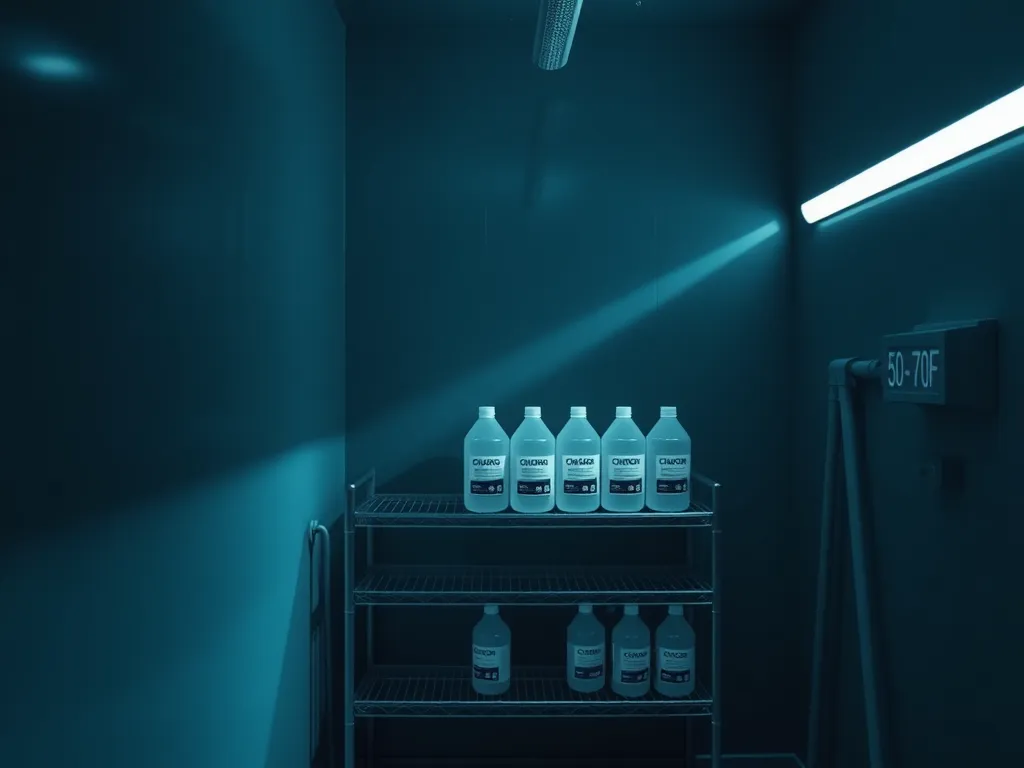
All pool shock types degrade 2-3x faster when exposed to: • UV light (store in opaque containers) • Temperature swings above 85°F • Humidity levels exceeding 60% A 10°F temperature increase can halve chlorine shelf life. Ideal storage: cool (50-70°F), dark spaces with 40-50% humidity. Keeping the chemicals in optimal conditions also helps maintain the right levels of ideal bromine level in your pool. This is important because the ideal bromine level keeps your pool clean and safe for swimming.
How to Tell if Pool Shock Has Expired
Expired shock won’t fully resolve algae blooms or sanitize water. Use these verification methods before treatment.
Visual Signs Of Degraded Powdered Shock
Check calcium hypochlorite or sodium dichlor for: • Chalky white residue on container walls (chlorine gas release) • Discolored granules (yellow/brown hues) • Hardened clumps that resist crumbling Damaged packaging with rust or bulging sides also indicates chemical breakdown.
Testing Liquid Chlorine Potency
Use test strips designed for high-range chlorine detection (0-10 ppm). Mix 1 oz liquid shock with 5 gallons water. If readings fall below 5 ppm, potency has dropped critically. For precise measurement, titrate with FAS-DPD reagents – fresh 12.5% sodium hypochlorite should show 10-12% available chlorine. Maintaining the right balance of chemicals is key to water quality. This includes knowing how to raise or lower cyanuric acid levels for optimal chlorine stability.
Smell and Texture Changes
Expired shock often develops a pungent, bleach-like odor from chloramine formation. Powdered varieties may feel greasy or leave oily streaks when dissolved. Liquid chlorine with separated layers or sediment needs immediate disposal.
Recognizing expired shock is only part of the equation – next, we’ll explore what happens when degraded products enter your pool system.
Also See: Can You Swim With Phosphate Remover in Pool? Guidelines
Effects Of Using Expired Pool Shock
Old pool shock loses its punch over time. Let’s break down what happens when degraded shock hits your pool water.
Reduced Sanitizing Power
Pool shock works by releasing free chlorine to kill germs. Over months, heat and moisture break down its active parts. A bag of calcium hypochlorite left open for a year may lose 50-70% of its chlorine. Weak shock can’t zap algae or clear cloudy water fully. Just like keeping pool equipment in good condition is important, it’s also crucial to be aware of the limitations of the weight limit of pool noodles. Knowing the weight limit of pool noodles ensures safety and helps them last longer during use.
Risk Of Algae/bacteria Growth
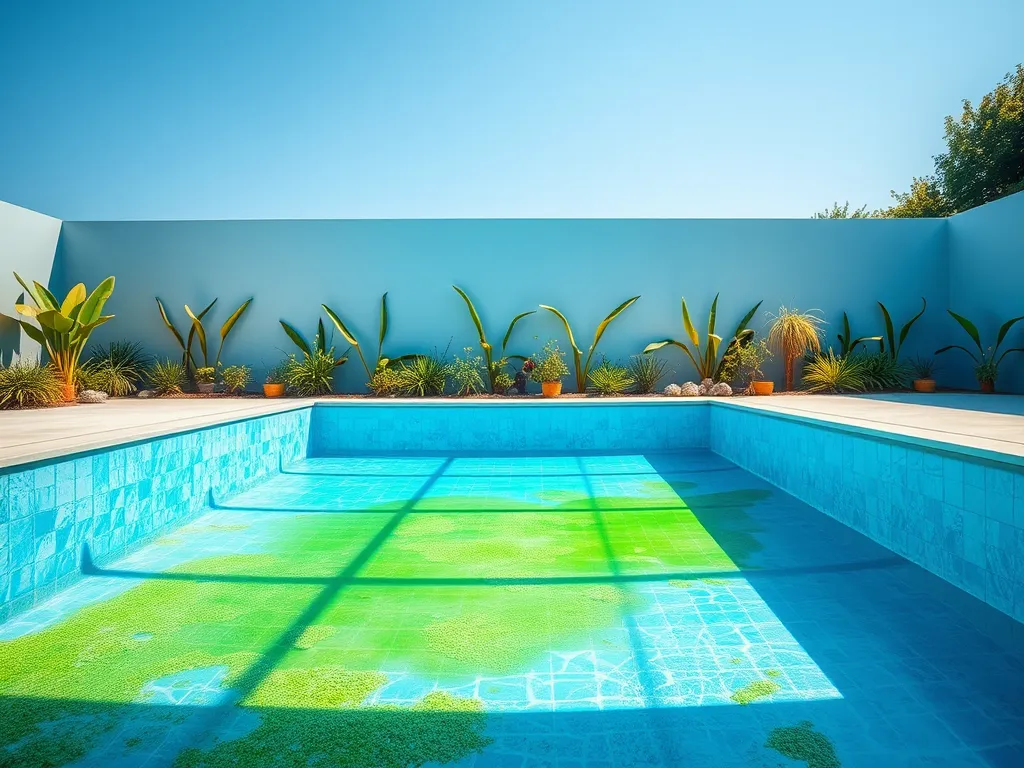
Half-strength shock leaves gaps in defense. Green algae blooms and harmful germs like E. coli may thrive. You might see slimy walls or hazy water even after “shocking” with old stock. This forces you to use more product – a waste of time and cash.
Potential Chemical Imbalance
Expired shock often adds extra stuff you don’t want. Clumped powder may dump too much calcium, spiking hardness levels. Old liquid chlorine turns to salt water, messing with pH. Test strips will show wild swings in alkalinity or chlorine readings.
How to Prolong Pool Shock Shelf Life
Store it right, and your shock stays strong for years. Follow these rules to keep chemicals battle-ready.
Ideal Storage Conditions
Think cool, dry, and dark. A locked shed or basement shelf beats a garage where temps swing from 40°F to 100°F.
Temperature Control
Keep all shock types below 75°F. Sodium dichlor lasts 18 months at 70°F but just 6 months at 90°F. Freezing wrecks liquid chlorine – bottles burst below 32°F.
Moisture Prevention
Use silica gel packs in storage bins. Even a few drops of water can turn powdered shock into cement chunks. Keep bags off concrete floors that “sweat” in summer.
Sealing Containers Properly
Original containers work best. For opened bags, fold the top twice and clip with binder clips. Transfer part-used liquid chlorine to smaller jugs – less air space slows decay.
Can You Use Expired Pool Shock?
Sometimes yes, but know the risks. Check dates first: most powders last 1-3 years sealed, 6-12 months opened. Liquids fade faster – 6 months max.
Safety Considerations
Never use shock that smells sharp or shows odd colors. White powder turning gray? Toss it. Crusty lumps may mean chemical reactions that release toxic gas when mixed.
Adjusting Dosage for Reduced Potency
Double-check strength with a DPD test kit. If your 1-pound dose only gives 2ppm chlorine instead of 5ppm, boost the amount. But don’t exceed 2 pounds per 10k gallons – too much can bleach liners.
When to Discard Old Stock
Dump shock if: powder won’t dissolve fully, liquid looks brown, or test kits show zero chlorine after adding. Always wear gloves when handling iffy stock – degraded chems can burn skin.
If old shock isn’t doing the job, fresh options wait in the wings…
Alternative Solutions for Expired Shock
When faced with degraded pool shock, pool owners have multiple options to maintain water clarity without risking ineffective treatment. Let’s explore chlorine alternatives and non-traditional oxidizers that deliver reliable results. Keeping the pool clean is vital for preventing bacteria build-up. Saltwater pools, while popular for their benefits, also require attention to bacterial control.
Fresh Chlorine Sources
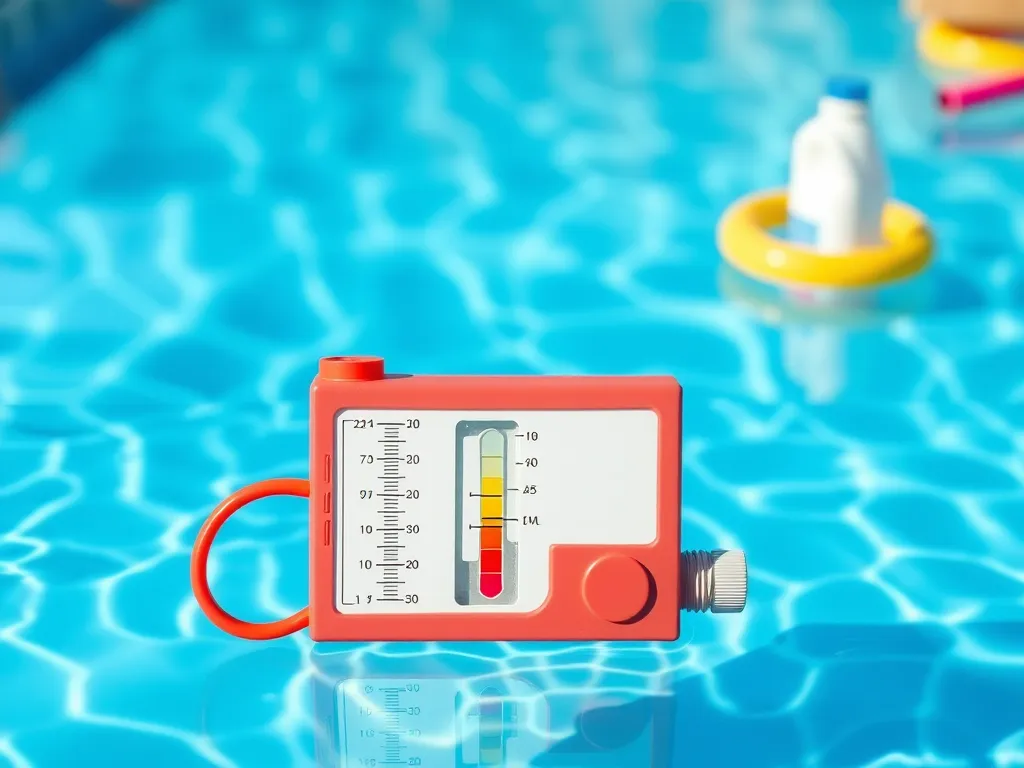
Liquid chlorine (sodium hypochlorite) offers immediate sanitizing power with 10-12.5% available chlorine. Though it degrades faster than granular shock—losing 50% potency in 6 months at 85°F—fresh batches work instantly for emergency algae control. Chlorine tablets (trichlor) provide slow-release sanitizing for 3-7 days, ideal for maintaining levels between shock treatments. Granular dichlor (56% available chlorine) remains stable for 12+ months when stored in cool, dry places, making it a dependable backup if calcium hypochlorite expires. On the other hand, pools using sodium bisulfate can maintain balanced pH levels more easily. This helps to create a comfortable swimming environment while managing chlorine effectiveness.
For small pools or seasonal use, consider purchasing single-use 1-pound bags of shock instead of bulk containers. This minimizes exposure to humidity and guarantees full-strength product when needed. Keeping your pool clean is essential for the best experience. A sand pool filter can help maintain clear water easily.
Non-chlorine Shock Options
Potassium monopersulfate (MPS) oxidizes contaminants without raising chlorine levels, making it popular for indoor pools or chlorine-sensitive swimmers. Effective at 1 pound per 10,000 gallons, MPS works within 15 minutes and won’t bleach surfaces. Hydrogen peroxide-based shocks (27% or 35% concentration) offer another chlorine-free path, breaking down organic matter through oxidation while leaving zero residue. Keeping your pool clean is essential, and maintaining your equipment helps ensure optimal performance. To keep your Hayward pool pump running smoothly, you may need to disassemble and clean it regularly.
Note: Non-chlorine shocks don’t sanitize—they only tackle cloudy water and organic waste. Pair them with a primary sanitizer like bromine or silver-ion systems for complete protection against pathogens.
With these alternatives available, expired shock becomes a solvable challenge. Next, let’s address common questions about expiration timelines and storage best practices to prevent future issues.
Frequently Asked Questions
How Should I Safely Dispose Of Expired Pool Shock?
Contact local hazardous waste facilities for disposal guidelines—never pour shock into drains or storm sewers. Unused powdered shock should remain in its original container, sealed and labeled for collection events. Liquid chlorine requires neutralization with sodium bisulfate before disposal to prevent chemical reactions.
Does Freezing Temperatures Affect Pool Shock’s Shelf Life?
Liquid chlorine becomes unusable if frozen—expansion can rupture containers and accelerate chemical breakdown. Powdered shock tolerates freezing better but may absorb moisture from thaw cycles, leading to clumping. Store all shock products above 50°F for optimal stability. It’s important to consider alternatives for pool maintenance. Natural pool cleaners can be a safer and eco-friendly option.
Are Expiration Dates Regulated for Pool Chemicals?
No federal laws mandate expiration dates on pool shock, but reputable manufacturers print production dates or batch codes. Shelf life estimates derive from accelerated aging tests—always prioritize products with clear dating and consume within 12 months of opening. Pool owners should pay attention to the freshness of their chemicals. Expired pool chemicals may not be effective and could lead to water quality issues.
How Can I Find the Manufacturing Date on Shock Containers?
Check packaging for imprinted codes like “MFG 2025-153” (manufactured on the 153rd day of 2025). Jugs often stamp dates near handles, while bucket labels print lot numbers under barcodes. Contact the manufacturer with codes for clarification if dates aren’t obvious.
Can Expired Shock Be Used for Cleaning or Other Non-pool Purposes?
We strongly advise against repurposing degraded shock. Unpredictable chlorine levels and chemical byproducts may damage surfaces or cause harmful fumes. Dispose properly and use fresh household bleach for cleaning tasks requiring chlorine. When it comes to pool maintenance, it’s essential to use effective products. Granular chlorine shock is a reliable option for quickly sanitizing your pool water.
Closing Thoughts
Pool shock does expire, but its shelf life varies by type. Calcium hypochlorite lasts 3-5 years unopened, sodium dichlor degrades within 6-12 months, and liquid chlorine loses half its strength in 6 weeks. Proper storage in cool, dry places extends effectiveness.
Using expired shock risks poor sanitation and algae outbreaks. Test old stock before use—clumpy powder or weak chlorine smell means it’s time for fresh product. For accurate dosing with new or aging shock, try My Pool Calculator to balance your pool chemistry.
Rotate shock supplies annually and mark purchase dates on containers. This simple habit ensures your pool always gets the sanitizing power it needs.
Useful References for You:
- Chlorine Shelf Life: How Long Can I Store Pool Chemicals?
- r/pools on Reddit: Can granular shock be defective or go bad?
- Shelf life of liquid chlorine | Trouble Free Pool
- Do Pool Chemicals Expire? How Long Can I Keep Pool Chemicals
A pool care geek who’s been testing water chemistry since she was tall enough to reach the skimmer.
Chlorine, Pool Chemistry, Sanitizers