Can You Put Algaecide in a Saltwater Pool? What Owners Need to Know
Published on: January 26, 2026 | Last Updated: November 17, 2025
Written By: Rachael Weatherbottom
Yes, you can use algaecide in saltwater pools, but only specific types designed for these systems. Saltwater pools generate chlorine through a salt cell, which affects chemical compatibility. Non-metallic algaecides like polyquats or quaternary ammonium compounds (Quats) work best, while copper-based formulas risk staining surfaces or damaging salt cells. Proper dosage—typically 6-12 ounces per 10,000 gallons—and timing (added weekly or during algae outbreaks) ensure effectiveness without disrupting chlorine production.
This guide explains how to safely integrate algaecide into your saltwater pool care routine. We’ll break down which formulas won’t harm salt cells, how to calculate precise doses, and why circulation matters during treatment. You’ll learn how to spot low-quality products that claim saltwater compatibility but contain hidden metals or stabilizers.
We’ll also explore alternatives like adjusting chlorine levels or optimizing filtration to reduce algae growth. By the end, you’ll know exactly when to use algaecide versus other methods, how to protect your salt cell, and what common mistakes to avoid. Plus, check our FAQ for quick answers on handling stubborn algae or balancing chemicals.
Is Algaecide Safe for Saltwater Pools?
Algaecide can be used in saltwater pools when selected and applied correctly. Saltwater systems generate chlorine through electrolysis, creating a unique chemical environment. Not all algaecides interact well with this process, making product selection critical for safety and effectiveness. To keep your pool water clean, it’s important to also manage other elements, including metals. Removing metal from pool water can help prevent stains and cloudy water.
Crucial Winterizing Products

"The all-in-one solution for a guaranteed clear spring opening."
All-in-One Closing Chemical Kit
Winter demand is high - check stock

"The 'set & forget' option. This is the easiest winterizing I've ever done."
Simple 3-in-1 Winterizing Balls
Winter demand is high - check stock
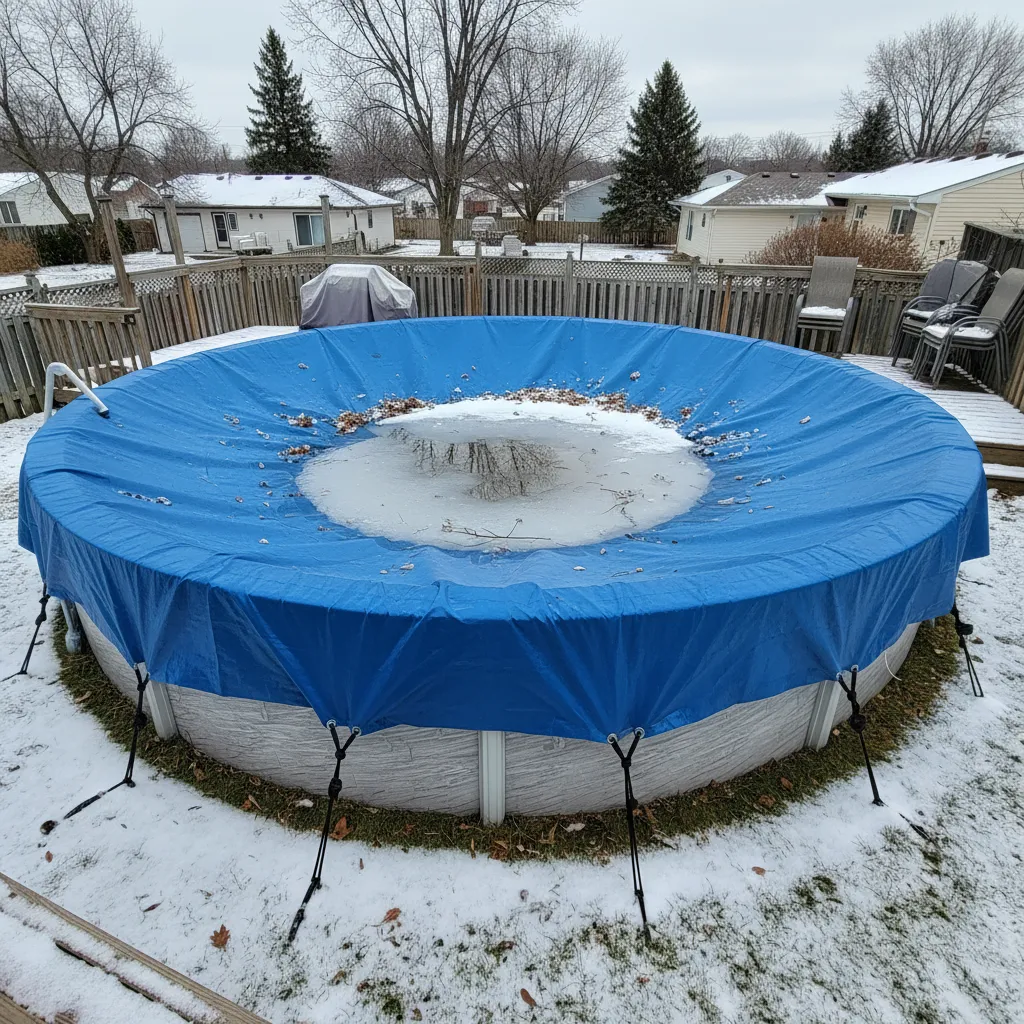
"Invest once to protect your liner and prevent a swamp in the spring."
Heavy-Duty Winter Pool Cover
Winter demand is high - check stock
Compatibility Of Algaecide With Saltwater Systems
Saltwater pools operate with chlorine levels between 1-3 ppm and salt concentrations of 2,500-4,500 ppm. Algaecides must function within these parameters without disrupting the salt cell’s chlorine production. Polymer-based algaecides (polyquats) and non-metallic formulas are generally safe, as they don’t corrode equipment or leave residues. Copper-based products work but require strict dosing to prevent metal buildup, which can stain surfaces or damage components. When managing water quality in places like wave pools, it’s important to consider how various chemicals interact. Proper balancing of these chemicals ensures a safe and enjoyable experience for all users.
| Algaecide Type | Compatibility | Max Dose |
|---|---|---|
| Polyquats | High | 16 oz per 10k gal |
| Quats | Moderate | 12 oz per 10k gal |
| Copper-Based | Low | 6 oz per 10k gal |
Always follow manufacturer guidelines. Exceeding doses risks equipment damage or water imbalance.
Potential Risks Of Using the Wrong Algaecide
Incompatible algaecides can trigger costly issues. Copper-based formulas exceeding 0.2 ppm in water may stain plaster or vinyl surfaces blue-green. Quaternary ammonium compounds (quats) can foam excessively if overdosed, clogging filters or skimmers. Some metallic algaecides also corrode titanium salt cells, shortening their lifespan from 5-7 years to as little as 2 years. Always test water after application: pH should stay between 7.2-7.8, and total dissolved solids (TDS) below 4,500 ppm.
Properly balancing algaecide use with your pool’s chemistry sets the stage for effective treatment. Next, we’ll break down application techniques to maximize results while protecting your system.
How to Use Algaecide in a Saltwater Pool
Adding algaecide to a saltwater pool works best when done right. Follow steps to keep water clear and avoid harm to your salt system.
Step-by-step Application Process
Test water first. Aim for pH 7.2–7.6 and salt levels at 2700–3400 ppm. Brush walls to loosen algae. Pour algaecide near jets with the pump on. Run the pump for 8–12 hours to spread the mix. Wait 24 hours before swimming. For green pools, shock before adding algaecide. Pool noodles can be fun additions to your swim time. It’s important to know the weight limit for pool noodles to ensure they are safe and effective for everyone using them.
Calculating Proper Dosage for Saltwater Pools
Most algaecides need 12 fl oz per 10,000 gallons weekly for upkeep. For heavy growth, use 24–32 fl oz. Check the label for saltwater use—some formulas need 30% less due to salt’s natural algae fight. Avoid over-dosing: copper types above 0.3 ppm stain surfaces.
Timing and Pool Circulation Requirements
Add algaecide at dusk. Sun breaks down chems fast. Run the pump non-stop for 24 hours after treatment. Poor flow leaves dead spots where algae regrows. Use a timer if your pump lacks variable speeds. Clean filters post-treatment to catch dead algae.

Types Of Algaecide Suitable for Saltwater Pools
Not all algaecides work with salt systems. Pick types that won’t clog cells or cloud water.
Quaternary Ammonium Compounds (Quats)
Quats kill green algae fast and cost less. Use 50–100 ppm doses. They foam in high doses—avoid if your pool has a spa or waterfall. Rinse filters after use.
Polymer-based (Polyquats) Algaecides
Polyquats don’t foam and work in saltwater. They bind to algae cells, making them sink for easy vacuuming. Use 6–8 oz per 10k gallons. Safe for all filter types but costs 20% more than Quats.
Copper-based Algaecides
Copper stops black and mustard algae. Keep levels under 0.3 ppm to avoid blue stains. Test weekly with a metal kit. Pair with a sequestering agent to hold copper in solution. Maintaining proper chemical levels is also important for a chlorine evaporate pool. Regular testing ensures that chlorine levels stay balanced for safe swimming.
Non-metallic Algaecide Alternatives
Enzymes or borates eat algae food without metals. Add 1 lb per 10k gallons monthly. Slower but won’t harm salt cells or change water balance. Good for pools with white plaster.
Picking the right algaecide matters for pool health. Next, learn how these choices affect your salt chlorine maker’s work.
Also See: Does Pool Shock Expire? Here’s What You Need to Know
Effect Of Algaecide on Saltwater Chlorine Generators
Saltwater pools rely on chlorine generators to convert dissolved salt into sanitizing chlorine. Introducing algaecide requires careful consideration of how its components interact with these systems. The wrong formula or dosage might disrupt the delicate balance needed for optimal chlorine production. This balance is crucial for maintaining a clean and safe swimming environment. For many, switching to a liquid chlorine salt pool offers a convenient way to manage chlorine levels effectively.
Impact on Salt Cell Performance
Salt cells, which house the metallic plates responsible for electrolysis, can suffer reduced efficiency when exposed to certain algaecides. Copper-based products, for example, leave residues on cell plates over time. This buildup forces the system to work harder, increasing energy consumption by up to 15% and potentially shortening the cell’s lifespan from 5-7 years to 3-4 years. Polyquat or quaternary ammonium compounds (quats) typically pose fewer risks but still require post-treatment filtration cycles to prevent foaming.
Chemical Interactions With Chlorine Output
Algaecides containing metals like copper or silver can bind with free chlorine, lowering the pool’s oxidation-reduction potential (ORP). This reaction creates temporary drops in sanitizer effectiveness—sometimes below the recommended 1-3 ppm range. For pools using supplemental cyanuric acid (CYA), polymer-based formulas work better since they don’t form chlorinated byproducts that strain the generator. Testing chlorine levels within 6-8 hours after treatment helps verify system recovery. Maintaining the right balance of chlorine and cyanuric acid is critical for effective sanitation. The relationship between these two compounds ensures that chlorine remains stable and effective in keeping pools clean.
Preventing and Removing Algae in Saltwater Pools
While saltwater systems produce consistent chlorine, algae outbreaks still occur due to environmental factors or equipment hiccups. Proactive strategies blend chemical treatments with physical maintenance to keep walls and water crystal clear.
Routine Maintenance Best Practices
Brush pool surfaces twice weekly to dislodge early algae colonies before they spread. Maintain salt levels between 2700-3400 ppm and stabilizer (CYA) at 70-80 ppm to support chlorine efficiency. Run the pump 8-12 hours daily to ensure even distribution of sanitizers and prevent dead zones where algae thrive. The size of your pool can impact how efficiently you manage these tasks. Knowing the pool’s square feet helps you determine the right amount of chemicals and the pump’s operating time.
Combining Algaecide With Shock Treatments
For active blooms, pair polyquat algaecide (following label dosage) with a chlorine shock dose of 2-3 ppm above normal levels. Apply shock at dusk when UV rays won’t degrade it, then add algaecide 24 hours later once chlorine drops below 5 ppm. This staggered approach prevents chemical conflicts while breaking down algae cell walls through oxidation and biocidal action. Similarly, just as methods are used to cleanse pools, the Pool of Bethesda is known for its healing waters. People believed that the waters of this pool could cure ailments when they were stirred.
Cleaning Filters and Surfaces Effectively
Backwash sand or DE filters once pressure rises 8-10 psi above normal. For cartridge filters, soak grids monthly in a trisodium phosphate (TSP) solution to remove organic buildup. Scrub tile lines with a nylon brush to eliminate biofilm—a common algae food source—and vacuum debris promptly to reduce nutrient load.
How Often to Add Algaecide in Saltwater Pools
Frequency depends on climate, usage, and water chemistry stability. Overuse wastes money and risks chemical imbalances, while underdosing invites algae.
Preventive Maintenance Schedule
Most saltwater pools benefit from 1-2 oz of non-metallic algaecide per 10,000 gallons weekly during swim season. For pools with consistent 3 ppm chlorine levels and proper circulation, extend treatments to every 10-14 days. Always test phosphate levels monthly—if below 100 ppb, preventive doses can be reduced by 25%. Keeping your pool clean and balanced is important for safety and enjoyment. A bleach pool calculator can help you determine the right amount of bleach to maintain optimal chlorine levels.
Adjusting Frequency During High-risk Seasons
Increase treatments to weekly during periods of heavy rainfall, extreme heat (above 90°F), or elevated swimmer loads. Pools near vegetation might require 50% higher doses in fall when leaf debris introduces organic matter. Monitor water clarity with a Secchi disk—if visibility drops below 5 feet, resume standard dosing immediately.
While algaecide plays a role in saltwater pool care, alternative methods exist for those seeking different approaches to algae management.
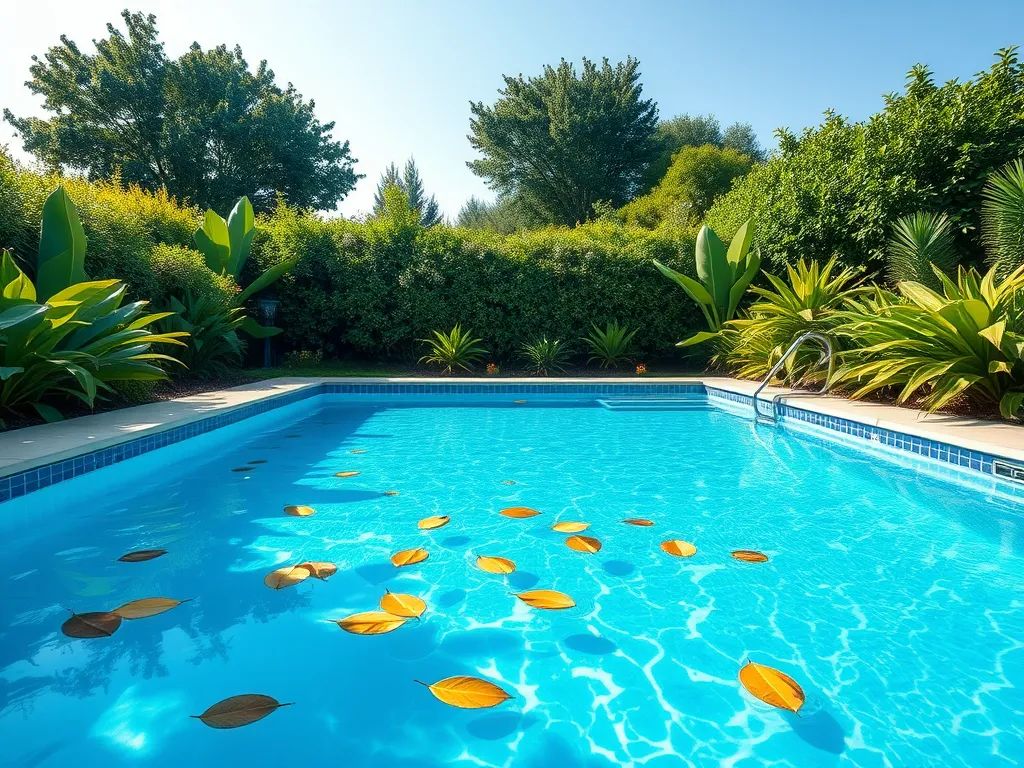
Alternatives to Algaecide for Saltwater Pool Algae Control
While algaecide for saltwater pools can be effective, many owners prefer methods that align with their system’s chemistry or reduce chemical dependency. These strategies work with saltwater chlorine generators while tackling algae at its source. Having a well-maintained pool is crucial for homeowners in Florida. A beautiful pool can significantly boost the property’s value in this sunny state.
Boosting Chlorine Levels Strategically
Saltwater pools produce chlorine through electrolysis in the salt cell. Temporarily increasing output to 100% for 24–48 hours raises free chlorine levels to 5–10 ppm, enough to eliminate early-stage algae. For severe blooms, superchlorinate (shock) the pool to 30 ppm by adding sodium hypochlorite or calcium hypochlorite. This oxidizes organic matter and breaks down algae cell walls without adding algaecide in a saltwater pool. Maintaining appropriate chlorine levels is crucial for overall pool health. One aspect that relates to water temperature is the role of the long heat pool.
Enhancing Filtration and Circulation
Algae spores thrive in stagnant water. Run the pump for at least 12 hours daily, extending to 16–18 hours during algae outbreaks. Clean or backwash filters when pressure rises 8–10 psi above normal—clogged sand, cartridge, or DE filters lose 40–60% efficiency. Brush walls and floors twice weekly to dislodge algae, then vacuum debris toward the main drain to trap particles.
Natural Cleaning Methods
Enzyme-based clarifiers break down oils and phosphates that feed algae, while borates (50 ppm) create an inhospitable environment for growth. Manual scrubbing with nylon brushes removes biofilm, and robotic pool vacuums with microfiber bags capture spores. Baking soda (sodium bicarbonate) balances pH without affecting salt cell performance, maintaining water conditions that deter algae.
Exploring these options helps maintain clarity without relying solely on saltwater pool algaecide. For those considering chemical treatments, our next section answers common questions about balancing algaecide with saltwater system safety.
FAQ: Using Algaecide in Saltwater Pools
Will Algaecide Affect the Ph Balance Of My Saltwater Pool?
Most polymer-based algaecides have minimal impact on pH when used as directed. However, copper-based formulas may slightly lower pH over time. Always test water 4-6 hours after application and adjust alkalinity if needed to maintain 7.2-7.6 pH range.
How Long Does Algaecide Take to Work in a Saltwater Pool?
Visible results typically appear within 12-24 hours for preventative doses. Severe algae outbreaks may require 48-72 hours when combined with shock treatments. Poor circulation or cold water (below 65°F) can slow effectiveness by 30-50%.
What is the Shelf Life Of Algaecide Products for Saltwater Pools?
Unopened containers last 2-3 years when stored in cool, dry conditions. Once opened, use within 6 months for metallic formulas and 12 months for polyquats. Discard if product separates or develops strong ammonia-like odors.
Can I Use Algaecide With a Saltwater Pool’s Automatic Chlorinator?
Yes, but maintain at least 2 hours between adding algaecide and chlorinator operation cycles. Avoid direct contact with salt cells—program chlorinators to pause for 1 hour after algaecide application to prevent chemical cross-interaction.
Are There Environmental Considerations When Using Saltwater Pool Algaecides?
Copper-based products may accumulate in surrounding soil if backwashed frequently. Use drain filters for wastewater and choose EPA Safer Choice-certified polyquats when possible. Never exceed recommended doses to minimize ecosystem impact.
How Should I Store Unused Algaecide Safely?
Keep in original containers away from chlorine tablets and acid vapors. Store metallic algaecides in plastic bins to contain leaks. Maintain storage temperatures between 50-80°F—freezing degrades polymers, while heat breaks down quaternary ammonium compounds. Proper storage practices are vital for preserving the effectiveness of your pool chemicals. Storing them outside requires careful consideration of temperature and exposure to the elements.
Closing Thoughts
Using algaecide in a saltwater pool is possible—but requires careful selection and application. The right product, such as polyquats or non-metallic alternatives, prevents damage to salt cells while keeping algae at bay. Proper dosing, timing, and routine maintenance ensure effectiveness without disrupting chlorine production.
For precise chemical calculations and tailored pool care advice, explore My Pool Calculator. Whether adjusting algaecide frequency or troubleshooting algae outbreaks, our tools simplify saltwater pool management.
Stay proactive with algae control. Balance algaecide use with shock treatments, filtration upgrades, and natural methods for a crystal-clear, low-maintenance pool.
Useful References for You:
- Do You Need to Add Algaecide to a Swimming Pool With a Salt Water System?
- How to: Care for your salt water pool – HTH Pools
- Removing Algae in Your Salt Water Pool
- Hot tub built in UNDER the deck – Pool Spa Forum
A pool care geek who’s been testing water chemistry since she was tall enough to reach the skimmer.
Algae Treatment, Common Problems, Pool Chemistry