Can You Use a Pool Filter for a Pond? Let’s Break It Down
Published on: February 12, 2026 | Last Updated: November 17, 2025
Written By: Lila Fairholme
Yes, you can use a pool filter for a pond, but it requires specific conditions. Both systems remove debris and circulate water, but pool filters are designed for chemically treated water and smaller particles. Pond filters handle organic waste, fish waste, and algae growth, which pool filters aren’t built to manage long-term. Success depends on pond size, the type of debris present, and whether your pond has fish or plants. Expect to modify equipment or add supplementary filtration for balanced water quality.
This article explains how pool and pond filtration systems work differently—and when repurposing equipment makes sense. You’ll learn how factors like water volume, pump flow rates (measured in gallons per hour or GPH), and biological filtration needs impact performance. We’ll also explore scenarios where a pool filter might save upfront costs but increase maintenance for koi ponds or plant-heavy water features.
By the end, you’ll know how to calculate your pond’s filtration needs, adapt a pool filter with DIY tweaks, and decide if hybrid solutions work better. We’ll cover safety risks like ammonia spikes from fish waste, cost comparisons between $200 pool filters and $500+ pond systems, and tips to avoid clogged cartridges from leaves or algae blooms.
Comparing Pool and Pond Filtration Systems
Pool and pond filtration systems share a common goal: keeping water clean. Both remove debris and maintain clarity through mechanical filtration. Sand filters, cartridge filters, and diatomaceous earth (DE) filters are standard in pools, while ponds often use biofilters, pressurized filters, or gravity-fed setups. But the similarities end there.
Crucial Winterizing Products
"The all-in-one solution for a guaranteed clear spring opening."
All-in-One Closing Chemical Kit
Winter demand is high - check stock

"The 'set & forget' option. This is the easiest winterizing I've ever done."
Simple 3-in-1 Winterizing Balls
Winter demand is high - check stock
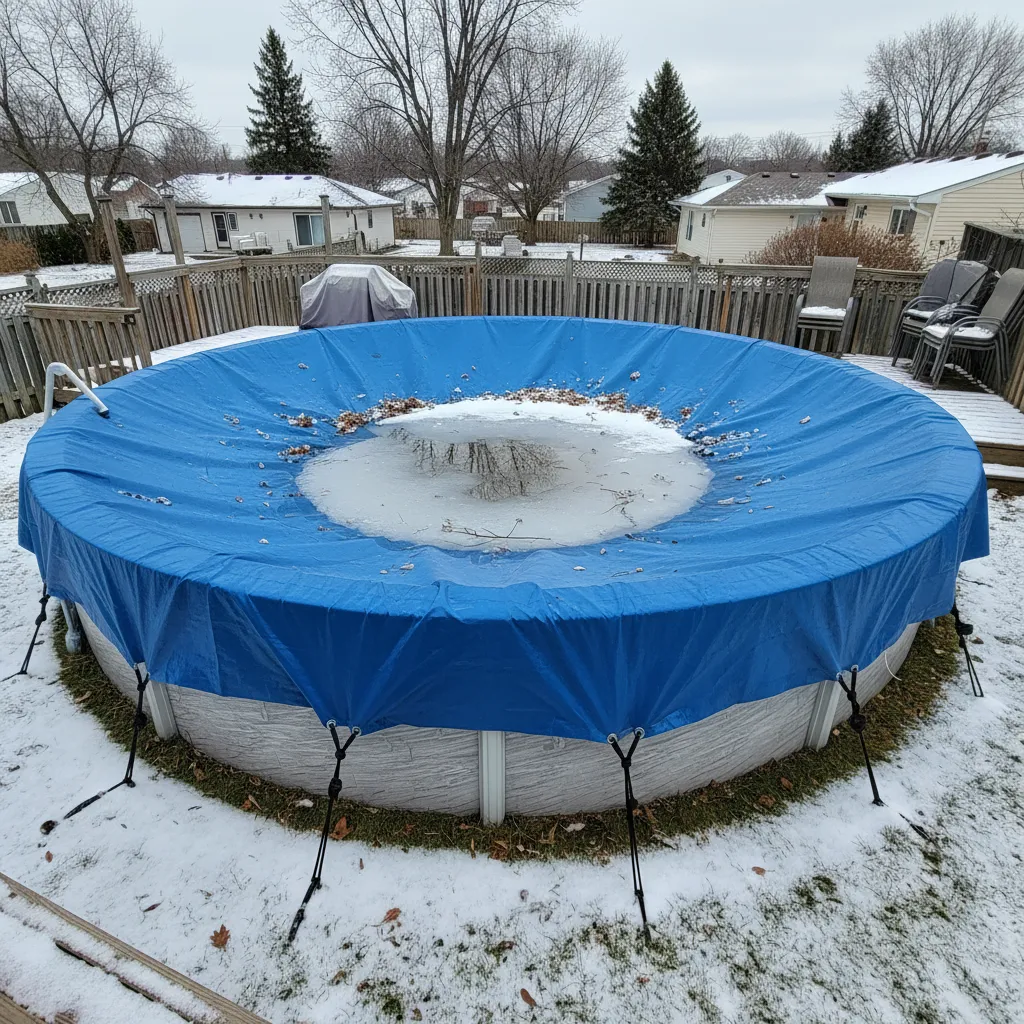
"Invest once to protect your liner and prevent a swamp in the spring."
Heavy-Duty Winter Pool Cover
Winter demand is high - check stock
Similarities in Filtration Needs
Both systems target particles like leaves, dirt, and algae. Pool filters handle sand-sized debris (20-100 microns), and pond filters manage finer organic matter. Flow rates matter in both cases—pools require 50-75 gallons per hour (GPH) per square foot, while ponds need 100-150 GPH for proper circulation. Chlorine-resistant materials in pool equipment can also withstand pond water additives like algaecides.
Critical Differences in Design and Function
Pool filters prioritize chemical balance and rapid particle removal, while pond filters focus on biological filtration. Beneficial bacteria in pond systems break down fish waste and ammonia—a process absent in pool setups. Pool pumps typically run 8-12 hours daily, but pond pumps operate 24/7 to maintain oxygen levels. Pool filters lack the surface area needed for bacterial colonization, risking toxic buildup in ponds with fish.
Can You Use a Pool Filter for a Pond?
Repurposing a pool filter for pond use is possible but comes with trade-offs. A 150-square-foot cartridge pool filter might handle a 1,000-gallon pond with minimal fish, but larger setups demand specialized gear. Compatibility depends on three factors: biological load, debris type, and aquatic life.
Pros Of Using a Pool Filter
Pool filters excel at mechanical filtration, removing fine particulates down to 5 microns. DE filters, for example, can polish murky pond water in hours. Existing pool owners might save $300-$800 by avoiding dedicated pond equipment. These filters also withstand high-pressure setups, making them suitable for waterfall features requiring 2,500-3,000 GPH flow rates. For those with a large space, a pool can be a great addition. A 10,000-gallon pool provides plenty of room for relaxation and fun.
Cons and Potential Drawbacks
Pool filters lack bio-media chambers for nitrifying bacteria, critical for breaking down fish waste. Without this, ammonia spikes can occur within 48 hours, endangering koi or goldfish. Backwash cycles in sand filters may disrupt pond ecosystems by removing beneficial microbes. Pool pumps also consume 30-50% more energy than pond-specific models, raising long-term costs.
Key Factors to Consider
Before installing a swimming pool filter in a pond, evaluate these non-negotiable elements. A mismatch could lead to green water, fish stress, or equipment failure.
Pond Size and Water Volume
Pool filters work best in ponds under 1,500 gallons. A 24-inch sand filter rated for 15,000-gallon pools can manage a 1,200-gallon pond if paired with a 1.5 HP pump. For larger ponds, flow rates drop below the recommended 1x turnover per hour, allowing algae blooms.
Debris Load and Organic Matter
Ponds collect more organic waste—fish food, decaying plants, and algae—than pools. A cartridge pool filter clogged with pollen might last a week in a pool but fail within days in a leafy pond. Pre-filters like skimmer nets or settling tanks become mandatory add-ons.
Fish and Plant Considerations (E.g., Koi)
Koi produce 0.2 ounces of waste daily per pound of body weight. A 10-pound koi generates 2 ounces daily—equivalent to 12 pool swimmers’ sunscreen residue. Pool filters don’t process this bioload, risking ammonia levels above 0.5 ppm (toxic for fish). Aquatic plants like lilies also shed pollen that can coat filter membranes.
Also See: How a Backwash Sand Filter Works for Your Pool
Using a Pool Filter for a Koi Pond
Koi ponds demand precision. These fish require dissolved oxygen levels above 6 mg/L and ammonia under 0.1 ppm. While a swimming pool filter might mechanically clear water, it won’t sustain biological balance.
Special Requirements for Koi Health
Koi need biofiltration to convert ammonia into nitrates. A pool filter’s 2-3 square feet of surface area pales against a biofilter’s 25-50 square feet of bacterial colonization space. Supplemental aeration—like air stones or venturi injectors—becomes critical when using pool equipment, adding $100-$300 to setup costs.
Risks Of Inadequate Filtration
In tests, ponds with pool filters showed ammonia spikes 2-3x faster than those with biofilters. Koi exposed to 0.3 ppm ammonia for 72 hours exhibited gill damage. Without UV sterilization (absent in most pool filters), parasites like Costia or Trichodina can proliferate, requiring $50-$150 monthly treatments.
For those determined to proceed, modifying a pool filter requires addressing flow dynamics and microbial support—topics we’ll explore next when breaking down equipment adaptations. To keep a pool warm and reduce evaporation, many people are turning to innovative solutions. One such solution is liquid solar cover, which can create a barrier on the water’s surface, enhancing energy efficiency.
Comparing Pool and Pond Filtration Systems
Pool filters remove debris from chlorinated water, while pond systems balance ecosystems supporting fish, plants, and microbes. Though both systems circulate water to prevent stagnation, their design priorities diverge sharply.
Similarities in Filtration Needs
Both systems target suspended particles like leaves or silt. Cartridge filters, common in pools, capture particles down to 10–20 microns. Sand filters trap debris through graded media layers. These methods work for basic mechanical filtration in ponds with light organic loads.
Critical Differences in Design and Function
Pool filters prioritize chemical compatibility, built to handle chlorine levels up to 5 ppm. Pond filters integrate biological stages, housing nitrifying bacteria that convert fish waste (like koi excrement) into less toxic compounds. Without this biofiltration, toxic buildup of nitrites can reach lethal concentrations exceeding 0.5 ppm within days. In addition to these filters, backwash pool cartridge filters play a crucial role in maintaining clean water. They help remove debris and contaminants, ensuring a healthy swimming environment.
| Feature | Pool Filter | Pond Filter |
|---|---|---|
| Flow Rate | 40–80 GPM | 15–30 GPM |
| Media Type | Sand, DE, Cartridge | Bio-balls, Matting, Foam |
| Primary Function | Particle Removal | Biological Processing |
Can You Use a Pool Filter for a Pond?
Repurposing pool gear for ponds works temporarily but requires modifications. Below, we break down the trade-offs.
Pros Of Using a Pool Filter
High-flow pool pumps (up to 3,000 GPH) quickly clear murky water caused by sediment storms. Cartridge filters cost 30–50% less than dedicated pond systems, with replacement parts widely available. Pairing with UV clarifiers (25–55 watts) can offset limited biological capacity by controlling green water.
Cons and Potential Drawbacks
Pool filters lack surface skimmers, letting debris sink and decay. Frequent backwashing (every 3–7 days vs. monthly for pond filters) disrupts microbial colonies needed for nitrogen cycles. Chlorine residue from pool pumps corrodes rubber seals, risking leaks into fish habitats.
Next, we’ll explore how pond size, fish species, and debris types determine whether this swap succeeds long-term.
Key Factors to Consider
Pool filtration tools might look similar to pond systems, but making a swap demands looking at a trio of critical factors. Without this analysis, you risk cloudy water, unhappy fish, or constant upkeep battles.
Pond Size and Water Volume
Pool filters work with set limits—usually handling 10,000-30,000 gallons. But ponds vary wildly: a tiny 500-gallon water garden vs. a 5,000-gallon koi habitat. A sand filter built for pools might cycle 20 gallons per minute (GPM), which could overshoot a small pond’s capacity, stripping vital nutrients. Always match a pump’s flow rate (in GPH or GPM) to your pond’s total volume. Aim for a full water cycle every 1-2 hours.
Debris Load and Organic Matter
Pool skimmers grab leaves and bugs, but ponds battle mud, fish waste, and algae blooms. Cartridge filters clog fast with thick sludge, and sand filters lack micro-filtration for particles under 20 microns. A pool’s daily debris load sits at ~0.5 lbs/10k gallons, while ponds can hit 2-5 lbs—forcing filters to work 4x harder. Add a pre-filter sponge or settling tank if adapting a pool system.
Fish and Plant Considerations (E.g., Koi)
Koi ponds demand biofiltration to break down ammonia from fish waste—a job pool filters skip. Most pool units focus on physical filtration (trapping solids) but lack biomedia for housing nitrifying bacteria. Without this, ammonia spikes above 0.5 ppm can harm fish. Plants also dislike chlorine residue; pool filters might hold traces if not fully purged post-cleaning.
Using a Pool Filter for a Koi Pond
Koi grow up to 24” long and produce waste nonstop. A pool filter might cut it short-term, but long-term survival asks for more.
Special Requirements for Koi Health
Koi need 1000+ gallons per fish and water with <10 ppm nitrates. Pool filters don’t tackle dissolved organics or nitrites, which can climb to toxic levels within days. Pairing a pool’s sand filter with a bog filter or adding a UV clarifier ($150-$300) helps control algae without harming biofilms. When maintaining a pool for koi, it’s also important to consider the [flexible_link url="https://mypoolcalc.com/pool-square-feet" type="permanent"]size of the pool[/flexible_link]. The square feet of your pool will determine how many koi you can keep healthy and happy.
Risks Of Inadequate Filtration
A pool pump pushing 50 GPM in a 2000-gallon pond creates turbulent flows, stressing fish. High-pressure pool filters might also suck in small koi fry. Insufficient biofiltration leads to “New Pond Syndrome”—ammonia burns, fin rot, or fish loss within weeks. Testing kits for pH (7.0-8.5), ammonia (0 ppm), and nitrites (0 ppm) are non-negotiable. Maintaining water quality is crucial for fish health. A swim-shocked pool can lead to similar problems if not balanced properly.
Differences Between Pool and Pond Equipment
Pool gear prioritizes chlorinated, low-organics H2O. Pond tools focus on biology and variable conditions. Knowing this split stops costly mistakes.
Pump Differences: Flow Rate and Durability
Pool pumps often run at 3450 RPM, built for 8-hour daily cycles. Pond pumps use 1750 RPM for 24/7 runtime, saving power and lasting 5-7 years vs. 2-3. Magnetic-drive pond pumps also avoid oil leaks—critical for fish safety. Flow rates matter too: a ⅓ HP pool pump might push 3000 GPH, but a pond pump with identical power prioritizes head height (vertical lift) for waterfalls or streams. The lifespan of a pool heater can also vary based on its usage and maintenance. Regular care can help extend the life of your pool heater, ensuring warm water for many seasons to come.
Filter Differences: Media and Cleaning Cycles
Pool filters use sand (#20 silica) or 50-100 micron cartridges. Pond filters stack foam pads (30 ppi), bio-balls, and lava rock for multi-stage scrubbing. Backwashing a pool filter dumps waste water, but pond variants need manual rinsing to protect bacterial colonies. A DE filter’s powder coating—common in pools—can harm gill functions if particles drift into ponds. Above-ground filtration systems are important for maintaining clean water in both pools and ponds. They help ensure the ecosystem remains balanced and healthy.
But what if modifying existing tools? Up next: hacking pool filters for pond duty without risking wildlife.
Adapting a Pool Filter for Pond Use
While pool filters can move pond water, they need key tweaks to handle organic waste and fish needs. Pool gear lacks the bio layers and flow rates ponds demand. Let’s break down what it takes to make a pool filter work in a green, living space. A clean brown pool can be achieved with the right adjustments. Proper filtration not only supports aquatic life but also keeps the water clear and healthy.
Necessary Modifications and Add-ons
Start by adding a pre-filter like a skimmer net or mesh basket to catch leaves and algae before they clog the pump. Pool filters miss this step, which can burn out motors in days. Next, mix in bio media—plastic balls, lava rock, or foam pads—to host good bugs that break down fish waste. A UV clarifier ($100-$300) helps kill green water cells that pool gear can’t trap. Keeping your pool area clean also includes A clean pool screen. A clean pool screen not only enhances the look of your space but also protects your pool from debris.
Step-by-step Setup Guide
First, check your pool pump’s flow rate. A 1,000-gallon pond needs at least 500 gallons per hour (GPH). Hook up a pre-filter to the pump intake. Add a bio chamber (a 5-gallon bucket with holes works) filled with media between the pump and filter. Set the filter to backwash mode for easy muck clean-out every 3-7 days. Test water for ammonia weekly; aim for 0 ppm to keep fish safe.
Alternative Pond Filtration Solutions
If tweaking a pool filter feels too risky, other paths balance cost, ease, and fish health. Dedicated pond systems or hybrid builds often yield better long-term results.
Dedicated Pond Filters
Pressurized pond filters (like Oase FiltoClear) handle 500-5,000 gallons and cost $200-$700. They merge mech and bio steps in one tank, with foam pads and UV light slots. Gravity-fed filters, such as Tetra BioActive, use less power and fit small ponds under 300 gallons. For koi ponds, bead filters ($800-$2,500) offer high flow (3,000-10,000 GPH) and auto-clean modes.
Hybrid Systems and DIY Options
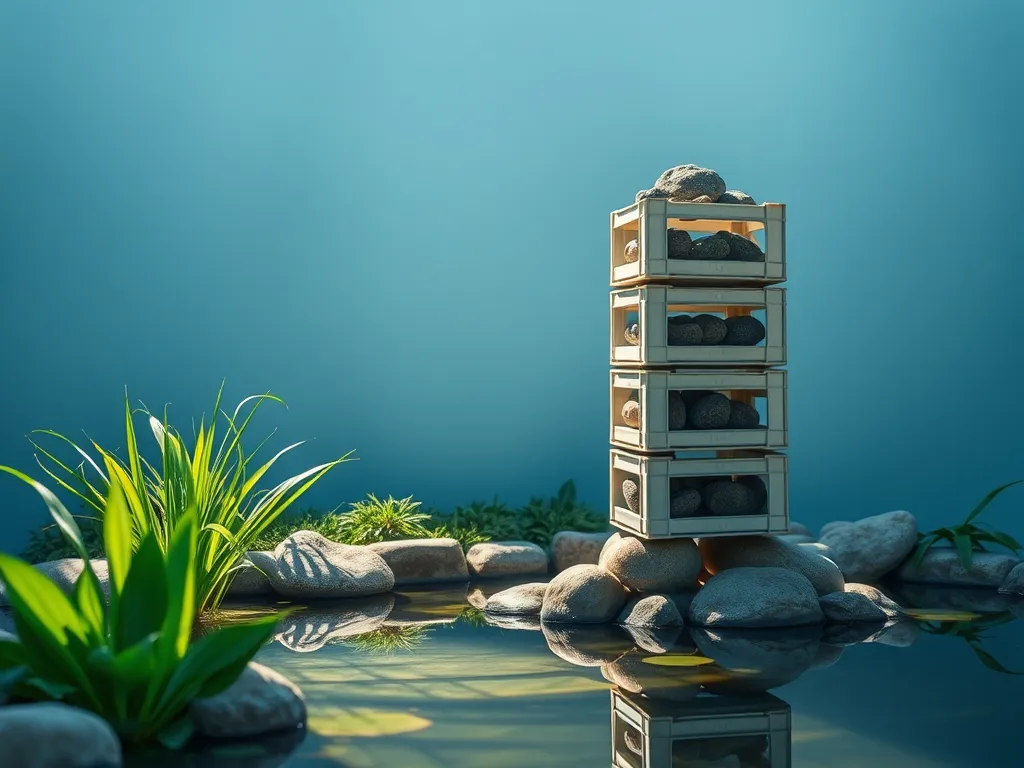
Pair a pool sand filter with a separate bio tower filled with plastic mesh ($50-$150). Run the pump output through the tower before water returns to the pond. For DIY fans, stack milk crates lined with quilt batting to catch silt, then add lava rock in mesh bags. This setup costs under $100 and works for ponds up to 800 gallons. Just like maintaining a pond, keeping a salt pool requires careful planning. Many entrepreneurs are exploring salt pool startups to provide easier and healthier swimming options.
Cost Vs. Benefits Analysis
Using a pool filter might save cash upfront but could cost more in time and parts later. Let’s weigh the numbers.
Initial Costs and Long-term Maintenance
A used pool sand filter costs $50-$200, while new pond filters start at $300. But add-ons like UV lights (+$120), bio media (+$80), and extra hoses (+$40) narrow the gap. Pool pumps use 1,200-2,500 watts vs. pond pumps at 50-400 watts, hiking power bills by $15-$50 monthly. Expect to replace pool filter sand yearly ($20) vs. rinsing pond foam pads for free. Keeping your pool at the right temperature is also a factor to consider. Pool chillers can add to your costs, and it’s important to know how they fit into your overall budget.
When to Choose a Pool Filter Over a Pond Filter
Pick a pool filter if your pond is under 500 gallons with no fish, or as a quick fix while waiting for pond gear to ship. They also suit seasonal water features run for 3-4 months yearly. Avoid them for koi, heavy plant growth, or ponds near trees that drop lots of debris.
With these cost and setup factors in mind, let’s tackle common questions about cross-use systems.
Frequently Asked Questions
“How Often Should I Clean a Pool Filter When Using It for a Pond?”
Pool filters repurposed for ponds typically require cleaning every 3–5 days due to higher organic debris loads. Cartridge filters clog faster than sand or DE models—expect to rinse them twice weekly during peak algae seasons. Always monitor pressure gauges: a 8–10 PSI increase signals immediate maintenance.
“Can I Convert a Pool Filter Into a Biofilter for My Pond?”
Yes, by adding bio-media like ceramic rings or porous lava rock to the filter chamber. Drill ¼” holes in the filter’s housing to improve water flow through the media. Pair this with a pre-filter sponge to prevent clogging, and allow 4–6 weeks for beneficial bacteria colonies to establish.
“Are Pool Filters Safe for Frogs or Turtles in Natural Ponds?”
Only if chlorine residues are fully purged and intake screens are added. Pool pumps without protective covers can injure small wildlife—install a suction-safe skimmer box or mesh guard. Avoid DE filters, as diatomaceous earth particles may harm amphibian skin.
“Will a Pool Filter Work With a Pond Waterfall or Fountain?”
High-flow pool pumps (1.5–2 HP) can power waterfalls needing 2,000–3,000 GPH. Use a ball valve to reduce flow pressure for delicate streams. Ensure the filter’s outlet diameter matches your waterfall tubing (typically 1.5”–2”) to prevent leaks or pressure loss.
“What Pool Filter Type (Sand, Cartridge, DE) Works Best for Ponds?”
Sand filters handle heavy sediment but struggle with fine algae. Cartridge filters offer finer filtration (10–20 microns) but require frequent cleaning. DE filters provide the clearest water but risk clogging from pond sludge. For most ponds, sand filters with added bio-media strike the best balance. When considering pond systems, it’s essential to evaluate how pumps function efficiently in these setups. Above ground pumps can provide reliable performance for maintaining your pond’s water quality and flow.
Closing Thoughts
Using a pool filter for a pond can work in some cases, but it’s not always the best solution. The key factors—pond size, debris load, and aquatic life—determine whether a pool filter will handle the job effectively. While pool filters offer cost savings and availability, they may lack the biological filtration needed for healthy fish and plants.
For koi ponds or heavily planted water features, dedicated pond filters are the safer choice. They’re designed to manage organic waste and support beneficial bacteria. Pool filters shine in smaller, low-maintenance setups with minimal fish.
Need help calculating flow rates or filter sizing? Check out My Pool Calculator for tools to optimize your water system, whether it’s a pool or an adapted pond setup.
Also See: Are the Fairy Pools Dangerous? Tips for a Safe Visit
Additional Resources for You:
- Pool & Hot Tub Alliance (PHTA). (2021). ANSI/APSP/ICC-11 Standard for Water Quality in Public Pools and Spas. Alexandria, VA: PHTA.
- Can you Convert a Sand Filter for Koi Ponds? | K.O.I.
- Can You Use a Pool Filter for a Pond? – About Backyard
- Tips on converting a sand filter to a pond filter – AZPonds & Supplies
- can I use a pool’s sand filter for a pond? | The Planted Tank Forum