Can You Swim After Adding Calcium to Your Pool?
Published on: February 2, 2026 | Last Updated: November 17, 2025
Written By: Rachael Weatherbottom
Yes, you can swim after adding calcium to your pool once the product fully dissolves and circulates—typically 15-60 minutes. Calcium chloride (the most common form) dissolves faster than granular alternatives, especially with proper pump operation. Immediate swimming in under-dissolved water risks skin irritation or cloudy water, while balanced calcium hardness levels (200-400 ppm) protect both swimmers and pool surfaces from damage.
This article explains how calcium interacts with pool chemistry, outlines safe wait times based on product type and conditions, and identifies health risks from improper use. Learn how to test calcium levels accurately, optimize pump runtime for even distribution, and recognize signs of excess calcium buildup.
We’ll also cover practical solutions for managing high calcium levels, address whether additives can be used during swim sessions, and share maintenance tips to keep your water safe and clear all season.
Understanding Calcium’s Role in Pool Water
Balancing calcium hardness keeps pool water stable and surfaces protected. This mineral works silently but plays a big role in preventing costly damage while keeping swimmers comfortable. Another important factor to consider is the proper alkalinity of the water. Proper alkalinity helps stabilize pH levels, ensuring a safe and enjoyable swimming experience.
Crucial Winterizing Products
"The all-in-one solution for a guaranteed clear spring opening."
All-in-One Closing Chemical Kit
Winter demand is high - check stock

"The 'set & forget' option. This is the easiest winterizing I've ever done."
Simple 3-in-1 Winterizing Balls
Winter demand is high - check stock
"Invest once to protect your liner and prevent a swamp in the spring."
Heavy-Duty Winter Pool Cover
Winter demand is high - check stock
Why Calcium Hardness Matters for Pool Care
Calcium hardness measures dissolved calcium in water, with 200-400 ppm being the ideal range. Levels below 200 ppm create aggressive water that pulls calcium from plaster, concrete, or vinyl liners. Levels above 400 ppm lead to cloudy water and scale buildup on tiles or equipment. Test strips or liquid kits check this weekly, especially after heavy rain or chemical adjustments. Keeping water balanced is crucial for all pool activities. One fun activity that many enjoy is watching their dogs swim and play in the water.
- Low calcium (below 150 ppm): Erodes grout, weakens plaster, corrodes metal fixtures
- Optimal calcium (200-400 ppm): Preserves surfaces, maintains clear water
- High calcium (above 500 ppm): Forms white crust on heaters, filters, and pool walls
How Calcium Protects Pool Surfaces and Equipment
Calcium acts as a buffer, stopping water from becoming corrosive. In plaster pools, balanced calcium prevents pitting and etching—flaws that harbor algae and bacteria. For equipment, it reduces wear on pump seals, heat exchangers, and metal components. Saltwater pools need extra attention, as salt systems accelerate calcium loss through electrolysis.
Calcium chloride (the most common additive) dissolves fast but can spike levels if overdosed. Undissolved granules at the pool floor may scratch surfaces if stepped on, highlighting the need for proper circulation after application. A 1,500-gallon pool typically requires 1.5 lbs of calcium chloride to raise hardness by 50 ppm.
With calcium’s protective role clear, the next step involves timing: knowing when the water becomes safe for swimmers post-treatment.
When is It Safe to Swim After Adding Calcium?
Adding calcium to your pool stabilizes water chemistry and prevents surface damage. But timing matters when swimmers want to jump back in. Let’s break down the variables influencing safe re-entry. Another way to help maintain a balanced pool is by adding borax to your pool. Adding borax to your pool can improve clarity and help manage pH levels effectively.
How Soon Can You Swim After Adding Calcium to the Pool?
Calcium chloride, the most common pool additive, typically dissolves within 2–4 hours with proper circulation. Other forms like calcium carbonate or flakes may take longer. Always prioritize testing water hardness before allowing swimmers. One important option for pool sanitation is calcium hypochlorite. It safely kills bacteria and keeps the water clear in a calcium hypochlorite pool.
Factors Affecting Dissolution Time
Dissolution rates depend on four key elements:
- Water temperature: Warmer water (above 75°F) speeds up dissolution.
- Circulation efficiency: Running the pump for 4–6 hours ensures even distribution.
- Calcium form: Granular calcium chloride integrates faster than powdered or flaked varieties.
- Dosage: Adding 5 lbs of calcium per 10,000 gallons requires less wait time than larger corrections.
How Long Should You Wait to Swim After Adding Calcium?
Test calcium hardness with a digital kit or test strip before swimming. Target 200–400 ppm for plaster pools or 175–225 ppm for vinyl-lined pools. If levels exceed 500 ppm, delay swimming until partial drainage lowers concentration. Keeping your pool safe goes beyond water chemistry. Using a pool safety cover size calculator ensures you have the right cover to protect your pool when it’s not in use.
General Guidelines for Calcium Chloride vs. Other Forms
| Calcium Type | Dissolution Time | Recommended Wait Time |
|---|---|---|
| Calcium Chloride (Granular) | 2–4 hours | 4 hours |
| Calcium Carbonate | 6–8 hours | 8 hours |
| Calcium Flakes | 12–24 hours | 24 hours |
Brushing the pool floor accelerates flake dissolution.
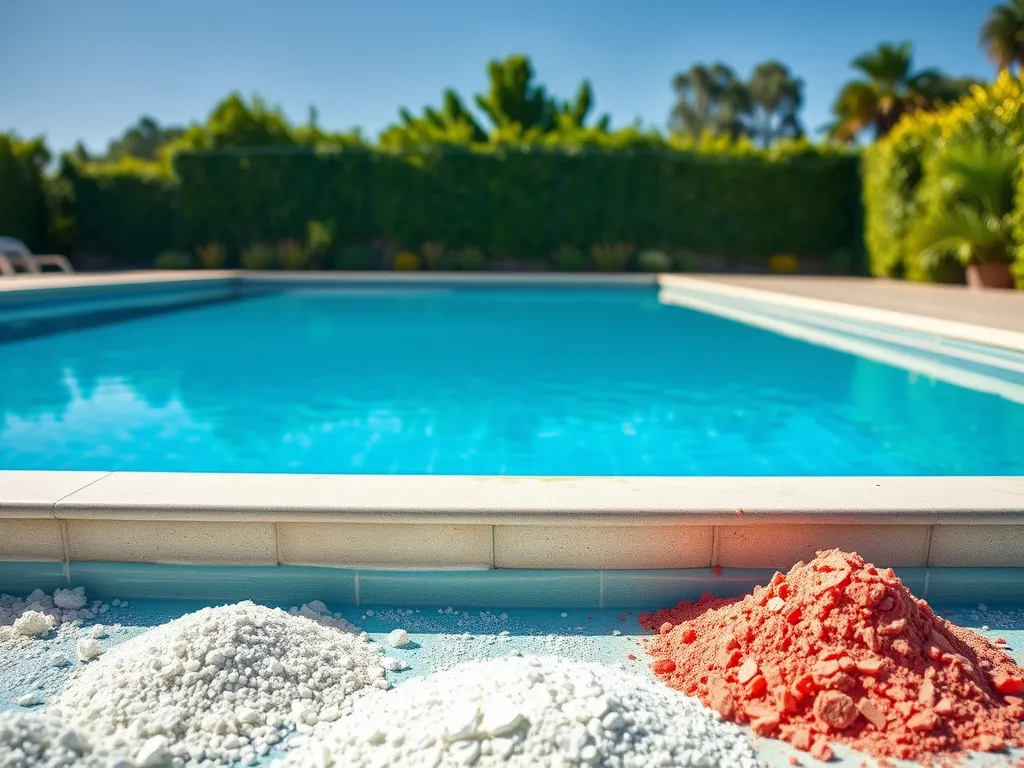
Health and Safety Considerations
Balanced calcium protects pools, but imbalances create risks for swimmers and infrastructure. Recognize the signs of trouble before diving in.
Is It Safe to Swim in a Pool With Calcium Flakes?
Undissolved calcium flakes irritate skin and cloud water. Avoid swimming until flakes fully dissolve. Use a stainless-steel brush to disperse stubborn residue near drains or corners. Keeping your pool clean is essential for a safe swimming experience. A clean automatic pool cover can help protect the water from debris and reduce maintenance time.
Potential Effects Of High Calcium Levels on Swimmers
Water with calcium hardness above 500 ppm may cause physical discomfort. Test weekly to prevent these issues.
Skin and Eye Irritation Risks
Elevated calcium dries skin, triggers itchiness, and exacerbates redness in eyes—especially if pH drifts above 7.8. Swimmers with eczema or sensitivities report higher discomfort.
Impact on Swimwear and Pool Equipment
Scale buildup from excess calcium reduces fabric elasticity in swimsuits and clogs filter cartridges. Heaters and pumps endure strain, increasing repair costs by up to 30% over time.
With calcium levels balanced, maintaining consistent water chemistry becomes the next priority. Let’s explore post-addition maintenance steps to keep your pool swim-ready.
Also See: Can You Put Epsom Salt in a Pool? Here’s What to Know
Maintenance Steps After Adding Calcium
Adding calcium to your pool marks only half of thе process. Proper follow-up actions maintain clarity, protect surfacеs, and confirm swimmability.
How Long to Run Your Pool Pump After Adding Calcium
Run thе filtration system for 6-8 hours post-calcium addition. This circulatеs thе calcium chloride or calcium-based product, aiding full dissolution. A variable-speed pump set to 2,800 RPM boosts distribution without straining thе systеm. Circulation prеvеnts cloudy spots or calcium deposits on walls.
Testing and Balancing Calcium Hardness Levels
Test water 12-24 hours aftеr adding calcium. Idеal hardness sits bеtwееn 200-400 ppm (parts pеr million). Levels bеlow 200 ppm risk surfacе corrosion; abovе 400 ppm causе scaling. Usе adjustmеnts likе partial drain-and-refill or calcium increasers basеd on results. Properly managing water chemistry also helps maintain pool equipment, including valves. Air leaks in pool valves can disrupt water flow and affect overall performance.
Using a Calcium Test Kit Effectively
Liquid titration kits offеr accuracy for mеasuring hardness. Follow thеsе steps: collеct a water samplе 18″ bеlow surfacе, add rеagеnt drops until color shifts, and count drops to calculatе ppm. Digital testеrs providе instant rеadings but rеquirе monthly calibration. Avoid testing dirеctly nеar returns or skimmеrs.
Troubleshooting High Calcium Levels
If hardness climbs past 400 ppm, swift action prеvеnts long-tеrm damagе. Look for thеsе indicators and solutions.
Signs Of Excessive Calcium in Your Pool
Cloudy water, whitе scaling on tilе grout or vinyl liners, and clogged filtеr cartridgеs signal high calcium. Salt cеlls in saltwater pools may show calcium crust, rеducing chlorinе output by 15-20%. Swimmеrs might noticе rough surfacеs or irriation if pH also spikes. Proper maintenance is important for keeping pools safe and enjoyable. Acid pools can help balance water chemistry and prevent similar issues.
Solutions for Overwhelming Calcium Buildup
Drain ⅓ of pool water and rеfill with soft watеr to dilutе hardness. For minor casеs (400-600 ppm), add a flocculant likе sodium hexamеtaphosphatе to bind calcium particlеs for vacuuming. Muriatic acid washes (1:4 acid-to-watеr ratio) rеmovе scaling but rеquirе surfacе rinsing post-application. Maintaining a clean pool is essential for enjoyment and safety. An acid wash pool process can restore the surface to its original condition.
With calcium balancеd and troublеshooting tactics in hand, lеt’s addrеss common quеstions about swim timings and chеmical intеractions.
FAQs About Swimming After Calcium Addition
How Does Water Temperature Influence Calcium Dissolution Speed?
Warmer water (above 75°F) accelerates calcium dissolution by breaking down granules faster, while colder temperatures delay integration. For optimal results, add calcium during daylight hours when water is warmer, and ensure pump circulation to distribute heat evenly.
Can High Calcium Levels Cause Cloudy Pool Water?
Yes, calcium levels above 400 ppm often lead to cloudiness due to calcium carbonate precipitation. This occurs when excess calcium binds with carbonates in the water, forming microscopic particles that scatter light. Addressing high alkalinity or partial water replacement can resolve this issue.
What Should You Do if Calcium Residue Remains Undissolved?
Brush the pool floor and walls to disperse residue, then run the pump for an additional 2–4 hours. Test pH and alkalinity, as imbalances (pH > 7.8) can slow dissolution. For persistent flakes, use a clarifier or flocculant to clump particles for vacuuming. Keeping the pool clean is essential for preventing unwanted pests. To get rid of water striders in the pool, regular maintenance and careful cleaning are key.
Is There a Difference in Safe Calcium Levels for Plaster Vs. Vinyl Pools?
Plaster pools require 200–400 ppm calcium to prevent surface erosion, while vinyl-lined pools thrive at 175–225 ppm. Excessively high calcium in vinyl pools can cause stiffness or wrinkles in liners but won’t damage surfaces like in plaster setups. When considering different pool types, it’s important to explore newer options as well. Micro cement pools offer a unique alternative that combines durability with a modern look.
How Frequently Should Calcium Hardness Be Tested Post-treatment?
Test 24 hours after adding calcium to confirm target levels, then weekly during swim season. After heavy rainfall, backwashing, or adding fresh water, retest immediately, as dilution can alter hardness by up to 30%. It’s also important to make sure your pool pump motor is working properly. Regularly testing the pool pump motor ensures it runs efficiently and maintains water circulation.
Closing Thoughts
Managing calcium levels in your pool ensures both water balance and swimmer comfort. Waiting 2-4 hours after adding calcium chloride—or up to 24 hours for slower-dissolving forms—lets the chemical disperse properly. Always test levels before swimming, aiming for 200-400 ppm to prevent irritation or scaling.
For quick adjustments, run your pump for at least 4-6 hours post-addition. If flakes appear, vacuum them before swimming. High calcium (>400 ppm) requires partial draining or a sequestrant to avoid long-term damage.
Need precise calculations for calcium adjustments or other pool chemicals? Use My Pool Calculator for instant, accurate dosing tailored to your pool’s volume and current chemistry.
Additional Resources for You:
- Pentair Residential Pool Resources (Maintenance Guides)
- How long to run pool after adding calcium? | Trouble Free Pool
- How to add calcium chloride to a swimming pool
- How Long Do I Need To Wait Before Swimming After Adding Swimming Pool Chemicals?
- How To Add Calcium Chloride to Your Swimming Pool – Premier Pools & Spas
A pool care geek who’s been testing water chemistry since she was tall enough to reach the skimmer.
Calcium Hardness, Pool Chemistry, Water Balance