Acid Wash Pool: Complete Guide to Process, Costs, and Considerations
Published on: December 15, 2025 | Last Updated: November 17, 2025
Written By: Rachael Weatherbottom
An acid wash pool treatment is a deep-cleaning process that uses diluted muriatic acid (a hydrochloric acid solution) and water to remove stubborn stains, mineral buildup, and discoloration from pool surfaces. Unlike routine maintenance, this aggressive method strips a thin layer of plaster or concrete to eliminate embedded contaminants. It’s used for severe cases of algae growth, calcium deposits, or metal stains that regular scrubbing can’t fix. The process requires draining the pool, applying the acid mix with specialized tools, and thorough rinsing. Costs typically range from $500 to $1,500, depending on pool size and stain severity. Safety measures like gloves, goggles, and proper ventilation are non-negotiable due to chemical risks.
This guide breaks down every aspect of acid washing, starting with how to identify when your pool needs this treatment. You’ll learn why faded color or rough textures signal it’s time for action and how to test for calcium hardness levels above 400 ppm. We’ll compare acid washing to resurfacing – including why a $3,000+ replaster job might be better for cracked or flaking surfaces. Detailed charts show how pool shape and stains impact labor time, while safety protocols outline the exact acid-to-water ratios (usually 1:10) needed to avoid surface damage.
You’ll also find pros and cons for different pool materials – like why fiberglass requires gentler techniques than concrete. We address common questions, including whether baking soda paste can replace acid for minor stains or if pressure washing at 2,500-3,000 PSI works as a chemical-free option. By the end, you’ll know how to extend your pool’s lifespan, budget for services, and decide between DIY or professional help.
What is Acid Washing a Pool?
Acid washing a pool involves using a diluted hydrochloric acid solution to strip away built-up contaminants from its interior surfaces. This aggressive cleaning method targets materials that resist standard brushing or chemical treatments, restoring the pool’s original appearance. While effective, it requires precise execution to prevent surface damage. One common usage of hydrochloric acid is in maintaining muriatic acid pools. Properly managing muriatic acid levels helps keep the water clear and safe for swimmers.
Crucial Winterizing Products
"The all-in-one solution for a guaranteed clear spring opening."
All-in-One Closing Chemical Kit
Winter demand is high - check stock

"The 'set & forget' option. This is the easiest winterizing I've ever done."
Simple 3-in-1 Winterizing Balls
Winter demand is high - check stock
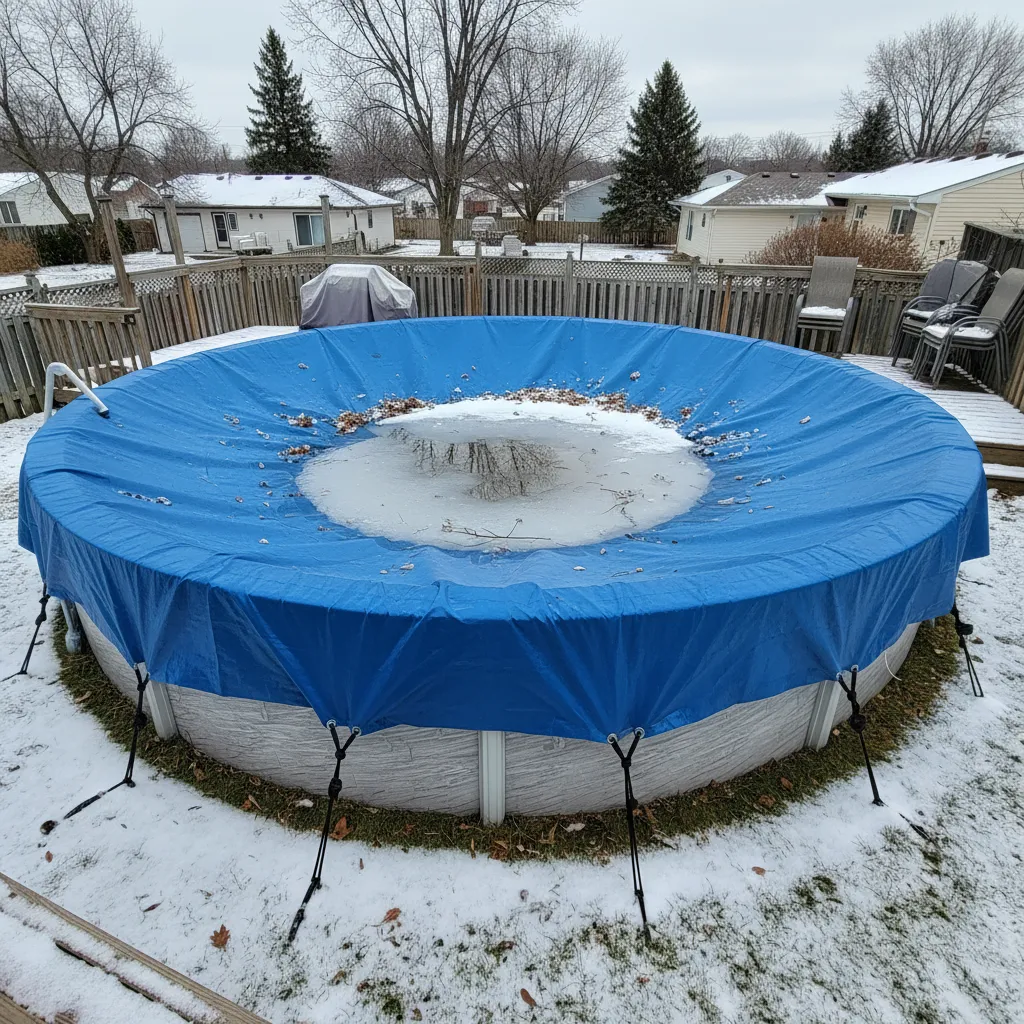
"Invest once to protect your liner and prevent a swamp in the spring."
Heavy-Duty Winter Pool Cover
Winter demand is high - check stock
Definition and Purpose Of Pool Acid Wash
A pool acid wash is a deep-cleaning procedure designed to eliminate stubborn stains, mineral deposits, and algae embedded in porous surfaces like concrete or plaster. Unlike routine maintenance, it’s reserved for severe cases where calcium scale, metal rust, or black algae have bonded with the pool’s finish. The process removes a thin layer of plaster (5-10 mils) to expose fresh material beneath discolored or degraded areas. Keeping pool floaties clean is also important for a safe and enjoyable swimming experience. Regular cleaning helps prevent dirt and bacteria from building up on floaties, ensuring they remain safe for everyone to use.
How Acid Washing Works on Pool Surfaces
The acid solution—typically a 1:4 ratio of hydrochloric acid to water—breaks down mineral bonds through chemical etching. Workers apply the mixture with sprayers or brushes, allowing it to react for 10-15 minutes before scrubbing. This dissolves calcium carbonate deposits, oxidizes metal stains, and kills algae roots trapped in surface pores. Rinsing with water halts the reaction, followed by sodium bicarbonate neutralization to balance pH levels.
Concrete and gunite pools tolerate acid washing best due to their non-porous nature, while fiberglass or Pebble Tec surfaces risk texture damage if overexposed. Proper dilution and timing are critical: undiluted acid can pit plaster, while excessive scrubbing thins the finish. Most professionals limit acid washing to every 3-5 years to preserve structural integrity.
While the process might seem straightforward, success hinges on recognizing when stains demand this level of intervention—a decision explored next.
Why Acid Wash Your Swimming Pool?
Acid wash pool cleaning tackles problems regular maintenance can’t fix. This aggressive method strips away years of buildup that chlorine scrubs or pressure washing leave behind. Let’s break down when this service becomes necessary. To keep the pool in great shape after an acid wash, it’s essential to properly balanced chemicals. Properly balanced chemicals ensure a safe swimming environment and protect your investment.
Removing Stubborn Stains, Algae, and Mineral Buildup
Muriatic acid dissolves calcium scale, metal deposits, and embedded algae that cling to pool surfaces. Unlike chlorine shocks, an acid wash for pool walls eats through layers of white crust from hard water or green-black biofilm in porous concrete. For example, copper stains from algaecides or iron from well water require this method to avoid permanent discoloration. As a pool starts to lose its shine, resurface pool time not only refreshes the look but also extends the life of the pool surface.
Restoring Pool Surface Brightness and Color
Over time, UV exposure and chemical reactions dull plaster or pebble finishes. Acid washing pools removes a thin layer of oxidized material, revealing the original hue beneath. Gunite pools regain their bright white appearance, while dyed quartz aggregates in Pebble Tec resurface with renewed vibrancy. This process can add 2-3 years before resurfacing becomes unavoidable.
Preparing for Resurfacing or Repairs
Before applying new plaster or epoxy coatings, contractors perform a pool acidwash to eliminate debris and create a rough texture for better adhesion. Cracks or delaminated areas become visible once stains and scale dissolve, ensuring repairs target weakened zones. Skipping this step risks premature peeling or uneven material bonding.
Step-by-step Acid Wash Pool Process
Acid washing pools demands precision – mishandling chemicals risks surface damage or safety hazards. Professional pool acid wash services follow strict protocols to balance effectiveness with safety. Proper maintenance plays a key role in protecting your investment. This is where pool warranty coverage becomes important, as it often provides financial security against unexpected repairs.
Draining the Pool Safely
Hydrostatic pressure relief valves must be opened in concrete pools to prevent structural damage from groundwater. Fiberglass shells require partial water retention (10-20%) to avoid “popping” from soil moisture. Wastewater disposal follows local EPA guidelines to prevent chemical runoff into storm drains.
Mixing the Acid Solution: Proper Acid Pool Wash Ratio
A 4:1 water-to-acid ratio (1 gallon muriatic acid per 4 gallons water) is standard. For heavy scaling, professionals increase acidity to 3:1. Test surfaces first: gunite handles stronger mixes than fiberglass, which risks gel coat erosion. Always add acid to water – never reverse – to prevent violent reactions.
Application Techniques and Scrubbing
Using acid-resistant sprayers, crews apply the solution in 10×10 ft sections. Nylon brushes scrub in circular motions to lift stains without eroding aggregates. Multiple passes target deep-set calcium nodules. Workers wear OSHA-approved respirators, neoprene gloves, and full-face shields against fumes and splashes.
Rinsing and Neutralizing Chemical Residue
Pressure washers blast residual acid at 1,500-3,000 PSI, focusing on corners and drains. A baking soda rinse (1 lb per 100 sq ft) neutralizes pH before refilling. Post-wash, test strips should show surface pH between 6.5-7.8 to avoid plaster degradation or metal corrosion when water returns.
While effective, acid wash pool cleaning costs vary based on stain severity and regional labor rates – factors we’ll explore next.
Also See: Can You Paint a Gunite Pool? Here’s What to Know
Acid Wash Pool Cost: Factors and Estimates
Determining the cost to acid wash a pool depends on multiple variables. While prices vary regionally, certain elements consistently influence final estimates.
Key Cost Drivers (Pool Size, Stain Severity, Labor)
Pool size directly impacts chemical usage and labor time. A 10,000-gallon pool typically requires 2-4 gallons of muriatic acid diluted at a 1:1 ratio with water. Severe calcium scaling or metal stains may demand multiple treatments, increasing costs by 15-30%. Labor rates range from $50-$100 per hour, with most jobs taking 6-12 hours for draining, scrubbing, and refilling. Maintaining clean water is vital for pool health. One effective way to achieve this is by using a phosphate remover in your pool.
Average Cost to Acid Wash a Pool
Residential pools average $800-$1,500 for acid wash pool cleaning. Below are typical price brackets:
| Pool Size (Gallons) | Cost Range |
|---|---|
| 5,000-10,000 | $500-$900 |
| 15,000-20,000 | $1,000-$1,600 |
| 25,000+ | $1,800-$2,500 |
Pools with intricate tile work or safety covers adding 10-20% to labor fees.
Acid Washing Vs. Resurfacing: Which is Better?
Choosing between these methods hinges on your pool’s current state and future maintenance goals.
Assessing Surface Damage and Long-term Needs
Acid washing removes surface stains but won’t fix cracks or delamination. Use a stiff brush to test plaster integrity—if chunks flake off, resurfacing becomes necessary. For pools older than 15 years with recurring texture issues, acid washing serves as a temporary fix (2-3 years) before major repairs.
Cost Comparison: Acid Wash Vs. Full Resurface
A standard acid wash pool service costs 75-90% less than resurfacing. Basic plaster resurfacing starts at $6,500 for a 1,000 sq.ft pool, while pebble finishes exceed $10,000. Acid washing makes financial sense if structural integrity remains intact and stains are superficial. When considering a larger pool, like a 10,000-gallon one, maintenance costs can be a significant factor. It’s important to regularly assess the pool’s condition to avoid expensive repairs down the line.
Signs Your Pool Needs Acid Washing
Certain indicators suggest it’s time for a pool acid wash. Ignoring these may lead to permanent surface damage.
Visible Staining or Discoloration
Rust-colored streaks (iron), blue-green patches (copper), or white scaling (calcium) that resist standard shock treatments warrant acid washing. Apply a vitamin C tablet to suspected metal stains—if they lighten, acid washing will likely remove them.
Testing for Calcium and Metal Deposits
Use test strips to measure calcium hardness above 400 ppm or metals like copper exceeding 0.3 ppm. Combined with visible scaling, these levels confirm mineral buildup requiring acid treatment. Regular testing every 3 months helps catch issues early. It’s important to keep an eye on the testing the pool pump motor as well. Testing the pool pump motor ensures it operates efficiently and prevents further complications.
How Often Should You Acid Wash Your Pool?
Most pools need acid washing every 5-7 years. Pools with hard water or salt systems may require it every 3-4 years. Schedule service if annual drain-and-refill leaves 30%+ staining, as municipal water often contains minerals that accelerate buildup. Maintaining your pool is important, but don’t forget to consider how a DIY pool house can enhance your space. A well-built pool house provides a great area for relaxation and storage, making your pool experience even better.
Up next: Learn how acid washing affects different materials like fiberglass or Pebble Tec in our guide to surface-specific treatments.
Acid Washing Different Pool Surfaces
Pool surfaces react to acid wash in unique ways. The right approach depends on your pool’s finish to avoid harm and get clean results.
Concrete and Gunite Pools
Concrete and gunite handle acid wash best due to their dense makeup. A mix of 1 part muriatic acid to 4 parts water strips stains from these rough surfaces. Use a stiff brush to scrub the mix in circles, focusing on dark spots or scale. Take care not to over-scrub the same spot—this can wear down the top layer by 0.5-1mm per wash.
Fiberglass Pool Acid Wash Considerations
Fiberglass needs gentler care. Swap muriatic acid for a 10% citric acid blend to prevent gel coat damage. Pressure wash first to lift dirt, then apply the mix with a soft broom. Rinse fast (under 5 minutes) to stop the acid from eating into the surface. Check for weak spots or cracks before starting—acid can seep into gaps and split the shell.
Is Acid Wash Effective on Pebble Tec Pools?
Pebble Tec’s rocky face hides stains well but resists acid cleaning. Aggressive scrubbing can pop stones loose or expose the gray concrete base. For light stains, try a 5:1 water-to-acid mix with a nylon brush. Deep marks may need spot treatments using a pool eraser stick instead of full washes. Most pros limit Pebble Tec acid washes to once every 5-7 years.
Safety and Proper Acid Wash Pool Ratio
Mixing acids wrong risks pool damage and harm to users. Follow tested ratios and gear up for safe handling.
Correct Dilution Guidelines for Pool Acid Wash Chemicals
Muriatic acid (31.45% HCl) needs a 1:10 ratio with water for most jobs—1 gallon acid per 10 gallons water. For heavy scale, boost to 1:4 but cut contact time to 2-3 minutes. Always add acid to water, never reverse. Test the mix with pH strips—ideal range is 2.0-3.5. Higher pH weakens cleaning power; lower eats surfaces. Proper use of acid solutions is essential for effective cleaning in various applications. Multiport valves can help control the flow and direction of these cleaning fluids efficiently.
Essential Safety Gear and Precautions
Wear acid-proof gloves (nitrile, 8 mil thick), sealed goggles, and a respirator with acid gas filters. Cover skin with long sleeves and pants. Keep a hose and baking soda mix (1 cup per gallon) nearby to neutralize spills. Never mix acid with chlorine—this creates toxic gas. Work in cross-ventilated zones or use fans to push fumes away.

Alternatives to Acid Washing a Pool
Not all pools need harsh acid. Softer options work for mild stains or sensitive surfaces.
High-pressure Washing Vs. Acid Wash
Pressure washers (2000-3000 PSI) blast dirt without chemicals. They work well on fresh algae or silt but struggle with metal stains. Costs run $0.15-$0.30 per sq.ft. vs acid’s $0.50-$1.50. Pair pressure washing with a TSP (trisodium phosphate) rinse to lift oil stains. Avoid on old plaster—high pressure can chip weak spots.
Chemical Stain Removers and Natural Solutions
For iron or copper stains, try ascorbic acid (vitamin C) packs. Drop 2-4 lbs in the pool, let sit 24 hours, then vacuum. Organic stains fade with a baking soda paste (3:1 water to soda) scrubbed on for 10 minutes. Enzyme-based cleaners eat oil and grease in 3-5 days without draining. These cost $50-$200 vs $500-$1500 for acid wash. After treating the stains, you may consider removing the above ground pool. This process can help reclaim your yard space and prevent future maintenance issues.
With surface care options covered, let’s tackle common questions pool owners ask before booking an acid wash.
FAQs on Acid Wash Pool Services
Can You Acid Wash a Pool With Water in It?
No, acid washing requires a fully drained pool. Water dilutes the acid solution, rendering it ineffective for stain removal. Additionally, mixing acid with water in an active pool creates hazardous chemical reactions and risks damaging filtration systems.
Does Acid Washing Damage Pool Surfaces?
When performed correctly, acid washing is safe for most surfaces. However, improper dilution ratios or prolonged exposure can erode plaster, weaken fiberglass gel coats, or loosen Pebble Tec aggregates. Professionals mitigate this risk through controlled application times and post-wash neutralization.
How Long Does an Acid Washed Pool Last?
Results typically persist 2-5 years, depending on water chemistry and maintenance. Pools with balanced calcium hardness (200-400 ppm) and regular brushing retain their refreshed appearance longer. Saltwater pools or those with metal-heavy water sources may require more frequent treatments. A well-maintained pool system is crucial for optimal performance. This is especially true for long backwash pools, which require careful management to ensure efficient filtration.
Closing Thoughts
Acid washing can revitalize a stained or discolored pool, but it’s not a one-size-fits-all solution. The process requires careful handling of chemicals, proper surface assessment, and often professional expertise. For minor stains, alternatives like pressure washing or targeted chemical treatments may suffice.
Before deciding, evaluate your pool’s condition, surface type, and budget. Acid washing typically costs $500–$1,500 but can extend the life of your pool’s finish when done correctly. Always prioritize safety gear like gloves, goggles, and respirators when handling muriatic acid.
For precise chemical balancing after an acid wash or to explore other pool maintenance options, try My Pool Calculator. Our tools help optimize water chemistry, ensuring your pool stays clean and vibrant longer.
Useful References for You:
- Lowry, R. (2018). Pool Chemistry for Service Pros: The Ultimate Guide to Water Balance. Laguna Hills, CA: Pool Chemistry Training Institute.
- Amazon.com : Purity Pool UAW Underwater Acid Wash Set : Swimming Pool Maintenance Kits : Patio, Lawn & Garden
- Pool people acid washed my pool and now it’s damaging to my feet it’s so rough. My pool is a 2020. Built in ground
- r/pools on Reddit: Finally got around to draining my pool and found all these stains. Did an acid wash and it’s pretty much unchanged.
- Acid wash or just drain and re-fill? | Trouble Free Pool
A pool care geek who’s been testing water chemistry since she was tall enough to reach the skimmer.
Acid Washing, Concrete & Plaster, Pool Material Care