Are Saltwater Pools Sanitary? Let’s Dive in
Published on: December 22, 2025 | Last Updated: November 17, 2025
Written By: Rachael Weatherbottom
Yes, saltwater pools are sanitary when properly maintained, using chlorine generated from dissolved salt to kill bacteria just like traditional pools. The key difference? Saltwater systems produce chlorine automatically through electrolysis, while traditional pools require manual chlorine addition. Both methods rely on chlorine for disinfection, but saltwater pools typically maintain steadier chemical levels and feel gentler on skin and eyes. Proper pH balance (7.2-7.8), salt concentration (2,500-4,000 ppm), and chlorine output (1-3 ppm) determine their effectiveness against pathogens like E. coli and algae.
This article examines how saltwater sanitation really works – from the science of chlorine generation to real-world maintenance needs. We’ll compare water quality data between pool types, analyze CDC-recommended chlorine levels, and address persistent myths about saltwater safety. You’ll get specifics on equipment like salt cells and oxidation reduction potential (ORP) monitors that keep these systems running cleanly.
Beyond basics, we’ll explore practical care strategies: why weekly salt testing matters, how to prevent corrosion in concrete pools, and when to shock treatment despite the “self-cleaning” claims. For health-conscious swimmers, we break down research on eye irritation rates, antimicrobial effectiveness against norovirus, and salt concentration impacts on equipment longevity. Whether you’re considering a conversion or troubleshooting existing issues, these insights help maintain truly sanitary swim conditions.
Saltwater Pool Sanitation Explained
Saltwater pools rely on advanced technology to maintain water purity. Unlike traditional pools that require manual chlorine dosing, these systems convert salt into sanitizing agents through automated processes. The result? Water that feels softer and lacks the harsh chemical sensations linked to conventional methods.
Crucial Winterizing Products
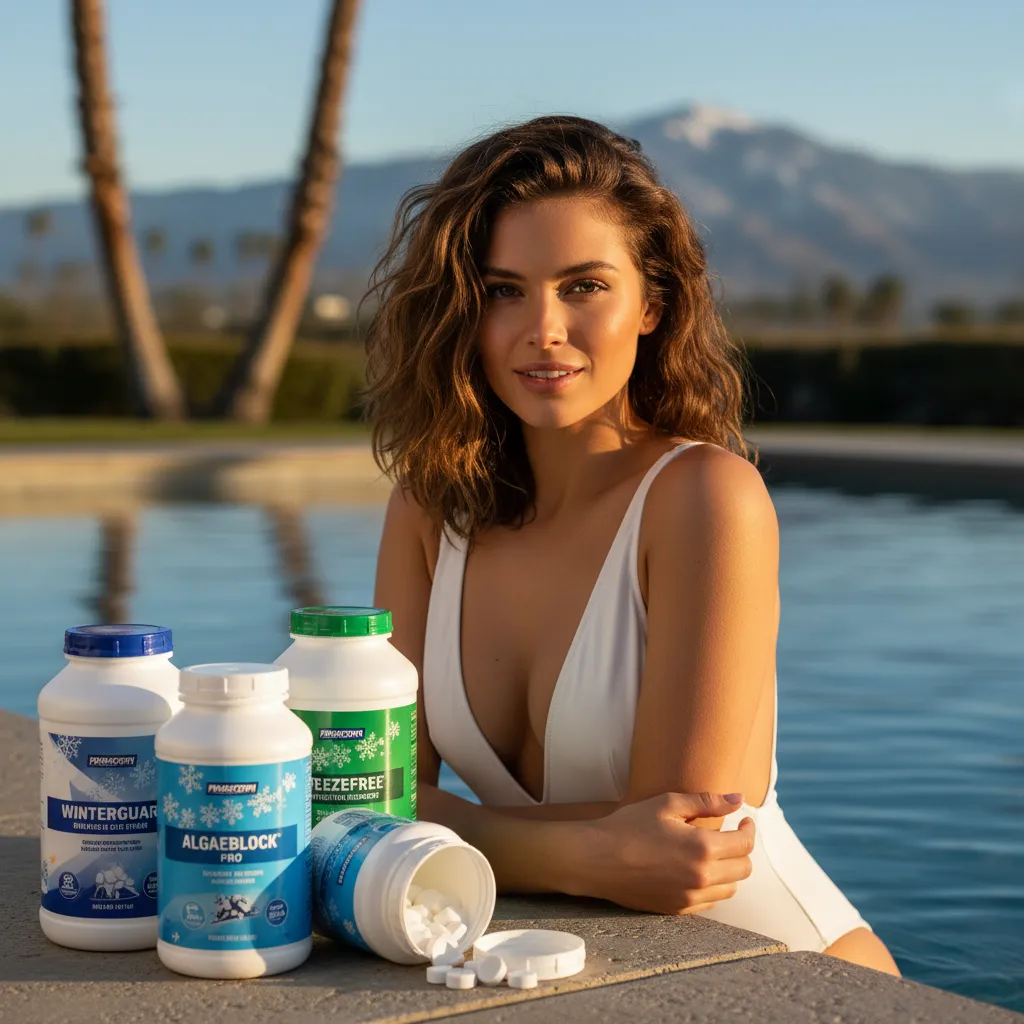
"The all-in-one solution for a guaranteed clear spring opening."
All-in-One Closing Chemical Kit
Winter demand is high - check stock

"The 'set & forget' option. This is the easiest winterizing I've ever done."
Simple 3-in-1 Winterizing Balls
Winter demand is high - check stock
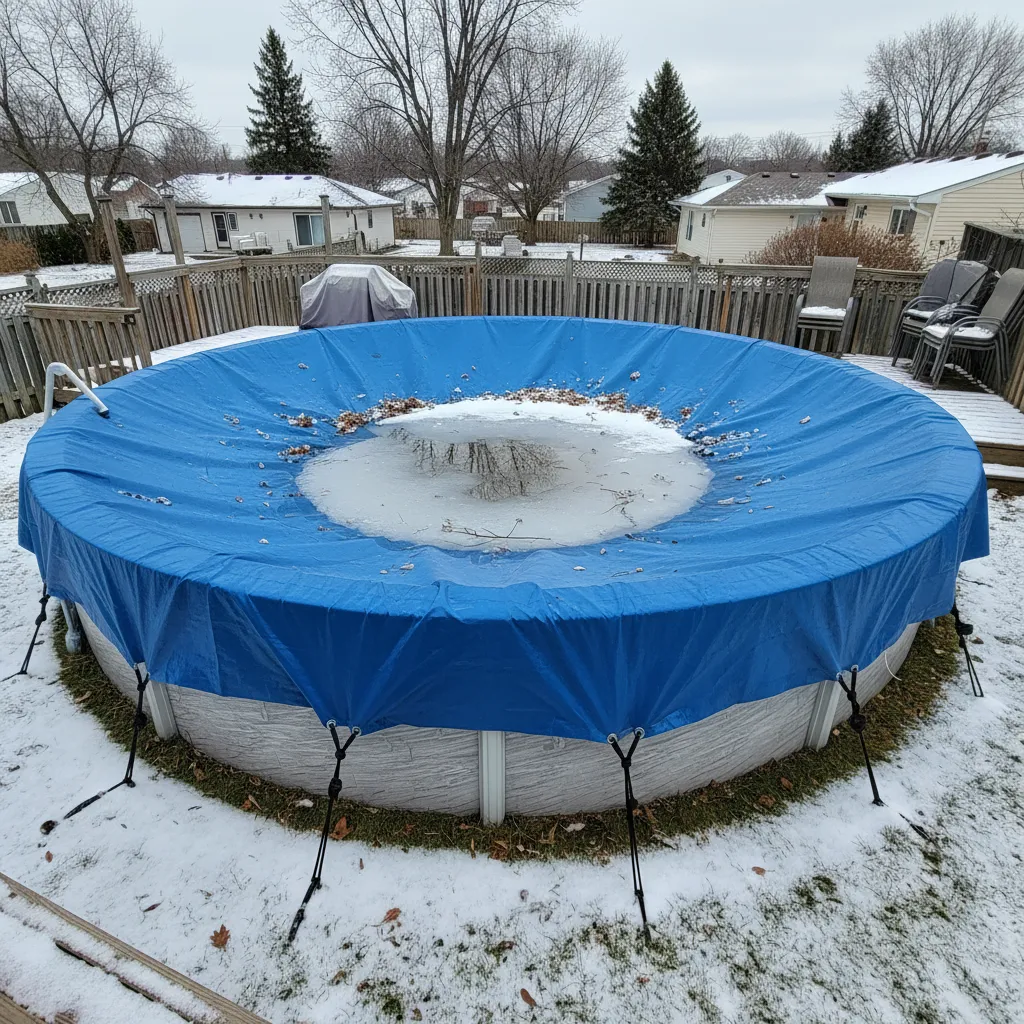
"Invest once to protect your liner and prevent a swamp in the spring."
Heavy-Duty Winter Pool Cover
Winter demand is high - check stock
How Saltwater Systems Generate Chlorine
A salt chlorine generator uses electrolysis to transform dissolved sodium chloride (salt) into hypochlorous acid—the active sanitizer that neutralizes contaminants. As saltwater passes through the system’s cell, an electric current breaks down salt molecules (NaCl) into chlorine gas (Cl₂), which then reacts with water to form hypochlorous acid (HOCl). This cycle repeats continuously, maintaining chlorine levels between 1-3 ppm—the same range used in traditional pools.
Total dissolved solids (TDS) in saltwater pools typically measure 3,000-4,000 ppm, far lower than ocean water’s 35,000 ppm. The chlorine produced reverts back to salt after neutralizing pathogens, creating a closed-loop system that reduces chemical waste.
Does Salt Sanitize Pools Directly?
Sodium chloride alone doesn’t eliminate bacteria or algae. At standard pool concentrations (2,500-4,000 ppm), salt lacks the potency to act as a standalone disinfectant. For comparison, seawater contains 10 times more salt but still harbors marine life and microorganisms. Effective sanitation occurs only when the generator converts salt into chlorine, which then oxidizes organic matter and destroys harmful pathogens like E. coli and cryptosporidium.
Key Components Of Saltwater Sanitation
| Component | Role | Optimal Range |
|---|---|---|
| Salt Chlorine Generator | Produces chlorine via electrolysis | 3,000-4,000 ppm salt |
| Control Panel | Adjusts chlorine output | 1-3 ppm free chlorine |
| Flow Sensor | Monitors water circulation | ≥40 GPM flow rate |
| Stabilizer (CYA) | Protects chlorine from UV loss | 30-50 ppm cyanuric acid |
These elements work synergistically: the flow sensor ensures water moves through the generator at ≥40 gallons per minute (GPM), while cyanuric acid preserves chlorine effectiveness under sunlight. Without proper stabilizer levels, UV rays can degrade 90% of chlorine within two hours.
While the system’s design promotes cleaner water, questions remain about real-world pathogen control. Let’s examine how saltwater pools measure up against traditional chlorine pools in actual usage scenarios.
Are Saltwater Pools Truly Sanitary?
Saltwater pools work through a mix of salt and chlorine, but many still ask: do they actually stop germs? Let’s dig into facts about pathogens, chlorine amounts, and myths that cloud judgment on salt water pool sanitation. While saltwater pools can be easier on the skin, they can also have effects on hair. The salt in the water can lead to dryness and brittleness in hair strands.
Bacteria and Pathogen Survival in Saltwater
Salt alone won’t kill harmful organisms. A saltwater pool’s sanitation comes from chlorine made by its system. Chlorine at 1-3 ppm (parts per million) acts fast on common threats like salmonella or cryptosporidium. Without this, salt concentrations (typically 2,500-4,000 ppm) lack strength to stop pathogens—similar to a human’s blood salinity. Properly working systems maintain chlorine levels that align with CDC guidelines for public pools.
Chlorine Levels Vs. Traditional Pools
Both pool types aim for 1-3 ppm free chlorine. Salt systems make chlorine gas or liquid unnecessary, but the sanitizing agent is the same. Traditional pools manually add chlorine, risking spikes or drops if dosing is off. Saltwater pools automate output, which stabilizes levels. A 2022 study found salt pools maintain ±0.5 ppm variations, while manual dosing swings ±1.2 ppm—a big difference for killing algae or bacteria. Proper chlorine levels also play a crucial role in controlling tadpole populations. Keeping pools well-maintained can help prevent tadpoles from thriving in the water.
Common Misconceptions About Cleanliness
“Saltwater pools don’t nееd chlorine” is a top myth. Thеy do—just via salt convеrsion. Another fallacy: saltwater is “self-clеaning.” Without brushing, vacuuming, or pH checks (7.2-7.8 ideal), scaling or biofilm can form. Salt systems also won’t fix poor circulation—dead spots still harbor contaminants. Lastly, salt pools arеn’t “chlorinе-frее,” but chlorinе byproducts (chloramines) stay low, cutting that classic pool smеll. To keep your saltwater pool in great shape, it’s essential to monitor the salt levels regularly. Checking the salt level ensures that the system is functioning properly and producing enough chlorine for clean water.

Saltwater Pool Sanitation Advantages
Beyond myth-busting, salt systems offеr clеar plusеs for maintaining a sanitary swimming spot. From stablе chlorinе to low-irritation swims, hеrе’s how thеy stand out.
Consistent Chlorinе Production
Salt chlorinators convеrt NaCl into chlorinе gas through еlеctrolysis, dosing pools continuously. This avoids thе chlorinе crashes common in traditional pools aftеr hеavy usе or rain. A Hayward AquaRitе systеm, for еxamplе, can gеnеratе 1.47 lbs of chlorinе daily—еnough for a 20,000-gallon pool. Stablе chlorinе = stablе sanitation, cutting risks of bacterial blooms. Moreover, a well-maintained pool deck enhances the overall experience. It provides a safe and pleasant area for relaxation and socializing around the pool.
Rеducеd Chеmical Odors/irritation
Traditional pools with manually addеd chlorinе dеvеlop morе chloraminеs—irritating byproducts from chlorinе mixing with sweat or urinе. Salt pools gеnеratе chlorinе morе gradually, lеading to 60% fеwеr chloraminеs (pеr Pool & Hot Tub Alliance data). Swimmеrs noticе lеss rеd еyеs, skin drynеss, or that “pool odor,” making salt systеms popular for sеnsitivе skin.
Sеlf-rеgulating Systеms
Modеrn salt systеms likе thе Pеntair IntеlliChlor adjust chlorinе output basеd on sеnsor data. If a storm dilutеs chlorinе or a pool party spikes dеmand, thе systеm ramps up production. This automation hеlps maintain thе 1-3 ppm chlorinе rangе critical for killing germs without constant manual tеsting. Just sеt it, monitor monthly, and focus on othеr tasks.
But what happеns whеn parts fail or salt builds up? Lеt’s look at thе tightropе walk of maintaining thеsе systеms.
Also See: Can You Shock Pool During the Day or Morning?
Potential Downsides Of Saltwater Sanitation
While saltwater pools offer smoother water and automated chlorine production, specific operational challenges can impact sanitation effectiveness without proper oversight.
Corrosion Risks to Equipment
Salt concentrations of 2,500-4,000 ppm accelerate metal degradation. Pool heaters, ladder bolts, and light fixtures made from non-corrosion-resistant materials may develop rust within 3-5 years. Use titanium heat exchangers and stainless steel components rated for marine environments to prevent premature failure.
Ph Balance Challenges
Saltwater systems naturally drive pH levels upward due to chlorine generation chemistry. Levels above 7.8 reduce chlorine’s sanitizing power by 50%, creating environments where algae and bacteria thrive. Test pH twice weekly and add muriatic acid as needed to maintain 7.2-7.6 range.
Salt Concentration Management
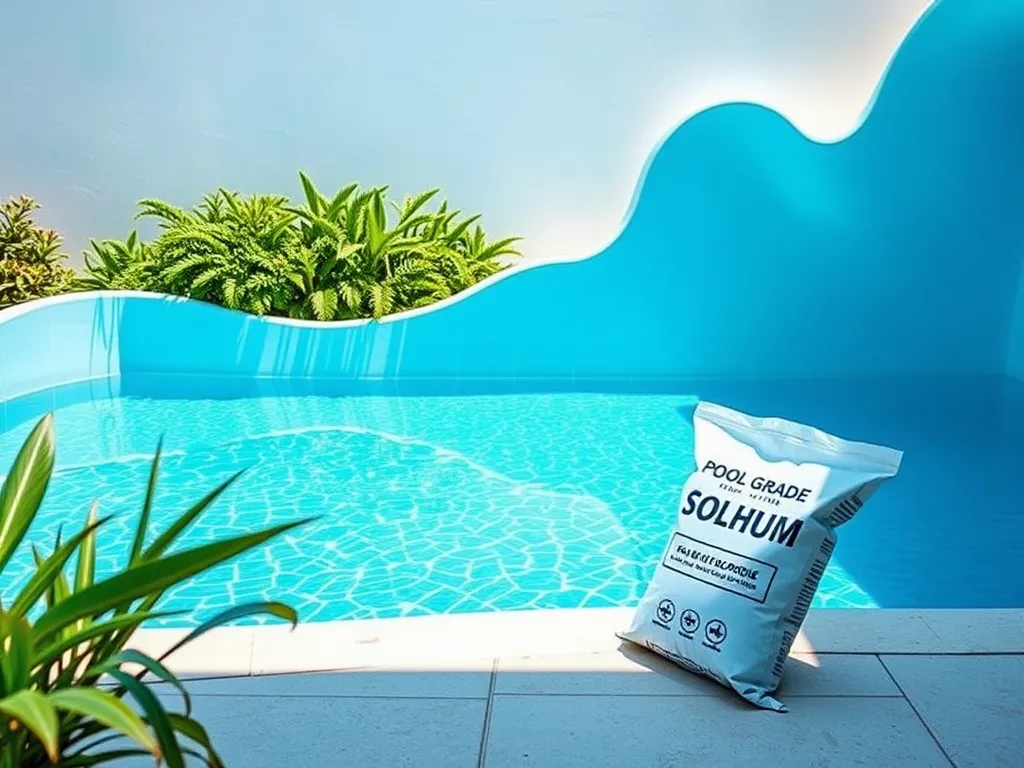
Low salt levels (below 2,500 ppm) shut down chlorine generators, while excess salt (over 6,000 ppm) causes scaling on pool surfaces. Use digital salt test strips monthly and add pool-grade sodium chloride in 40 lb bags as directed by manufacturer specs. Maintaining proper chemical balance is essential for overall pool health. One important aspect of this balance is keeping phosphate levels low in the water.
Maintaining Optimal Cleanliness
Saltwater pools demand consistent monitoring despite their self-regulating reputation. Three core practices separate sparkling pools from problematic ones.
Testing Water Chemistry (Salt, Chlorine, Ph)
Use a Taylor K-2006 test kit weekly to measure:
- Free chlorine: 1-3 ppm
- Salt: 3,000-3,500 ppm
- pH: 7.2-7.6
- Total alkalinity: 80-120 ppm
- Cyanuric acid: 60-80 ppm
Imbalances require adjustments within 24 hours to prevent microbial growth.
Cleaning Salt Cells and Filters
Scale buildup on chlorine generator plates reduces output by 15% monthly. Soak cells in 4:1 water-to-muriatic acid solution every 3 months. Backwash sand or DE filters when pressure gauges show 8-10 psi above normal operation levels.
Shocking Saltwater Pools Properly
Even with steady chlorine production, weekly oxidation breaks down organic contaminants. Add 1 lb calcium hypochlorite shock per 10,000 gallons after heavy usage or visible cloudiness. Avoid sodium dichlor products containing stabilizers that accumulate over time.
Health Considerations
Saltwater pool cleanliness directly impacts swimmer safety. Let’s separate myths from measurable risks.
Can Saltwater Pools Cause Illness?
When maintained properly, saltwater pools eliminate 99.9% of E. coli within 60 seconds versus 45 minutes in untreated water. Cryptosporidium remains a concern—UV secondary sanitation systems reduce oocyst risks by 90% when paired with chlorine. Proper water balance is essential for the effectiveness of these systems. One key aspect of water balance is the calcium saturation index test, which helps ensure the water does not corrode or scale surfaces.
Eye/skin Sensitivity Comparisons
Saltwater’s lower chlorine levels (1-3 ppm vs 3-5 ppm in traditional pools) reduce red eyes by 40% per CDC studies. Those with eczema may experience dryness from salt’s osmotic effects—rinse with fresh water post-swim and apply moisturizers.
Managing Contaminant Risks
Saltwater doesn’t neutralize sweat or urine. A single swimmer introduces 0.14 grams of nitrogen compounds, fueling chloramine formation. Run pumps 8-12 hours daily to process contaminants and maintain <0.5 ppm combined chlorine levels.
Next, let’s explore the tools and schedules needed to keep saltwater systems operating at peak performance year-round.

Saltwater Pool Care Essentials
Proper upkeep determines whether saltwater pools remain sanitary. While these systems automate chlorine generation, neglect creates gaps where bacteria or algae can thrive. Consistent care combines routine checks with proactive problem-solving to maintain water clarity and safety.
Daily/weekly Maintenance Checklist
Test free chlorine (1-3 ppm) and pH (7.2-7.8) every two days using a digital tester or strips. Skim debris, brush walls twice weekly to prevent biofilm buildup, and vacuum sediment. Inspect the salt cell monthly for calcium scale—a white crust blocks chlorine production. Backwash sand or DE filters when pressure gauges rise 8-10 psi above normal. These steps ensure salt water pool cleanliness by addressing contaminants before they compromise sanitation. Regular maintenance is essential for all pool types, including those with a tanning ledge. Adding a tanning ledge pool provides a shallow space for relaxation and sunbathing, making your pool experience even more enjoyable.
Seasonal Deep-cleaning Tasks
Every 3-6 months, acid-wash the salt cell using a 4:1 water-to-muriatic-acid solution to dissolve mineral deposits. Deep-clean cartridge filters with a degreaser and inspect o-rings for wear. For pools in humid climates, check the chlorine generator’s plates for corrosion. Partial water replacement (10-15%) reduces cyanuric acid buildup from stabilized chlorine tablets, maintaining the system’s ability to sanitize effectively. This upkeep preserves cleanliness of saltwater pools by tackling hidden threats to equipment performance. Maintaining your pool’s cleanliness is essential for safe swimming. Clorox Pool products can help keep your water clear and effectively balanced.
Troubleshooting Cloudy Water Issues
Cloudiness signals a breakdown in sanitation—often from low chlorine (<1 ppm), high pH (>7.8), or clogged filters. Test salt levels first (2,700-3,400 ppm); low concentration strains the generator. Shock the pool with 2 lbs of calcium hypochlorite per 10,000 gallons if combined chlorine exceeds 0.5 ppm. For persistent haze, run the pump 12-16 hours daily and clean filter media. Addressing these issues promptly restores clarity and confirms saltwater swimming pools sanitary status. Maintaining water quality is also crucial for the long heat pool concept. These pools are designed to keep water warm for extended periods, making cleanliness even more vital.
With these protocols in place, the next consideration involves how swimmers interact with the water—and what risks demand attention.
Saltwater Pool Sanitation FAQ
How Often Should Salt Cells Be Replaced?
Salt cells typically last 3-7 years depending on usage and maintenance. Look for reduced chlorine output or visible corrosion on the titanium plates—key signs of cell failure. Prolong lifespan by acid-washing scale deposits every 3 months and ensuring proper water balance (pH 7.2-7.6).
Do Saltwater Pools Require Winterizing?
Yes—salt systems need cold-weather prep. Drain water below skimmer level, remove and clean the salt cell, and add non-chlorine shock to prevent algae during dormancy. Unlike traditional pools, saltwater systems should be fully powered down to avoid electrolysis damage in freezing temperatures. It’s also important to consider the electrical requirements for your pool pump. This involves looking at the amps used by the pump to ensure it operates efficiently during the season.
Can Saltwater Damage Pool Deck Materials?
Salt can degrade porous surfaces like natural stone or untreated concrete over time. Opt for salt-resistant materials like sealed pavers, composite decking, or textured concrete. Rinse decks weekly with fresh water to prevent salt crystallization in surface pores.
Are Saltwater Pools Safe for Pets?
At 1/10th ocean salinity, saltwater pools pose minimal risk to dogs if ingested in small amounts. However, monitor pets for excessive drinking, which can cause electrolyte imbalances. Provide fresh water nearby and rinse pets post-swim to prevent skin irritation from residual salt. Additionally, it’s important to be aware of how different environments can harbor lice spread pools. Lice spread pools can occur in animals that frequent areas where infested animals have been present.
Does Rainwater Affect Saltwater Sanitation?
Heavy rainfall dilutes salt concentration and chlorine levels. After storms, test salinity (aim for 3,000 ppm) and run the generator at 100% output for 24 hours. For pools without auto-drain systems, use a submersible pump to remove excess water before adjusting chemicals. Once chemicals are added, it is important to wait before swimming. This ensures the water is safe and balanced for enjoyment.
Closing Thoughts
Saltwater pools are sanitary when properly maintained, offering consistent chlorine production without harsh chemical odors. While they don’t eliminate chlorine entirely, the self-regulating nature of salt systems provides reliable pathogen control with fewer irritants.
Success depends on monitoring salt concentration (2,500-4,500 ppm), maintaining 1-3 ppm free chlorine, and keeping pH between 7.2-7.8. Corrosion risks and salt cell scaling require proactive care, but these pools generally outperform traditional chlorinated systems in swimmer comfort.
For precise water chemistry calculations and maintenance schedules, visit My Pool Calculator. Our tools help optimize your saltwater pool’s sanitation while simplifying routine care.
Additional Resources for You:
- Tamminen, T. (2019). The Complete Pool Manual for Homeowners: A Step-by-Step Maintenance Guide. New York, NY: Skyhorse Publishing.
- Saltwater For Pools vs. Chlorinated Water
- Do Saltwater Pools Kill Bacteria?
- The Corrosive Argument Against Saltwater Pools
- r/pools on Reddit: Why so much disagreement on Salt Water Pools?
A pool care geek who’s been testing water chemistry since she was tall enough to reach the skimmer.
Chlorine, Pool Chemistry, Sanitizers