How to Close Your Pool Right: Sand Filter Winterizing for Above Ground & Inground Pools
Published on: November 28, 2025 | Last Updated: November 17, 2025
Written By: Lila Fairholme
Closing your above ground or inground pool with a sand filter requires specific steps to protect equipment and prevent winter damage. Both pool types need thorough cleaning, water chemistry balancing, and sand filter winterization – but inground pools demand deeper plumbing protection. You’ll need winterizing chemicals, a sturdy cover, and knowledge of your filter’s “winterize” setting to avoid cracked tanks or frozen pipes.
This article explains exactly how to shut down sand filter systems for both pool types without risking $200-$500 in spring repairs. You’ll learn why leaving 1 inch of water in the pump can destroy its seals, how to use RV antifreeze in underground pipes, and which algaecide works best for 4-6 month closures.
We break down the 5 critical phases: pre-closing cleaning, chemical treatment, water level management, equipment winterizing, and cover installation. Get specific guidance for above ground pool pump removal versus inground pool pipe blowing, plus pro tips for extending sand filter media life. Whether you own a Intex temporary pool or a built-in concrete design, these methods keep sand filters safe at temperatures as low as -20°F.
Why Proper Pool Closing Matters
Winterizing your pool correctly protects both the structure and mechanical systems. Skipping steps or cutting corners risks damage that compounds over time, turning small oversights into major headaches. Maintaining your pool doesn’t end with winterizing, as you’ll want to prepare your hot tub as well. Regularly shocking your hot tub ensures clean, safe water for relaxation during colder months.
Crucial Winterizing Products
"The all-in-one solution for a guaranteed clear spring opening."
All-in-One Closing Chemical Kit
Winter demand is high - check stock

"The 'set & forget' option. This is the easiest winterizing I've ever done."
Simple 3-in-1 Winterizing Balls
Winter demand is high - check stock
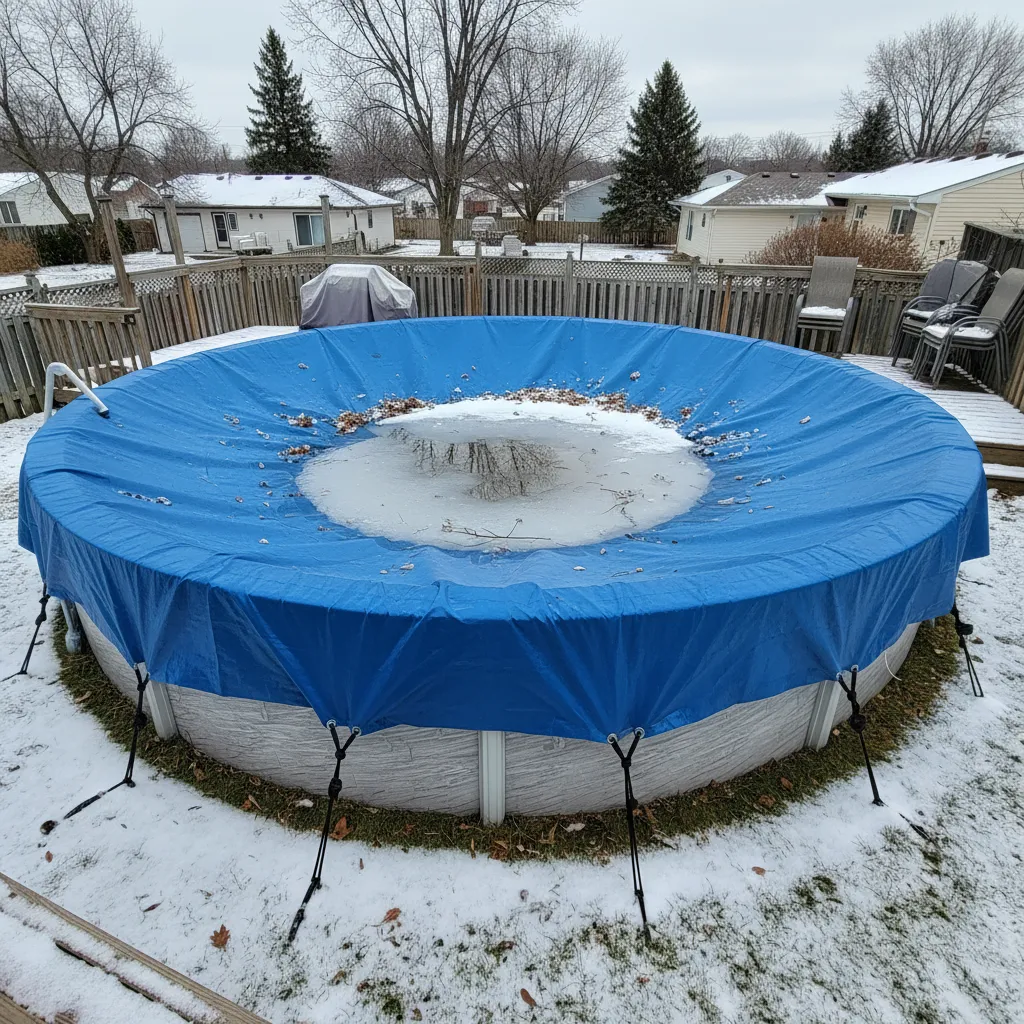
"Invest once to protect your liner and prevent a swamp in the spring."
Heavy-Duty Winter Pool Cover
Winter demand is high - check stock
Preventing Winter Damage to Equipment
Sand filters and pumps face specific cold-weather threats. Water left in the filter tank or pump housing expands when frozen, cracking internal components. A single hard freeze below 20°F can fracture a sand filter’s fiberglass tank or split PVC plumbing joints. Draining these systems fully prevents ice’s 9% expansion from wreaking havoc. For pumps, removing drain plugs and blowing out residual moisture with compressed air (30-50 PSI) ensures no trapped liquid remains.
Underground plumbing in inground pools needs special attention. Failing to blow out lines with a cyclone blower or add pool-safe antifreeze (-50°F rating) leads to burst pipes beneath decks or patios. Above ground pool owners must detach hoses from skimmers and returns, as ice can distort fittings on both the pool wall and sand filter’s multiport valve.
Avoiding Costly Repairs in Spring
Neglected winter prep often surfaces as cracked lateral assemblies ($90-$200), seized pump motors ($300-$600), or warped filter lids ($75-$150). Algae blooms from inadequate chemical balancing stain vinyl liners ($800-$2,500 replacement) or concrete surfaces, requiring acid washes ($400-$800). Pool covers sagging under debris weight tear at seams, demanding $300-$1,200 for replacements based on size.
Properly closing a pool with a sand filter avoids these expenses. For example, adding a closing kit with 60% concentrated algaecide prevents organic growth, while enzyme treatments break down oils that stain surfaces. Balancing pH between 7.2-7.6 and alkalinity at 80-120 ppm before closing maintains water integrity, reducing spring startup work by 50%.
With risks identified, let’s examine the tools required to protect your investment through frost, snow, and fluctuating temperatures.
Tools and Supplies for Shutting Down Pools
Having right tools on hand simplifies shutting down a pool with a sand filter. Focus on three main categories: cleaning gear, cold-weather chemicals, and physical protection items. Proper equipment ensures that the pool remains clean and safe. This is especially crucial for pool cleaners who rely on effective tools to maintain pristine water quality.
Pool Cleaning Equipment
A telescopic pole with leaf rake clears floating debris, while a vacuum head with hosing pulls dirt from floors. For vinyl pools, use a nylon-bristle brush to scrub walls without harming liners. A sump pump works for draining big pools quickly—aim for 1,500-2,000 GPH capacity. Keeping a pool clean is important for everyone’s enjoyment. This includes ensuring that the pool is free from unwanted contaminants, like urine, and that’s where pool urine detectors come in handy.
Winterizing Chemicals
Start with a chlorine shock (sodium hypochlorite) at 2 lbs per 10,000 gallons to kill organisms. For vinyl liners, pick non-chlorine shock (potassium peroxymonosulfate). Add algaecide containing 60% polyquat for lasting protection—16 oz treats 15,000 gallons. Enzymatic formulas like PoolRX+ break down oils and lotions over months.
Protective Covers and Plugs
Solid safety covers with 5-year warranties block sunlight to stop algae. For above ground pools, pick a 12-mil vinyl cover with UV inhibitors. Use rubber expansion plugs (1.5” or 2”) to seal return jets and skimmers. Insert foam rope in skimmer mouths to absorb ice pressure. However, stagnant water can still lead to pool cover algae growth. It’s important to regularly check and clean the area under the cover to prevent this issue.
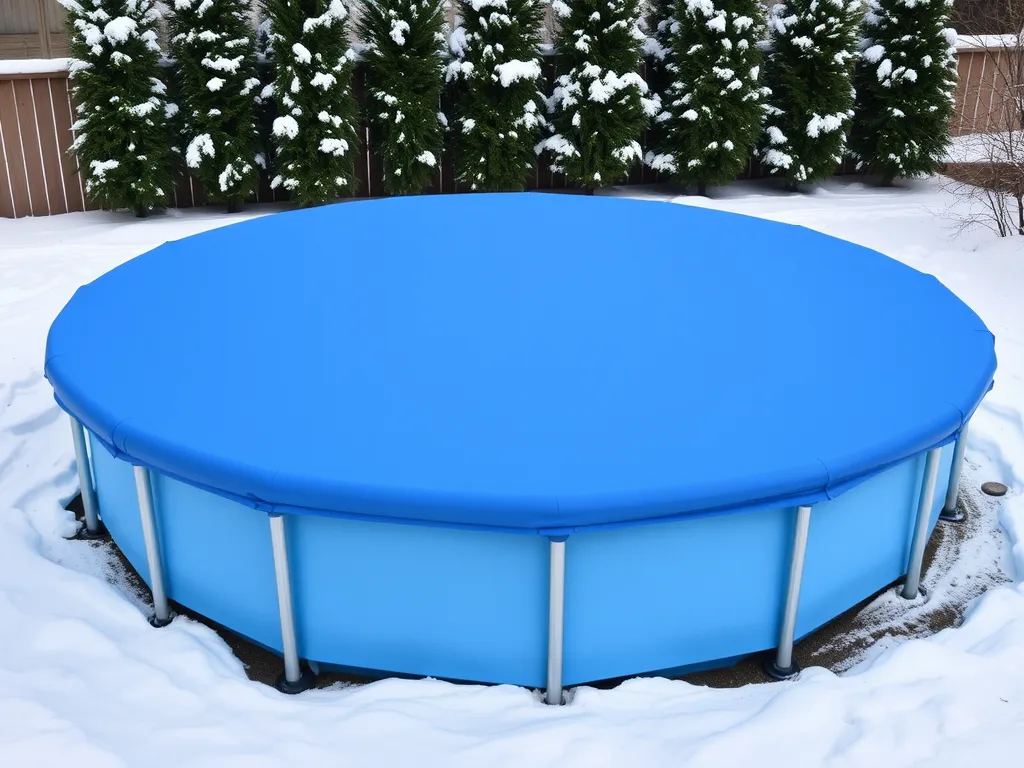
Shutting Down an Above Ground Pool With a Sand Filter
Follow this method to guard vinyl liners and sand filters from freezing harm.
Step 1: Thoroughly Clean the Pool
Remove Debris and Vacuum
Skim leaves with a fine-mesh net, then vacuum slowly to lift dirt without stirring clouds. Brush walls with a 45° angle to dislodge biofilm. For cloudy water, add a clarifier 24 hours prior.
Step 2: Balance Water Chemistry
Adjust pH, Alkalinity, and Chlorine
Test with a Taylor K-2006 kit. Aim for pH 7.4-7.6 using sodium bisulfate or soda ash. Set total alkalinity to 80-120 ppm. Boost chlorine to 3-5 ppm before adding algaecide.
Step 3: Lower Water Level
Drain to 4-6” below the skimmer opening with a submersible pump. For climates with heavy snow, drop another 2” to avoid cover sagging.
Step 4: Winterize the Sand Filter System
Drain the Filter and Pump
Turn the multiport valve to “Closed,” then open the air relief and drain plug. Tip the pump sideways to spill remaining water. Apply silicone lubricant to o-rings.
Use Winterize Setting (if available)
On Hayward systems, turn the valve to “Winterize” to bypass the filter. This keeps internal components dry and stops valve cracks.
Step 5: Install Pool Cover
Place an air pillow in the center to stop ice sheets from ripping liners. Pull the cover taut, using water bags or cable ties every 2-3 feet. Trim excess material to avoid wind flaps.
With your above ground pool secured, shifting focus to inground models brings new factors—like plumbing depth and frost lines—into play.
Also See: Pool Closing Kit: Essentials to Winterize Your Pool
Closing an Inground Pool With a Sand Filter
Shutting down an inground pool with a sand filter demands strict focus on plumbing safety and frost protection. Skipping critical steps risks cracked skimmers, burst pipes, or a murky spring mess. A thorough winterization process helps maintain the filter’s performance. Using an all-purpose sand pool filter can ensure clear, clean water when the pool is reopened.
Step 1: Deep Clean Pool Surfaces
Brush walls with a nylon-bristle tool to dislodge biofilm, focusing on tile lines and corners. Vacuum using a manual pool vacuum or robotic cleaner to pick up silt. For vinyl liners, avoid abrasive tools that might puncture material.
Step 2: Balance and Shock the Water
Bring pH to 7.2-7.6 and total alkalinity to 80-120 ppm. Add 2-3 lbs of calcium chloride per 10,000 gallons for plaster pools (vinyl pools skip this). Shock with 3x normal chlorine levels (30 ppm) using sodium hypochlorite or a non-chlorine oxidizer for colored liners.
Step 3: Drain Water Below Skimmer
Lower water 12-18 inches below the tile line or skimmer throat. Use a submersible pump in deep areas. For gunite pools, maintain at least 24 inches of water to avoid shell shifting. Keep hydrostatic relief valves open in high-water-table regions.
Step 4: Winterize Plumbing and Equipment
Blow air through skimmer, main drain, and return lines at 15-20 PSI until no water sprays from openings. Plug lines with rubber expansion plugs or threaded winterizing caps. For pumps below frost lines, skip antifreeze; for above-ground plumbing, pour 2 gallons of RV-grade (-50°F) antifreeze into each line.
Blow Out Lines and Add Antifreeze
Attach a cyclone blower to the pump union, starting with skimmers, then returns. Watch for water mist to vanish before capping. Pour antifreeze into empty pump baskets and weir doors to protect gaskets.
Step 5: Secure Winter Cover
Install a solid safety cover with 6-inch overlap, anchoring springs to brass eyelets. For mesh covers, add air pillows under the center to lift ice pressure. Use foam strips on coping edges to stop cover abrasion.
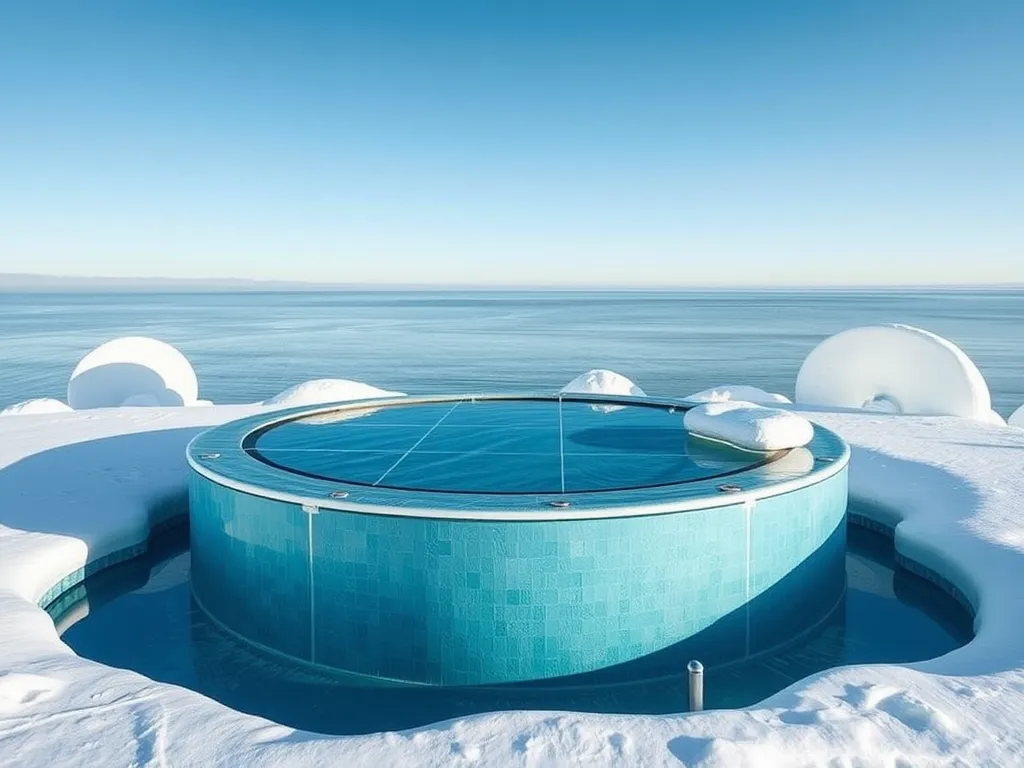
Winterizing Your Sand Filter System
Sand filters trap moisture, making frost protection vital. A cracked multiport valve or split tank often costs $400-$800 to fix – proper prep avoids this.
Draining the Filter Properly
Set the multiport valve to “Winterize” or “Closed.” Open the air relief valve and remove the drain plug. Tip the filter sideways to drain residual water. For Hayward ProSeries models, unscrew the sight glass to prevent cracking.
Storing or Protecting the Pump
Disconnect the pump, drain volute by removing the bottom plug, and store indoors if temps drop below 20°F. For in-place units, wrap with a thermal blanket rated for -30°F. Lubricate O-rings with silicone grease before storage.
Using the Winterize Setting
Rotate the multiport valve handle past “Filter” to “Winterize,” which blocks ports. For systems without this feature, remove the valve entirely and cap openings with 2-inch PVC plugs. Apply Teflon tape to threads for a watertight fit.
Covering Outdoor Equipment
Wrap sand filters and exposed pipes with UV-resistant covers (like Tarpzilla 12-oz vinyl). Place rodent deterrent packets around stored gear. For pumps left outside, install a plywood box with 1-inch foam insulation.
Essential Winterizing Chemicals
Cold water slows but doesn’t stop algae or scaling. Add these formulas just before covering to maintain clarity until spring.
Chlorine Shock Treatments
Use 68% calcium hypochlorite at 2 lbs per 10,000 gallons for lasting residual. For pools closing below 60°F, switch to 35% polyhexamethylene biguanide (PHMB) to avoid chlorine lock. Calcium hypochlorite is a popular choice for pool sanitation. It effectively keeps the water clean and clear, making it perfect for regular pool maintenance.
Algaecides for Long-term Protection
Apply 60% polyquat algaecide at 16 oz per 5,000 gallons. Avoid copper-based options in plaster pools – they stain at pH above 7.8. For mesh covers, halve dosage to limit surface residue.
Enzyme Treatments for Organic Matter
Lipase-amylase blends break down leaves and oils under covers. Dose 32 oz of Natural Chemistry’s Pool Magic + PHOSfree per 15,000 gallons. This cuts spring scrubbing time by 70% and stops scum lines.
With your pool and sand filter prepped for cold months, staying vigilant about common oversights will lock in your hard work. Let’s look at frequent errors pool owners make during shutdowns. Choosing the right pool liner is just as important as preparing your pool for winter. A buyer’s guide can help you find the best options to suit your needs.
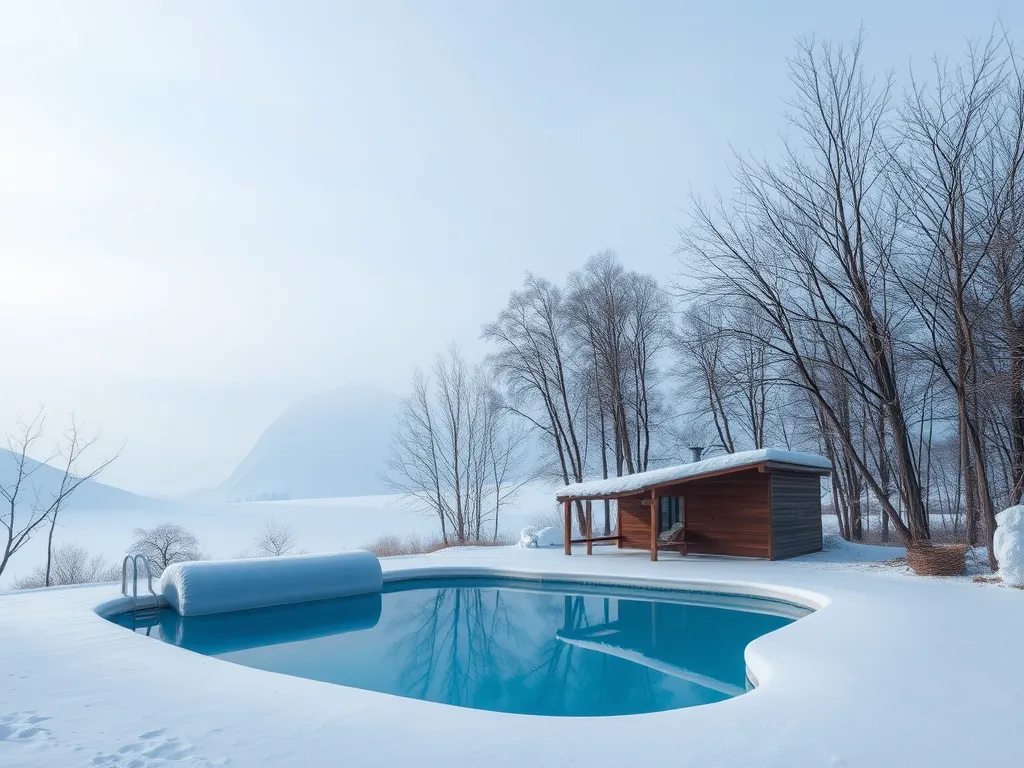
Common Pool Closing Mistakes to Avoid
Even experienced pool owners can make errors during winterization. These missteps often lead to cracked equipment, algae blooms, or damaged surfaces by spring. Recognizing these pitfalls ensures your sand filter and pool structure survive freezing temps. It’s important to know how cold temperatures affect your pool. Pools can freeze in winter if they aren’t properly prepared, leading to costly repairs.
Incomplete Water Draining
Leaving water in the sand filter pump or plumbing risks freeze damage. For above ground pools, lower water 4-6″ below the skimmer. Inground models require draining 12-18″ below tile lines. Use a submersible pump to remove residual water from the filter’s drain plug port. Pool owners often miss trapped water in multi-port valve chambers – open all valves and tilt the assembly to release hidden moisture.
Ignoring Chemical Balance
A pH between 7.2-7.6 and alkalinity of 80-120 ppm stabilizes water before adding winterizing chems. High chlorine levels (>3 ppm) degrade vinyl liners during storage. Use phosphate removers and algaecides rated for 4-6 month protection. For sand filter systems, add a filter cleaner before backwashing to prevent organic buildup in the tank.
Improper Equipment Storage
Sand filters left outdoors without protection crack under repeated freeze-thaw cycles. Disconnect the pump, drain completely, and store in a frost-free location. Above ground pool owners should remove ladder gaskets and skimmer baskets. Use expansion plugs in return jets and skimmer mouths – standard rubber plugs fail under prolonged cold stress. To keep your pool system running smoothly, consider using a sand pool filter. Sand pool filters effectively trap dirt and debris, helping to maintain clean water in your pool.
Winter Maintenance Tips for Closed Pools
Post-closing vigilance prevents surprises when warmer weather returns. Monthly checks take under 15 minutes but save hours of spring cleanup.
Monitoring Cover Integrity
Inspect covers every 2-3 weeks for sagging, tears, or displaced water bags. Use a cover pump to remove standing water within 48 hours of storms. For mesh safety covers on inground pools, brush off leaves to maintain tension. Vinyl pool owners should place air pillows under solid covers to absorb ice expansion.
Checking Water Level After Storms
Heavy rains raise pool water above recommended levels, risking liner damage. Maintain 6″ below skimmers for above ground models. Inground pools shouldn’t exceed 12″ below coping stones. Use a weighted marker stick to easily gauge levels through the cover. Rain can disrupt pool conditions and create safety hazards. That’s why pools typically close during rainy weather to protect swimmers and maintain water quality.
Inspecting for Pest Intrusion
Mice and insects seek shelter in pool equipment pads. Place rodent deterrents 3-5 feet from stored pumps and filters. Check skimmer baskets for wasp nests monthly. For sand filter systems wrapped in tarps, use breathable covers instead of plastic to deter mold and nesting.
With these protocols in place, you’ll be ready to address common questions about seasonal pool care challenges.
Pool Closing FAQs
When is the Best Time to Close a Pool With a Sand Filter?
Close your pool when water temperatures consistently stay between 50-60°F, typically after summer heat subsides but before the first frost. This prevents algae growth while avoiding freeze risks to equipment. Temperature plays a crucial role in how fast algae can grow in water. Warmer temperatures often lead to quicker algae blooms, so monitoring your water temperature is essential.
Can I Reuse Winterizing Chemicals From Last Season?
Most winterizing chemicals degrade after 12 months. Check expiration dates – particularly on algaecides and enzyme treatments. Unopened chlorine shock retains potency for 3-5 years if stored in cool, dry conditions.
How Do I Protect My Sand Filter in Sub-zero Climates?
For temperatures below -20°F, disconnect and store the filter indoors. If left in place, wrap it with thermal insulation blankets and use heat tape on plumbing. Add extra antifreeze to nearby pipes.
Should I Check My Closed Pool During Winter?
Inspect monthly for cover damage, water level changes, and pest activity. Use a pool cover pump after heavy snow or rain. Never walk on frozen covers – use a leaf blower for debris removal.
Are Closing Procedures Different for Saltwater Pools?
Saltwater pools require additional steps: bypass the chlorinator, flush cells with clean water, and protect metal components with anti-corrosion spray. Balance cyanuric acid levels to 30-50 ppm before closing. Keeping lower phosphate levels is also important for a clean pool. Lower phosphate levels help prevent algae growth and maintain clear water.
Closing Thoughts
Properly winterizing your above ground or inground pool with a sand filter protects your investment and makes spring reopening easier. Following the step-by-step processes for draining, cleaning, and chemical treatment ensures your pool survives freezing temperatures without damage.
Remember these key points: always balance water chemistry before closing, completely drain your sand filter system, and use quality winterizing chemicals. Avoid common mistakes like leaving water in plumbing lines or skipping the final shock treatment.
For precise chemical calculations and maintenance schedules, visit My Pool Calculator. Our tools help simplify pool care year-round, from winter closing to spring reopening.
With proper winterization, you’ll save time and money when swim season returns. Your sand filter and pool equipment will be ready for another season of crystal-clear water and trouble-free operation.
Useful References for You:
- Pool & Hot Tub Alliance (PHTA). (2021). ANSI/APSP/ICC-11 Standard for Water Quality in Public Pools and Spas. Alexandria, VA: PHTA.
- r/pools on Reddit: Can I leave a sand filter outside after I close pool? NY winter
- How to Close Your Above Ground Pool for the Season—The Right Way
- Closing Your Pool | Hayward Pool Products
- r/pools on Reddit: Closed my pool, sand filter question