Do Test Strips Work for Saltwater Pools, or Are They Different?
Published on: February 16, 2026 | Last Updated: November 17, 2025
Written By: Rachael Weatherbottom
Yes, test strips work for saltwater pools, but they’re different from regular pool test strips. Saltwater pools use salt-chlorine generators (salt cells) to produce chlorine, requiring test strips that measure salt levels alongside chlorine, pH, alkalinity, and stabilizer. Standard test strips skip salt concentration testing, risking improper water balance. Saltwater-specific strips include sensors for sodium chloride (2,500-4,500 ppm) and often track corrosion potential from high salinity.
This article explains how saltwater pool chemistry impacts testing needs and why generic strips fall short. You’ll learn how saltwater systems alter chlorine production, why salt levels affect strip accuracy, and how to decode color charts for saltwater-specific parameters like cyanuric acid and total dissolved solids.
We’ll compare popular brands like AquaChek Salt and Taylor K-1766, break down step-by-step testing methods, and reveal common errors that skew readings. You’ll also find troubleshooting tips for cloudy results and guidance on when to switch to digital testers or liquid kits for precision.
Understanding Saltwater Pool Chemistry
Saltwater pools function through a distinct approach to sanitation, blending dissolved salt with technology to maintain water clarity. Unlike traditional pools that add liquid or tablet chlorine directly, salt systems transform sodium chloride into active sanitizing agents. Different types of materials can influence the effectiveness and maintenance of these pools. For example, fiber glass or vinyl liner pools can offer varying degrees of compatibility with saltwater systems.
Crucial Winterizing Products

"The all-in-one solution for a guaranteed clear spring opening."
All-in-One Closing Chemical Kit
Winter demand is high - check stock

"The 'set & forget' option. This is the easiest winterizing I've ever done."
Simple 3-in-1 Winterizing Balls
Winter demand is high - check stock
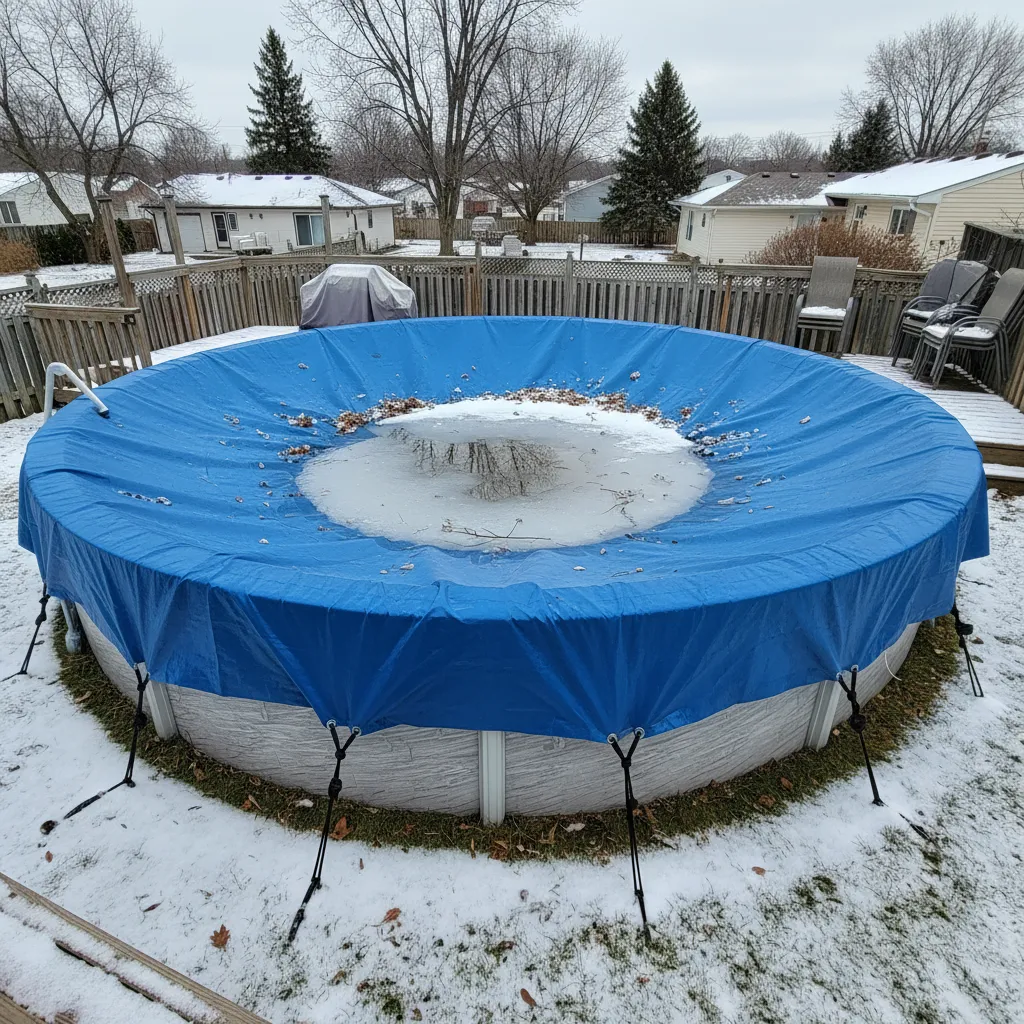
"Invest once to protect your liner and prevent a swamp in the spring."
Heavy-Duty Winter Pool Cover
Winter demand is high - check stock
How Saltwater Pools Generate Chlorin
A salt chlorine generator (salt cell) uses 3,000-4,000 ppm of dissolved salt to create chlorine through lysis. This process splits salt (NaCl) into sodium hypochlorit and hydrogen gas. Sodium hypochlorit acts as a sanitizr, killing algae and pathogens. This on-demand production allows continuous sanitation without manual chlorine dosing, but it impacts water balance in ways traditional pools don’t.
Key Differnces in Saltwater Pool Maintnance
Saltwater pools demand monitoring of pH, alkalinity, stabilizr (cyanuric acid), and salt levels. Th chlorine gas producd during lysis raises pH naturally, requiring frequent acid additions to maintain a 7.2-7.8 rang. Stabilizr must stay at 60-80 ppm to shield chlorine from UV rays. Salt concentration also needs chcking—levels below 2,700 ppm stop chlorine production, whil above 6,000 ppm can harm metal parts. Standard test strips lack salt tracking, which is why salt-specific variants ar vital.
With this foundation in saltwater pool dynamics, assessing testing tools becomes clrar.
Do Test Strips Work for Saltwater Pools?
Saltwater pools operate with sodium chloride levels between 3,000-6,000 ppm and generate chlorine through electrolysis. This unique setup impacts how chemicals interact, making some standard testing methods unreliable. Let’s break down whether generic test strips hold up. Proper preparation for an above ground pool is essential for its success. Ensuring correct chemical balance and maintenance will contribute to a safe and enjoyable swimming experience.
Can Regular Test Strips Be Used in Saltwater Pools?
Standard 5-in-1 test strips measure free chlorine, pH, total alkalinity, total hardness, and cyanuric acid. While these metrics matter for saltwater pools, generic strips lack calibration for high salinity. Salt concentrations above 1,500 ppm can distort chlorine readings by 0.5-1.0 ppm due to chemical cross-reactivity. Saltwater-specific strips add a dedicated sodium chloride test pad and adjust reagent formulas to account for salt interference. Using regular strips risks skewed data, leading to over-chlorination or pH imbalances. Proper water testing is crucial for maintaining safe swimming conditions. Frequent water testing also require to ensure the water is clean and balanced for all users.
Accuracy Of Saltwater Pool Test Strips
Quality saltwater test strips, like AquaChek Salt or Taylor K-1766, measure salt levels within ±200 ppm accuracy alongside chlorine (0-10 ppm), pH (6.2-8.4), and stabilizers. These strips use ion-selective electrodes for salt detection and stabilized dyes resistant to bromide interference – a byproduct of saltwater chlorination. Lab studies show saltwater strips maintain 90-95% precision in saline environments, compared to 70-80% for generic strips. For reliable results, always check the label for “saltwater-compatible” or “saline pool” certification.
Saltwater Vs. Regular Pool Test Strips: Key Differences
While both strip types assess core water balance factors, saltwater variants address unique challenges posed by electrolytic chlorine generation and mineral buildup.
Chemical Parameters Measured
Saltwater strips track:
- Sodium chloride (1,000-6,000 ppm range)
- Free chlorine (0-10 ppm)
- Cyanuric acid (stabilizer levels critical for UV protection)
- Metals like copper or iron (common in corroded salt cells)
Regular strips omit salt and metal tests, focusing instead on total hardness and combined chlorine – metrics less relevant for salt systems.
Compatibility With Saltwater Systems
Saltwater test strips factor in how salt impacts other readings. For example, high pH (above 7.8) reduces chlorine output from salt cells. Saltwater-specific alkalinity tests account for carbonate scaling risks, which can clog cell plates. Strips designed for saline pools also use buffers to prevent false cyanuric acid readings caused by bromide ions – a common issue in saltwater pools using sodium bromide-based additives. Maintaining proper cyanuric acid levels is crucial for effective chlorination. Testing to raise or lower cyanuric acid can help ensure a balanced and clean swimming environment.
With the right strips in hand, the next step is mastering proper testing techniques tailored to saltwater environments.
Also See: Does Hair Dye Come Out in the Pool? Find Out Here
How to Use Test Strips in Saltwater Pools
Test strips work for saltwater pools when used with care. Follow steps to get true reads and spot issues fast.
Step-by-step Testing Process
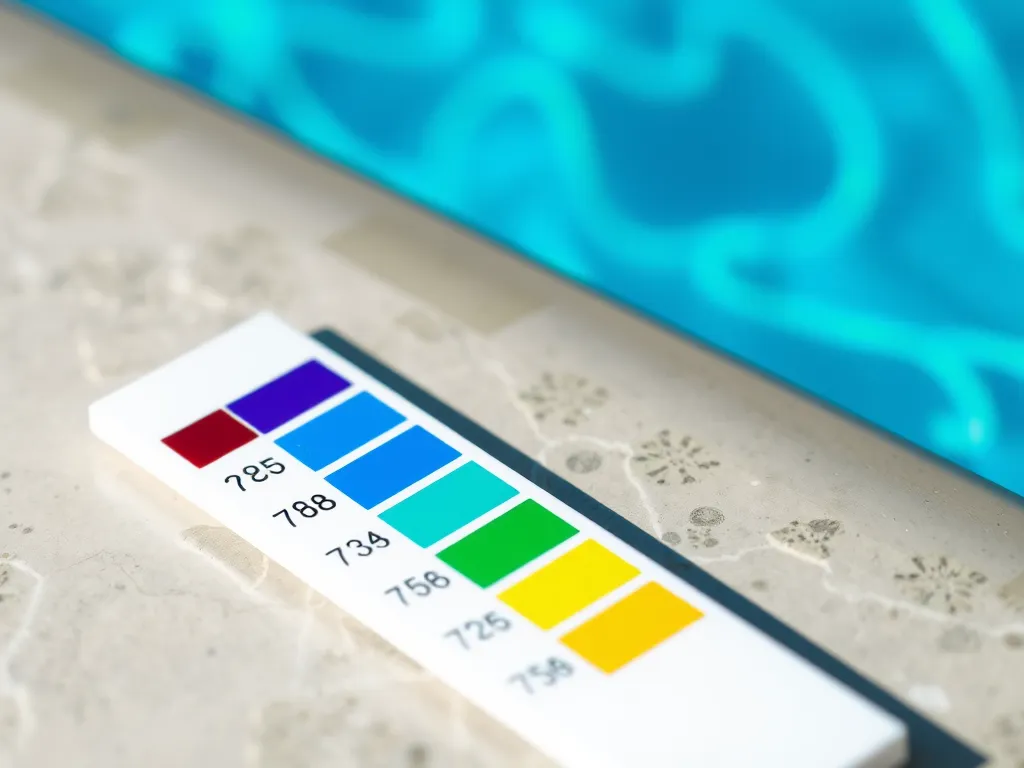
Dip a strip 18″ deep for 2 secs. Shake once. Hold it flat for 15-30 secs. Match pads to the color chart. Salt strips need more wait time than fresh water types. Check salt, free chlorine, pH, total alkalinity, and stabilizer (CYA) in order.
| Pad | Wait Time | Ideal Range |
|---|---|---|
| Salt | 15 secs | 2700-3400 ppm |
| Free Chlorine | 30 secs | 1-3 ppm |
| pH | 15 secs | 7.2-7.8 |
Interpreting Results Correctly
Salt pads turn pink or tan based on ppm. High salt (over 4500 ppm) may harm cells. Low chlorine with good salt levels? Check the chlorinator. pH drifts faster in salt pools due to salt’s base effect. If CYA reads low (under 30 ppm), add stabilizer to shield chlorine from sun. Keeping your pool area clean is essential. Regularly washing pool pavers will help maintain a safe and inviting space around your pool.
Choosing the Right Test Strips for Saltwater Pools
Not all strips handle salt. Use ones made for salt systems to dodge false reads.
Essential Features to Look for
Pick strips that test salt, free chlorine, pH, total alkalinity, and CYA. Brands like AquaChek Salt or Taylor K-1766 track salt to +/- 400 ppm. Check expiry dates—old strips lose accuracy. Store in dry spots below 80°F.
Common Pitfalls to Avoid
Avoid strips made for fresh pools—they skip salt and misread chlorine. Don’t dip strips near returns or skimmers. Rinsing strips in pool water? That washes off pads. Test at the same time each day—sun, swimmer load, and pump runs change chem levels. Proper chemical balance is key to a clean pool. This connects to pool cleaners who help maintain the water’s clarity and cleanliness.
Troubleshooting Saltwater Pool Test Strip Readings
Odd reads? Act fast to keep water safe and gear in shape.
Addressing Inconsistent Results
Salt reads swing by 500 ppm? Check for strip defects or test at night. High chlorine but algae grows? Strip may miss combined chlorines (CC)—use a DPD kit. If pH bounces, test total alkalinity first. Low CYA? Salt cells work harder, cutting their life by 1-2 years. Keeping an eye on stabilizer levels is crucial for pool maintenance. Regular tests of the stabilizer pool can help ensure proper water balance and prevent issues.
When to Retest or Use Alternative Methods
Retest if strips sit in humid air or sun. Still odd reads? Try a liquid test kit for salt (like Taylor K-1766) or digital meters. If salt cells fail, strips may show low chlorine but fine salt—clean the cell with 4:1 water:muriatic acid mix. Protecting your hair from pool water is also important. Using a swim cap or a specialized leave-in conditioner can help shield your hair from chlorine damage.
Got your reads dialed in? Let’s tackle the top questions pool owners ask about salt strips.
Frequently Asked Questions (FAQ)
How Often Should I Test My Saltwater Pool With Test Strips?
Test 2-3 times weekly, focusing on chlorine, pH, and salt levels. Increase frequency after heavy use, storms, or if water appears cloudy. Consistent testing helps catch imbalances before they damage salt cells or cause algae blooms.
Can High Salt Levels Damage Test Strips or Affect Accuracy?
Strips designed for saltwater pools handle up to 6,000 ppm sodium chloride. Excess salt won’t physically damage them but may bleach chlorine indicator pads, causing false low chlorine readings. Always check manufacturer limits. In these pools, maintaining proper chlorine levels is key for water clarity and safety. Liquid chlorine is an effective way to keep salt pools clean and sanitized.
Does Sunlight or Temperature Impact Saltwater Test Strip Results?
Yes. UV rays degrade reagents—test in shaded areas for accuracy. Ideal water temperature ranges are 50-90°F. Cold water slows chemical reactions, delaying color changes; warm samples may accelerate shifts, skewing timing-sensitive readings.
Saltwater Strips Vs. Digital Testers: Which is Better?
Strips offer quick, affordable checks but have ±10% variance. Digital testers (e.g., Hanna Instruments HI98319) provide lab-grade precision for salt (±50 ppm) and chlorine, ideal for troubleshooting. Many pool pros use both for cost-effective daily monitoring. When considering equipment for your pool, it’s essential to think about the ball valves generally provide better flow control and durability compared to gate valves.
How Should I Store Saltwater Test Strips to Prolong Accuracy?
Keep strips sealed in their original container with desiccant packs. Store in cool (50-75°F), dry areas—never in humid pool houses or direct sunlight. Replace caps immediately after use to prevent moisture absorption. Proper storage helps maintain the accuracy of your pool test strips. Choosing the best pool test strips ensures reliable results for maintaining water quality.
Closing Thoughts
Test strips designed for saltwater pools provide reliable readings when used correctly. While regular test strips may measure basic chlorine levels, saltwater-specific strips account for salinity, stabilizer, and pH balance unique to these systems.
For precise testing, always choose strips labeled for saltwater use. Follow manufacturer instructions carefully, and retest if readings seem inconsistent. Digital testers or liquid test kits can verify questionable results.
Maintaining proper water chemistry keeps saltwater pools clean and equipment running smoothly. Visit My Pool Calculator for more guides on balancing saltwater pools and troubleshooting common issues.
Useful References for You:
- National Swimming Pool Foundation (NSPF) – Certification & Resources
- Amazon.com: Pool Salt Test Strips
- Multi-Use Smart Strips™ for Testing Pool Water | Test Strips + Kits | Clorox® Pool&Spa™
- Salt Water Test Kit for Pools | Taylor, Strips, Complete Digital Kit
- Here are The Best Pool Test Kits For You
A pool care geek who’s been testing water chemistry since she was tall enough to reach the skimmer.
Pool Chemistry, Test Strips, Water Testing