Does an Above Ground Pool Need Chlorine? Pool Care Essentials
Published on: March 2, 2026 | Last Updated: November 17, 2025
Written By: Rachael Weatherbottom
Yes, above ground pools require chlorine to maintain safe, clean water. Chlorine acts as a sanitizer, eliminating bacteria, viruses, and algae that thrive in untreated water. Without it, pools become hazy breeding grounds for contaminants within 24-48 hours. Proper maintenance involves balancing chlorine levels between 1-3 parts per million (ppm), testing water weekly, and pairing chlorine with stabilizers like cyanuric acid to prevent sun degradation.
This guide breaks down the science of pool sanitation and practical steps for chlorine use. We’ll explore how chlorine interacts with organic matter, why pH balance matters for effectiveness, and common mistakes that lead to over-chlorination. You’ll learn how weather, swimmer load, and debris impact chemical demand in vinyl-lined above ground pools versus permanent in-ground structures.
Beyond sanitation, we’ll compare chlorine tablets, liquid chlorine, and saltwater systems. Discover how automated chlorinators reduce daily upkeep and why shock treatments are non-negotiable after heavy use. We’ll also address alternatives like bromine or mineral cartridges for chlorine-sensitive users, including upfront costs and long-term maintenance requirements for each option.
Crucial Winterizing Products
"The all-in-one solution for a guaranteed clear spring opening."
All-in-One Closing Chemical Kit
Winter demand is high - check stock

"The 'set & forget' option. This is the easiest winterizing I've ever done."
Simple 3-in-1 Winterizing Balls
Winter demand is high - check stock
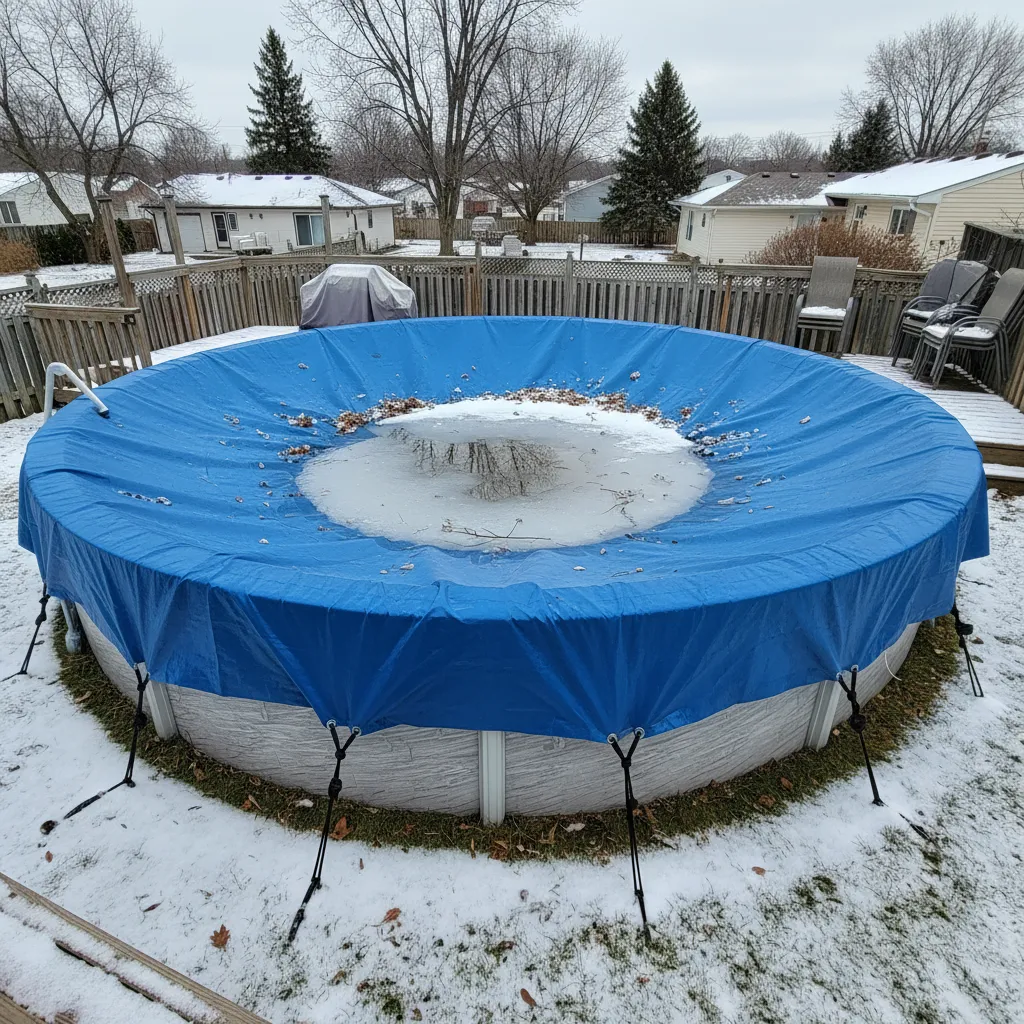
"Invest once to protect your liner and prevent a swamp in the spring."
Heavy-Duty Winter Pool Cover
Winter demand is high - check stock
Do You Need Chlorine in an Above Ground Pool?
Chlorine remains the most common solution for keeping above ground pools safe and clear. Let’s break down why it’s a non-negotiable part of pool care.
The Role Of Chlorine in Pool Sanitation
Chlorine acts as a primary sanitizer by neutralizing harmful contaminants. When added to water, it forms hypochlorous acid, which destroys bacteria, viruses, and organic debris. For above ground pools, which are more exposed to airborne dirt and UV degradation, chlorine also stabilizes water quality. Stabilized chlorine tablets (containing cyanuric acid) are popular for outdoor pools because they resist sunlight breakdown, maintaining 1-3 ppm residual chlorine for consistent protection.
Risks Of Not Using Chlorine
An above ground pool without chlorine becomes a breeding ground for pathogens like E. coli and Pseudomonas aeruginosa within 24-48 hours. Algae spores, introduced by wind or rain, can turn walls slimy and water green in under three days. Untreated pools also risk pH imbalances, leading to corrosion of metal components or liner damage. A single algae bloom can cost $50-$200 in algaecides and scrubbing tools to resolve.
How Long Can an Above Ground Pool Go Without Chlorine?
Most above ground pools can’t stay chlorine-free beyond 72 hours without visible issues. Warm weather (above 85°F) accelerates bacterial growth, cutting this window to 24-36 hours. Pools with heavy swimmer use or organic debris (leaves, grass) degrade faster. If you’re unable to add chlorine temporarily, running the filter 12 hours daily and brushing surfaces can delay contamination but won’t replace sanitization.
Up next: Let’s explore how chlorine interacts with your pool’s ecosystem to prevent hazards before they start.
How Chlorine Keeps Your Above Ground Pool Safe
Chlorine serves as the frontline defense for pools lacking natural filtration systems. While filters remove debris, only sanitizers like chlorine neutralize invisible threats lurking in the water. Let’s break down its dual role in protecting swimmers. Additionally, the relationship between chlorine and cyanuric acid plays a key part in keeping pool water safe. When combined, cyanuric acid helps stabilize chlorine, ensuring it remains effective for a longer time in outdoor pools.
Killing Bacteria and Algae
When chlorine dissolves, it forms hypochlorous acid—a compound that oxidizes harmful microorganisms. Without it, bacteria like E. coli multiply rapidly, turning your pool into a breeding ground for pathogens. Algae spores thrive in untreated water, creating slimy green surfaces within 48 hours. Chlorine disrupts cell structures in these organisms, stopping outbreaks before they start. To maintain a clean pool, it’s also important to consider the water’s alkalinity. Borax can help lower alkalinity, which keeps the water balanced and supports chlorine’s effectiveness.
Preventing Contamination and Cloudy Water
Organic matter like sweat, sunscreen, or leaves introduces phosphates into the water. These compounds feed algae and cloud the pool’s appearance. Chlorine breaks down these contaminants through oxidation, maintaining clarity. Pools without proper sanitization develop turbidity, reducing visibility for swimmers while increasing the risk of slips on slimy surfaces.
Testing and Maintaining Chlorine Levels
Consistent monitoring ensures chlorine works effectively without causing irritation. Let’s explore how to spot imbalances, measure levels, and maintain the sweet spot for water safety.
Signs Your Pool Needs Chlorine
Visible algae growth, lingering odors resembling mildew, or eye irritation signal low chlorine. Free chlorine levels below 1 ppm allow pathogens to survive, while combined chlorine (chloramines) above 0.5 ppm create that harsh “pool smell.” These signs indicate that chlorine levels may not be stable. Inconsistent chlorine readings can lead to serious health risks and affect the overall quality of the pool water.
How to Test Pool Water
Test strips provide instant readings: dip one in the pool, wait 15 seconds, and match colors to the chart. Liquid test kits offer higher precision, using reagents like orthotolidine to detect free chlorine. Digital testers deliver exact ppm readings but cost $50-$150. Test daily during peak use or extreme heat. Keeping an eye on free total chlorine levels is essential for safe swimming. Using test strips for free total chlorine can make this process quick and easy.
Ideal Chlorine Levels for Above Ground Pools
Target 1-3 ppm free chlorine for most pools. Saltwater systems require slightly lower levels (0.5-2 ppm) due to continuous chlorine production. For pools under heavy use or direct sunlight, boost levels to 3-4 ppm temporarily. Keep pH between 7.4-7.6 to maximize chlorine’s effectiveness. It’s important to regularly check your chemical levels. Measuring pool chemicals helps ensure a safe and enjoyable swimming environment.
Ready to explore other chemicals that work with chlorine? Let’s examine how sanitizers, balancers, and shock treatments form a complete maintenance system.
Also See: Can You Put Water Softener Salt in a Pool? Find Out!
Essential Chemicals for Above Ground Pool Maintenance
Keeping water clean in an above ground pool requires more than just chlorine. A balanced chemical approach prevents algae growth, protects equipment, and maintains swimmer comfort. Let’s break down the key players. One important aspect of pool maintenance is the filtration system. A backwash pool cartridge filter is a great option for keeping your water clear and clean.
Sanitizers Vs. Balancers
Sanitizers like chlorine (tablets, liquid, or granules) destroy bacteria and organic contaminants. Balancers stabilize water chemistry: pH adjusters keep levels between 7.4-7.6, while alkalinity increasers (sodium bicarbonate) prevent pH swings. Cyanuric acid acts as a stabilizer, shielding chlorine from UV degradation. Without balancers, chlorine burns off 2-3x faster on sunny days.
Using Shock Treatments
Weekly shock treatments (calcium hypochlorite or sodium dichlor) break down chloramines—irritants causing red eyes or strong odors. For a 10,000-gallon pool, use 1 pound of shock per 10,000 gallons after heavy use or rainfall. Non-chlorine shocks (potassium peroxymonosulfate) work for mild contamination but won’t address algae blooms. Just like managing pool chemicals is important, knowing the weight limit of pool noodles also matters. Each noodle has a specific weight capacity to ensure safety and support in the water.
Ph Adjusters and Algaecides
Muriatic acid lowers high pH, while sodium carbonate raises low pH. Algaecides (quaternary ammonium or polyquat) provide backup defense, targeting green algae within 12-24 hours. For severe infestations, copper-based algaecides work faster but risk staining vinyl liners if overdosed.
Do You Need a Chlorinator for an Above Ground Pool?
Chlorinators automate chlorine delivery, reducing daily maintenance. But are they necessary? Let’s compare options.
Types Of Chlorinators
Inline chlorinators attach to the filter system, dissolving trichlor tablets as water flows through. Floating chlorinators dispense tablets freely but unevenly. Liquid chlorine feeders require pumps and work best with stabilizer-added formulas. For pools under 15,000 gallons, basic floaters cost $15-$30, while inline systems range from $80-$200. After adjusting the pH with soda ash, it’s important to wait before using the pool. This ensures that the chemical levels stabilize and your pool remains safe for swimming.
Pros and Cons Of Saltwater Systems
Saltwater chlorinators convert salt (2,500-4,000 ppm) into chlorine via electrolysis. Benefits include lower chlorine odor and reduced manual dosing. Drawbacks: salt corrodes metal components like ladders, and initial setup costs $600-$1,500. Salt cells need replacement every 3-5 years ($200-$700).
Alternative Sanitization Methods for Above Ground Pools
Not a fan of chlorine? Other systems exist but come with trade-offs.
Bromine As a Chlorine Substitute
Bromine tablets (1” size) work in floating feeders, effective at higher temps—ideal for pools with solar covers. Unlike chlorine, bromine doesn’t gas off as quickly but costs 30% more. It’s less reactive to UV light, requiring 2-4 ppm levels versus chlorine’s 1-3 ppm. Choosing between bromine and chlorine for your hot tub can greatly impact your experience. Both have their pros and cons, making it important to consider your specific needs and preferences.
Ozone or UV Systems
Ozone generators inject O₃ gas to oxidize contaminants, cutting chlorine use by 60-90%. UV-C lamps (25-40 watts) destroy microorganisms as water passes through. Both systems cost $800-$2,000 upfront and need annual bulb or plate replacements ($100-$300).
Mineral Sanitizers
Mineral cartridges (copper/zinc ions) inhibit algae and bacteria, reducing chlorine demand by 50%. Models like Nature2 FusionSoft ($150-$300) last 6 months. Note: copper levels above 0.3 ppm can tint hair or liner surfaces green.
While chlorine remains the most cost-effective solution, balancing it with secondary systems can optimize water quality. Up next: what happens when chlorine levels spike too high?
Risks Of Over-chlorinating Your Above Ground Pool
Too much chlorine in your pool can cause harm. While it keeps water clean, high levels lead to risks for both users and gear. Let’s break down what happens when chlorine climbs past 5 ppm (parts per million). This issue can turn your pool water a murky green. Excessive chlorine can actually create problems like algae growth, making it seem like the pool is dirty even though you are trying to keep it clean.
Health and Equipment Damage
Swim in over-chlorinated water, and skin may turn red or itch. Eyes can burn, and some folks cough from fumes. Long-term exposure to levels above 10 ppm might fade your pool liner or rust metal parts like ladders. Pump seals and hoses also crack faster when soaked in strong chlorine mixes.
Test strips or kits help spot this early. If water smells harsh or feels sticky, check levels right away. Gear damage creeps up slow but costs $100-$500 to fix pumps, heaters, or liners.
Correcting High Chlorine Levels
First, stop adding chlorine tabs or liquid. Run the filter non-stop to spread water evenly. For fast drops, add a neutralizer like sodium thiosulfate—1 pound treats 10,000 gallons. Draining 1/3 of the pool and refilling with fresh water also dilutes levels. Keeping the pool clean can help keep away unwanted visitors. Deter ducks from the pool by using barriers or floating objects that make it less inviting.
Sunlight breaks down chlorine. Leave the pool cover off for 2-3 sunny days if levels are mildly high. Retest every 6 hours until back to 1-3 ppm. Balance pH to 7.4-7.6 once chlorine settles. Keeping an eye on other chemical levels is important too. It’s essential to check the salt level in your pool to ensure proper water balance.
Got your water safe again? Let’s tackle the top questions pool owners ask about chlorine use.
Above Ground Pool Chlorine FAQs
How Does Rainwater Impact Chlorine Levels?
Rain dilutes chlorine concentration and introduces organic debris, requiring immediate testing. After a storm, check levels and add shock treatment if chlorine drops below 1 ppm to combat contaminants.
Are There Chlorine Alternatives for Sensitive Skin?
Bromine or mineral sanitizers (copper/zinc ions) reduce chlorine reliance while maintaining cleanliness. Pair these with UV systems to minimize chlorine use by 50-90%, lowering skin irritation risks.
How Soon Can I Swim After Adding Chlorine?
Wait 30 minutes for liquid chlorine and 2-4 hours for granular shock. Ensure levels are between 1-3 ppm and pH is 7.4-7.6. Use test strips to confirm safety before swimming.
Why Does My Pool Lose Chlorine So Quickly?
UV exposure, high temperatures, or insufficient cyanuric acid (stabilizer) accelerate chlorine loss. Stabilized tablets or adding 30-50 ppm cyanuric acid can extend chlorine effectiveness by 2-3x.
Final Thoughts on Chlorine Use in Above Ground Pools
Chlorine plays a critical role in keeping your above ground pool clean, clear, and safe. Without it, bacteria, algae, and contaminants can quickly turn your pool into a health hazard. Maintaining proper chlorine levels—typically 1-3 ppm—ensures effective sanitation while preventing issues like cloudy water or skin irritation.
While alternatives like bromine, UV systems, or mineral sanitizers exist, chlorine remains the most reliable and cost-effective solution. Regular testing with strips or liquid kits helps you stay on top of water balance. Pairing chlorine with stabilizers and pH adjusters maximizes its efficiency.
For precise chemical dosing tailored to your pool size, check out My Pool Calculator. Our tools simplify maintenance so you can spend less time worrying and more time enjoying your pool.
Additional Resources for You:
- Pentair Residential Pool Resources (Maintenance Guides)
- Tips for Maintaining an Above-Ground Pool
- What Chemicals Do You Use To Set Up An ABOVE GROUND …
- r/AboveGroundPools on Reddit: Help what chemicals do I need for an above ground pool
- 10 Above Ground Pool Chemical Must-Haves | 1st Direct Pools
A pool care geek who’s been testing water chemistry since she was tall enough to reach the skimmer.
Chlorine, Pool Chemistry, Sanitizers