Can Too Much Chlorine Turn Your Pool Cloudy or Green? Let’s Break It Down
Published on: January 3, 2026 | Last Updated: November 17, 2025
Written By: Rachael Weatherbottom
Yes, excess chlorine can cause cloudy pool water, but a green tint typically points to algae resistance or oxidized metals—not the chlorine itself. When chlorine levels spike above 5 ppm (parts per million), pH imbalances and calcium scaling often create cloudiness, while green water after shocking usually signals chlorine lock (algae surviving treatment) or copper particles reacting with chemicals. The real issue isn’t always the chlorine amount—it’s how other factors like pH, metals, or algae interact with it.
This article explains why your pool might turn cloudy or green despite proper chlorination. You’ll learn how high chlorine impacts water chemistry, why algae can thrive in over-chlorinated pools, and how metals like copper or iron create sudden color changes. We’ll cover pH ranges (7.4–7.6 ideal), calcium hardness limits (200–400 ppm), and the science behind “chlorine demand”—the hidden reason your sanitizer might not be working.
Stick around for actionable fixes: balancing chemicals without draining the pool, choosing the right algaecides for resistant growth, and removing metal stains. You’ll also see how tools like the My Pool Calculator app simplify testing and dosing, helping you avoid costly mistakes. Let’s clear up the confusion—and your water—for good.
How Chlorine Affects Pool Water Quality
Chlorine keeps pool water safe by killing germs and breaking down dirt. It works by forming weak acids when mixed with water, which attack bad stuff like algae and sweat. But balance matters. Too much can throw off other parts of your water’s health. One key factor in maintaining this balance is cyanuric acid. It helps protect chlorine from the sun’s effects, allowing it to work more effectively in your pool.
Crucial Winterizing Products
"The all-in-one solution for a guaranteed clear spring opening."
All-in-One Closing Chemical Kit
Winter demand is high - check stock

"The 'set & forget' option. This is the easiest winterizing I've ever done."
Simple 3-in-1 Winterizing Balls
Winter demand is high - check stock
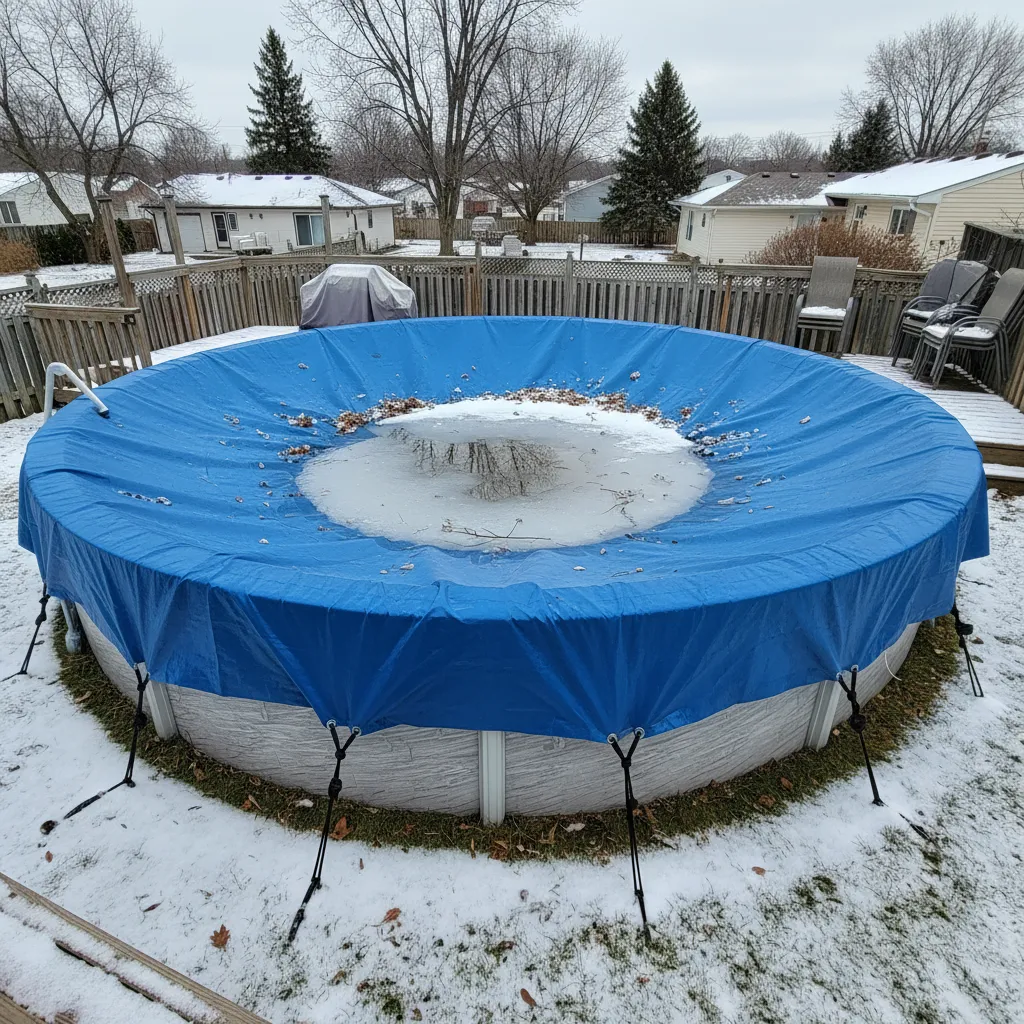
"Invest once to protect your liner and prevent a swamp in the spring."
Heavy-Duty Winter Pool Cover
Winter demand is high - check stock
The Role Of Chlorine in Pool Maintenance
Free chlorine (FC) is the active part that fights germs. Combined chlorine (CC) forms when FC mixes with waste, making it less strong. Total chlorine (TC) is FC plus CC. For pools to stay clear, FC must stay higher than CC. If CC gets too high, you might smell “chlorine odor” or see eye burn – signs it’s time to shock the pool. Keeping the pool clean helps keep it enjoyable for everyone. One way to do this is by taking steps to deter ducks from the pool.
Ideal Chlorine Levels for a Healthy Pool
Aim for 1-3 ppm (parts per million) free chlorine. Below 1 ppm, algae can grow. Over 5 ppm, issues like cloudiness or green tints may start. Saltwater pools need 1-3 ppm too, but their systems make chlorine slowly, so spikes are rare.
Recommended Ranges for Residential Pools
Keep pH between 7.4 and 7.6. High chlorine (over 5 ppm) can push pH above 8.0, causing scale build-up. This makes water look milky. If metals like copper or iron are present, high chlorine can turn them green. For example, 0.3 ppm copper plus high chlorine can tint water emerald. Test metals yearly if using well water or copper-based algaecides.
Watch stabilizer (cyanuric acid) levels. Over 50 ppm causes “chlorine lock” – chlorine stops working even if tests show high levels. This lets algae bloom, turning pools green after adding more chlorine. Use test strips or kits to check FC, pH, and stabilizer weekly.
Balanced chlorine clears water, but mistakes can lead to cloudiness or odd colors. Next, let’s break down why overdoing chlorine sometimes backfires.
Can Too Much Chlorine Make a Pool Cloudy?
Cloudy pool conditions following a spike in chlorine can catch many pool owners off guard. This clouding typically links to shifts in water chemistry and filtration capability, not just high sanitizer amounts. Bubbles can also play a role in pool maintenance. A bubbles pool can enhance the overall swimming experience, providing both fun and relaxation.
Primary Causes Of Cloudiness From Excess Chlorine
Two main factors drive clouding when chlorine climbs past 5 ppm: pH instability and filter strain.
pH Imbalance and Calcium Buildup
High chlorine from granular or tablet forms often brings pH down. Acidic water dissolves calcium from plaster or concrete surfaces. As pH fluctuates, calcium can solidify again, forming tiny particles that turn water milky. Maintaining pH between 7.4 and 7.6 limits this risk.
Reduced Filtration Efficiency
Too much chlorine can kill off helpful bacteria that normally break down organic stuff. Without them, filters work harder to catch dead cells and debris. Sand filters might miss particles under 20 microns, allowing cloud-causing bits to stay in circulation. Keeping your pool pump in good shape is important for maintaining water clarity and safety. A pool pump GFCI can help ensure that your pump operates safely, preventing electrical hazards while efficiently filtering your pool water.
Why Did My Pool Turn Green After Adding Chlorine?
Adding chlorine only to find a swampy tint points to a chemical clash. High sanitizer levels can trigger surprising interactions with algae and metals.
Understanding the Chlorine-algae Paradox
Chlorine fights algae, but adding it can spark a green pool if conditions allow algae to thrive or metals to oxidize.
Chlorine Lock and Algae Resistance
At 10 ppm or higher, chlorine may bind with cyanuric acid (a stabilizer), making it inactive. Algae adapt to low-level chlorine, surviving spikes. Shock treatments then kill weak algae, releasing iron or copper from their cells, which oxidizes into green compounds.
Overwhelmed Filtration Systems
Sudden algae death from high chlorine floods filters with organic waste. Cartridge filters needing 8+ hours daily may fail to clear this load, letting green remnants linger.
Oxidized Metals in Water
High chlorine oxidizes metals like copper from algaecides or pipes. Just 0.3 ppm copper turns water green. Metal sequestrants bind these ions, stopping color shifts.
Spotting indicators of high chlorine early can stop lasting harm to pool clarity and color.
Also See: Can You Swim With Phosphate Remover in Pool? Guidelines
Key Signs Of Excessive Chlorine in Your Pool
Recognizing chlorine overload early prevents lasting damage. Look for these three red flags to determine if high chlorine levels are causing water issues.
Cloudy Water With Visible Particles
When free chlorine exceeds 5 ppm, it can trigger calcium scaling as minerals bind to excess sanitizer. This creates suspended particles that scatter light, giving water a milky appearance. Cloudiness often pairs with pH levels above 7.8, reducing chlorine’s effectiveness despite high readings.
Green Tint Despite High Chlorine Readings
A green pool with chlorine at 3+ ppm signals algae resistance. Stabilized chlorine (trichlor tablets) can cause “chlorine lock” when cyanuric acid levels surpass 100 ppm, rendering sanitizer useless against algae blooms. Metals like copper oxidized by excess chlorine may also tint water emerald.
Skin/irritation Issues
Swimmers experiencing red eyes or itchy skin after contact with water may face chlorine levels above 10 ppm. High sanitizer concentrations strip natural oils from skin and create chloramines when reacting with sweat, worsening irritation.
How to Fix a Cloudy Pool Caused by Excess Chlorine
Restoring clarity requires tackling chemical imbalances and improving filtration. Follow these steps systematically.
Step 1: Test and Adjust Ph Levels
Use a Taylor K-2006 test kit to measure pH. If readings exceed 7.6, add muriatic acid (1 quart per 10,000 gallons lowers pH by 0.2). For pH below 7.2, use sodium carbonate. Target 7.4-7.6 to reactivate chlorine’s sanitizing power. Proper pH levels are important for maintaining clean water in a swimming pool. Regularly swimming in a shocked pool helps keep the water safe and enjoyable.
Step 2: Enhance Filtration Duration
Run the pump continuously for 24-48 hours. Clean or backwash filters daily during this period—sand filters need 3-5 minutes of backwashing, while cartridge filters require hosing. For severe cloudiness, add DE powder to sand filters to boost micron ratings. Proper maintenance of pool filters is key to ensuring good water quality. Backwash sand filters help remove accumulated debris and contaminants effectively.
Step 3: Use Pool Clarifiers or Flocculants
Polymer-based clarifiers like Clorox Pool & Spa Clarifier (2 oz per 5,000 gallons) bind tiny particles for filter removal. For rapid clearing, aluminum sulfate flocculants (4 lbs per 20,000 gallons) clump debris for vacuuming. Always follow with a phosphate remover to prevent recurrence.
Clearing a Green Pool After Chlorine Overuse
Green water post-chlorination demands aggressive algae treatment and metal management. Act swiftly to avoid permanent staining.
Immediate Action Plan for Green Water
Start by brushing all surfaces twice daily to dislodge algae biofilms. Use a leaf rake to remove visible debris before vacuuming to waste. For vinyl liners, switch to a nylon brush to prevent damage.
Brush Walls and Vacuum Debris
Focus on corners, steps, and behind ladders where algae hide. Vacuum slowly at 15-20 RPM to avoid stirring up sediment. If water remains green after vacuuming, suspect oxidized metals.
Apply Algaecide Compatible with Current Chlorine Levels
Choose a 60% polyquat algaecide (12 oz per 10,000 gallons) that works at chlorine levels up to 5 ppm. Avoid copper-based products, which may worsen discoloration. Retest chlorine 4 hours post-treatment. It’s important to select the right algaecide for your pool’s needs. Our best pool algaecide guide can help you make the best choice for clear and clean water.
Restoring Chemical Balance
Test for metals using strips detecting copper (0-2 ppm) and iron (0-5 ppm). If present, add 1 qt of Metal Out per 10,000 gallons. Balance total alkalinity to 80-120 ppm using sodium bicarbonate before adjusting chlorine to 1-3 ppm with sodium thiosulfate.
With water clarity returning, consistent testing becomes critical—a perfect lead-in to our next section on maintaining balanced chemistry year-round.
Preventing Cloudy or Green Water From Chlorine Imbalance
Balanced chlorine levels protect against murky or discolored water. Proactive strategies minimize risks tied to over-chlorination, algae blooms, or metal oxidation.
Regular Water Testing Best Practices
Test free chlorine, total chlorine, and combined chlorine twice weekly with liquid test kits or digital meters. Free chlorine should stay at 1-3 ppm, while combined chlorine (chloramines) must remain below 0.2 ppm. High combined chlorine indicates organic contaminants consuming sanitizer, leading to chlorine lock. Test total dissolved solids (TDS) monthly—levels exceeding 1,500 ppm reduce chemical effectiveness, contributing to pool cloudy after adding chlorine scenarios. Maintaining proper chemical balance is essential for all types of pools, including stock tank pools. If neglected, stock tank pools can develop rust, which can affect their longevity and safety.
Check metals like copper or iron annually. At 0.2 ppm or higher, metals react with excess chlorine, triggering pool green from too much chlorine incidents. Use sequestering agents if metals are present. Maintaining proper chlorine levels is essential for effective filtration. Sand filters also need chlorine to kill harmful bacteria and keep the water safe for swimming.
Using a Pool Calculator for Precision
Manual calculations often fail to account for variables like cyanuric acid levels or temperature changes. A pool calculator factors in pool volume, current chemical readings, and product strengths to deliver exact dosing instructions. For example, lowering chlorine from 10 ppm to 3 ppm in a 15,000-gallon pool requires 48 oz of sodium thiosulfate—a figure most pool owners misjudge without tools. To maintain proper water balance, it’s important to accurately dose with muriatic acid as well. A muriatic acid pool calculator simplifies this process by providing precise amounts needed based on your pool’s specific conditions.
How My Pool Calculator Simplifies Maintenance
| Feature | Manual Calculation | My Pool Calculator |
|---|---|---|
| Chlorine Adjustment | ±2 ppm error margin | Exact to 0.1 ppm |
| pH Balancing | Risk of over-acidification | Adjusts for alkalinity buffering |
| Metal Treatment | Generic dosing | Customized by metal type/level |
The tool auto-adjusts for weather patterns, swimmer load, and filter type—critical for preventing why does my pool go green after adding chlorine issues. Input test results once, and get step-by-step corrections for chlorine, pH, and stabilizers. Integration with smart test kits provides real-time updates, cutting chemical costs by 30% annually. Maintaining proper chemical balance is essential for a safe swimming environment. Regular monitoring and adjustments help ensure your pool remains clean and inviting.
With consistent monitoring and precise adjustments, pools stay clear without guesswork. Next, let’s address frequent concerns about chlorine’s visual impacts in our FAQs section. One important aspect of pool maintenance is ensuring the right salt level. Keeping an eye on the salt level helps maintain the effectiveness of the chlorine and overall water quality.
FAQs: Chlorine-related Cloudiness and Discoloration
Can High Chlorine Levels Damage Pool Equipment Over Time?
Yes, prolonged exposure to chlorine levels above 5 ppm can degrade pool components. Rubber seals in pumps and heaters may harden and crack, while metal parts like ladder bolts or heat exchangers may corrode faster. High chlorine combined with low pH (below 7.0) accelerates this damage. For saltwater pools, ensure chlorine generators are calibrated to avoid overproduction.
What’s the Safest Way to Lower Chlorine Without Causing New Imbalances?
Use sodium thiosulfate (chlorine neutralizer) at 1 oz per 10,000 gallons to reduce chlorine by 1 ppm. Avoid draining water unless levels exceed 10 ppm—partial draining risks destabilizing calcium and alkalinity. For minor overages (4-5 ppm), sunlight exposure naturally burns off 1-2 ppm daily. Always retest pH and alkalinity after adjustments to prevent secondary cloudiness.
Do Vinyl or Fiberglass Pools React Differently to Chlorine-induced Cloudiness?
Vinyl liners lack calcium but can develop surface hazing if pH rises above 7.8 from excess chlorine. Fiberglass pools may show cloudiness faster due to their nonporous surfaces reflecting suspended particles. Concrete/gunite pools are most prone to calcium scaling from chlorine-pH interactions. For all types, maintain alkalinity at 80-120 ppm to buffer chemical shifts.
Closing Thoughts
Keeping your pool crystal clear requires balancing chlorine levels with other chemical factors. Too much chlorine can cause cloudiness from pH shifts or turn water green by oxidizing metals or triggering algae resistance. The key is regular testing and measured adjustments.
For quick fixes, address pH imbalances first, extend filtration time, and use clarifiers if needed. Green pools need brushing, vacuuming, and targeted algaecides. Prevention beats correction—test water 2-3 times weekly and adjust chlorine based on usage and weather.
Simplify maintenance with My Pool Calculator. Our tools help you calculate precise chemical doses, track test results, and avoid over-chlorination mishaps. Dive into clearer water with less guesswork.
Useful References for You:
- National Swimming Pool Foundation (NSPF). (2022). Pool & Spa Operator Handbook (4th ed.). Colorado Springs, CO: NSPF.
- I probably put too much chlorine in. Pool is green and …
- Pool turns green when adding granular chlorine – Swimming Pool Help
A pool care geek who’s been testing water chemistry since she was tall enough to reach the skimmer.
Algae Treatment, Common Problems, Pool Chemistry