Do Stock Tank Pools Rust? A Complete Guide for Pool Owners
Published on: February 19, 2026 | Last Updated: November 17, 2025
Written By: Rachael Weatherbottom
Yes, stock tank pools can develop rust over time due to their steel construction. These popular backyard pools are typically made from galvanized steel (zinc-coated metal), which delays corrosion but doesn’t eliminate it permanently. Environmental exposure, physical damage to protective layers, and unbalanced water chemistry accelerate rust formation. With proper care like epoxy sealants and maintaining pH levels between 7.2-7.8, most owners get 3-7 years of use before significant rust appears.
This guide explains why rust occurs in stock tanks and how to combat it effectively. You’ll learn how galvanization works, why scratches or acidic water degrade metal surfaces, and which climates speed up oxidation. We break down the science into practical steps, from choosing thicker 20-gauge steel tanks to applying food-grade waterproof coatings.
By the end, you’ll know how to inspect for early rust signs, repair minor corrosion spots, and decide when replacement becomes necessary. We also compare steel tanks to fiberglass and resin alternatives – including cost differences (steel: $300-$800 vs. resin: $1,200-$2,500) – so you can balance budget and durability. Real-world maintenance routines and winterization tactics are included to maximize your pool’s lifespan.
Understanding Rust in Stock Tank Pools
Stock tank pools bring charm to backyards, but metal care matters. Let’s break down how rust forms and what slows it.
Crucial Winterizing Products
"The all-in-one solution for a guaranteed clear spring opening."
All-in-One Closing Chemical Kit
Winter demand is high - check stock

"The 'set & forget' option. This is the easiest winterizing I've ever done."
Simple 3-in-1 Winterizing Balls
Winter demand is high - check stock
"Invest once to protect your liner and prevent a swamp in the spring."
Heavy-Duty Winter Pool Cover
Winter demand is high - check stock
Do Stock Tank Pools Rust Over Time?
All steel tanks face rust risks. Galvanized types last longer but still age. Exposure to water, salt, or harsh weather speeds decay.
Why steel and galvanized materials are prone to oxidation
Steel has iron that bonds with air and water. This mix creates iron oxide (rust). Galvanized steel adds a zinc coat, but scratches or dents expose raw metal. Once exposed, rust can spread under the zinc layer. Salt water, acid rain, or high humidity make this worse.
The role of galvanization in delaying rust formation
Galvanizing dips steel in molten zinc. The zinc acts as a shield, blocking air and moisture. It also wears down first, acting as a “sacrificial layer.” A well-kept galvanized tank resists rust for 10-15 years. Thicker zinc coats (like 100g/m²) last longer than thin ones (40g/m²).
Even with care, no metal tank stays rust-free forever. Next, we’ll explore factors that speed up wear and how to spot early damage.
Factors That Accelerate Rust Formation
Galvanized stock tanks hold up against rust, but specific conditions can speed up oxidation. Knowing what triggers corrosion helps pool owners act fast to fix problems.
Material Quality and Thickness
Not all stock tanks work the same. Thickness (called “gauge”) matters – lower gauge numbers mean thicker steel. A 12-16 gauge tank lasts longer than thin 20+ gauge models. Zinc coating quality also varies. Budget tanks might skip hot-dip galvanizing, using thin spray coatings that chip off within months. High-quality pools apply zinc at 0.30 oz/ft² or more for lasting barrier protection. When considering different types of pools, size is an essential factor. Junior Olympic pools typically measure 25 meters in length, providing athletes an ideal space for training and competition.
Environmental Exposure
Location impacts rust risk. Coastal pools face salt air that breaks down zinc 3x faster. Desert areas with 50°F+ daily temp swings cause condensation, pooling water at the tank’s base. Mountain zones with winter snow? Freeze-thaw cycles crack coatings as ice expands. Keeping a pool heater in good condition is essential for extending its life. A plumb pool heater can help manage these environmental challenges and ensure your swimming experience remains comfortable.

Impact of rain, humidity, and temperature fluctuations
Moisture is zinc’s worst rival. Humidity above 60% speeds oxidation, while rain splashing on outer walls creates rust spots. UV rays from sun heat thin metal, warping it over time. Pools in Florida’s humid climate rust 2x faster than those in arid Arizona.
Water Chemistry Imbalances
Pool water isn’t just H₂O. Improper pH or sanitizer levels attack metal. Chlorine over 3 ppm strips zinc coatings, while low pH (under 7.2) dissolves protective layers. High alkalinity (above 120 ppm) causes scaling that traps moisture against steel. This can significantly impact the lifespan of your pool’s equipment. Keeping the right balance in your pool can help extend the lifespan of Pool Rx treatments.

How pH levels affect metal surfaces
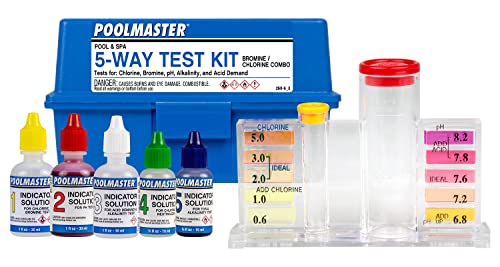
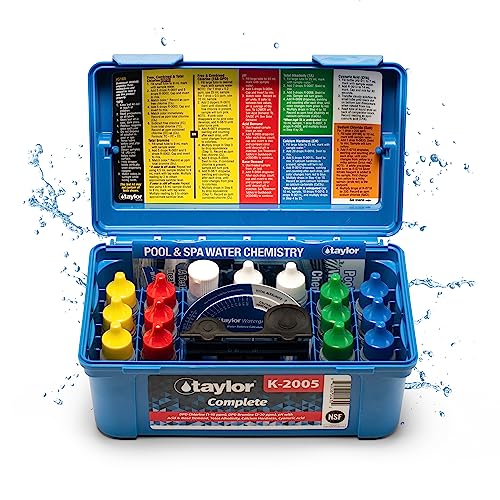
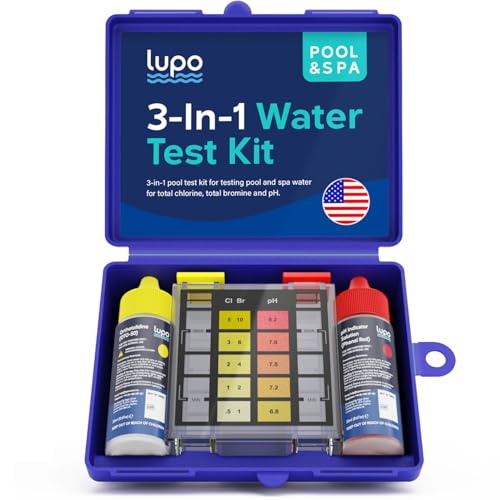
Acidic water (pH 6.0-7.0) starts dissolving zinc in days. Visible signs include white powder (zinc oxide) or red streaks. Maintain 7.4-7.6 pH for minimal corrosion. Test kits cost $15-$30 – a small price to avoid a $500 tank replacement.
Physical Damage to Protective Coatings
Galvanization forms a shield, but scratches or dents break this barrier. Dragging rocks, metal tools, or power washers with 1500+ PSI blast off zinc. Even rough scrubbing with wire brushes or steel wool leaves micro-scratches.
Scratches, dents, and abrasive cleaning methods
- Dropping pool vacuums chips coatings
- Kids’ toys hitting walls cause dings
- Sand buildup grinds during cleaning
Use soft nylon brushes and avoid sharp objects inside the tank.
Life Expectancy Of Stock Tank Pools
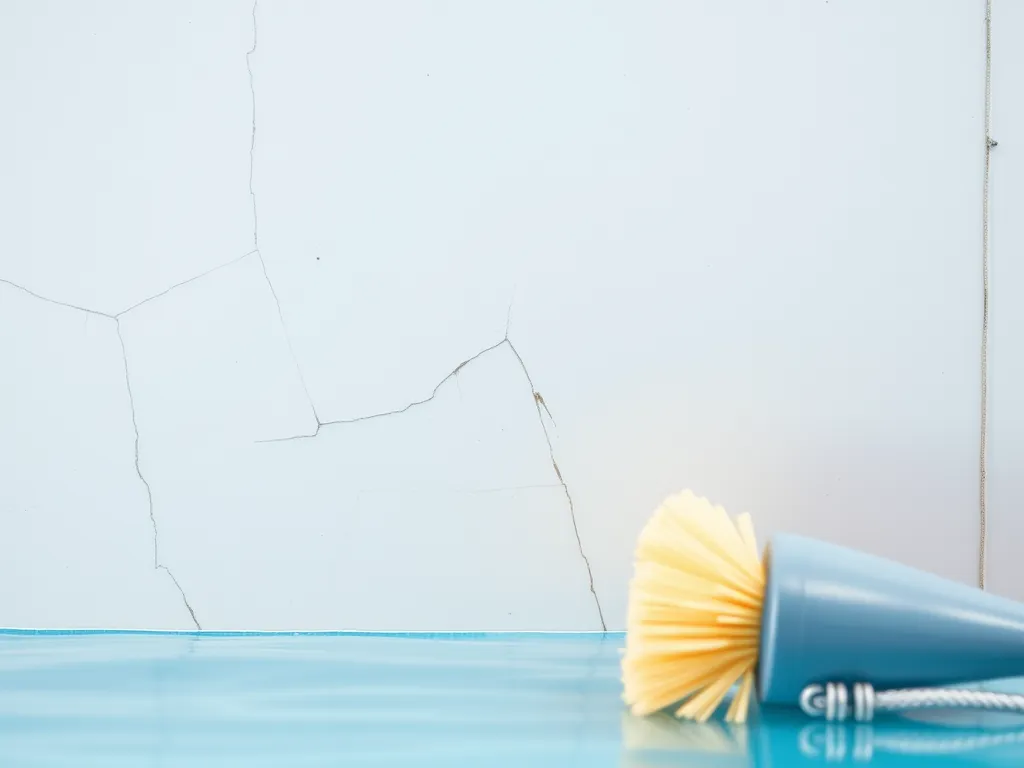
With good care, a galvanized stock tank lasts 5-10 years. Ignoring rust? It might fail in 2-3 seasons. Spotting early decay signs buys time to fix issues.
Typical Lifespan Of Galvanized Steel Tanks
Industry data shows:
- Basic 8-ft tanks: 3-5 years
- Hot-dip galvanized 10-ft tanks: 7-10 years
- Powder-coated models: 10-15 years
Adding sealants adds 2-4 years. Pools in dry climates often outlast coastal ones by 30%.
Signs Your Pool is Nearing Replacement
- Rust covering 25%+ of surfaces
- Pinhole leaks along the base
- Flaking zinc with exposed black steel
- Water turning orange within hours after filling
At this stage, patching won’t work. A new tank costs $300-$1,200, but delaying risks structural collapse.
Spotting early rust clues? Up next: tactics to halt corrosion before it spreads.
Also See: Can You Paint a Gunite Pool? Here’s What to Know
Key Downsides Of Stock Tank Pools
While stock tank pools offer a low-cost way to cool off, their metal build brings unique care needs. Owners must weigh these traits before buying.
Maintenance Needs Compared to Normal Pools
Galvanized steel pools need more care than vinyl or concrete types. You’ll check pH 2-3 times weekly, scrub walls to stop scale, and hunt for rust spots. Miss one step, and the tank may stain or wear out fast. A swimming pond offers a more natural alternative. It can provide a lush, eco-friendly swimming experience that blends beautifully with the landscape.
Weak Spots in Rough Weather
Heat waves, salt air, or ice storms speed up rust on stock tank pools. Metal thins where temps swing wide, letting red stains form. Coastal homes see tanks fail 30% faster due to moist air. This is why many are turning to saltwater stainless steel pools. They offer better durability and resistance against corrosion, making them ideal for coastal environments.
Brown Water From Metal Wear
Flakes from rust on stock tank pool walls can turn water murky. This occurs when pH dips below 7.0, eating at the zinc shield. Some find orange tints just days after filling. Keeping the pool clean is important, not just for its appearance but also for the safety of swimmers. One common nuisance in pools is water striders, which can be removed with simple methods.
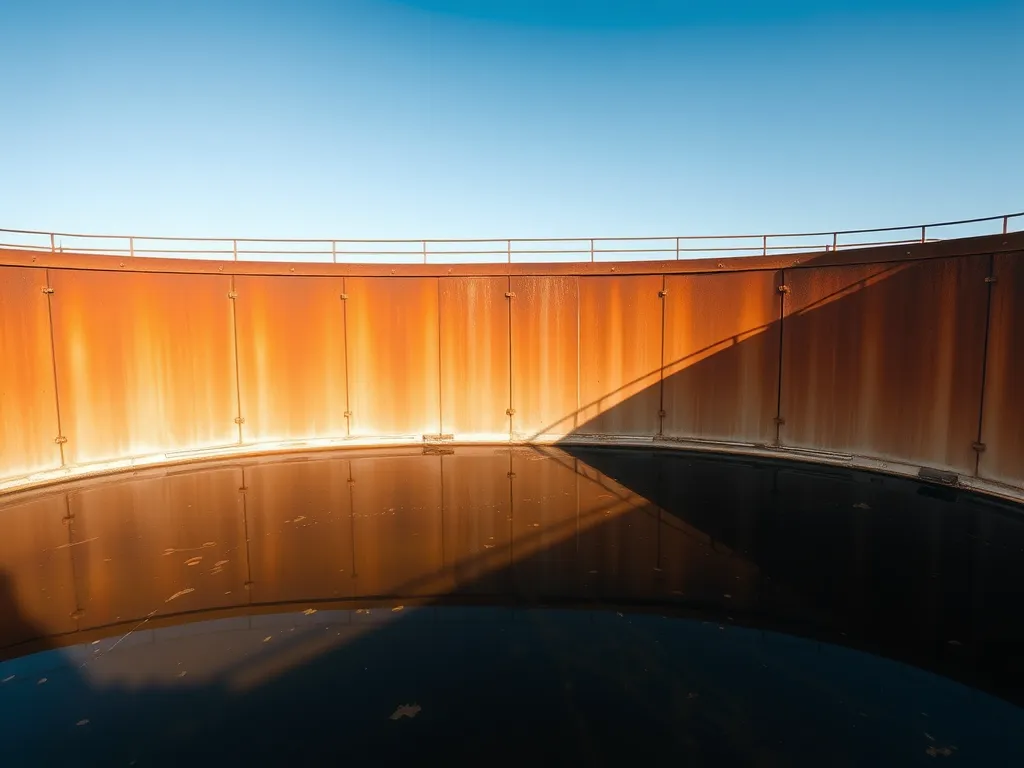
Proven Rust Stoppers
Smart care keeps stock tank pool rust at bay. These steps add years to your setup.
Sealants That Shield
Thick epoxy coats block wet from hitting steel. For safe use, pick food-grade liners like Pond Shield (FDA okay). One coat lasts 5-8 years if applied right.
Safe Pool Liners
Food-safe sealants cost $80-$120 per kit. They bend with metal as temps shift, stopping cracks that let rust start.
Check-ups Each Month
Scan the tank’s base and seams each month. Use a flash light to spot dull spots or rough patches. Fix small flaws fast with zinc-rich paint.
Water Balance Matters
Keep pH between 7.2-7.8 to slow stock tank oxidation. Test strips show if levels dip. Add soda ash to lift pH, or muriatic acid to lower it.
Best pH for Steel
| pH Level | Effect |
|---|---|
| Below 7.0 | Fast rust, etched walls |
| 7.2-7.8 | Safe zone |
| Above 8.0 | Scale build-up |
Must-do Care Steps
Daily and yearly habits keep stock tank pools rust-free.
Safe Scrubbing Tips
Use soft cloths, not steel wool. Mix 1 cup white vinegar per 10 gal water to lift grime. Rinse well—soap residue can harm the zinc coat.
Cold-weather Prep
Drain 90% of water before frost. Wrap the tank in a tarp, but leave air gaps to stop sweat. Add pool antifreeze in pipes if used.
Fixing Small Rust Marks
Sand flaws with 120-grit paper. Wipe dust off, then dab on cold galv spray. Let dry 48 hrs before refill. Works on spots under 1 inch wide.
While upkeep helps, some seek tanks made of new stuff. Next, we’ll weigh steel vs. plastic and resin types.
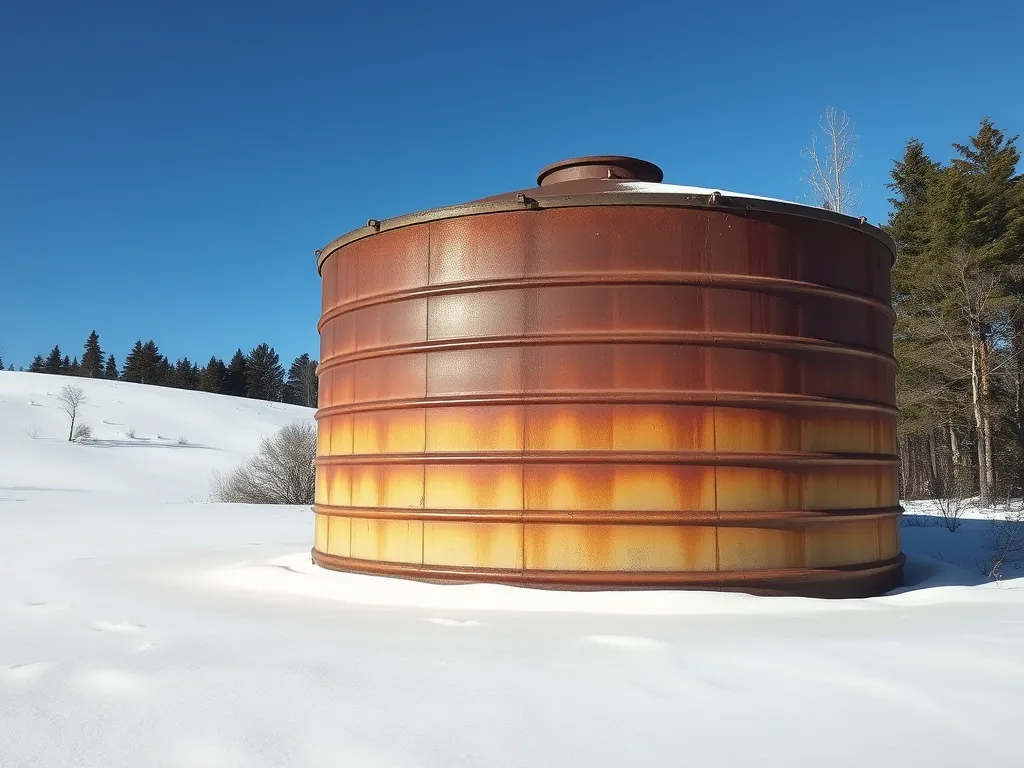
Alternative Materials for Rust-resistant Pools
Owners worried about stock tank pool rust often look for options that skip metal parts. Two strong choices stand out: fiberglass/resin pools and powder-coated tanks. Both cut down on oxidation risks linked to traditional galvanized steel. Keeping your pool pipes safe from prevent freezing is also important. By taking steps to prevent freezing, you can protect your investment and ensure your pool remains usable year-round.
Fiberglass and Resin Options
Fiberglass pools, built with glass-reinforced plastic, avoid rust entirely. Brands like Sandbridge or Royal Resin offer shapes from oval to round, with costs running $800-$2,500. Resin tanks mix plastic polymers for UV resistance, handling temps from -20°F to 120°F without warping. A 10’x2’ resin pool weighs ~90 lbs – half as much as steel – making setup simpler. Drawbacks? Colors may fade after 3-5 years of sun exposure. However, it’s essential to consider long-term costs associated with pool maintenance. Disappearing pool costs can impact your decision and ultimately affect your overall budget.
Powder-coated Steel Tanks
For those set on metal, powder-coated tanks add a thick polymer layer over galvanization. Brands like Tuff Stuff apply coatings up to 12 mils thick using electrostatic spray and thermal curing. This blocks 95% of moisture contact, lasting 8-12 years vs. 4-7 for basic galvanized. Costs run $400-$1,200 for 8’ diameter models. But deep scratches (over 1/16”) can still let rust start. Annual touch-ups with Rust-Oleum’s Farm & Implement paint ($12/can) fix minor flaws.
| Material | Avg. Cost | Lifespan | Maintenance Needs |
|---|---|---|---|
| Fiberglass/Resin | $800-$2,500 | 12-15 years | UV protectant every 2 years |
| Powder-Coated Steel | $400-$1,200 | 8-12 years | Annual scratch checks + touch-ups |
While material choice forms your first line of defense against stock tank pool rust, daily habits impact long-term results. Up next: common questions on spotting early warning signs and fixing small issues before they grow. Keeping your pool clean is essential, especially if you don’t have a pump. Simple maintenance methods can help you achieve a crystal-clear pool without relying on pumps.
FAQ: Stock Tank Pool Rust Concerns
How Often Should Protective Sealants Be Reapplied?
Most epoxy or food-grade sealants require reapplication every 2-3 years. Factors like UV exposure, freeze-thaw cycles, and chemical cleaning can degrade coatings faster. Inspect annually for cracks or peeling – a chalky appearance signals it’s time for a fresh coat.
Are Rust Particles Harmful to Swimmers?
Minor surface rust poses minimal health risks, but heavy corrosion can release iron particles that stain skin or pool liners. Always test discolored water before swimming – if pH drops below 6.8 or rust covers >15% of surfaces, drain and repair immediately. It’s essential to keep your pool in good condition for enjoyment. Local residents can take advantage of the beautiful Red Rock Pool, which offers a refreshing spot for free swimming.
Does Painting the Exterior Help Prevent Rust?
Yes, high-quality exterior paints (alkyd-based or rust-inhibiting primers) add protection. Clean surfaces with vinegar/water (1:3 ratio), sand lightly with 220-grit paper, and apply two thin coats. Avoid painting interiors unless using NSF-certified pool paints. When it comes to above ground pools, choosing the right paint is key for durability. A good paint can enhance the pool’s appearance and help it last longer in outdoor conditions.
Can I Use a Pool Liner Instead Of Sealants?
Vinyl or EPDM liners (40-60 mil thickness) create a physical barrier against water contact. They’re replaceable (~$150-$300) but require smooth interiors to prevent punctures. Sealants bond chemically to metal, while liners offer easier visual inspection for hidden corrosion.
Does In-ground Installation Reduce Rust Risks?
Partially. Buried tanks avoid UV damage but face higher soil moisture. Use a 6” gravel base for drainage, and wrap the exterior in polyethylene sheeting (10+ mil). Above-ground pools dry faster but need shaded placements to reduce thermal stress. A similar approach can be applied to partially bury an above-ground pool. This method can help protect the pool’s structure while enhancing its visual appeal.
Can I Add a Fiberglass Layer to an Existing Steel Pool?
Yes – professional retrofitting involves sandblasting rust, applying bonding agents, and spraying fiberglass layers (cost: $1,500-$3,000). DIY kits with fiberglass mats and resin ($400-$600) work for small tanks but may lack long-term adhesion.
Closing Thoughts
Stock tank pools offer a budget-friendly backyard escape but require vigilance against rust. While galvanized steel resists corrosion, factors like water chemistry imbalances and physical damage can accelerate wear. With proper maintenance—regular inspections, pH control between 7.2–7.8, and protective coatings—these pools can last 5–10 years.
For those in humid or coastal climates, fiberglass or powder-coated alternatives may prove more durable. Need help balancing your pool’s chemistry? Use My Pool Calculator for precise water treatment measurements to protect your investment.
Whether you choose steel or explore rust-resistant materials, proactive care ensures seasons of refreshing dips without surprise oxidation issues.
Additional Resources for You:
- National Swimming Pool Foundation (NSPF) – Certification & Resources
- Do Stock Tank Pools Rust?
- Galvanized Trough – Redneck Pool – TexasBowhunter.com Community Discussion Forums
- Do Stock Tanks Rust? Let’s take a deep dive! – Ranch Pools
- Rusty Galvanized Stock Tank Pools – [STPP]
A pool care geek who’s been testing water chemistry since she was tall enough to reach the skimmer.
Concrete & Plaster, Crack Repair, Pool Material Care