Can You Paint an Above Ground Pool?
Published on: January 23, 2026 | Last Updated: November 17, 2025
Written By: Lila Fairholme
Yes, you can paint an above ground pool using epoxy, acrylic, or rubber-based paints designed for submerged surfaces. Painting refreshes faded finishes, adds UV protection, and costs 50-70% less than full replacements. Success depends on surface prep: sanding rough spots, cleaning with trisodium phosphate (TSP), and applying primer. Avoid standard exterior paints—they’ll peel or leach chemicals into water.
This guide explores pool-safe paint types, preparation steps, and techniques for lasting results. Learn why epoxy works best for metal walls, while acrylic suits plastic components. Compare the pros (enhanced aesthetics, rust prevention) and cons (annual touch-ups, limited vinyl liner options). We’ll address special cases, like painting Intex pools or partial designs on top rails.
Looking beyond basics? Dive into creative color schemes—dark hues absorb heat, white reflects light—or stenciled borders that hide scuffs. Get budget breakdowns: a 24’ round pool needs 2-3 gallons ($120-$200) for DIY jobs. We’ll also answer if painting beats replacement costs and how to avoid common mistakes like skipping etch primers on galvanized steel.
Is Painting an Above Ground Pool Possible?
Painting your above ground pool is possible, but success depends on the pool’s material, existing coatings, pool-safe paint selection, surface prep, application method. Most metal, resin, or hybrid pools tolerate paint when properly primed. Vinyl-lined pools require different strategies, which we’ll explore later. Maintaining a clean and clear pool is also important after painting. To do this, you need to operate your pool filter regularly.
Crucial Winterizing Products
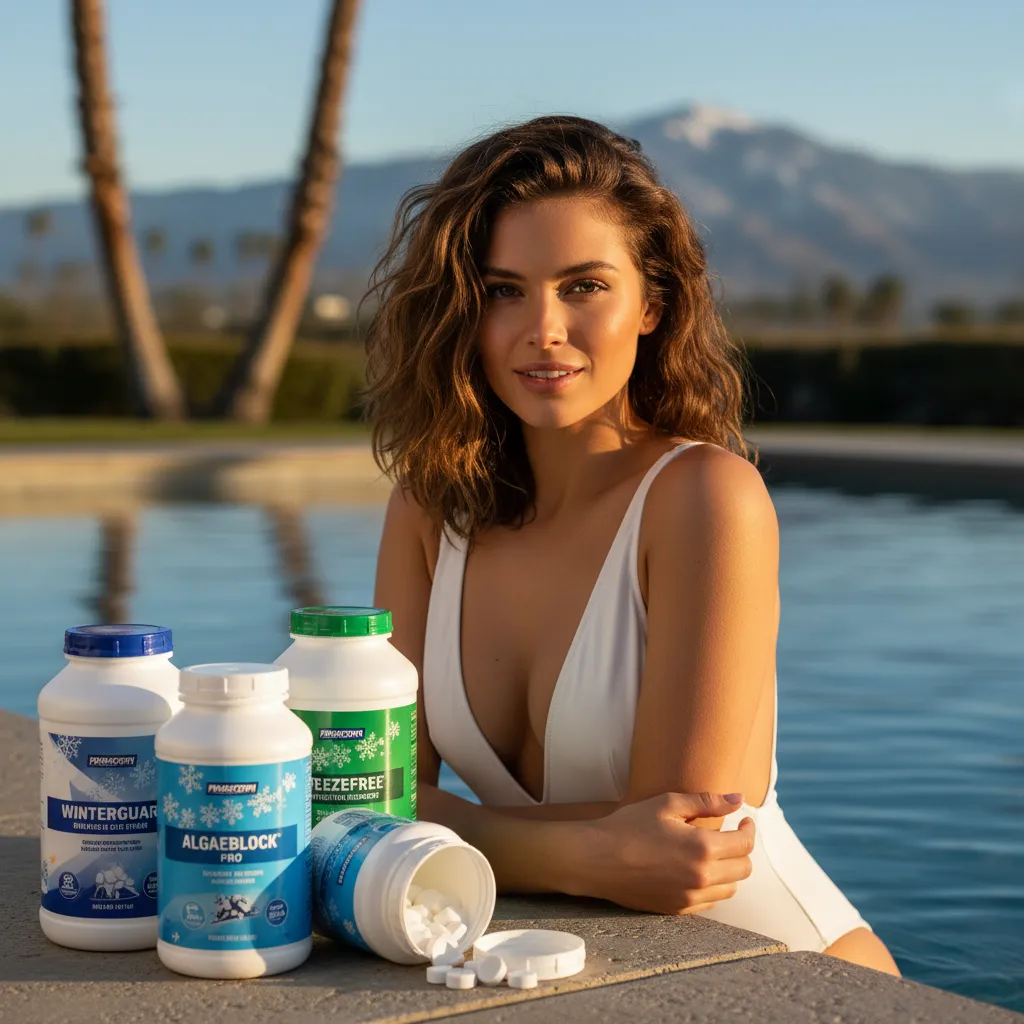
"The all-in-one solution for a guaranteed clear spring opening."
All-in-One Closing Chemical Kit
Winter demand is high - check stock

"The 'set & forget' option. This is the easiest winterizing I've ever done."
Simple 3-in-1 Winterizing Balls
Winter demand is high - check stock
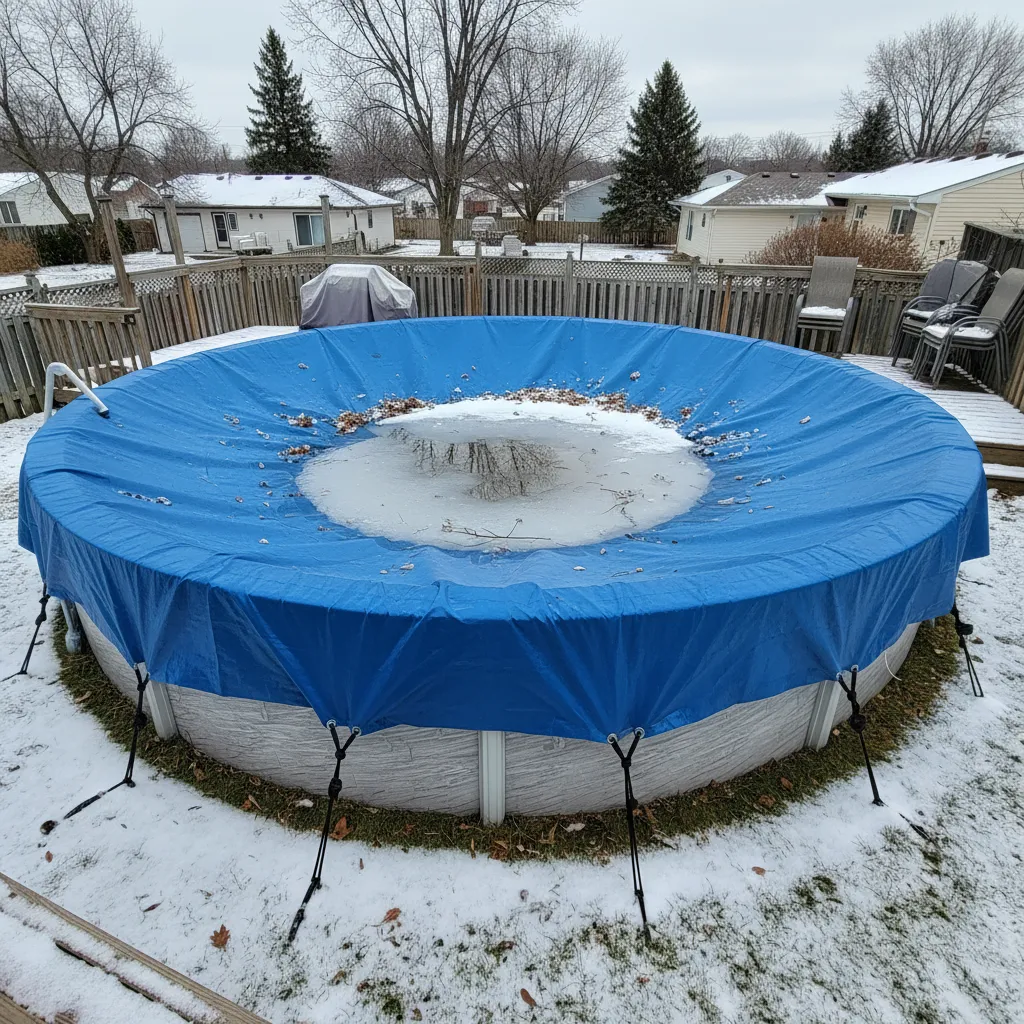
"Invest once to protect your liner and prevent a swamp in the spring."
Heavy-Duty Winter Pool Cover
Winter demand is high - check stock
Galvanized steel pools, common in older models, bond well with epoxy-based products. Newer resin or polymer walls need specialized acrylic formulas. If your pool has flaking paint or rust, thorough sanding or blasting becomes vital. Neglecting prep work leads to peeling within months. For example, epoxy paints need surfaces free of oils, dirt, or oxidation to form lasting bonds.
| Pool Material | Paint Compatibility |
|---|---|
| Galvanized Steel | Epoxy, chlorinated rubber |
| Resin/Polymer | Water-based acrylic |
| Vinyl Liner | Not recommended (see alternatives) |
Products like Rust-Oleum’s epoxy pool coatings or INSL-X’s chlorinated rubber formulas offer durability against chlorine, UV rays, pool chemicals. Expect coverage of 75-100 sq ft per gallon for most options. Costs range from $40-$80 per gallon, depending on brand pool paint type. Two coats are typically needed, with curing times of 48-72 hours before refilling.
Painting the inside of a pool requires non-toxic, water-safe products. Exteriors permit standard exterior-grade paints, but verify compatibility with your pool’s shell. For top rails, use enamel paints designed for metal. Side walls need flexibility to handle temperature shifts without cracking.
Next, we’ll explore the upsides painting above ground pool brings versus the risks you’ll need to manage.
Pros and Cons Of Painting Your Above Ground Pool
Adding color to your pool can transform its look, but weighing practical impacts is vital. Factors like material compatibility, long-term upkeep, and upfront labor play into this choice. The choice of color can also affect how strong the pool chlorine smell is. Lighter colors may reflect more sunlight, which can help in reducing the overall chemical scent in the air.
Benefits Of a Fresh Coat
A new paint job revitalizes aging surfaces, hiding stains or rust spots on metal walls. Dark tones like navy or charcoal absorb sunlight, warming water by 3-5°F—ideal for cool climates. Light shades such as sky blue or white reflect UV rays, slowing algae growth in sunny regions. Painting costs $200-$600 on average, far below a full $3,000+ pool swap.
Potential Drawbacks to Consider
Not all pools hold paint long-term. Galvanized steel may chip without proper sanding, and vinyl liners can’t hold standard paints. Annual touch-ups fix fading, but harsh pool chemicals like chlorine degrade coatings. Rough application might void warranties on brands like Intex or Bestway. This is where smart pool technology comes in. With automated systems, pools can maintain their appearance and chemistry, reducing the need for constant upkeep.
Choosing the Right Paint for Your Above Ground Pool
Pool paints differ from household options. Wrong picks peel, blister, or harm water quality. Focus on adhesion strength, flexibility, and chemical resistance.
Pool-safe Paint Types: Epoxy, Acrylic, and More
| Type | Durability | Cost/Gallon | Best For |
|---|---|---|---|
| Two-Part Epoxy | 5-7 years | $75-$100 | Metal walls, high traffic zones |
| Acrylic | 2-4 years | $40-$60 | Top rails, partial sun spots |
| Chlorinated Rubber | 3-5 years | $50-$80 | Full submersion, saltwater pools |
Selecting Colors: White, Black, and Custom Options
Glossy white remains popular for its classic look and algae-inhibiting brightness. Midnight black suits solar heating but shows mineral stains. Custom tints from brands like Ramuc or InslX require mixing fees but allow unique designs. Always check if pigments work with salt systems or ozone purifiers.
Paint for Specific Areas: Top Rails and Side Walls
Rails facing constant splash-out need acrylics with UV blockers to avoid cracking. Walls submerged 24/7 hold up with epoxy or rubber-based formulas. For hybrid pools with plastic components, hybrid coatings like TotalBoat’s Wet Edge bond to both metal and polymer. In addition to these considerations, maintaining pool cleanliness is important. A vacuum pool waste cartridge filter can help keep the water clear and free of debris.
Ready to apply your chosen product? Upcoming tips tackle surface prep for vinyl liners and temporary Intex models.
Also See: Can You Remodel an Inground Pool? Here’s What to Know
Special Cases: Vinyl Liner Pools and Intex Pools
While steel or resin above ground pools can be painted with proper prep work, vinyl liner pools and temporary Intex-style pools pose unique challenges. Let’s break down what works—and what doesn’t—for these materials. When considering the materials used for pool accessories, pool noodles are a popular choice. Made from foam, they provide buoyancy and comfort while swimming.
Can You Paint a Vinyl Pool?
Vinyl liners aren’t designed to hold paint long-term. The flexible PVC surface resists adhesion, causing most coatings to peel within weeks. Some owners try specialized vinyl-safe sprays like Rust-Oleum Marine Coatings, but results vary. A more reliable fix? Replace worn liners instead. For faded top rails or frames, use acrylic paint rated for plastic or metal after sanding.
Can You Paint an Intex Pool?
Temporary Intex pools feature polyethylene or PVC walls that flex under water pressure. Painting these surfaces often leads to cracking as the material expands and contracts. While light sanding and Krylon Fusion spray paint may temporarily refresh faded areas, expect touch-ups every season. For lasting color, apply a UV-resistant vinyl wrap or opt for a new liner. When considering different types of pools, it’s important to know how they hold up over time. Fiberglass pools are known for their durability, but they can still experience cracking in certain conditions.
Step-by-step Guide to Painting an Above Ground Pool
Ready to transform your pool’s look? Follow these steps for a smooth, lasting finish on steel or resin surfaces.
Preparing the Pool Surface
Drain the pool completely and let walls dry for 48 hours. Remove rust with a wire brush or orbital sander (80-grit discs work well). Fill dents with marine-grade epoxy putty, then wipe down surfaces with trisodium phosphate (TSP) to eliminate grease. Mask off areas not being painted, like skimmers or return jets. After completing these steps, it’s time to think about getting your pool ready for the summer. Cleaning the pool after winter ensures it’s safe and enjoyable for everyone.
Cleaning, Sanding, and Priming
After scrubbing walls with TSP, rinse thoroughly and let dry. Sand the entire surface with 120-grit sandpaper to create texture for paint adhesion. Apply two coats of rust-inhibiting primer like Zinsser Bulls Eye 1-2-3, allowing 4 hours between layers. Primer costs $20–$40 per gallon, covering 75–100 sq ft.
Painting Techniques for Smooth, Durable Results
Use a high-volume, low-pressure (HVLP) sprayer for even coverage on vertical walls. Alternatively, a ½-inch nap roller works for smaller areas. Apply epoxy pool paint in thin, overlapping strokes—thick coats bubble or sag. Most pools need 2–3 coats, with 8–12 hours between applications. Aim for 75°F weather; humidity above 70% extends drying times. When completing this task, consider the surface around the pool as well. Painting the concrete pool deck can enhance the overall look and provide a more inviting space.
Drying Time and Reassembly
Epoxy requires 48–72 hours to fully cure before refilling. Acrylics dry faster (24 hours) but are less durable. Reattach ladders, rails, and plumbing once paint is tack-free. Fill the pool slowly to avoid sudden temperature shifts that could weaken adhesion. After completing these steps, it’s important to check on required pool permits. Proper permits can take time to process, often leading to delays in enjoying your pool.
Creative Ideas for Painting Your Above Ground Pool
Beyond basic colors, strategic designs can boost visual appeal and even protect your pool’s structure.
Color Combinations and Aesthetic Inspirations
Pair light and dark tones to create depth—try aqua walls with white rails for a coastal vibe. For modern flair, use stencils to add geometric patterns along the top edge. Darker shades like navy blue absorb heat, raising water temps by 3–5°F in cooler climates. Pro tip: Match your deck’s stain color for a cohesive backyard look.
| Color Scheme | Effect |
|---|---|
| All-white | Brightens space, shows debris easily |
| Two-tone (tan + sandstone) | Camouflages minor stains |
| Metallic accents | Adds reflective shimmer |
Functional Designs to Enhance Pool Longevity
Apply a non-skid epoxy coating to top rails for safer entry/exit. Use light-colored paint on south-facing walls to reduce UV damage. For extra protection, add a clear acrylic topcoat over designs—it blocks fading and adds 2–3 years to the paint’s lifespan. Avoid dark shades near waterlines; they highlight mineral deposits.
Up next: Let’s break down the numbers—what you’ll spend on a DIY paint job versus hiring pros, plus tips to maximize your budget.
Cost to Paint an Above Ground Pool: Budgeting Tips
Painting an above ground pool can refresh its appearance, but costs vary based on materials, labor, and pool size. Let’s break down what impacts your budget and whether tackling the project yourself makes financial sense. Keeping in mind that maintenance costs can also add up, it’s important to consider the ongoing expenses. Regular upkeep is essential for a pool, which can make budgeting for maintenance equally vital.
Factors Influencing Total Expenses
Pool size, paint type, surface condition, and prep materials drive costs. A standard 24-foot round pool requires 2-3 gallons of paint ($80-$150 per gallon for epoxy or chlorinated rubber). Smaller 12-foot pools may need 1 gallon ($50-$120). Surface repairs add $20-$200 for sanding discs, rust converters, or patching compounds. Renting a power washer runs $40-$75 daily. Labor ranges $3-$7 per square foot if hiring professionals. When considering a larger pool, like a 10,000-gallon one, these costs can vary significantly. It’s important to plan for both the initial investment and ongoing maintenance to keep your pool in great shape.
- Paint quality: Epoxy lasts 5-7 years ($120-$180/gallon) vs. acrylic at 2-3 years ($50-$80/gallon).
- Surface prep: Peeling paint or rust increases sanding time and primer use ($25-$60/gallon).
- Add-ons: Non-skid additives ($15-$30) or UV-resistant topcoats ($20-$50) raise prices.
DIY Vs. Professional Cost Comparison
DIY projects average $300-$800 for materials, while pros charge $1,200-$3,500 for full service. A 24-foot pool painted with epoxy costs roughly $600 DIY (2 gallons paint, primer, tools) vs. $2,500+ professionally. Labor accounts for 60%-70% of pro fees, but warranties (often 3-5 years) reduce long-term risks. Time investment matters: DIY takes 3-5 days with drying time, while crews finish in 2-3 days. When planning your pool project, it’s essential to consider volume calculations. A kidney shaped pool volume calculator can help you accurately determine the water capacity you’ll need.
- DIY savings: Skip labor fees but risk uneven coats or premature peeling without proper technique.
- Pro advantages: Guaranteed prep work, sprayer application for smoother finishes, and compliance with local codes.
Ready to explore creative design ideas that blend style with durability? Let’s dive into color trends and functional patterns that protect your pool’s surface.
Frequently Asked Questions (FAQ)
How Soon Can I Refill My Pool After Painting?
Wait 48–72 hours after the final coat for epoxy or chlorinated rubber paints to fully cure before refilling. Acrylics may allow refilling in 24 hours, but check manufacturer guidelines. Premature filling can cause peeling or chemical leaching.
Can I Paint Over Existing Flaking or Old Pool Paint?
Never paint over flaking or peeling layers—it compromises adhesion. Strip old paint using sandblasting or chemical removers, then sand smooth. Prime bare metal or resin surfaces with a rust-inhibiting primer before applying new paint.
Are There Eco-friendly or Non-toxic Pool Paint Options?
Water-based acrylics are lower in VOCs than epoxy alternatives. Brands like ECO-SAFE Paint offer non-toxic formulas, but verify NSF/ANSI 50 certification for submerged surfaces. Avoid paints with heavy metals or biocides if eco-friendliness is a priority.
What Safety Precautions Are Necessary When Painting a Pool?
Wear NIOSH-approved respirators when spraying paints, chemical-resistant gloves, and goggles. Ensure ventilation in enclosed spaces, and avoid open flames—epoxy paints are flammable. Dispose of rags and solvents per local hazardous waste regulations.
Final Thoughts on Painting Your Above Ground Pool
Painting an above ground pool is a practical way to refresh its appearance and extend its lifespan. Whether you choose epoxy for durability or acrylic for easier application, proper surface prep and technique make all the difference. Special cases like vinyl liners and Intex pools require extra consideration—some can’t be painted at all.
From cost savings to creative color options, a well-executed paint job can transform your pool. Expect to spend $100-$500 on materials for a DIY project, with professional services ranging from $800-$2,000. Always factor in drying time (48-72 hours) before refilling.
For precise chemical balancing after repainting, try My Pool Calculator. Our tools help maintain water quality so your new finish stays vibrant season after season.
Additional Resources for You:
- American National Standards Institute (ANSI). (2020). ANSI/PHTA Standards for Residential Swimming Pools. New York, NY: ANSI.
- How we Painted our Swimming Pool – an Update on How it’s Holding Up
- Best Paint For Above Ground Pool Rails And Walls
- How to Paint Above Ground Pool
- Painting an Above Ground Pool – These Spaces Between