
Connected Modern Smart Pools: Revolutionizing Pool Care With Technology
Published on: March 14, 2026 | Last Updated: November 17, 2025
Written By: Rachael Weatherbottom
A connected modern smart pool uses automation and Internet of Things (IoT) technology to manage water quality, equipment, and energy use with minimal manual effort. Unlike traditional pools, these systems let you control pumps, heaters, lights, and chemical levels remotely via apps or voice commands while monitoring conditions like pH balance or leaks in real time. Built with sensors, Wi-Fi connectivity, and centralized control panels, smart pools reduce daily upkeep while optimizing safety and efficiency.
This article explores how smart pool systems work, from sensor networks tracking chlorine levels to automated schedules that cut energy costs by up to 30%. You’ll learn about must-have features like variable-speed pumps, self-adjusting saltwater chlorinators, and leak detectors that send phone alerts. We’ll break down compatibility with existing equipment, installation requirements, and price ranges for upgrades like solar-heat integration ($1,500–$5,000) or app-controlled LED lighting ($200–$800).
Discover how smart home integration lets you sync pool controls with Alexa or Google Home, troubleshoot connectivity glitches, and use data analytics to predict maintenance needs. Whether you’re retrofitting an older pool or planning a new build, we’ll show you how modern automation transforms pool ownership from a chore into a seamless, cost-effective experience.
What is a Connected Modern Smart Pool?
A connected modern smart pool uses tech to run, track, and tweak pool tasks with no hands-on work. These systems link pumps, heaters, lights, and water checks into one network you can control from a phone or hub. Think of it as a pool that “talks back” – it tells you when to add chlorine, adjusts heat on its own, and even spots leaks before they get bad. One important part of this system is the sand filter pool pump. This pump helps keep the water clean and clear, making pool maintenance easier and more effective.
Crucial Winterizing Products

"The all-in-one solution for a guaranteed clear spring opening."
All-in-One Closing Chemical Kit
Winter demand is high - check stock

"The 'set & forget' option. This is the easiest winterizing I've ever done."
Simple 3-in-1 Winterizing Balls
Winter demand is high - check stock
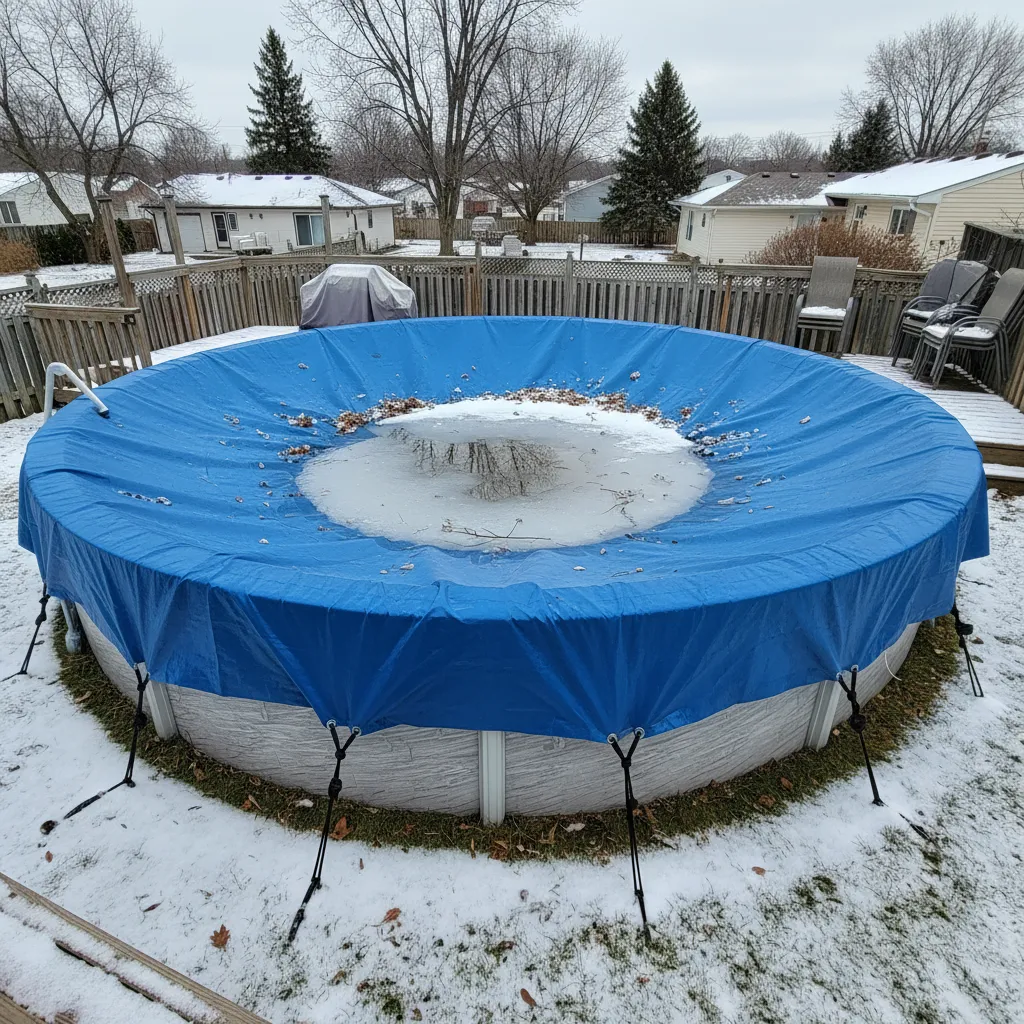
"Invest once to protect your liner and prevent a swamp in the spring."
Heavy-Duty Winter Pool Cover
Winter demand is high - check stock
Defining Smart Pool Automation
Smart pool automation means your pool runs itself based on real-time data. Sensors track water pH (acid levels), chlorine, and temp, then send alerts or auto-fix issues. Pumps and filters turn on/off when needed, lights shift colors via app taps, and heaters kick in only when required. No more guesswork – the system does the math for you. With these advancements, maintaining a pool becomes easier than ever. Properly managing a swimming pool ensures a clean and enjoyable environment for everyone.
Core Components Of a Connected Smart Pool System
Every smart pool needs five key parts to work right:
| Part | Job | Cost Range |
|---|---|---|
| Smart Controller | Brain of the system; links all devices | $500-$1,200 |
| Water Quality Sensors | Check pH, chlorine, temp | $150-$300 each |
| Automated Valves | Direct water flow for cleaning/heat | $200-$600 |
| Wi-Fi Module | Links system to apps/voice control | $80-$200 |
| Energy Meter | Tracks power use by pumps/heaters | $100-$250 |
For example, a pH sensor (measures acid level) can spot imbalances and dose liquid chlorine via a connected feeder. ORP (oxidation-reduction) sensors track sanitizer levels, while flow sensors watch for clogs or leaks in pipes. Most parts plug into the smart controller, which ties into apps like PoolLink or iAquaLink.
Now that we’ve covered the core parts, let’s look at the key smart pool features that make these systems so effective.
Essential Features Of a Modern Smart Pool
Advanced smart pools combine automation, connectivity, and precision engineering to transform routine maintenance into effortless processes. These systems integrate hardware and software to optimize performance while cutting operational costs by 15-40% annually.
Smart Filtration and Pump Control
Variable-speed pumps paired with smart timers adjust flow rates based on real-time usage data. The Pentair IntelliFlo VSF reduces energy consumption by up to 80% compared to single-speed models. Automation schedules run filtration cycles during off-peak electricity hours, with flow sensors detecting clogs before pressure drops occur.
Automated Water Quality Management
Continuous monitoring systems like the Hayward AquaRite Pro measure pH (6.8-7.8 range), chlorine levels (1-3 ppm), and total alkalinity every 15 minutes. Robotic dosing pumps inject precise amounts of sanitizers or balancers, maintaining chemistry within ideal parameters. The Jandy AquaLink integrates ORP (oxidation-reduction potential) sensors to track sanitizer effectiveness.
Remote Lighting and Temperature Control
Wi-Fi-enabled LED systems such as the Pentair GloBrite allow color customization via app control. Temperature management combines heat pumps ($3,500-$7,000 installed) with solar panels, maintaining water between 78-88°F. Geofencing triggers heating when users approach home, while adaptive schedules reduce runtime during cool nights.
Energy-efficient Pool Heating
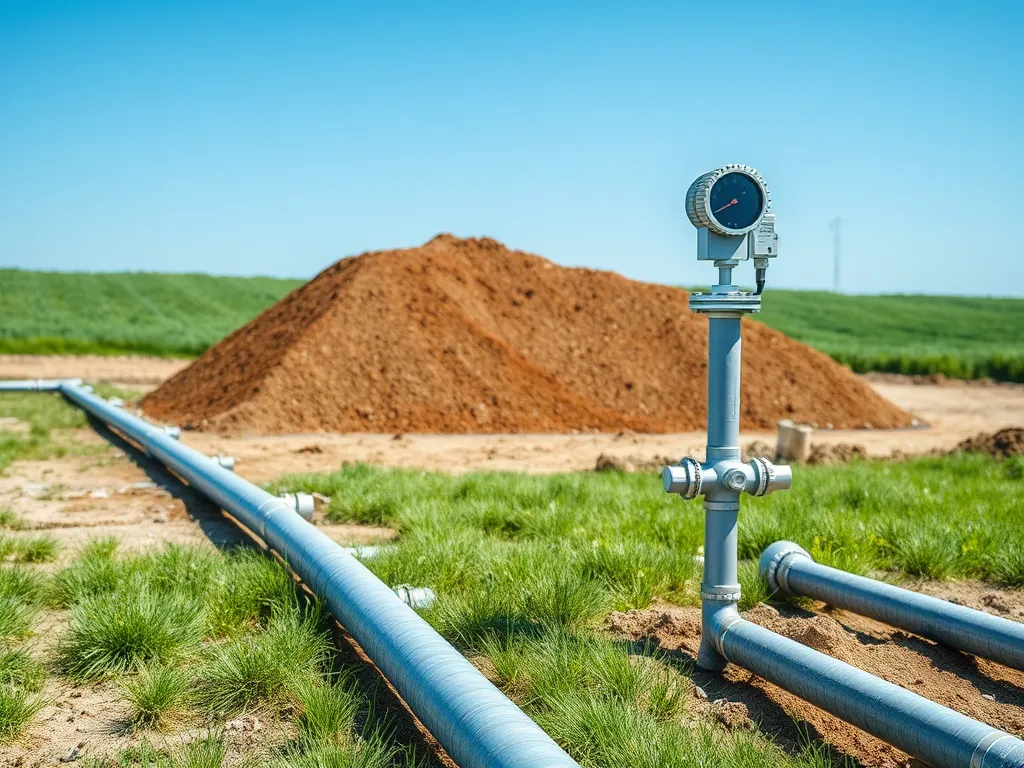
Modern systems prioritize hybrid heating methods. Heat pump coefficients (COP 4-6) outperform gas heaters (60-70% efficiency), cutting annual fuel costs by $300-$800. Solar thermal panels paired with smart valves redirect excess heat to spas or bypass shaded arrays automatically. When installing a pool, it’s important to consider additional costs like the price of fill dirt. The price of fill dirt can vary based on location and quantity needed, impacting your overall pool project budget.
Integrated Leak Detection
Pressure sensors in pipes and flow meters at equipment pads identify leaks as small as 1/100th of a gallon per minute. The LeakTronics 5025 system maps pressure drops to specific zones, sending alerts via SMS or app notifications. Early detection prevents structural damage that costs $2,000-$15,000 to repair.
How Smart Pool Technology Works
Connected smart pool systems operate through three synchronized layers: centralized controllers, sensor arrays, and user interfaces. Data flows between components at 2.4 GHz or 5 GHz frequencies, with backup cellular modems ensuring uptime during Wi-Fi outages.
Centralized Control Systems
Hubs like the Jandy iQ904-Z manage up to 12 devices through relay boards and RS-485 communication protocols. Load centers distribute 120V/240V power while tracking energy use per circuit. Firmware updates deploy security patches and feature upgrades automatically.
Sensor Networks for Real-time Monitoring
Wired and wireless sensors create a mesh network covering water chemistry, temperature, flow rates, and ambient conditions. Salt cells report chlorine production in lbs/day, while ORP probes measure sanitizer strength. Submersible sensors withstand 0-14 pH ranges and transmit data every 5-30 seconds.
Mobile App Integration
Proprietary apps like Pentair Home or Hayward OmniLogic enable remote control from iOS/Android devices. Features include:
- Chemical level dashboards with trend graphs
- Custom scene creation for lighting/water features
- Maintenance logs tracking filter PSI and pump hours
- Alarm history with diagnostic codes (e.g., E-05 = flow error)
Looking beyond operational mechanics, these systems create measurable impacts on cost, convenience, and environmental footprint. The next segment explores how these technologies translate into direct benefits for pool owners. One important aspect of pool ownership is safety, especially when it comes to preventing accidents. Pool safety covers are an effective solution to ensure your pool remains secure when not in use.
Also See: Are Pool Noodles Flammable? Important Safety Info
Benefits Of Smart Pool Automation
Modern smart pool systems transform routine upkeep into a streamlined experience. By integrating sensors, automated controls, and cloud-based analytics, these systems address common pain points while elevating performance.
24/7 Water Chemistry Management
Smart pools deploy pH probes, ORP sensors, and conductivity meters to track chemical levels in real time. Systems like Hayward OmniLogic or Pentair IntelliChem automatically adjust chlorine output or trigger alerts when alkalinity drifts beyond 80-120 ppm ranges. Mobile apps display trends, allowing adjustments from any location – no more guesswork with test strips. To keep your smart pool in top shape, measuring the pool liner is also important. Measuring the pool liner will ensure a proper fit and help maintain the efficiency of your pool system.
Reduced Manual Maintenance
Automated vacuum robots, self-cleaning filters, and programmable skimmers cut hands-on tasks by up to 70%. Variable-speed pumps linked to smart timers reduce debris buildup while operating at 50% energy use compared to single-speed models. Schedule brushing cycles or backwash routines via the smart pool app, freeing up 5-7 hours weekly. One way to further simplify pool maintenance is through the use of robotic pool cleaners. These devices can navigate the entire pool, ensuring a thorough clean without the need for manual effort.
Energy Cost Optimization
Heating and filtration account for 65% of pool energy costs. Smart systems combat waste by syncing heat pump runtimes with off-peak electricity rates ($0.12/kWh vs. $0.28/kWh peak) and adjusting pump speeds based on real-time filter pressure. Solar-ready controllers prioritize renewable energy, trimming annual bills by $300-$800. Keeping your pool clean is essential for maintaining efficiency. An algaecide pool dose calculator can help you determine the right amount of algaecide for a healthy swimming environment.
Enhanced Safety Features
Subsurface motion sensors detect unexpected activity, triggering alarms and disabling pumps if disturbances occur. Smart covers withstand 485 lbs/sq ft loads while integrating with gate alarms. Lighting systems activate pathway LEDs during low-light conditions, reducing slip risks.
Smart Pool Installation and Setup
Retrofitting existing pools requires strategic planning. Focus on component compatibility, infrastructure upgrades, and personalized programming to maximize system longevity.
Compatibility With Existing Pool Systems
Most smart controllers support legacy equipment through relay interfaces. Jandy Aqualink works with pumps built after 2008, while IntelliCenter accommodates 3rd-party heaters using 24V fireman’s switches. Verify voltage specs – older incandescent lights may need 12V transformers for LED conversions.
Wiring and Connectivity Requirements
Hardwire critical components like pumps using 14-gauge THHN wire in conduit. Wireless sensors operate on Zigbee or Z-Wave protocols with 100-150 ft ranges. For whole-system control, install a 40-amp subpanel near equipment pads to centralize connections.
Configuring Automation Schedules
Program filtration cycles at 4-6 hours daily during summer, scaling to 2 hours in cooler months. Set temperature thresholds to maintain 78-82°F without overcooling. Use geofencing to activate heating when users are 30 minutes away, avoiding 24/7 runtime.
Energy Efficiency and Cost Management
Smart technology turns pools from energy drains into models of sustainability. Track usage patterns, calculate savings, and budget upgrades with precision.
Smart Energy Usage Tracking
Integrated meters monitor pump wattage (1,500-2,500W typical), heater gas consumption (200,000-400,000 BTU/hr), and total kWh per cycle. Apps like PoolTrack generate weekly reports, highlighting waste zones like after-hours lighting ($18/month average). To keep these systems efficient, it’s important to know the right pump size for your pool. A pool pump hp calculator can help determine the appropriate horsepower needed for optimal performance.
ROI Of Pool Automation Features
Variable-speed pumps pay for themselves in 1.8-2.5 years via energy rebates and reduced usage. Solar controllers achieve 30% ROI within 4 years in sunny climates. Leak detectors prevent $1,200+ water loss incidents, making them cost-neutral within 8 months.
Price Ranges for Smart Pool Upgrades
Entry-level systems (Pentair ScreenLogic) start at $1,200 for basic timer controls. Mid-tier bundles (Hayward Omni PL) run $3,500-$5,000 with full chemical automation. Luxury setups (IntelliCenter with thermal touchscreens) exceed $8,000 but include 10-year warranties. When considering these costs, it’s also important to think about the installation cost involved in installing an above ground pool. This installation cost can vary greatly depending on the size and complexity of the pool setup.
While energy savings make a strong case for automation, integrating these systems with smart home ecosystems unlocks even more possibilities.
Smart Home Integration Capabilities
Modern smart pool systems blend with your home tech. They let you manage water care, lights, and heat through devices you already use. This link cuts steps and puts all controls in one place. As part of maintaining your pool, a good pool cover is also essential. It helps keep the water clean and can save energy by minimizing heat loss.
Voice Control Compatibility
Talk to your pool with Alexa, Google Home, or Siri. Say “heat the pool to 82°F” or “turn on spa lights” without lifting a finger. Most systems work with top voice apps, letting you tweak settings mid-task. Brands like Pentair and Hayward offer built-in voice-ready gear for instant sync.
Syncing With Home Automation Hubs
Tie your pool to hubs like SmartThings, Hubitat, or Apple HomeKit. Set scenes that mix pool modes with other home acts. A “pool party” scene can dim house lights, crank up the heater, and play music in one tap. Z-Wave and Zigbee links let older pools join new setups. Check if your hub uses Wi-Fi 6 or Thread for faster response. Keeping your pool clean is essential for safe swimming. If a dead animal is found, it’s crucial to sanitize the pool properly to ensure water safety.
Maintenance and Troubleshooting
Smart pools need less work but still crave care. Tech tools spot issues early, but you must keep them clean and up-to-date.
Software Updates and System Checks
Pool apps push updates every 2-3 months. These fix bugs, add features, or boost security. Enable auto-updates in apps like Pool Pilot or iAquaLink. Run a full scan post-update to test pumps, sensors, and valves. Most checks take 5-10 mins and flag weak spots. Keeping your pool updated is important for both safety and enjoyment. A kickboard can be a fun way to make swimming more engaging while you monitor your pool’s condition.
Diagnosing Connectivity Issues
If your pool drops off Wi-Fi, first reboot the control panel. Check if it’s on a 2.4 GHz network (5 GHz often fails). Use a mesh router like eero to boost signal to far corners. For Bluetooth glitches, clear old pairings and re-sync. Most brands offer 24/7 chat help for stubborn links.
Cleaning Sensor Networks
Scrub pH and chlorine probes every 2 weeks with a soft brush. Hard water stains? Soak sensors in vinegar for 5 mins. Keep skimmer sensors clear of leaves. Replace ORP and temp sensors every 3-5 years (cost: $80-$150 each). A clean sensor web cuts chem use by up to 20%.
These steps keep your pool smart and swift. Next, we’ll tackle common user queries about remote access and part swaps.

Frequently Asked Questions (FAQs)
Are Smart Pool Systems Secure Against Hacking?
Modern systems use AES-256 encryption for data transmission and require two-factor authentication (2FA) for app access. Regular firmware updates patch vulnerabilities, while local-only control modes ensure operation during internet outages.
How Do Smart Pools Handle Power Outages?
Smart controllers include battery backups (8-24 hours) to maintain critical functions like leak detection. After outages, systems auto-reboot and resume preset schedules. Surge-protected subpanels shield sensitive electronics from voltage spikes.
Can I Use Smart Pool Apps on Multiple Devices?
Yes. Most apps support unlimited iOS/Android devices with role-based access. Assign “admin” or “guest” permissions to family members, restricting sensitive controls like chemical dosing to authorized users.
What Warranties Cover Smart Pool Components?
Leading brands offer 3-5 year warranties on controllers and sensors, excluding consumables like probe membranes. Extended plans (up to 10 years) often require professional installation. Always register products online to activate coverage.
Can I Create Custom Automation Rules?
Advanced systems allow conditional programming (e.g., “IF pH >7.8, THEN run acid feeder for 90 seconds”). Use drag-and-drop interfaces in apps like IntelliCenter or Hayward Omni to build multi-step routines.
How is User Data Protected in Pool Apps?
Data is anonymized and stored in GDPR-compliant cloud servers. You can opt out of analytics sharing and request data deletion via app settings. No personal usage patterns are sold to third parties.
Do Smart Pools Affect Home Insurance Rates?
Many insurers offer 5-10% discounts for leak detection and safety automation. Submit proof of certification (e.g., NSF/ANSI 50 compliance) to qualify. Always notify providers after installing anti-entrapment devices.
Can I Expand My System Later?
Modular designs support adding components like saltwater converters or secondary pumps. Ensure your controller has unused relay slots (2-4 minimum) and compatible voltage ratings. Wireless sensors can typically pair post-installation.
Do Smart Pools Reduce Water Waste?
Yes. Auto-cover integration cuts evaporation by 95%, while flow meters optimize backwash cycles. Precision leak detection saves 15,000+ gallons annually versus manual inspections. Some regions offer rebates for water-saving upgrades.
Closing Thoughts
Smart pool technology has transformed pool ownership, making maintenance simpler and more efficient. With automated water quality checks, remote controls, and energy-saving features, these systems offer convenience and cost savings.
From leak detection to voice-controlled lighting, smart pools integrate seamlessly with modern homes. Installation ranges from $1,500 for basic controllers to $5,000+ for full automation, but the long-term savings on energy and chemicals make it worthwhile.
For more details on optimizing your pool system, check out My Pool Calculator. Our tools help balance water chemistry, track energy use, and maximize your smart pool’s performance.
Additional Resources for You:
- Grimes, R. J. (2015). Troubleshooting and Repairing Pool Plastics, PVC, and Vinyl Liners. Chicago, IL: CreateSpace Independent Publishing.
- Smart Pool Technologies: Enhancing Efficiency & Integration
- Pool Automation: Smart Pool Controls for Mobile Devices – Barrier Reef Fiberglass Pools, LLC.
- Smart Pool Technology: Revolutionizing The Way We Enjoy Our Swimming Experience
- Adding Smart Controls and Automation To Your Pool – Swim Incorporated
A pool care geek who’s been testing water chemistry since she was tall enough to reach the skimmer.
Pool Covers, Pool Equipment Repair, Safety Equipment