Can You Use Pool Filter Sand in Your Aquarium?
Published on: February 22, 2026 | Last Updated: November 17, 2025
Written By: Rachael Weatherbottom
Yes, pool filter sand can work in aquariums if properly prepared. Made from silica sand with uniform 0.45-0.55mm grains, it shares similarities with aquarium substrates but lacks added nutrients. Unlike specialty sands, it requires thorough rinsing to remove dust and potential contaminants before use. Differences in texture, chemical treatments, and weight compared to aquarium-grade sand also impact its suitability for fish tanks.
This article examines safety risks like chemical leaching and pH shifts, plus step-by-step methods to clean and test pool sand for aquarium safety. You’ll learn how its fine grain size affects water flow, why it costs 60% less than branded aquarium substrates (about $10 for 50lbs vs. $25 for 20lbs of aquatic sand), and which fish species thrive or struggle with this material.
We’ll break down cost comparisons, depth guidelines for stable tank setups, and fixes for plant-rooting issues. Discover alternatives like blended substrates or pool-compatible sands like quartz, and get answers to FAQs about colored sands, longevity, and water chemistry impacts.
Understanding Pool Filter Sand
Pool filter sand serves filtration media in swimming pools, designed to trap debris while allowing water flow. Its unique properties make it popular for pool maintenance, but its suitability for underwater ecosystems requires careful evaluation. One important aspect of pool maintenance is ensuring the proper functioning of open pool valves. Open pool valves allow for optimal water circulation, which is essential for keeping the filter sand effective.
Crucial Winterizing Products
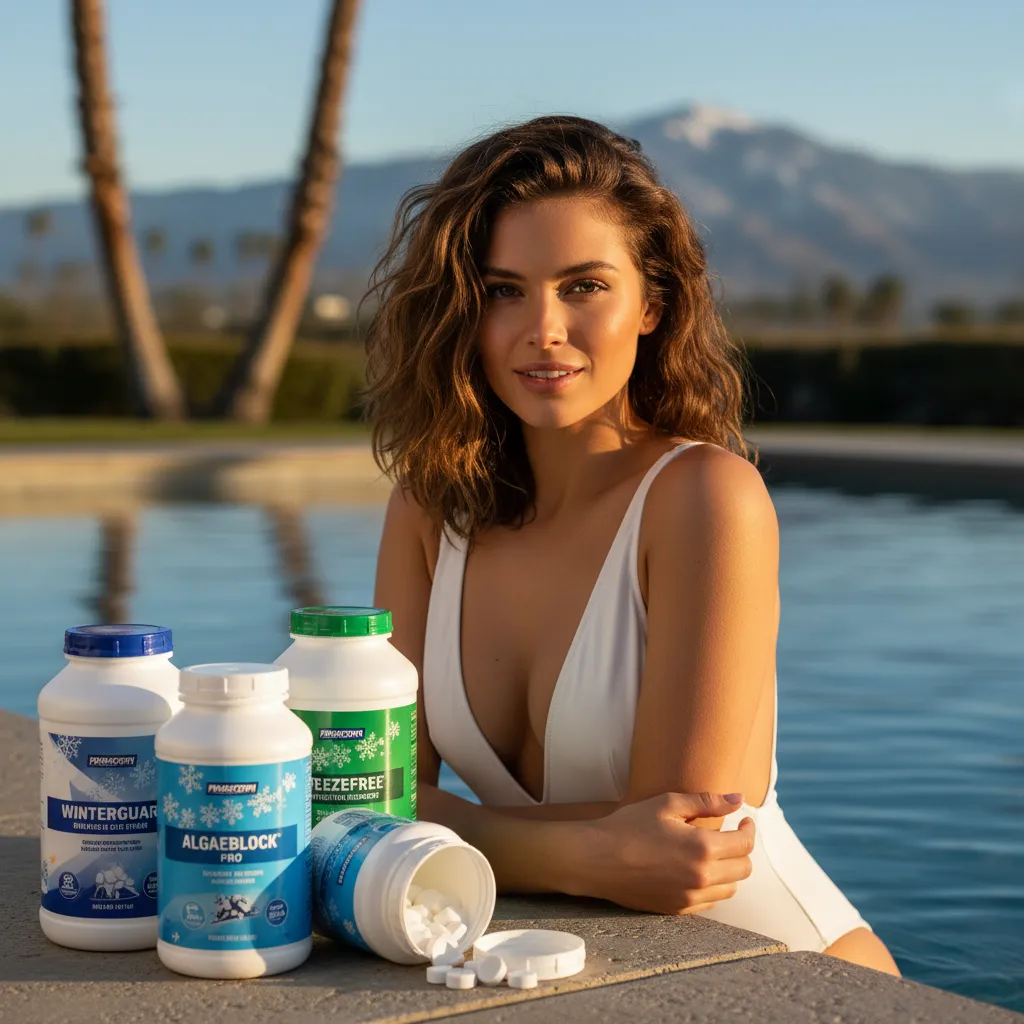
"The all-in-one solution for a guaranteed clear spring opening."
All-in-One Closing Chemical Kit
Winter demand is high - check stock

"The 'set & forget' option. This is the easiest winterizing I've ever done."
Simple 3-in-1 Winterizing Balls
Winter demand is high - check stock
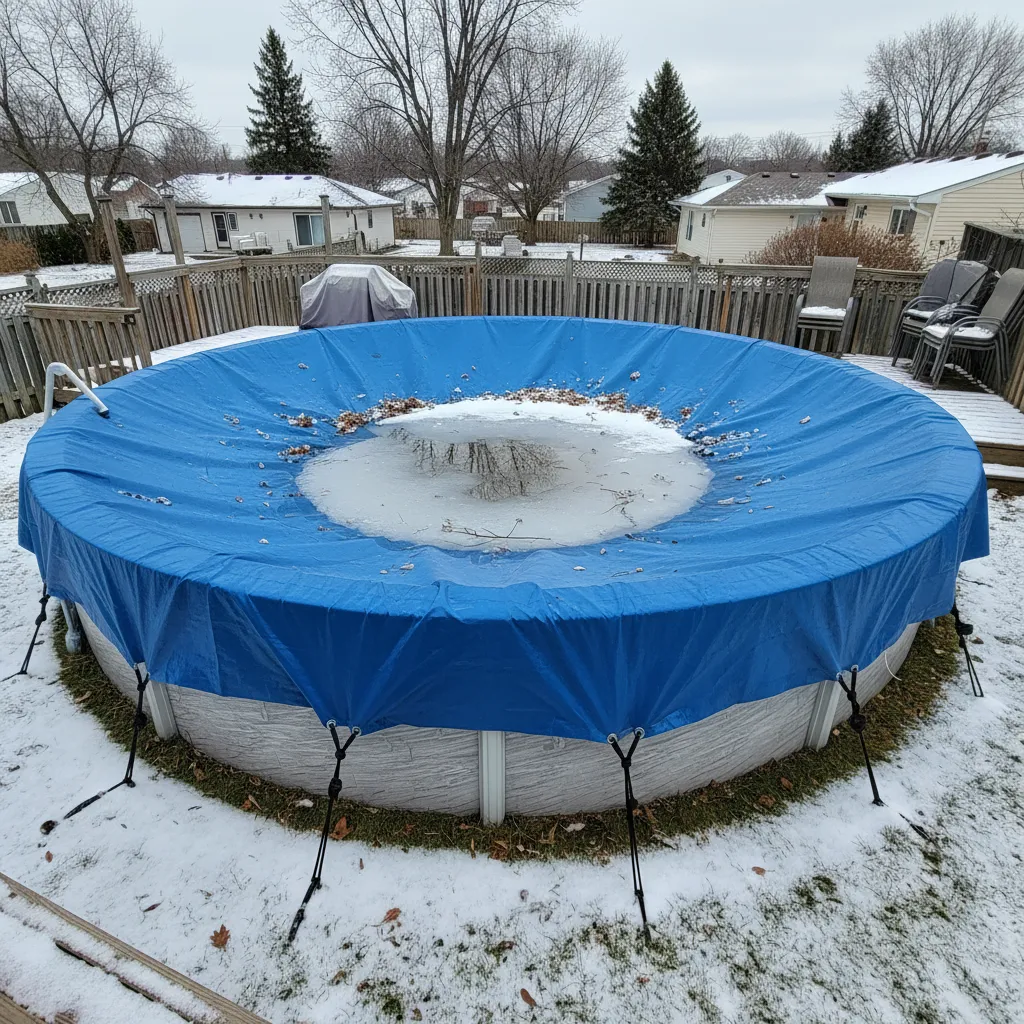
"Invest once to protect your liner and prevent a swamp in the spring."
Heavy-Duty Winter Pool Cover
Winter demand is high - check stock
What is Pool Filter Sand?
Pool filter sand consists of silica-based particles processed into uniform grains. Unlike play sand or construction sand, it undergoes washing and grading to meet strict filtration standards. The material’s primary role is to capture contaminants in pool systems, but its inert nature raises questions about compatibility with fish tanks. Pool maintenance is important for ensuring clean water and proper filtration. A pool filter pressure gauge helps monitor the health and efficiency of the filtration system.
Key Properties: Grain Size and Composition
Grain size for pool filter sand typically ranges between 0.45-0.55 millimeters, classified as #20 grade. This medium-coarse texture balances flow rate with particle retention in pool systems—traits that influence its performance in submerged setups. In fish tanks, finer grains might compact, while larger ones could trap detritus.
Silica dominates its composition, making it chemically stable in most scenarios. However, certain brands incorporate trace additives like zeolite or coatings to boost filtration efficiency. These extras require scrutiny, since they might leach into tank water over time. Angular edges on the grains, beneficial for trapping pool debris, could irritate species that sift substrate, such as corydoras or freshwater shrimp.
Now that we’ve broken down its core traits, let’s compare pool filter sand directly against substrates formulated for underwater environments.
Pool Filter Sand Vs. Aquarium Sand
Choosing between pool filter sand and aquarium-specific substrates requires examining physical traits, safety profiles, and functional differences. Let’s break down how these materials stack up in critical areas.
Texture and Smoothness Comparison
Pool filter sand typically has a uniform grain size of 0.45-0.55mm, slightly larger than most aquarium sands. While marketed for filtration efficiency, its angular edges differ from the rounded grains in aquatic substrates. Species like Corydoras catfish or loaches, which sift through sand with delicate barbels, may face irritation from sharper particles. Aquarium sands often undergo tumbling processes to smooth edges, reducing injury risks.
Chemical Additives and Safety
Some pool sands contain additives like silicate coatings or alum to boost filtration. These compounds can leach into water, posing risks to fish and invertebrates. Always check manufacturer specs for anti-clumping agents or pH-altering minerals. Aquarium sands are rigorously washed and tested for inertness, ensuring no hidden threats to aquatic life. A simple vinegar test—pouring white vinegar on dry sand—helps detect carbonate content through fizzing reactions.
Weight and Substrate Stability
With a density of 100-120 lbs per cubic foot, pool filter sand provides excellent substrate stability, preventing displacement by digging fish or strong currents. Its heft makes it less likely to cloud water during tank maintenance compared to lighter options. But the same weight comrades replanting flora or rescaping, as roots struggle to penetrate compacted layers.
Safety Considerations for Aquarium Use
While pool filter sand can work in fish tanks, ignoring safety protocols risks harming aquatic ecosystems. These factors demand attention before adding it to your setup.
Risk Of Chemical Leaching
Unwashed pool sand may release residual chlorine, copper, or silicate into water. These contaminants can damage gill tissues and disrupt biological filtration. Soak new sand in dechlorinated water for 48 hours, testing ammonia, nitrite, and heavy metal levels with aquarium kits before introducing livestock.
Impact on Water Ph Levels
Most pool sands consist of inert silica, but calcium carbonate blends can elevate pH to 7.8-8.5—problematic for soft-water species like Tetras or Discus. Conduct a 24-hour submerged test: place sand in a container with pH-neutral water, then measure changes. Persistent alkalinity spikes indicate incompatible mineral content. It’s also important to ensure that your Testing the pool pump motor is working efficiently. Testing the pool pump motor can help prevent further complications with water chemistry.
Fish and Invertebrate Compatibility
Bottom-dwelling species face the greatest risks. Shrimp and snails may ingest sharp grains during foraging, leading to internal damage. For burrowers like jawfish or eels, coarse textures can abrade skin. Always pair pool sand with robust, non-sensitive species such as African cichlids or larger catfish that tolerate variable conditions.
With these factors addressed, proper preparation becomes the final hurdle to safely employ pool filter sand. Next, we’ll explore techniques to transform filtration media into aquarium-ready substrate. It’s essential to see how these techniques fit into the broader context of pool maintenance. A pool filter diagram can help illustrate how the sand works within the filtration system.
Also See: Can You Survive a Tornado in a Pool? Find Out Here
Preparing Pool Filter Sand for Aquariums
Transforming pool filter sand into a safe aquarium substrate requires thorough preparation. Skipping steps risks introducing harmful particles or disrupting water chemistry. Let’s break down the process. When managing your pool, it’s also important to consider the costs of maintenance and repairs. Replacing pool lights can be a significant expense to factor into your overall pool care budget.
Step-by-step Rinsing Process
Start by placing 2-3 cups of sand in a 5-gallon bucket. Avoid filling the bucket more than halfway to allow proper agitation. Use a garden hose with a pressurized nozzle to blast the sand while stirring with your hand. Repeat until water runs clear—typically 5-7 cycles for most pool sands. When it comes to adding a fiberglass pool to your backyard, knowing the costs involved is key. A fiberglass pool cost calculator can help you find out how much your new pool will really cost.
Removing Dust and Debris
Pool filter sand contains fine silica particles that cloud tank water if not removed. Pour rinsed sand through a mesh colander with 1mm gaps to catch larger debris. For stubborn dust, boil the sand for 20 minutes (avoid plastic buckets) to dissolve clay binders. Maintaining clean pool water is important for safety and comfort. A pool pump GFCI can help protect against electrical hazards while keeping your pool clean and functional.
Testing for Residual Contaminants
After rinsing, soak a sample in distilled water for 48 hours. Test pH, GH, and KH levels with a liquid test kit. Pool sand should maintain neutral pH (7.0-7.5). If readings spike above 8.0, suspect limestone additives—common in some filter sands for pool alkalinity control. It’s also important to check test stabilizer levels in the pool. A proper test stabilizer pool ensures that chlorine remains effective in keeping the water clean.
Depth Guidelines for Tank Setup
Limit sand depth to 1.5-2 inches for most setups. Deeper layers risk anaerobic bacteria growth producing toxic hydrogen sulfide. For tanks with burrowing species like Corydoras catfish, maintain 1 inch near the front glass sloping to 3 inches at the back. Spread sand evenly to prevent dead spots.
Pros and Cons Of Using Pool Filter Sand
While budget-friendly, pool filter sand presents trade-offs compared to substrates designed for aquatic environments. Weigh these factors before committing.
Cost-effectiveness Vs. Aquarium-specific Sand
A 50lb bag of pool filter sand costs $12-$18 versus $25-$40 for 20lbs of aquarium sand. For a 55-gallon tank needing 60lbs of substrate, savings reach $45-$60. But aquarium sands like CaribSea offer buffering for sensitive species—a feature pool sand lacks. When considering overall pool maintenance, it’s essential to think about additional costs, like cooling systems. A pool chiller can vary in price, affecting your budget significantly.
Ease Of Maintenance and Cleaning
The uniform 0.45-0.55mm grain size prevents waste from sinking, making vacuuming simpler. Unlike coarse gravel, pool sand’s density resists displacement from strong filters or active fish. Weekly surface skimming maintains clarity without disturbing the substrate bed.
Limitations for Plant Growth
Pool sand contains zero nutrients—a drawback for root-feeding plants like Amazon swords. Without root tabs or liquid fertilizers, growth stalls within 4-6 weeks. Its compact nature also limits oxygen flow to roots, increasing rot risks for species like Vallisneria.
Using Pool Filter Sand With Aquarium Plants
While not ideal for planted tanks, strategic adjustments allow some flora to thrive. Focus on water-column feeders rather than root-dependent species.
Root Anchoring Challenges
The fine grains offer poor grip for plants with weak root systems. Anubias and Java fern fare better when attached to driftwood instead of buried. For stem plants like Hornwort, use lead weights or plant anchors until roots establish.
Nutrient Availability Concerns
Pool sand’s inert composition won’t alter water chemistry, but it also doesn’t provide iron, potassium, or trace elements. Dose Seachem Flourish Tabs every 3 months near heavy root feeders. Pair with liquid fertilizers like API Leaf Zone for foliar uptake—target 1ml per 10 gallons weekly.
For aquarists considering substrate alternatives, several options bridge the gap between affordability and aquatic functionality…
Alternatives to Pool Filter Sand
While pool filter sand offers a budget-friendly base for aquariums, other substrates may better meet specific aquatic needs. Explore options designed to balance aesthetics, safety, and functionality for thriving tank ecosystems. When considering different materials, it’s also important to think about how they can impact your pool’s filtration system. An all-purpose sand pool filter can effectively keep your pool clean while being versatile enough for various uses.
Pool Care-compatible Substrate Options
Aquarists seeking materials similar to pool filter sand can consider silica-based sands labeled as aquarium-safe. CaribSea Super Naturals and Seachem Flourite sands provide uniform 0.5-1.5mm grains without sharp edges. For planted tanks, clay-enriched substrates like ADA Aqua Soil release nutrients while maintaining stable pH levels near 6.5-7.2. Play sand remains a popular $5-$8 per 50lb alternative, but requires thorough sifting to remove ultra-fine particles that cloud water.
- Quartz-based sands: pH-neutral, inert, available in white/beige/black
- Crushed coral: Buffers hard water (8.0-8.4 pH), ideal for African cichlids
- Clay gravel mixes: Provide iron/magnesium for root-feeding plants
Blending Sands for Optimal Results
Mixing pool filter sand with specialized substrates creates hybrid environments. A 70/30 blend of pool sand and fluorite-enriched gravel offers plant roots anchorage while retaining the natural look many fishkeepers prefer. For tanks under 40 gallons, layer 1″ of laterite beneath 2″ of rinsed pool sand to boost nutrient availability. Avoid mixing sands with drastically different grain sizes – combinations like #20 silica (0.8mm) and #3 blasting sand (1.5mm) prevent compaction while allowing waste to reach filter intakes. Keeping your pool water clear also depends on using the right substrate. By maintaining optimal water conditions, you can prevent cloudiness and ensure a healthy aquatic environment.
Pro Tip: Test blended substrates in a 5-gallon bucket for 72 hours before tank use. Check for pH shifts beyond 0.5 units or cloudiness that persists over 12 hours.
While alternatives exist, many aquarists still opt for pool filter sand in fish tanks due to its $12-$15 per 50lb cost advantage. The next section addresses common concerns about colored variants and long-term performance.
FAQs About Pool Filter Sand in Aquariums
Can Black Pool Filter Sand Alter Water Chemistry?
Black pool filter sand often contains crushed basalt or magnetite, which are generally inert but may contain trace metals. Unlike standard silica-based sands, some black varieties have epoxy coatings for color retention. Test submerged samples for 72 hours: if pH rises above 7.8 or water hardness increases, avoid use with sensitive species like soft-water tetras.
How Long Does Pool Filter Sand Last in a Tank?
Properly maintained pool sand remains functional for 4-5 years. Unlike nutrient-rich planted tank substrates, silica sand doesn’t degrade but may compact over time, requiring occasional stirring. Replace it if grain breakdown creates excessive silt or if persistent odor indicates hydrogen sulfide buildup in anaerobic pockets. Regular maintenance is also crucial for other pool equipment. This includes monitoring the lifespan of your pool salt cell to ensure optimal performance and longevity.
Is Colored Pool Filter Sand Fish-safe?
Many colored pool sands use ceramic-based dyes that may leach copper or cobalt. Look for NSF/ANSI Standard 50-certified products, which verify safety for aquatic systems. Avoid sands labeled “anti-microbial” or “algae-resistant,” as these often contain toxic additives like zinc oxide unsuitable for invertebrates.
Closing Thoughts
Pool filter sand can work in aquariums with proper preparation, but it’s not ideal for all setups. While its uniform grain size and affordability make it a budget-friendly option, the lack of nutrients and potential pH shifts may limit its use for planted tanks or sensitive species.
Always rinse thoroughly—at least 5-7 times—to remove dust and test water parameters for 48 hours before adding fish. For vibrant aquatic plants or delicate invertebrates, specialized aquarium substrates like fluorite or eco-complete often yield better results.
Need help calculating pool or aquarium volumes? Check out My Pool Calculator for tools to optimize your water maintenance. Whether balancing pool chemicals or planning a tank setup, precise measurements ensure success.
Useful References for You:
- PoolPro Magazine (Industry News & Technical Articles)
- Pool filter sand or play sand substrate for planted tanks. – General Chat – Aquarium Co-Op Forum
- Reviews for Quikrete 50 lb. Pool Filter Sand | Pg 1 – The Home Depot
A pool care geek who’s been testing water chemistry since she was tall enough to reach the skimmer.
Filters, Pool Equipment Repair, Sand Filters