Commercial and Recreational Pools: Essential Guide to Design, Maintenance, and Care
Published on: March 11, 2026 | Last Updated: November 17, 2025
Written By: Lila Fairholme
Commercial and recreational pools are large-scale aquatic facilities designed for public or shared use, commonly found in hotels, resorts, water parks, and community centers. Unlike residential pools, these require heavy-duty construction, stricter safety protocols, and advanced filtration systems to handle higher traffic and frequent use. Proper care involves daily skimming, vacuuming, and maintaining water chemistry with pH levels between 7.2-7.8 and chlorine at 1-3 ppm to prevent algae and bacteria growth.
This guide explores everything from selecting durable materials like quartz aggregate finishes to optimizing pump systems that cut energy costs by up to 30%. Learn how to balance aesthetics with functionality—whether installing zero-entry access for ADA compliance (Americans with Disabilities Act standards) or integrating saltwater systems that reduce chemical use.
Dive into maintenance checklists tailored for high-traffic pools, cost breakdowns for installation ($50,000-$500,000+), and updates on 2024 Illinois safety codes requiring anti-entrapment drain covers. Whether designing a resort pool with infinity edges or managing a community aquatic center, these insights ensure your facility stays safe, efficient, and visually appealing year-round.
Defining Commercial and Recreational Pools
Pools built for public use or group fun need strict design rules. They serve more people, face heavy wear, and must meet safety codes. Let’s break down what sets these pools apart.
Crucial Winterizing Products
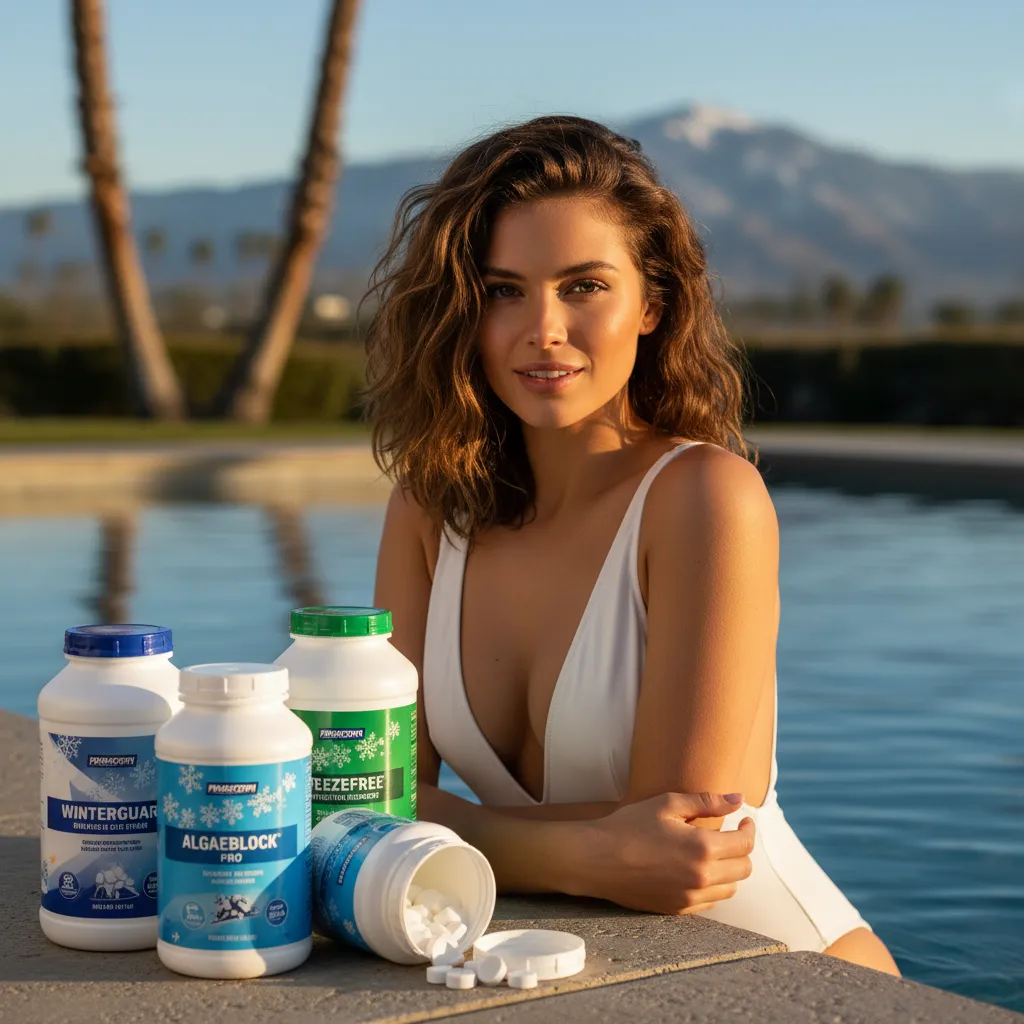
"The all-in-one solution for a guaranteed clear spring opening."
All-in-One Closing Chemical Kit
Winter demand is high - check stock

"The 'set & forget' option. This is the easiest winterizing I've ever done."
Simple 3-in-1 Winterizing Balls
Winter demand is high - check stock
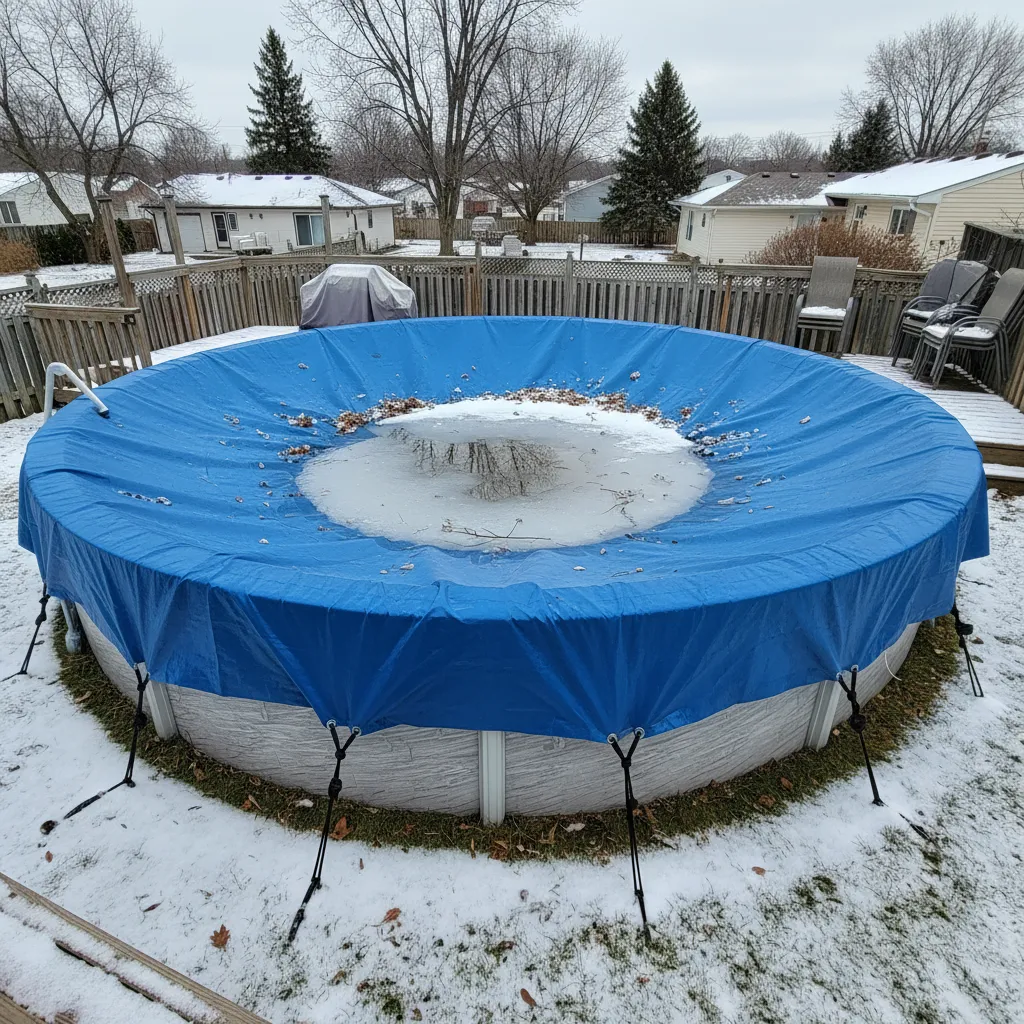
"Invest once to protect your liner and prevent a swamp in the spring."
Heavy-Duty Winter Pool Cover
Winter demand is high - check stock
What Qualifies As a Commercial Swimming Pool?
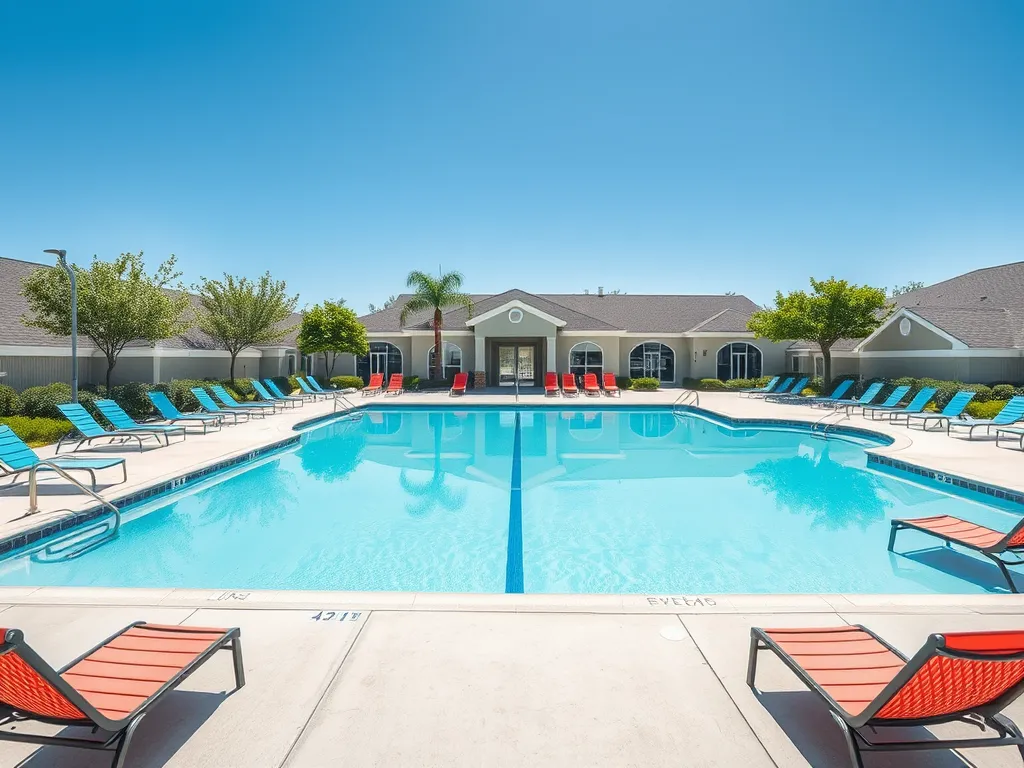
A commercial pool is any pool open to the public, used by guests, or part of a paid service. Think hotel resort pools, gym lap pools, or splash pads at parks. These pools follow state health codes (like Illinois Pool Laws) and ADA rules. They often have deeper zones (up to 12 feet for diving), slip-proof floors, and gear like high-capacity pumps (100-150 GPM flow rates). Builders use shotcrete or fiberglass for strength.
Key Differences Between Commercial and Residential Pools
Home pools are smaller, with vinyl or basic concrete shells. Commercial pools need thick walls, steel frames, and drains that stop entrapment. Public pools must have ADA ramps (slope under 1:12), clear depth signs, and trained staff on-site. Water care is stricter too—chlorine stays between 1-4 ppm, tested hourly in busy spots. Costs run higher: a basic hotel pool starts at $500k, while home builds average $50k.
Common Uses for Recreational Pools (Hotels, Resorts, and Aquatic Centers)
Leisure pools focus on fun, not laps. Hotels add zero-entry edges for kids, fire pits, or infinity views. Resorts go big with slides, lazy rivers, and swim-up bars. Indoor aquatic centers mix warm therapy pools (88-94°F) with splash pads. These spots use bright tiles, LED lights, and sound systems to set the mood. For example, Disney’s resort pools have themed play zones with 300+ daily users.
Ready to explore how smart design keeps these pools tough, safe, and cost-friendly? Let’s dive into the core benefits next.
Core Benefits Of Commercial Swimming Pools
Commercial pools serve as community hubs while meeting rigorous demands. Built to handle hundreds of daily users, these aquatic spaces prioritize structural resilience, safety, and operational efficiency. One can imagine how a ducks pool would also need similar features for safety and enjoyment. Ducks pools provide a fun and natural environment for both the birds and people who appreciate them.
Enhanced Durability for High Traffic
Commercial swimming pools use reinforced concrete shells with 4000-5000 PSI strength ratings, compared to residential pools averaging 3000 PSI. Polymer-modified finishes like quartz-aggregate plaster withstand constant chemical exposure and foot traffic. Automatic covers rated for 500+ lbs/sq ft protect surfaces during off-hours.
Accessibility and Safety Features
ADA-compliant zero-depth entries and chair lifts with 0.48 GPM flow rates accommodate diverse users. Anti-entrapment drains meeting Virginia Graeme Baker Act standards prevent suction incidents. Commercial pool builders integrate UV-C secondary sanitation (40-80 mJ/cm² dosage) with chlorine systems for pathogen control. Maintaining water quality is crucial for safety and comfort. The calcium saturation index test helps determine the balance of calcium and other minerals in pool water.
Cost-efficiency in Large-scale Operations
Variable-speed pumps cutting energy use by 70% and automated chemical feeders reducing labor costs by 25% make commercial pool operations sustainable. Bulk water treatments (e.g., sodium hypochlorite at $1.50/gallon) lower per-user expenses compared to residential trichlor tabs. Additionally, maintaining balanced water chemistry is crucial for optimal pool performance. Using phosphate removers can help keep water clear and reduce the need for chemicals.
Commercial Pool Design Essentials
Designing public swimming pools requires balancing functionality with aesthetics. From Olympic-sized aquatic centers to intimate hotel resort pools, every detail impacts user experience and compliance.
Size and Depth Requirements
Competition swimming pools follow FINA standards: 50m length (±0.03% tolerance) with 2m minimum depth for diving. Leisure pools in hotels often use 3’6” shallow zones with gradual 6’ transitions. Lap pools for fitness centers typically measure 25 yards x 45” depth. While the design of these pools is essential, equally important is the time allocated for clarifying the water. Clarifier work time ensures that the water remains clean and safe for all swimmers.
Competition Pools vs. Leisure Pools
While Olympic lanes require precision-tuned gutter systems and touchpad timers, resort pools prioritize beach entries and integrated seating. Aquatic design for leisure spaces focuses on 3:1 deck-to-water ratios compared to 1.5:1 in athletic facilities.
Incorporating Aquatic Features (Waterslides, Infinity Edges)
Class III waterslides demand 1,200 GPM pumps and 15’6” minimum catch pool depths. Vanishing-edge pools require surge tanks holding 20% of total water volume. Hotel swimming pools increasingly add resistance jets (15-20 HP) for swim training zones.
Material Selection for Longevity
Commercial pool builders specify materials like shotcrete with crystalline waterproofing admixtures for structural integrity. Tile lines use 2”x2” glass mosaics (COF ≥0.6 wet) instead of ceramic. Decking employs thermal-spray non-skid coatings rated for 10+ years UV resistance.
Compliance With ADA and Safety Standards
Public swimming pools need 5% of total linear feet as accessible entries. Handrails require 1.25”-1.5” diameters with 12” extensions beyond stairs. Lifeguard sightlines follow 2,500 sq ft/guard ratios with 10-second scan protocols.
With design elements finalized, attention shifts to tailoring recreational spaces for specific hospitality environments.
Also See: Are Public Pools Clean? Key Facts Before You Swim
Recreational Pool Design Variations
Designing recreational pools demands creativity blended with functionality. Current trends prioritize aesthetics, user experience, and adaptability to diverse guest needs.
Hotel and Resort Pool Trends
Modern hotel resort pools lean toward immersive themes. Lagoon-style designs with rock waterfalls, zero-entry edges mimicking beaches, and infinity edges with panoramic views dominate luxury properties. Resorts now integrate swim-up bars with submerged seating, LED lighting systems for evening ambiance, and heated zones for year-round use. Fire pits and shaded cabanas add layered appeal, transforming pools into social hubs.
Family-friendly Recreational Features
Pools for resorts catering to families focus on safety and engagement. Shallow play areas with interactive spray features, mini waterslides with gentle slopes, and splash pads with timed water jets are staples. Many include separated zones—deep sections for teens, padded flooring for toddlers, and bench seating for supervision. Materials like textured non-slip plaster reduce injury risks, while UV-resistant shades protect against sun exposure.
Integrating Spas and Hot Tubs
Spas and hot tubs complement recreational pools by offering thermal contrast. Built-in units with 6-8 person capacity, placed adjacent to main pools, allow guests to alternate between warm and cool water. Jets with adjustable pressure settings, aromatherapy infusion systems, and built-in headrests enhance relaxation. Proper placement ensures seamless traffic flow, avoiding crowded zones. Adding a hot tub pool can enhance the overall experience by providing additional relaxation options. It creates a perfect place for socializing and unwinding after a swim.
Commercial Pool Size Guidelines
Balancing space constraints with usability defines commercial pool design. Size impacts capacity, safety, and operational costs.
Standard Dimensions for Different Venues
Commercial swimming pools vary by venue type. A typical hotel swimming pool averages 600-800 sq ft, while aquatic centers prioritize lane swimming with 25-meter lengths and 8-10 lanes. Water parks require depths under 4 feet for walkable play areas, accommodating inflatable obstacle courses or volleyball nets. In addition to these designs, many facilities also consider pool volume. One popular size for residential pools is around 10,000 gallons, providing ample space for relaxation and recreation.
Hotel Pools vs. Aquatic Centers
Hotel pools prioritize leisure, often staying under 3,000 sq ft with depths from 3-5 feet. Aquatic centers serving competitive needs exceed 10,000 sq ft, featuring diving wells up to 16 feet deep, bulkheads for adjustable lane lengths, and timing systems embedded in walls. Similar to hotel pools, cowboy pools also focus on creating enjoyable environments for families. The depth of cowboy pools can vary widely, often designed to accommodate both shallow and deeper areas for different activities.
Customization Options for Limited Spaces
Compact commercial pools use geometric shapes—rectangular lap pools (40’x15’) fit narrow courtyards. Plunge pools (12’x8’) with built-in benches suit rooftop settings. Modular designs with pre-cast walls speed installation, while vertical features like stacked waterfalls draw attention upward, masking limited square footage.
Maintenance Best Practices for Pool Care
Routine care preserves water quality, equipment efficiency, and user safety in public swimming pools.
Daily and Weekly Cleaning Routines
Debris removal prevents clogged filters and algae growth. Automated skimmers run continuously, while manual skimming targets leaves or insects. Brushing tile lines twice weekly stops calcium buildup, and vacuuming sandy areas maintains clarity.
Skimming, Vacuuming, and Brushing
Use telescopic poles with nylon brushes for walls and robotic vacuums for floors. Focus on corners where debris accumulates. For heavy use pools, schedule deep cleans during off-hours to avoid disrupting guests.
Water Chemistry Management
Balanced water prevents irritation and equipment corrosion. Test chlorine levels (1-3 ppm) and pH (7.4-7.6) twice daily. Cyanuric acid (30-50 ppm) stabilizes chlorine in outdoor pools. Shock treatments weekly eliminate contaminants from high bather loads. Proper maintenance is key to keeping your pool clean and safe. A backwash pool cartridge filter efficiently removes debris and keeps water clear.
pH Balancing and Sanitization
Automated chemical feeders adjust chlorine and acid doses based on real-time sensors. For saltwater systems, monitor generator cells for scaling. Algaecides added preventively every 10-14 days reduce outbreaks.
Equipment Maintenance Checklist
Inspect pumps, heaters, and filters monthly. Sand filters need backwashing when pressure gauges rise 8-10 psi above normal. Cartridge filters require hosing every 2-4 weeks. Lubricate pump seals annually to prevent leaks. Regular maintenance helps ensure that your swimming pool stays clean and safe. One effective method for maintaining water clarity is using a backwash sand filter.
Filter and Pump Care
Variable-speed pumps cut energy use by 50-70% compared to single-speed models. Schedule professional inspections pre-season to check voltage levels, impeller function, and seal integrity. Replace worn parts within 24-48 hours to avoid system failures. Efficient water management is essential for overall system performance. One effective method for ensuring water quality is UV water treatment, which uses ultraviolet light to kill harmful microorganisms.
Keeping these systems running smoothly ensures compliance with health codes while preparing teams to address cost-efficiency strategies in the next phase.
Cost Analysis and Budgeting
Managing budgets for commercial pools requires balancing upfront investments with long-term operational efficiency. Let’s break down the financial landscape for public swimming pools and aquatic centers.
Initial Installation Expenses
Building a commercial swimming pool typically ranges from $200,000 to over $1 million, depending on design complexity. Factors like size (competition pools often exceed 25 meters), depth variations (up to 12 feet for diving boards), and premium features (infinity edges or custom tile work) drive costs. Materials matter: shotcrete shells cost $60–$100 per sq ft, while vinyl liners drop to $30–$50 per sq ft. Partnering with licensed commercial swimming pool builders ensures compliance with local codes, which might add 10–15% to the budget for permits and inspections. In contrast, shipping container pools can be a cost-effective alternative. Shipping container pools generally have lower installation costs and can offer unique designs within a more budget-friendly range.
Ongoing Maintenance Costs
Daily operations for hotel resort pools or aquatic centers cost $15,000–$50,000 yearly. Key expenses include:
- Chemicals: $3,000–$8,000 annually for chlorine, pH balancers, and algaecides
- Energy: $5,000–$20,000 for pumps, heaters, and lighting
- Repairs: Resurfacing every 7–15 years ($20,000–$50,000)
Variable frequency drive (VFD) pumps reduce energy use by 30–50%, while cartridge filters save $500 yearly vs. sand filters.
Energy-saving Strategies
Retrofitting older systems cuts costs without compromising performance. Solar heaters lower gas bills by 50–80%, paying for themselves in 3–7 years. LED pool lights use 75% less energy than halogen. Installing thermal covers on hotel pools overnight reduces heat loss by 50–70%. For new builds, orienting outdoor swimming pools to maximize sunlight minimizes heating demands.
Regulatory Compliance and Safety
Public swimming pools must meet strict codes to protect users and limit liability. Requirements vary by location but share core principles.
Overview Of Illinois Pool Laws
The Illinois Department of Public Health mandates fencing (minimum 4–5 feet tall), non-slip surfaces, and dual main drain systems compliant with the Virginia Graeme Baker Act. Commercial pools open to the public need weekly bacterial testing and documented chemical logs. Lifeguard ratios: 1 per 2,000 sq ft of water. Hotels with pools must provide emergency phones within 200 feet.
National Safety Standards for Public Pools
The CDC’s Model Aquatic Health Code (MAHC) sets benchmarks for water quality (1–4 ppm chlorine, pH 7.2–7.8) and circulation (6-hour turnover rate). ADA compliance requires wheelchair lifts or zero-depth entry in 60% of new builds. CPSC guidelines enforce anti-entrapment drain covers tested to 500 lbs of force.
With costs and regulations mapped, let’s explore how to select equipment that maximizes uptime for high-traffic venues.
Frequently Asked Questions
What is the Average Lifespan Of a Commercial Pool?
Commercial pools typically last 15–25 years with proper maintenance. Durability depends on materials: shotcrete shells with quartz finishes endure 20+ years, while vinyl liners require replacement every 7–12 years. Extend lifespan by resurfacing every 10–15 years, balancing water chemistry daily, and repairing cracks within 48 hours to prevent structural damage.
How Often Should Commercial Pools Undergo Professional Inspections?
Annual inspections by certified technicians are mandatory in most states, including Illinois. High-traffic pools (e.g., water parks) benefit from quarterly checks of pumps, drains, and safety equipment. Monthly in-house audits should test emergency shutoffs, ladder integrity, and signage visibility to meet ADA and CDC standards.
What Technological Advancements Are Shaping Modern Pool Systems?
Smart automation dominates trends: IoT sensors track pH/chlorine levels in real time, adjusting doses automatically. UV-C and ozone systems reduce chlorine use by 50–90%. Robotic cleaners with AI mapping optimize vacuum routes, cutting labor costs by 30%. Saltwater generators with self-cleining cells now last 7+ years, minimizing maintenance.
Are Eco-friendly Chemical Alternatives Effective for Large Pools?
Yes. Bromine systems (4–6 ppm) work well for indoor pools with less odor. Mineral sanitizers (copper/zinc ions) paired with 0.5 ppm chlorine reduce eye irritation. Enzymatic treatments break down oils without foaming—ideal for hotel resort pools with heavy sunscreen use. Always consult local codes, as some states restrict alternative sanitizers.
What Insurance Considerations Apply to Commercial Pool Owners?
Liability coverage of $1–5 million is standard, with premiums 20–40% higher for pools with slides or diving boards. Insurers require ADA compliance documentation, certified lifeguard staffing logs, and proof of daily safety inspections. Umbrella policies should cover slip-and-fall incidents, which account for 60% of pool-related claims.
Closing Thoughts
Commercial and recreational pools serve distinct purposes, from high-traffic aquatic centers to resort-style leisure spaces. Proper design, maintenance, and compliance ensure longevity, safety, and cost-efficiency. Whether installing a competition pool or a hotel oasis, material choices, water chemistry, and energy-saving strategies impact performance.
For precise calculations on pool dimensions, chemical dosing, or cost estimates, explore My Pool Calculator. Our tools simplify complex decisions, helping you optimize your commercial or recreational pool investment.
Useful References for You:
- Grimes, R. J. (2015). Troubleshooting and Repairing Pool Plastics, PVC, and Vinyl Liners. Chicago, IL: CreateSpace Independent Publishing.
- Recreonics: Commercial & Institutional Swimming Pool Equipment, Products & Supplies
- Commercial Pools – PoolPak
- Commercial Swimming Pool Information
- Commercial swimming pools: all you need to know – Fluidra