Can You Swim in a Pool With a Cut? Safety Guidelines for Pool Care
Published on: January 15, 2026 | Last Updated: November 17, 2025
Written By: Rachael Weatherbottom
Swimming with a cut carries infection risks due to bacteria like Pseudomonas aeruginosa or Staphylococcus aureus in pool water—even chlorinated pools—which can delay healing or cause cellulitis. Chlorine (1-3 ppm recommended) reduces germs but doesn’t fully eliminate them, making open wounds vulnerable. Fresh cuts, deep injuries, or surgical stitches require extra caution, as broken skin lacks protective barriers against contaminants.
This article breaks down how to assess your wound type, from minor scrapes to post-surgery stitches, and explains when swimming becomes risky. You’ll learn practical protection methods like waterproof bandages (e.g., hydrocolloid dressings) and silicone sealants, plus how to spot signs of poor pool hygiene like cloudy water or low chlorine levels.
We’ll also explore how factors like wound size, depth, and healing stage impact safety. For pool owners, expect actionable tips on balancing pH (7.2-7.8 ideal) and maintaining filtration systems to minimize bacterial growth. Whether you’re dealing with a scraped knee or healing blisters, these guidelines help you decide when to dive in—or stay dry.
Risks Of Swimming With Open Wounds
Swim with a cut, and pool water hits the wound fast. Even small breaks in skin let germs or pool chems in. This ups the risk of slow healing, pain, or worse.
Crucial Winterizing Products

"The all-in-one solution for a guaranteed clear spring opening."
All-in-One Closing Chemical Kit
Winter demand is high - check stock

"The 'set & forget' option. This is the easiest winterizing I've ever done."
Simple 3-in-1 Winterizing Balls
Winter demand is high - check stock
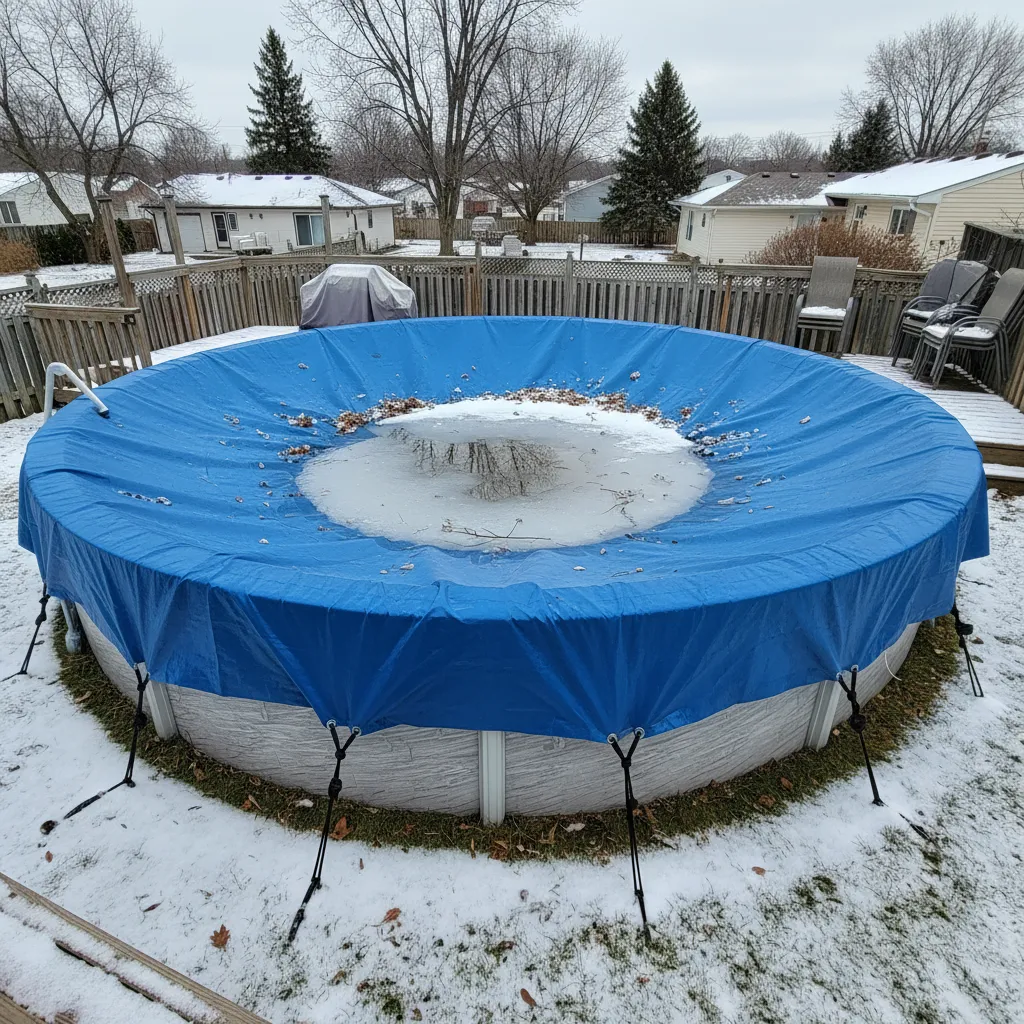
"Invest once to protect your liner and prevent a swamp in the spring."
Heavy-Duty Winter Pool Cover
Winter demand is high - check stock
Can Water Infect an Open Wound?
Pool water can carry germs like Pseudomonas aeruginosa (a tough bacteria) that cling to cuts. Chlorine kills some bugs, but not all. Shared pools may host urine, sweat, or dirt that weaken chlorine’s power. A 2022 CDC report found 40% of pool-linked skin issues came from cuts soaked in water with poor chem balance. With these health risks, it’s important to think twice before drinking pool water. Consuming it can expose you to harmful bacteria and chemicals.
How Pool Water Affects Healing
Water softens skin, making scabs fall off too soon. This leaves raw spots open to new germs. Chlorine dries out tissue, slowing cell repair. For deep cuts, pool moisture can push bacteria deeper, raising infection odds by 3x vs dry healing. Proper pool filters help reduce harmful chemicals in the water. By absorbing these chemicals, they can contribute to healthier swimming environments.
Can Swimming in a Pool With a Cut Cause Infection?
Yes. Signs show fast: red skin, swelling, hot pain, or pus in 12-48 hours. Staph or strep germs thrive in wet wounds. A Texas study saw 1 in 5 ER visits for pool cuts led to antibiotic scripts. High-risk groups include kids, diabetics, or those with weak immune systems.
- Watch for green/yellow fluid
- Feel throbbing past 2 hours post-swim
- See red streaks near the wound
Pool owners: keep water at 1-3 ppm chlorine. Test pH (7.2-7.8) to boost germ kill. Swimmers: check if your cut is worth the dip.
Next, learn how to judge if your wound is pool-ready or needs more time.
Assessing Your Wound: When is It Safe to Swim?
Determining whether to enter a pool with a cut depends on the wound’s size, depth, and healing stage. Let’s break down common scenarios.
Can I Swim With a Small Cut or Scratch?
Minor abrasions or paper-thin cuts may pose minimal risk if fully covered. Pool water containing 1-3 ppm chlorine can neutralize some bacteria, but broken skin remains vulnerable. Avoid swimming if the wound is actively bleeding or shows redness. A 2021 study found that even small cuts exposed to pool water for over 20 minutes had a 12% higher chance of irritation. It’s also important to consider the bacteria that can thrive in saltwater pools. Regular maintenance and monitoring of saltwater levels can help keep harmful bacteria at bay.
Can You Swim With Stitches From a Cut?
Most medical professionals advise against swimming with stitches until they’re removed (typically 10-14 days post-application). Sutures create channels where water can seep in, increasing infection risks. Chlorine may also weaken nylon or silk stitches. For surgical wounds, wait until cleared by a doctor—often 4-6 weeks.
Is It Safe to Swim With a Scabbed Wound?
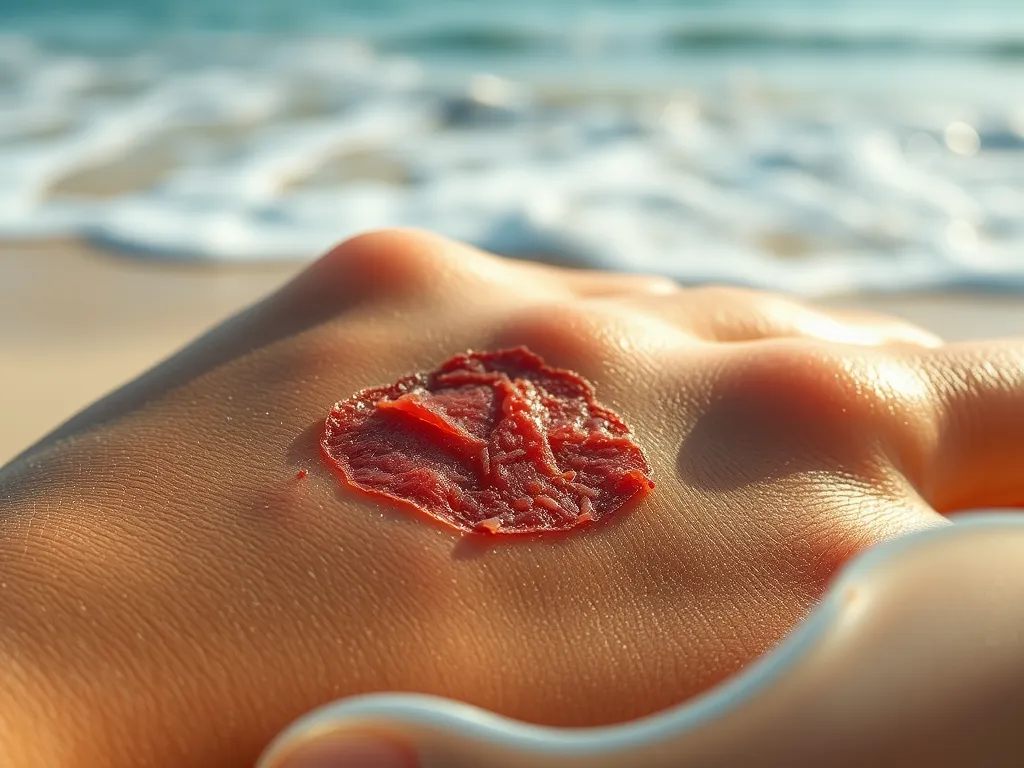
Scabs act as natural barriers but aren’t fully waterproof. Submerging a scabbed wound for extended periods can soften the tissue, leading to premature detachment. Pools with pH levels above 7.8 may further dry out the scab, causing cracks. If the scab is intact and smaller than a quarter, limit swim time to 30 minutes.
How to Protect Cuts Before Entering the Pool
Proper wound coverage reduces contamination risks. Let’s explore effective protection strategies.
Proper Methods to Cover a Wound for Swimming
Standard bandages often peel off in water. Opt for materials designed for aquatic environments.
Waterproof Bandages and Sealants
Hydrocolloid dressings (like Tegaderm) adhere tightly to skin, blocking water penetration. For larger areas, liquid bandage sprays containing acrylate polymers form flexible seals. Apply these 15 minutes before swimming. Test products on healthy skin first—some may irritate sensitive areas. Costs range from $5-$15 per box.
Preparing Blisters, Scraped Knees, and Foot Injuries
Blisters require extra cushioning. Use hydrocolloid patches with raised edges to prevent friction. For scraped knees, layer a non-stick gauze pad under a waterproof adhesive wrap. Foot cuts benefit from silicone toe caps or neoprene waterproof socks. Always rinse wounds with saline post-swim and replace dressings.
While protecting wounds is vital, the pool’s chemical balance also plays a role in preventing infections. Next, we’ll examine how chlorine levels impact safety.
Also See: How a Backwash Sand Filter Works for Your Pool
The Role Of Chlorine in Pool Water Safety
Chlorine acts as the first line of defense against harmful pathogens in pools. While it neutralizes bacteria and viruses, its effectiveness depends on concentration, water pH, and contact time with contaminants. Properly maintained chlorine levels reduce infection risks but don’t eliminate them entirely. To enhance chlorine’s effectiveness, many pool owners use cyanuric acid. This connection helps stabilize chlorine, making it work better in sunlight and warmer temperatures.
Can You Go in a Chlorine Pool With an Open Wound?
Entering a chlorinated pool with an open wound introduces risks even with sanitized water. Fresh wounds (less than 48 hours old) lack protective scar tissue, allowing chlorine and microbes direct access to deeper skin layers. The CDC advises avoiding swimming until wounds are fully sealed to prevent bacterial entry. It’s important to consider how water quality affects overall health. This is where tests like the calcium saturation index test come into play, helping determine the balance of calcium and preventing potential problems in swimming pools.
Chlorine’s Impact on Bacteria and Infection Risks
Chlorine kills most bacteria within minutes at 1-3 ppm (parts per million). However, stubborn pathogens like Pseudomonas aeruginosa—common in poorly maintained pools—can survive and cause infections. Open wounds exposed to chlorinated water may also experience delayed healing due to chemical irritation, disrupting the natural epithelialization process. Keeping your pool safe goes beyond just maintaining proper chlorine levels. Using pool antifreeze can also help protect your pool during colder months without harming the water quality.
Swimming With Specific Wound Types
Not all wounds respond the same to pool exposure. Factors like wound depth, location, and healing stage determine safety. Let’s break down common scenarios.
Can You Swim With a Blister on Your Foot?
Intact blisters act as natural barriers, but friction from pool decks or swim strokes can rupture them. Once broken, blister sites become entry points for pathogens. Use silicone waterproof bandages rated for 6+ hours of submersion, like 3M™ Tegaderm™, to shield the area.
Is It Safe to Swim With a Scraped Knee?
Scrapes cover larger surface areas, increasing exposure risk. A study in the Journal of Wound Care found that submerged abrasions absorbed 22% more contaminants than smaller cuts. Apply antimicrobial ointment under a hydrocolloid dressing before swimming to reduce bacterial adhesion.
Can You Swim in a Pool While Cuts Are Healing?
Partially healed cuts with granulation tissue (pink, bumpy texture) are less vulnerable than fresh wounds. However, chlorine can dehydrate new tissue, causing cracks. Limit swim time to 30 minutes and rinse with saline solution immediately after exiting the pool. Taking care of your pool also means keeping an eye on its air bubbles in the pool return. A common issue is air bubbles in the pool return, which can affect circulation and water clarity.
Pool Maintenance Tips to Minimize Infection Risks
Safe swimming hinges on proper pool chemistry. Even minor imbalances compromise water safety, especially for those with cuts.
Testing and Balancing Pool Chemistry
Test free chlorine, pH, and cyanuric acid weekly. Use Taylor Technologies K-2006 test kits for lab-grade accuracy. Imbalanced pH (below 7.2 or above 7.8) renders chlorine 50% less effective, according to the National Swimming Pool Foundation. Keeping an eye on cyanuric acid levels is also essential for pool maintenance. Knowing how to test, raise, or lower cyanuric acid will help keep your pool water balanced and safe.
Ideal Chlorine Levels for Safe Swimming
Maintain free chlorine at 2-4 ppm for residential pools. Commercial pools require 3-5 ppm due to higher bather loads. Shock the pool with calcium hypochlorite (68-72% strength) after heavy use to destroy chloramines—irritating compounds that thrive in poorly sanitized water. Keeping an eye on water chemistry is essential for pool maintenance. One important aspect of this is to check the salt level in your pool, especially if you’re using a saltwater system.
Red Flags in Pool Hygiene
- Cloudy water or visible algae
- Strong chlorine odor (indicates chloramine buildup)
- Irritated eyes or skin after swimming
If these signs appear, avoid swimming until chemical levels are corrected.
While proper maintenance lowers risks, some wounds require complete avoidance of pools. Let’s explore alternative water activities for compromised skin.

Alternatives to Swimming With Open Wounds
While swimming might feel tempting during summer months, certain injuries require temporary adjustments. Identifying safer options ensures you stay active without compromising wound recovery.
When to Avoid Pools, Hot Tubs, or Natural Water
Deep cuts, surgical incisions, or wounds showing redness, swelling, or pus demand complete avoidance of all water sources. Stitches, staples, or adhesive closures also fall into this category—submerging them increases the chance of bacterial entry. Hot tubs pose unique risks: warmer temperatures (often 100°F+) reduce chlorine effectiveness, allowing bacteria like Legionella to thrive. Natural bodies of water, including lakes or oceans, contain pathogens such as Vibrio vulnificus, which can cause severe skin infections. Just as avoiding these water sources is crucial for healing, maintaining a clean swimming pool is equally important. Klean Strip Muriatic Acid can be an excellent solution for balancing pool chemistry and ensuring a safe swimming environment.
- Avoid pools if your cut is deeper than ¼ inch or spans over 1 inch in length
- Skip hot tubs entirely if you have fresh wounds—bacteria levels here are 3-5x higher than pools
- Steer clear of lakes, rivers, or oceans until wounds fully close (typically 7-10 days)
Low-risk Water Activities During Healing
For minor scrapes or nearly healed injuries, modified water engagement can work. Waterproof bandages with silicone-based sealants (like Tegaderm™ or Hydro Seal™) rated for 48-hour wear allow light activities. Focus on keeping the wound elevated above water—try seated poolside leg dips or gentle arm exercises. A spray bottle filled with cool water provides refreshing relief without submersion.
- Water aerobics using buoyancy belts to keep legs dry ($15-$30 retail)
- Supervised children’s splash pads with minimal standing water
- Post-swim wound care: Rinse immediately with saline solution (0.9% sodium chloride)
Consult a healthcare provider if you’re unsure about activity levels—some antibiotics interact poorly with chlorinated water. Up next: Answers to common questions about swimming timelines for stitches, saltwater risks, and chlorine’s role in wound safety. It’s also important to consider the type of water you will be swimming in. Pools with high hardness levels can impact your skin and overall swimming experience.
FAQs: Swimming With Cuts and Wounds
Is It Okay to Swim in Saltwater With a Cut?
Saltwater poses unique risks compared to chlorinated pools. While ocean water has natural antimicrobial properties, it contains pathogens like Vibrio vulnificus—especially in warm coastal areas—which can cause severe infections in open wounds. A 2023 study found saltwater exposure increased infection rates by 18% for cuts deeper than 2mm. Rinse thoroughly with fresh water post-swim and monitor for unusual swelling or pus.
How Long Should You Wait to Swim After Getting a Cut?
Wait 24-48 hours for minor cuts to form a protective barrier before swimming. Deeper wounds (e.g., surgical incisions) require 2-4 weeks of healing. For puncture wounds or animal bites, avoid pools until fully closed (up to 10 days). Always consult a healthcare provider for wounds requiring stitches or showing signs of infection. Proper care and patience are key to healing. It’s also important to wait after stabilizer shock to ensure your body is ready for activity.
Closing Thoughts
Swimming with a cut requires careful consideration of the wound type, pool conditions, and protective measures. While small, healed cuts pose minimal risk, open wounds or fresh stitches demand waterproof barriers and proper pool hygiene. Chlorine helps reduce bacteria but isn’t foolproof against infections.
Always assess your wound’s healing stage before diving in. For deep cuts, surgical sites, or signs of infection, skip the pool until fully healed. Pool owners should maintain chlorine levels at 1–3 ppm and regularly test pH (7.2–7.8) to ensure water safety.
For precise pool chemistry calculations and maintenance tips, explore My Pool Calculator. Stay informed, protect your wounds, and enjoy swimming responsibly.
Useful References for You:
- Grimes, R. J. (2015). Troubleshooting and Repairing Pool Plastics, PVC, and Vinyl Liners. Chicago, IL: CreateSpace Independent Publishing.
- Dire Preparations: Should You Swim in a Pool with an Open Wound? – Metro League
- Is It OK to Swim With an Open Wound? | U.S. Masters Swimming
- Should I Swim with an Open Wound? – DrySee
- Why you need to cover wounds when swimming | Safe and Sound Health
A pool care geek who’s been testing water chemistry since she was tall enough to reach the skimmer.
Pool Equipment Repair, Safety Equipment