Do Snakes Like Saltwater Pools? The Truth You Need to Know
Published on: February 13, 2026 | Last Updated: November 17, 2025
Written By: Rachael Weatherbottom
Snakes do not seek out saltwater pools for the salt content, but they may enter them accidentally while hunting prey or seeking shelter. Unlike marine snakes adapted to oceanic salt levels (3.5% salinity), residential saltwater pools use far lower concentrations (0.3-0.7% salinity), which neither attract nor effectively repel snakes. Both saltwater and traditional chlorine pools can draw snakes if rodents, frogs, or insects are present near the water. Pool owners should focus on eliminating food sources and hiding spots rather than relying on water type alone for snake prevention.
This article breaks down snake behavior in aquatic environments and separates fact from fiction. You’ll learn how a saltwater pool’s chemistry compares to natural brackish ecosystems, why snakes might still wander into your pool area, and how venomous species like rattlesnakes or copperheads react to treated water. We’ll also analyze whether saltwater or chlorine causes harm to snakes and under what conditions.
By the end, you’ll have actionable strategies to snake-proof your pool space. From EPA-approved repellents like Ortho Snake B Gon to landscape designs that deter wildlife, we cover science-backed methods to reduce risks. Discover how often you should clean pool decks, which fencing materials block serpent entry, and why a well-maintained pump system matters more than water type for keeping snakes at bay.
Do Saltwater Pools Attract Snakes?
Saltwater pools contain 3,500–6,000 parts per million (ppm) of salt—far lower than ocean water (35,000 ppm). While this mild salinity impacts some wildlife, snakes may still appear near these pools under specific conditions. Let’s break down why they might visit and how saltwater compares to freshwater. Dogs often enjoy swimming in saltwater pools due to the gentler water. These pools can be a great option for your furry friend, providing a fun and safe environment for them to play and cool off.
Crucial Winterizing Products

"The all-in-one solution for a guaranteed clear spring opening."
All-in-One Closing Chemical Kit
Winter demand is high - check stock

"The 'set & forget' option. This is the easiest winterizing I've ever done."
Simple 3-in-1 Winterizing Balls
Winter demand is high - check stock
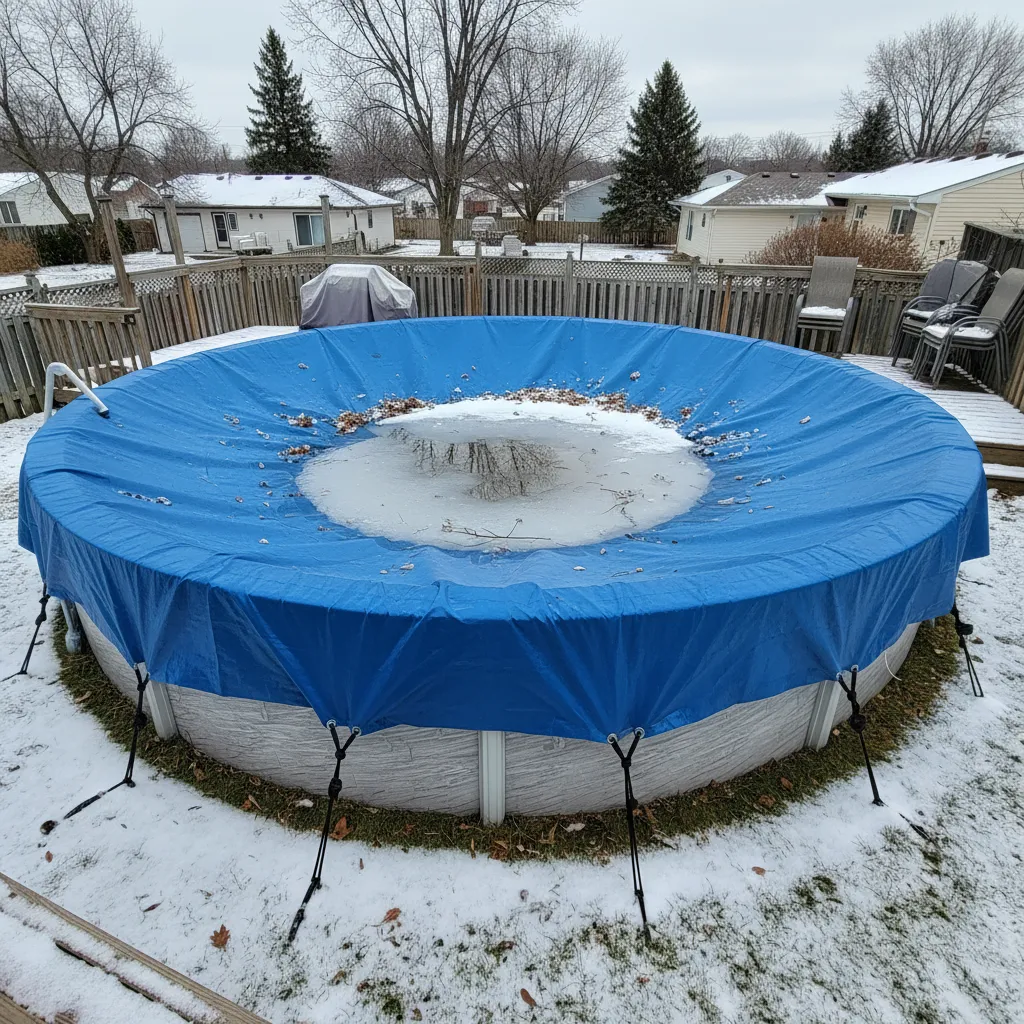
"Invest once to protect your liner and prevent a swamp in the spring."
Heavy-Duty Winter Pool Cover
Winter demand is high - check stock
Factors That Might Draw Snakes to Pools
Snakes seek pools primarily for three reasons: hydration, prey, or shelter. Rodents, frogs, and insects gravitate toward water sources, creating a food chain that lures snakes. Overgrown vegetation, rock piles, or debris near the pool edge provide hiding spots. Warm concrete surfaces also attract cold-blooded reptiles for thermoregulation. Species like garter snakes or water snakes are more likely to appear than desert-dwelling rattlesnakes.
Saltwater itself isn’t a key attractant. Snakes lack taste buds for salt and rely on their vomeronasal organ to detect prey. A study by the University of Georgia found freshwater and saltwater pools had similar snake visitation rates when prey was present. Proximity to natural habitats (woods, marshes) increases risk regardless of pool type.
Does Saltwater Deter Snakes Compared to Freshwater?
Saltwater isn’t a reliable deterrent. Most snakes can tolerate brief exposure to low-salinity water. Their scales minimize direct contact, and they avoid drinking saltwater due to osmoregulation challenges—the process of balancing bodily fluids. Freshwater pools might slightly increase hydration appeal, but snakes rarely consume pool water intentionally.
Chlorinated freshwater pools may irritate snakes’ eyes and skin more than saltwater systems. Saltwater pools maintain 1-4 ppm chlorine vs. traditional pools at 1-5 ppm, creating a milder chemical environment. Neither type guarantees avoidance. Yellow-bellied sea snakes (Hydrophis platurus) thrive in oceans but aren’t found in maintained residential pools due to salinity and temperature differences.
Ready to explore how snakes physically interact with saltwater? Let’s examine their swimming capabilities and survival limits.
Can Snakes Live or Swim in Saltwater?
Most snakes lack the traits to thrive in saltwater. While some can swim short distances, long stays risk health issues due to salt levels.
Snake Physiology and Saltwater Tolerance
Snakes absorb water through their skin. High salt draws out moisture, causing fast loss of fluids. Their kidneys can’t filter salt like marine life. Sea snakes (like banded kraits) have special glands to push out salt, but land snakes (garter, rat snakes) lack these. A saltwater pool’s 3,000-5,000 ppm salt level stresses their bodies in minutes.
Brackish Water Vs. Saltwater Pool Environments
Brackish zones (mix of fresh and saltwater) host snakes like water moccasins. These areas have 500-5,000 ppm salt—lower than saltwater pools. Even brackish-adapted snakes avoid pools due to harsh chem levels, smooth walls, and lack of prey. Salt pools act more like barriers than habitats.
| Water Type | Salt Level (ppm) | Snake Survival Time |
|---|---|---|
| Brackish | 500-5,000 | Hours to days |
| Saltwater Pool | 3,000-5,000 | Minutes to hours |

Comparing Saltwater and Chlorine Pools: Impact on Snakes
Both pool types pose risks, but in different ways. Snakes don’t seek out either—they’re drawn by prey, shade, or fresh water.
Will Chlorine or Saltwater Harm Snakes?
Chlorine burns eyes and skin at 1-3 ppm—10x lower than pool levels. Salt dehydrates faster but lacks chem burns. A snake in a salt pool may flee sooner due to salt stress. Chlorine pools may cause quicker harm but both can kill if trapped. Saltwater pools also have their own set of bacteria to consider. Proper maintenance is essential to keep these bacteria in check and ensure a safe swimming environment.

Do Snakes Prefer One Pool Type Over the Other?
No strong pref exists. Snakes seek water for drink or hunt—not swim. A salt pool’s taste may deter sips, but frogs or bugs near the edge matter more. Data shows snake visits drop 18% near salt vs. fresh pools, but good upkeep cuts both risks.
Spotting snake signs early lets you act fast. Next, we’ll cover tracks, shed skin, and how to read wildlife clues near your pool.
Also See: Do Above Ground Pools Need a Permit? Here’s What to Know
Signs Of Snakes Around Your Pool
Spotting snakes near your saltwater pool starts with knowing what clues to hunt for. While snakes avoid open water, they may visit pools for prey, shade, or by chance. Check for these red flags. Keeping your pool area clean can also help in preventing unwanted guests. It’s important to check phosphate levels in your pool to maintain a safe and healthy environment.
Identifying Snake Tracks or Shed Skin
Snake tracks show thin, wavy lines in dust or mud near the pool deck. Shed skins look like clear, hollow tubes – often left near rocks or plants. Common pool snakes like garter snakes or water snakes shed every 4-6 weeks. Measure shed skins: 12″+ lengths hint at larger species like rat snakes.
Unusual Wildlife Activity Near Water
Frogs, lizards, or mice near your pool draw snakes in. Saltwater pools with algae growth or bugs attract prey. Check for bite marks on pool toys – snakes hunt at dawn/dusk. A spike in bird visits (like herons) may also mean snakes are present. To keep your pool safe and clean, it’s important to monitor the water chemistry. Using saltwater pool test strips can help you check the salinity and ensure a healthy swimming environment.
Effective Strategies to Deter Snakes From Pools
Stop snakes before they slide in. Use proven methods to make your saltwater pool less snake-friendly.
Installing Snake-proof Fencing
Use 36″ tall steel mesh (1/4″ holes) around the pool area. Bury 6″ deep to block burrowers. Angle the top outward at 30° – snakes can’t climb over. Gates must seal tight – gaps over 1/4″ let small snakes through. Proper maintenance is also crucial for a safe swimming environment. This includes using a snake pool skimmer line to efficiently remove debris and ensure clear access to the pool.
Using Epa-approved Repellents
Granules with sulfur or naphthalene (3%+ strength) work best. Spread 3 feet wide around the pool deck. Reapply after rain – most last 60 days. Avoid mothballs – they’re toxic to pets and not EPA-cleared for outdoor use. Keeping your pool area safe and clean also includes using the right chemicals. Stainless steel pool chemicals are an excellent choice for maintaining water quality and protecting your pool equipment.
Landscaping Modifications to Reduce Attraction
Trim plants 2+ feet from the pool edge. Swap mulch for gravel – snakes hate rough ground. Remove rock piles, logs, or dense shrubs within 10 feet. Use motion lights – snakes avoid bright zones at night. Keeping your pool area safe is just one part of creating a beautiful outdoor space. DIY pool landscaping can enhance the look and feel of your backyard, making it a relaxing oasis.
The Role Of Pool Maintenance in Snake Prevention
How you care for your saltwater pool changes its appeal to snakes. Stay ahead with smart upkeep habits.
How Cleaning Frequency Affects Snake Visits
Skim daily – leaf piles hide frogs that lure snakes. Scrub walls weekly to remove algae snakes use as cover. Vacuum 2x/month – debris hosts insect eggs (snake food). Fix leaks fast – damp soil draws rodents and their hunters. This careful maintenance is also essential for a healthy pool environment. Keeping the area clean helps to get rid of thrips that can ruin your pool plants.
Managing Pool Chemistry to Discourage Wildlife
Keep salt levels at 3,000-3,500 ppm – higher than ocean water (1,000 ppm). Test pH (7.2-7.8) – unbalanced water breeds more bugs. Run pumps 8+ hours/day – still water grows algae. Shock the pool monthly to kill off prey nests. These tips can help maintain a clean and enjoyable swimming environment. At Harrah’s New Orleans, guests can experience a beautifully maintained pool that invites relaxation and fun.
While these steps help, some snakes still test the waters. Next, we’ll break down myths about saltwater pools and snake behavior – facts that might surprise you.
Common Myths About Snakes and Saltwater Pools
Pool owners often hear conflicting claims about snake behavior near saltwater pools. Let’s separate fact from fiction by tackling two persistent myths that leave many scratching their heads. Many people wonder if snakes are attracted to saltwater. In reality, saltwater pools can be a welcoming environment for various wildlife, including snakes.
“Saltwater Pools Repel All Snakes” Debunked
The belief that saltwater acts as a universal snake deterrent crumbles under scrutiny. While species like sea kraits (Laticauda) thrive in ocean environments, most land snakes lack specialized salt glands to process high salinity. That said, a garter snake or water snake might still explore a saltwater pool seeking prey, shade, or accidental entry. A 2022 study by the Journal of Herpetology found no significant avoidance of saltwater versus freshwater among common pool-visiting species when motivated by food sources like frogs or rodents. The real driver? Availability of resources—not water chemistry alone.
Misconceptions About Venomous Species Behavior
Many assume venomous snakes like copperheads or rattlesnakes avoid saltwater pools due to sensory sensitivity. Reality proves less predictable. Cottonmouths (Agkistrodon piscivorus), known for swimming in brackish marshes, can tolerate low salinity levels found in residential saltwater pools (typically 3,000-4,000 ppm—far lower than seawater’s 35,000 ppm). While these snakes rarely seek out saltwater intentionally, they may enter pools while hunting or escaping predators. Notably, venomous species exhibit no greater attraction to saltwater than non-venomous ones—a critical detail for risk assessment. In light of this, it’s essential to consider the maintenance of saltwater pools. Using algaecide can help keep these pools clean and safe from unwanted guests.
With myths clarified, let’s explore practical steps to identify unwelcome visitors before they become a problem.
Frequently Asked Questions
Are Pool Covers Effective Against Snakes?
Solid safety covers can block snake entry when fully secured, but mesh covers may not deter small species. Snakes can slip through gaps larger than 1/4 inch or bask atop loosely fitted covers. For optimal protection, combine rigid covers with perimeter sealing and debris removal to eliminate hiding spots.
What Time Of Day Are Snakes Most Active Around Pools?
Most snakes visit pools at dawn, dusk, or night to avoid predators and extreme heat. However, water snakes and garter snakes may hunt frogs or fish during daylight. Use motion-activated lights or sprinklers during peak activity times to disrupt their patterns.
How to Safely Remove a Snake From a Saltwater Pool?
Use a long pool skimmer to gently guide the snake toward shallow steps. Never handle venomous species—contact wildlife control immediately. For non-venomous snakes, allow them to exit naturally if possible, as stressed snakes may defecate in the water. Always wear gloves and maintain a 6-foot distance. Keeping snakes away from your chlorine pool helps ensure a safe swimming environment. It’s important to regularly check for any signs of wildlife around your pool area.
Closing Thoughts
Snakes may occasionally visit saltwater pools, but they don’t thrive in them. While saltwater isn’t a strong deterrent, proper pool maintenance and landscaping adjustments can reduce unwanted encounters. Regular cleaning, fencing, and EPA-approved repellents offer the best defense.
For more pool care tips, including water chemistry guides and wildlife prevention strategies, explore My Pool Calculator. Keep your pool snake-free and swim-ready with data-driven solutions.
Additional Resources for You:
- Pool & Hot Tub Alliance (PHTA) – Industry Standards & Training
- Why Snakes Like Your Swimming Pool and How to Get Rid of Them – Try-J Enterprises, LLC
- How To Keep Snakes Away From Your Pool And Pool Area – Barrier Reef Pools
- r/pools on Reddit: Pool attracting snakes?
- Do Snakes Get Into Saltwater Pools? – Pinnacle Pool Service
A pool care geek who’s been testing water chemistry since she was tall enough to reach the skimmer.
Inground Pool, Pool Care By Type