Can You Snake a Pool Skimmer Line? (step-by-step DIY Guide)
Published on: January 30, 2026 | Last Updated: November 17, 2025
Written By: Marcus Thornfield
Yes, you can snake a pool skimmer line using a plumbing snake designed for PVC pipes. This method differs from snaking household drains due to the skimmer line’s narrower diameter (typically 1.5” to 2”) and potential debris like leaves, dirt, or small pool toys. You’ll need a manual or electric plumbing snake (25-50 feet), gloves, a wet/dry vacuum, and optionally a garden hose or Drain King pressurized bladder. Common clogs stem from organic matter, sand buildup, or cracked underground pipes.
This guide walks through identifying blockage symptoms like weak suction or air bubbles, choosing the right tools, and safely clearing debris without damaging your pool’s plumbing. Learn how to maneuver the snake past elbow joints, flush lines with water pressure, and test your system post-repair. We’ll also cover cost-saving DIY alternatives like using a shop vac or air compressor for minor clogs.
Discover why regular skimmer maintenance prevents 80% of clogs, when to call a pro for stubborn blockages ($150-$300 average cost), and how to spot hidden issues like air leaks. Whether you’re tackling a sudden suction loss or preparing for pool season, these steps keep your water circulating smoothly and your equipment running efficiently.
Can You Snake a Pool Skimmer Line?
Snaking a pool skimmer line is both doable and a common fix for blockages stopping water flow. Plumbing snakes—flexible augers built to push through obstructions—can tackle most clogs caused by organic buildup or dirt. Success hangs on factors like pipe layout, obstruction location, and tools on hand. Keeping your pool clean is essential for its maintenance. An inground pool cleaner can help make this task easier by automatically removing debris and keeping the water clear.
Crucial Winterizing Products

"The all-in-one solution for a guaranteed clear spring opening."
All-in-One Closing Chemical Kit
Winter demand is high - check stock

"The 'set & forget' option. This is the easiest winterizing I've ever done."
Simple 3-in-1 Winterizing Balls
Winter demand is high - check stock
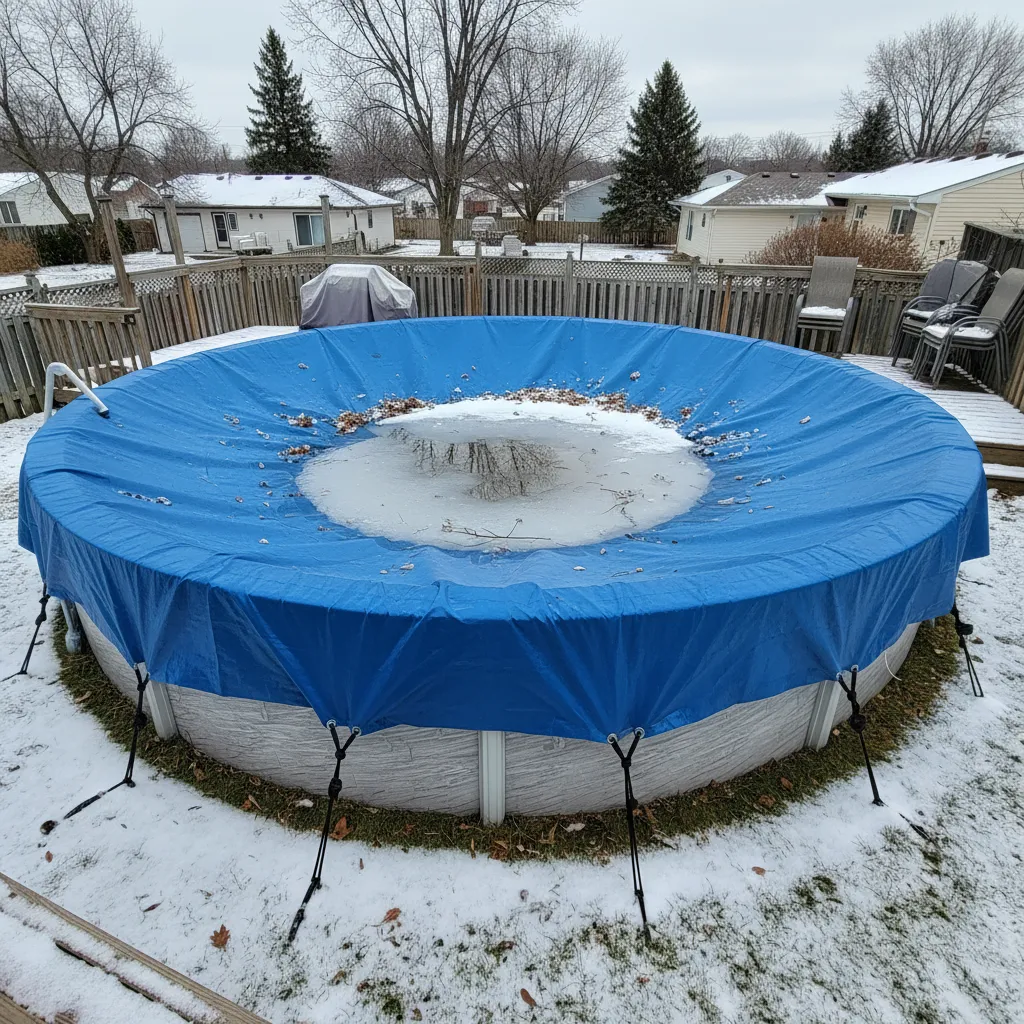
"Invest once to protect your liner and prevent a swamp in the spring."
Heavy-Duty Winter Pool Cover
Winter demand is high - check stock
Understanding the Feasibility Of Snaking Skimmer Lines
Not all skimmer clogs act alike. PVC piping (commonly 1.5″ to 2″ wide in pools) allows snaking if blockages sit within 15–25 ft of the skimmer opening. Hard-to-reach spots might call for a Drain King (a high-pressure hose tool) or air compressor blasts. Avoid forcing rigid tools into lines with sharp bends—risking cracks or costly splits.
- Pipe Material: PVC holds up to snaking; aging ABS plastic may crack if handled roughly.
- Clog Depth: Shallow blockages (within 10 ft) often yield to a 25 ft hand-crank snake ($25–$50).
- Tool Compatibility: Motorized augers (rental: $40/day) work for stubborn jams but demand skill to avoid harming fittings.
If a plumbing snake fails, try backflushing with a garden hose or a shop vac on reverse mode. For clogs lasting past DIY tactics, a pro with a camera inspection rig ($150–$300) may spot root intrusions or collapsed piping.
Spotting signs of a failing skimmer early can stop minor clogs from turning into big headaches. Up next: how to know if your pool skimmer line is truly clogged.
Signs Of a Clogged Pool Skimmer Line
A blocked skimmer line disrupts water flow, leading to visible symptoms that demand quick action. Recognizing these red flags early prevents strain on your pool pump and keeps filtration running smoothly.
1. Loss Of Suction in the Skimmer
Weak or absent suction at the skimmer opening signals trouble. If leaves float past the basket without being pulled in or the water level remains static, debris might be lodged deep in the line. This symptom often pairs with a struggling pump motor or air buildup in the filter.
2. Dry Skimmer Basket or Unusual Air Bubbles
A bone-dry skimmer basket despite a running pump points to airflow blockages. Air trapped in the line may escape as bubbles near the pool return jets or through the pump lid. Persistent foaming in the pump strainer basket confirms the system is fighting a partial clog. This situation can lead to more serious issues with the pump if not addressed. Regularly checking for leaking pump signs will help ensure your pool system runs smoothly.
3. Strange “Sucking” Noises From the Skimmer
Gurgling or high-pitched whistling sounds suggest the skimmer is gasping for water. These noises occur when air gets pulled through cracks or gaps created by vacuum pressure imbalances—a telltale sign of flow restrictions deeper in the line.
Tools Needed to Snake a Pool Skimmer Line
Arming yourself with proper equipment makes snaking a pool skimmer line safer and more effective. While basic setups work for minor clogs, stubborn blockages may need heavier artillery.
Essential Tools: Plumbing Snake, Wet/dry Vacuum, and Gloves
A 1/2-inch manual plumbing snake ($25-$50) with a flexible 15-25ft cable navigates curved pipes without kinking. Pair it with a wet/dry vacuum ($80-$150) rated for 5+ gallons to blast debris backward. Thick rubber gloves protect hands from sharp edges during extraction.
Optional Items: Garden Hose, Air Compressor, or Drain King
For tougher jobs, a Drain King ($40-$75)—a high-pressure bladder that attaches to garden hoses—can dislodge packed dirt at 60-100 PSI. Air compressors (50-80 PSI) paired with drain blaster kits work for clearing sand. Always check pipe material first: PVC lines crack under extreme pressure.
With your toolkit ready, the next phase involves methodically tackling the clog while safeguarding your pool’s plumbing.
Also See: Does Pool Pump Need to Be on for Heater?
Step-by-step Guide to Snaking a Pool Skimmer Line
Clearing obstructions from your pool skimmer line requires precision to restore proper water flow without harming the plumbing. Follow these steps to navigate the process efficiently. Maintaining a clean pool liner is just as important for proper water circulation. A clean liner helps prevent algae buildup and keeps your pool looking great.
Step 1: Turn Off the Pool Pump
Locate the circuit breaker connected to your pool pump. Switch it off to eliminate risks linked to electrical currents during maintenance. This prevents accidental activation while working on the system. After this step, you can focus on cleaning your pool more effectively. One option is to use a Polaris pool cleaner that can help maintain a sparkling clean pool easily.
Safety First: Disconnecting Power Sources
Double-check power disconnection using a non-contact voltage tester near the pump motor. Never skip this step—live equipment could result in severe injury or damage to components.
Step 2: Remove and Clean the Skimmer Basket
Unscrew the skimmer lid, lift out the basket, and rinse it with a hose to remove leaves or debris. Inspect for cracks; damaged baskets allow larger particles to enter the line, increasing clog risks.
Step 3: Inspect for Visible Blockages
Shine a flashlight into the skimmer’s suction port. Use needle-nose pliers to extract visible debris within arm’s reach. Avoid pushing objects deeper into the pipe.
Step 4: Insert and Maneuver the Plumbing Snake
Feed a ½-inch plumbing snake into the skimmer line. Rotate the handle clockwise while applying gentle pressure to break up blockages. Stop if resistance feels solid—this might indicate a collapsed pipe or hard obstruction requiring professional help.
How to Avoid Damaging the Skimmer Line
Opt for flexible, non-metallic snakes designed for PVC pipes. Jerky movements or excessive force can crack fittings. If the snake binds, reverse rotation slowly to prevent kinking the line.
Step 5: Flush the Line With Water
Connect a garden hose to the skimmer port using a threaded adapter. Run water at 40-60 PSI for 2-3 minutes to push loosened debris toward the main drain. Murky water exiting the drain signals success.
Step 6: Reassemble and Test the System
Reinstall the skimmer basket and lid. Restore power to the pump, then check for steady suction. If flow remains weak, repeat snaking or try alternative methods.
Alternative DIY Methods to Unclog a Skimmer Line
When snaking doesn’t fully clear the line, these techniques often resolve stubborn clogs without specialized tools.
1. Using a Wet/dry Vacuum for Suction
Set your vacuum to “blow” mode, seal its hose over the skimmer port with a wet rag, and run it for 15-second bursts. The pressurized air can dislodge compacted dirt or algae biofilms. Keeping your pool clean is important, especially after applying shock to your new pool. Regular maintenance ensures a refreshing swimming experience after applying shock to your new pool.
2. Blowing Compressed Air Through the Line
Attach a 100-PSI air compressor to the skimmer line using a blowout plug. Pulse the air in 3-second intervals to shake loose debris without over-pressurizing the pipes.
3. Backflushing With a Garden Hose
Thread a Drain King attachment ($35-$50) onto your hose, insert it into the skimmer, and activate water flow. The expanding bladder seals the pipe, directing high-pressure water backward to clear blockages.
Common Causes Of Pool Skimmer Line Clogs
Recognizing why clogs form helps tailor your prevention strategy. Most issues stem from three primary sources.
Organic Debris (Leaves, Twigs, Algae)
Decomposing plant matter creates sludge that sticks to pipe walls. Algae blooms exacerbate this by forming thick colonies that restrict water flow.
Accumulated Dirt or Sand
Fine particles settle in low-flow areas of the line. Over time, these accumulations reduce pipe diameter by up to 75%, causing noticeable suction loss.
Cracked Pipes or Equipment Failure
Ground shifts or freezing temps can fracture skimmer lines, allowing soil intrusion. Worn pump seals or faulty valves also contribute by reducing pressure needed to flush debris.
While snaking tackles existing clogs, minimizing future issues requires consistent upkeep—let’s explore maintenance strategies to keep your skimmer line flowing freely.
How to Prevent Future Clogs in Skimmer Lines
A clear skimmer line keeps water flowing smoothly and reduces strain on your pool pump. Proactive steps minimize the need for snaking a pool skimmer line and extend equipment life. Proper maintenance ensures a sparkling clean pool that is inviting for night swims. To enhance your pool experience, consider installing pool lights for safety and ambiance.
Regular Skimmer Basket Maintenance
Empty the skimmer basket every 2-3 days during peak swimming season. Debris like leaves, insects, or grass clippings can slip past a full basket into the line. Rinse the basket with a garden hose to remove fine particles stuck in the mesh. For pools near trees, check daily to prevent organic buildup that leads to clogs. Keeping your pool clean can also help with unwanted pests. Horse flies are often drawn to pools, but maintaining a clean space can reduce their numbers.
Installing a Pool Leaf Trap
A leaf trap attaches between the skimmer and pump, acting as a secondary filter for larger debris. Models like the Hayward W530 or Pentair PTT50 ($40-$80) trap leaves, twigs, and even small toys before they reach the plumbing. This reduces the risk of needing to snake a skimmer line by 60-70% in high-debris areas.
Avoiding Overloading the Skimmer
Never let the skimmer handle more than 1/3 of the pool’s total flow rate. Adjust diverter valves to balance suction between the skimmer and main drain. After storms or heavy winds, skim the pool surface manually to prevent debris surges from overwhelming the system. It’s also important to consider safety measures for your pool area. Fire extinguisher pool chemicals can help keep the space safe from accidents.
DIY Vs. Professional Skimmer Line Unclogging
While snaking a pool skimmer line is often a DIY task, some scenarios demand expert intervention.
When to Call a Professional
Contact a technician if the clog persists after three snake attempts or sits deeper than 10 feet in the line. Pros use motorized augers and cameras to locate stubborn blockages like collapsed pipes or tree roots. They’ll also check for leaks or cracks that DIY methods might miss.
Cost-benefit Analysis Of DIY Solutions
A manual plumbing snake costs $25-$50, while renting a motorized auger runs $75/day. Compare this to professional snaking services averaging $150-$300. For minor clogs near the skimmer opening, DIY saves money. But recurring blockages or hard-to-reach obstructions often justify hiring a pro long-term.
Costs Of Professional Skimmer Line Maintenance
Service fees vary based on clog severity, pipe material, and regional labor rates. Most companies charge flat rates or hourly fees.
Average Pricing for Snaking or Repairs
| Service | Cost Range |
|---|---|
| Basic snaking (PVC lines) | $120-$250 |
| Camera inspection | $200-$400 |
| Pipe repair (per foot) | $75-$150 |
Hydrostatic pressure tests ($80-$120) might be needed if leaks are suspected. Emergency calls after hours add a 20-30% premium.
Spotting early signs of trouble can reduce repair bills. Let’s examine frequent skimmer system malfunctions pool owners face.
Common Issues With Pool Skimmer Systems
While snaking a pool skimmer line solves many clogs, other problems might linger even after clearing debris. Recognizing these issues helps determine whether the job requires more advanced troubleshooting or professional intervention. One important aspect to consider is the clean pool screen. A clean pool screen ensures better water flow and keeps debris from entering the skimmer system.
Air Leaks in the Skimmer Line
Air entering the skimmer line often creates bubbles in the pump basket or reduces water flow. This typically occurs when fittings loosen, cracks form in PVC pipes, or the skimmer’s faceplate gasket degrades. Snaking won’t resolve leaks caused by physical damage—instead, inspect connections using pool-safe lubricant on threaded joints or perform a pressure test with 30-40 PSI from an air compressor. Leaks near the pump might stem from worn O-rings or damaged suction lines, which need sealing or replacement. Cracks in the pool structure can lead to similar issues. It’s important to check for signs of structural cracks to prevent costly repairs and damage to your pool.
Persistent Low Suction Despite Unclogging
If snaking the skimmer line doesn’t restore full suction, check the pump impeller for trapped debris or inspect the filter for excessive pressure buildup. A collapsed pipe or malfunctioning check valve could also restrict flow. For buried lines, tree roots or soil shifts might compress the piping. Use a drain camera to spot hidden obstructions or hire technicians for hydrojetting, which blasts lines with 1,500-4,000 PSI water streams. In some cases, upgrading to a variable-speed pump improves circulation without requiring major plumbing changes.
Still noticing problems? Up next, we’ll break down frequently asked questions about resolving stubborn skimmer line challenges.
FAQs: Snaking a Pool Skimmer Line
Are Chemical Drain Cleaners Safe to Use on Pool Skimmer Lines?
Chemical drain cleaners are not recommended for pool skimmer lines. Harsh formulas can degrade PVC pipes over time, harm pool equipment seals, and disrupt water chemistry. Organic clogs (leaves, algae) often resist chemical breakdown, making manual snaking or pressurized water methods safer and more effective.
How Can I Verify the Clog is Completely Removed After Snaking?
After snaking, test suction strength by running the pump and observing water flow in the skimmer. Use a bucket test: Fill a bucket with water, place it over the skimmer opening, and remove it quickly. If water rushes in vigorously, the clog is cleared. Persistent weak flow may indicate residual debris or secondary blockages deeper in the line. Regular maintenance checks can also help in assessing water chemistry. For example, increasing pool calcium hardness can prevent issues related to corrosion and scaling.
Do I Need to Drain the Pool Before Snaking the Skimmer Line?
No—draining the pool isn’t necessary. Simply turn off the pump to lower the water level below the skimmer opening. This prevents airlock issues and allows safe access to the line. For in-ground pools, ensure the water level remains at least halfway up the skimmer mouth to avoid structural stress. When it comes to inflatable pools, the process can be different. Knowing how to drain an inflatable pool properly can help maintain its condition and extend its lifespan.
Closing Thoughts
Snaking a pool skimmer line is a manageable DIY task with the right tools and techniques. From identifying clogs to using a plumbing snake or alternative methods, maintaining clear skimmer lines keeps your pool running efficiently.
Preventative measures like regular basket cleaning and leaf traps minimize future blockages. While DIY solutions work for most minor clogs, persistent issues may require professional attention—typically costing $150–$300 for skimmer line services.
For more pool maintenance tips and precise chemical calculations, explore My Pool Calculator. Keeping your skimmer line clear ensures better water circulation and a healthier swimming environment.