Do You Need to Shock a New Pool?
Published on: February 23, 2026 | Last Updated: November 17, 2025
Written By: Rachael Weatherbottom
Yes, you need to shock a new pool immediately after filling it, even if it uses chlorine. Freshly filled water often contains contaminants from pipes, construction debris, or organic matter that standard sanitizers can’t eliminate. Shocking oxidizes these impurities, destroys bacteria, and establishes a stable chlorine base. Unlike routine shocking for existing pools, this first treatment addresses unique issues like plaster dust (in concrete pools) or residual manufacturing chemicals (in vinyl/fiberglass pools).
This article explains why shocking a new pool isn’t optional—it’s foundational for safe swimming and long-term water quality. You’ll learn how factors like water source (municipal vs. well), pool material, and initial chemical balance impact your shock strategy. We’ll also clarify myths, like assuming pre-chlorinated tap water eliminates the need for this step.
Expect actionable steps: balancing pH and alkalinity before shocking, choosing between calcium hypochlorite (chlorine-based) or potassium monopersulfate (non-chlorine) shocks, and calculating doses for your pool’s gallonage. We’ll cover troubleshooting tips for cloudy water post-shock, safety protocols for handling concentrated chemicals, and how to integrate shocking into your maintenance routine from day one.
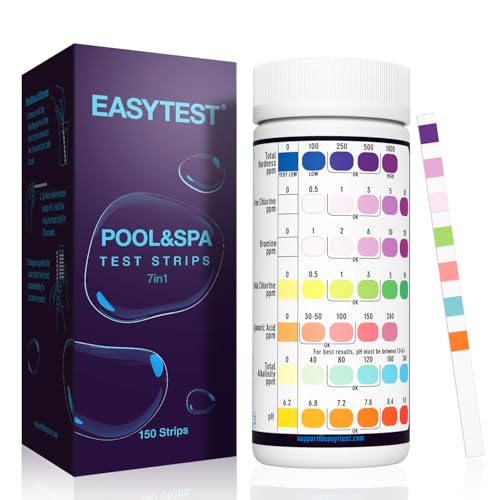
Is Shocking a New Pool Necessary?
New pool owners often assume fresh water equals clean water. While municipal water undergoes treatment, contaminants like bacteria, metals, or organic matter can enter during filling. Construction residues from plaster, fiberglass, or vinyl liners may also linger. Shocking eliminates these unseen threats through oxidation. Saltwater pools have their own set of sanitation concerns. It’s important to consider how effective they are at keeping water clean and safe for swimming.
Crucial Winterizing Products
"The all-in-one solution for a guaranteed clear spring opening."
All-in-One Closing Chemical Kit
Winter demand is high - check stock

"The 'set & forget' option. This is the easiest winterizing I've ever done."
Simple 3-in-1 Winterizing Balls
Winter demand is high - check stock
"Invest once to protect your liner and prevent a swamp in the spring."
Heavy-Duty Winter Pool Cover
Winter demand is high - check stock
Should You Shock a Newly Filled Pool?
Yes. Even crystal-clear water can harbor impurities. Fill water often contains trace phosphates (300-500 ppb) or dissolved metals like copper (0.2-0.4 ppm) that fuel algae or stain surfaces. Shocking with calcium hypochlorite (65-73% available chlorine) or sodium dichlor (56% chlorine + stabilizer) creates a 10+ ppm chlorine surge to oxidize these contaminants.

Key Reasons to Shock After Initial Fill
| Reason | Impact | Optimal Levels |
|---|---|---|
| Neutralize organics | Destroys algae spores, bacteria | Chlorine: 1-3 ppm |
| Oxidize metals | Prevents staining on plaster/fiberglass | Metal sequestrant: 8-12 oz/10k gal |
| Burn off chloramines | Eliminates chlorine smell | Free chlorine 3x combined chlorine |
Do You Need to Shock a New Pool With Chlorine?
Chlorinated pools still require shock treatments. Standard chlorine tabs (trichlor) maintain 1-3 ppm but lack the 10+ ppm burst needed to reach “breakpoint chlorination.” This process destroys combined chlorine molecules (chloramines) formed when chlorine bonds with contaminants. Without shocking, chloramines cause eye irritation and reduce sanitizer efficiency by 40-60%.
Non-chlorine shock (potassium monopersulfate) offers an alternative for pools with cyanuric acid above 50 ppm. It oxidizes contaminants without raising chlorine levels, making it ideal for daytime use. However, chlorine-based shocks remain superior for new pools with unknown contamination levels.
With your water now sanitized, proper chemical balancing becomes vital. Let’s examine how to prepare your pool for shock treatment and maintain ideal conditions.
Preparing Your New Pool for Shocking
Proper preparation ensures shocking delivers results without damaging equipment or surfaces. Freshly filled water lacks critical chemical balance, making pre-treatment vital before introducing shock treatments.
What Chemicals to Add When First Filling a Pool
Start with a metal sequestrant to prevent staining from iron or copper in fill water. Add alkalinity increaser to stabilize pH fluctuations, targeting 80-120 ppm. Follow with calcium chloride if hardness falls below 200 ppm, protecting plaster or fiberglass surfaces. Finally, introduce cyanuric acid (a chlorine stabilizer) at 30-50 ppm to shield chlorine from UV degradation. These steps create a stable foundation for shocking.

Balancing pH Levels Before Shocking
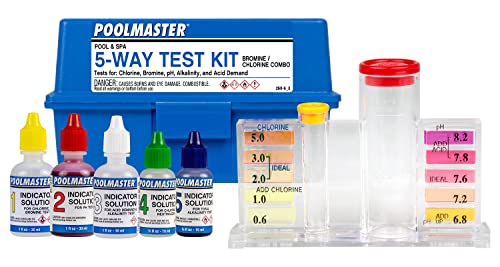
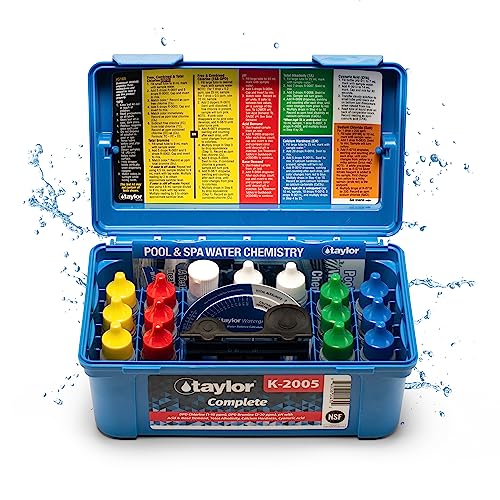
Test pH with a digital kit or test strip, aiming for 7.4-7.6. High pH (above 7.8) reduces chlorine efficacy by 50%—lower it with muriatic acid (1 quart per 10,000 gallons lowers pH by 0.1). Low pH (below 7.2) risks surface etching—raise it with sodium carbonate. Allow 6 hours for chemicals to circulate before shocking. Once the chemicals are balanced, you might consider swimming in a shocked pool for a refreshing experience. A shocked pool will have clearer water and fewer germs, making it safer for everyone.
Ideal Water Conditions for Effective Shocking
Shock works best when total alkalinity sits at 90-110 ppm, calcium hardness at 200-400 ppm, and cyanuric acid below 50 ppm. Water must be clear—cloudiness indicates existing particles that consume chlorine. Run the pump for 12-24 hours to filter debris before adding shock. Temperatures above 65°F accelerate chemical reactions, improving results.
Types Of Pool Shock for New Pools
Selecting the right shock type depends on water chemistry and pool material. Chlorine-based shocks sanitize aggressively, while non-chlorine options oxidize contaminants without altering chlorine levels. Pools need to be maintained properly to keep unwanted organisms at bay. One such organism that can become problematic is control tadpoles, which should be controlled to ensure a healthy swimming environment.
Chlorine-based Shock Options
Calcium hypochlorite (cal-hypo) contains 65-75% available chlorine, adding 5 ppm calcium per pound. Use 1 pound per 10,000 gallons for initial treatments. Sodium hypochlorite (liquid chlorine) offers 10-12.5% strength without calcium buildup—ideal for plaster pools. Dichlor shock (56% chlorine) includes cyanuric acid, suitable for outdoor pools needing stabilizer replenishment. Avoid mixing chlorine types to prevent hazardous reactions. Maintaining proper chlorine levels is crucial for pool safety and cleanliness. A calcium hypochlorite pool provides a reliable way to keep the water sanitized and clear.
Non-chlorine Shock Alternatives
Potassium monopersulfate (MPS) oxidizes contaminants at 1 pound per 10,000 gallons, working in 15 minutes. It’s compatible with saltwater systems and doesn’t fade vinyl liners. MPS won’t kill algae but removes organic waste, making it ideal for weekly maintenance. Bromine-based shocks (22% active) suit hot tubs or indoor pools but aren’t recommended for outdoor setups due to sunlight sensitivity. When considering pool maintenance, it’s also important to think about the size of your pool. The square footage of your pool can affect how much of these chemicals you need to use.
Once you’ve selected the right shock type, proper application techniques ensure maximum effectiveness. Timing and dosage matter just as much as product choice.
Also See: Can You Swim With Floc in the Pool? Know This
Step-by-step Guide to Shocking a New Pool
Shock a new pool after filling to wipe out germs, clear up haze, and kick-start your sanitizer. Let’s break down the steps.
Calculating the Right Shock Quantity
Use 1 pound of shock per 10,000 gallons for a fresh fill. Check the label for exact doses based on chlorine type. For pools with visible algae, double the dose.
How Much Shock to Add Based on Pool Size
| Pool Size (Gallons) | Calcium Hypochlorite (65%) | Sodium Dichlor (56%) |
|---|---|---|
| 10,000 | 1 lb | 1.2 lbs |
| 20,000 | 2 lbs | 2.4 lbs |
| 30,000 | 3 lbs | 3.6 lbs |
Equipment Preparation: Pump and Filter Setup
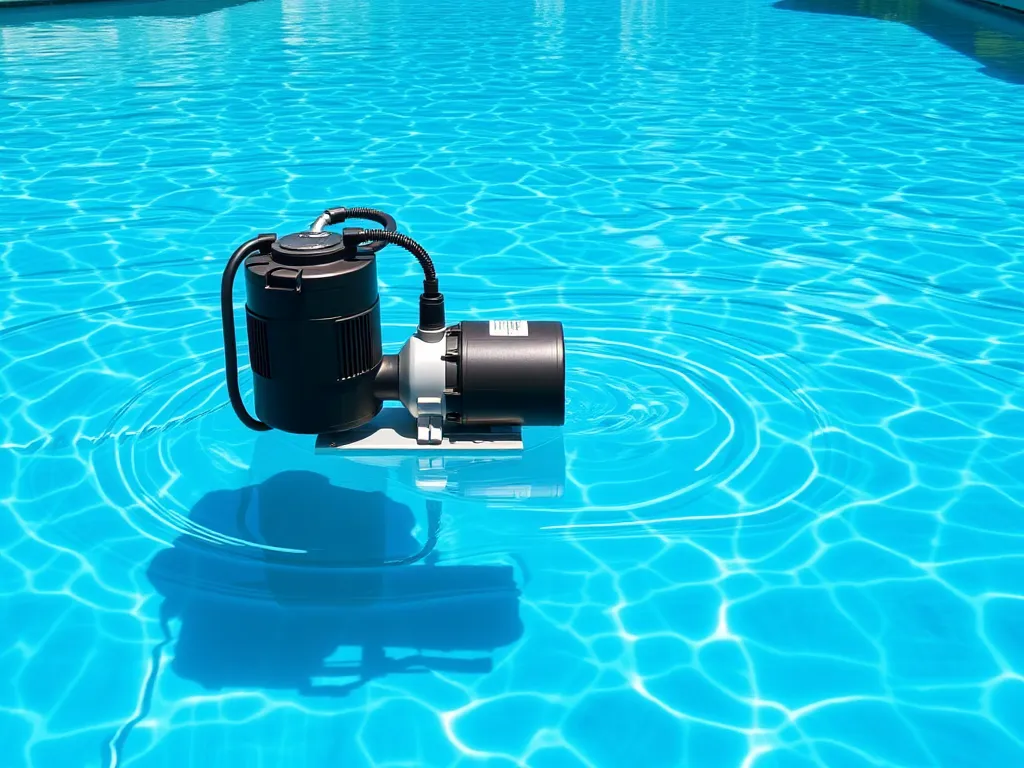
Run the pump for 8-12 hours to mix the shock. Clean or backwash the filter first to avoid clogs. Set valves to “recirculate” if water is murky.
Why Running the Pump is Critical During Shocking
The pump spreads shock evenly and stops hot spots that bleach surfaces. It also pushes debris into the filter. No pump? Shock won’t work right, leaving weak zones.
Troubleshooting Common New Pool Issues
Even new pools can act up. Here’s how to fix two top problems after shock.
How to Shock a Green or Cloudy New Pool
Green water means algae. Boost chlorine to 30 ppm with 3x the normal shock dose. Scrub walls, run the pump 24 hours, and check pH stays under 7.8. Add clarifier if haze lasts. A brown pool can also signal water issues that need attention. Keeping the pool clean and clear helps ensure it’s safe and enjoyable for everyone.
Addressing Persistent Contamination After Shocking
If chlorine drops fast post-shock, test for phosphates (over 500 ppb) or metals (iron, copper). Use a metal sequestrant or phosphate remover. Re-shock if levels dip below 3 ppm. It’s also important to monitor cyanuric acid levels in your pool. Testing and adjusting cyanuric acid can help stabilize chlorine and protect it from UV degradation.
Post-shocking Procedures
After shock, wait and test before diving back in. Skip these steps, and you risk skin burns or dull water.
How Long to Wait Before Swimming
Wait 24 hours or until free chlorine falls under 5 ppm. Use test strips to confirm. For non-chlorine shock (like potassium monopersulfate), swim in 15 minutes if pH is 7.2-7.6. It’s also important to keep an eye on the pool water level. A proper water level helps maintain chemical balance and ensures efficient filtration.
When to Retest Water Chemistry
Test 4-6 hours post-shock. Aim for 1-3 ppm free chlorine, pH 7.4-7.6, and alkalinity 80-120 ppm. If chlorine is zero, repeat shock with a higher dose.
Next up: Learn how to store shock safely and shield your skin during the process.
Safety Measures for Pool Shocking
Shocking a new pool keeps water safe, but the steps need care. Pool shock has strong stuff that can harm skin, eyes, or lungs if used wrong. Let’s break down how to stay safe while handling these chems. It’s also important to learn about shock levels after the initial use. Over shocking a pool can lead to problems, such as cloudy water and irritation for swimmers.
Protective Gear Requirements
Wear gear that shields you from direct contact. Nitrile gloves block leaks better than latex. Use wrap-around goggles to stop splashes. A dust mask helps if you’re using powdered shock, like cal-hypo (calcium hypochlorite). Avoid cloth gloves—they soak up liquids. Change clothes right after if spills occur.
Chemical Storage Best Practices
Store shock in a cool, dry spot away from sun. Keep temps below 95°F to stop bags from clumping or bursting. Never mix shock with other chems like acid or algaecide—this can cause fires or toxic gas. Use sealed bins labeled “oxidizer” and lock them if kids or pets are near. Check dates: most pool shock works for 1-2 years if stored right. Proper maintenance of pool chemicals is key to a clean swimming area. A pool pump heater can help keep your water warm and inviting, ensuring a comfortable swim all season long.
Got your gear on and chems stored safe? Let’s tackle common questions new owners ask after their first shock job.
Frequently Asked Questions
Do You Need to Shock a Fiberglass Pool After Installation?
Yes, fiberglass pools require shocking even though their non-porous surfaces resist algae. Manufacturing residues like mold release agents and installation lubricants can linger in the water, which standard filtration won’t remove. Shocking oxidizes these contaminants and ensures a sanitized surface for swimmers.
Can You Over-shock a New Pool?
Over-shocking is possible and risks bleaching pool liners, damaging filters, or causing skin irritation. Excess chlorine (above 10 ppm) can also corrode metal components. Always calculate shock doses based on pool volume and retest water 4-6 hours post-treatment before adding more. Keeping the right chemical balance is crucial in saltwater pools as well. This balance helps to control harmful bacteria that can thrive in improperly maintained water.
How Often Should New Pools Be Shocked?
After the initial shock, maintain a biweekly schedule for the first 60 days to address residual contaminants. Transition to weekly or event-based shocking (after heavy rain, parties, or visible algae) once water chemistry stabilizes. Test free chlorine levels regularly to adjust frequency. To keep your pool clean in a natural way, consider using natural pool cleaners. These alternatives help maintain clear water without harsh chemicals.
Closing Thoughts
Shocking a new pool ensures your water starts clean and stays balanced. Whether using chlorine-based or non-chlorine shock, proper preparation and dosing are key to eliminating contaminants. Always test water chemistry before and after shocking, and follow safety protocols.
For precise chemical calculations tailored to your pool size, try My Pool Calculator. Our tools simplify maintenance, helping you achieve crystal-clear water from day one.
Establish a shock schedule based on usage and environmental factors. Pair this with routine skimming, brushing, and filter care for a hassle-free swimming season.
Additional Resources for You:
- Pool & Hot Tub Alliance (PHTA) – Industry Standards & Training
- Just finished filling new pool – do I shock it now or wait to get a proper test kit? | Trouble Free Pool
- How Often Should I Shock My Swimming Pool?
- r/pools on Reddit: Do I need to shock my pool when opening if it isn’t green?
- Pool Shock Treatment: Here’s What You Need to Know About Shocking a Pool
A pool care geek who’s been testing water chemistry since she was tall enough to reach the skimmer.
Chlorine, Pool Chemistry, Sanitizers