Can You Shock Your Pool During the Day or Morning? Timing & Guidelines
Published on: February 1, 2026 | Last Updated: November 17, 2025
Written By: Rachael Weatherbottom
Yes, you can shock your pool during daylight hours or early morning, but sunlight reduces chlorine effectiveness—requiring up to 50% more shock to combat UV degradation. While nighttime remains the optimal time for shocking due to minimal sun exposure and lower chlorine burn-off rates, morning treatments (before 10 AM) work better than afternoon sessions if immediate algae control or water clarity restoration is needed. Critical factors include your pool’s current chlorine level, algae severity, and local UV index.
This article breaks down how sunlight impacts shock treatments, compares morning vs. evening chlorine loss rates, and provides scenario-based guidelines. You’ll learn why 90% of professionals recommend nighttime shocking but also discover exceptions—like post-storm algae blooms or heatwaves—where daytime shock becomes necessary. We’ll explore how to adjust calcium hypochlorite or dichlor dosages for 15,000-gallon pools under direct sunlight and share cost-saving strategies to avoid chemical waste.
Dive into UV science with data on how midday sun can degrade 2-4 ppm of chlorine per hour versus 0.5-1 ppm after dusk. Get step-by-step protocols for green pool recovery during daylight, safety timelines for swimming post-shock, and seasonal adjustments for winter vs. summer maintenance. We’ll also show how tools like My Pool Calculator help automate dosage math for your specific pool volume and conditions.
Understanding Pool Shocking Basics
Shock your pool to kill germs, clear haze, and break down waste. This process uses a high dose of chlorine (5-10 ppm or more) to reset water quality. Common shock types include fast-dissolve calcium hypochlorite (65-75% chlorine) or stabilizer-free options like sodium hypochlorite (liquid chlorine). Maintaining a clean pool helps keep unwanted organisms at bay. This includes controlling tadpole populations that can sometimes thrive in pool water.
Crucial Winterizing Products
"The all-in-one solution for a guaranteed clear spring opening."
All-in-One Closing Chemical Kit
Winter demand is high - check stock

"The 'set & forget' option. This is the easiest winterizing I've ever done."
Simple 3-in-1 Winterizing Balls
Winter demand is high - check stock
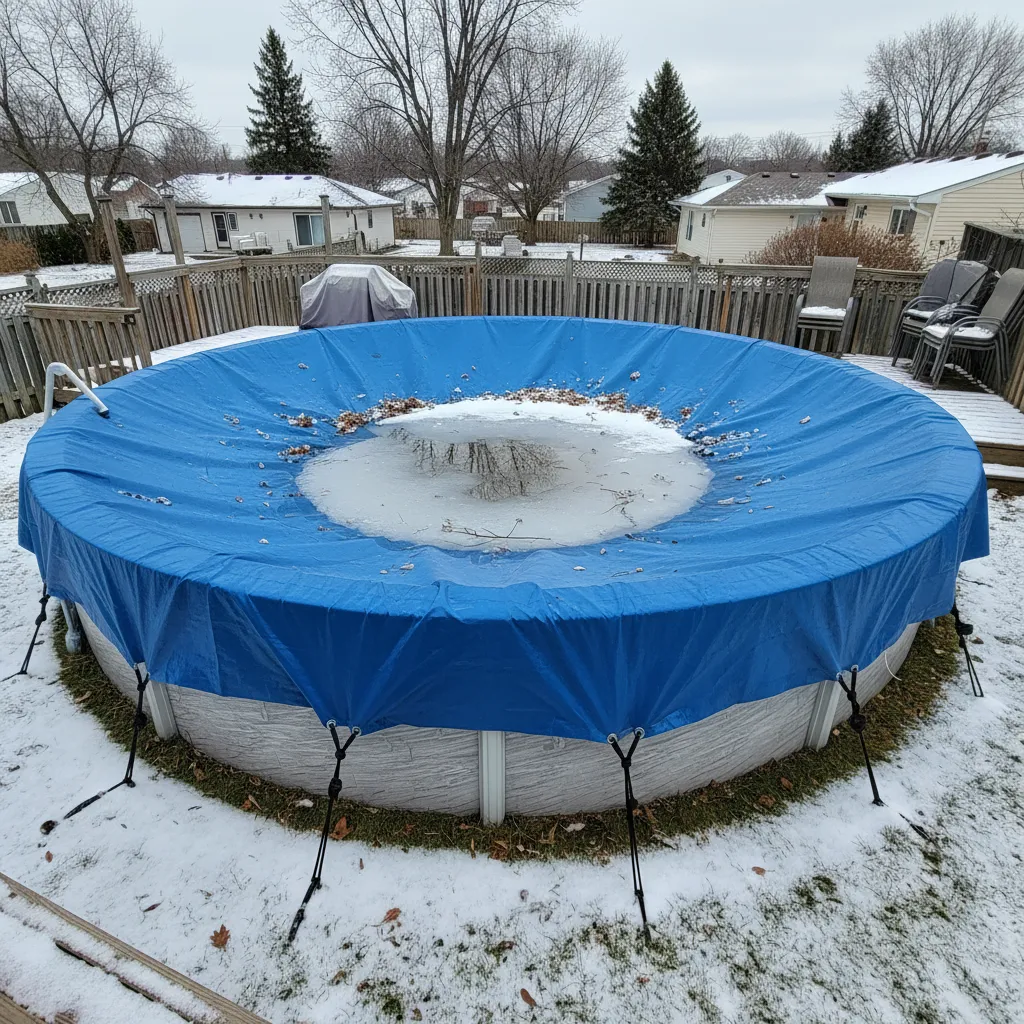
"Invest once to protect your liner and prevent a swamp in the spring."
Heavy-Duty Winter Pool Cover
Winter demand is high - check stock
What is Pool Shocking?
Pool shock is a super-dose of chemicals that wipes out chloramines (bad-smelling compounds) and algae. It works fast to fix green water, eye burn, or cloudy looks. For best results, pick a shock type that fits your pool’s cyanuric acid (CYA) level. High CYA pools need non-stabilized shock to avoid “chlorine lock.”
Why Timing Matters for Effective Shock Treatment
Sunlight eats up chlorine. UV rays break down 90% of free chlorine in 2-3 hours on sunny days. At night, chlorine loss drops to 10-15% per hour since no UV hits the water. Shock works best after sunset when the sun can’t steal your chemicals. But if algae blooms or storms hit, you might need to shock at dawn or midday despite the risks.
Next, let’s break down how sunlight zaps chlorine power and when to bend the rules.
Impact Of Sunlight on Pool Shock Effectiveness
Direct sunlight directly influences how well pool shock works. The sun’s ultraviolet (UV) rays break down chlorine molecules, reducing their power to sanitize water. This process speeds up during peak daylight hours, making timing critical for shock treatments.
How UV Rays Degrade Chlorine During Daylight Hours
UV radiation splits free chlorine into inactive ions. For example, hypochlorous acid—the primary sanitizing agent—loses up to 90% of its strength within two hours under intense midday sun. Stabilizers like cyanuric acid (CYA) slow this breakdown but won’t stop it entirely. Pools with CYA levels below 30 ppm see faster chlorine loss, especially between 10 AM and 4 PM.
Daytime Vs. Nighttime Chlorine Loss Rates
Testing shows chlorine degrades 3-5 times faster under direct sunlight versus darkness. Nighttime treatments lose only 10-15% of free chlorine by sunrise, while daytime shocks lose 50-70% within the same period. This makes UV exposure the top factor in deciding when to shock.
Shock Timing: Morning Vs. Afternoon Vs. Night
Choosing the right time to shock depends on water conditions, weather, and chlorine type. While nighttime remains the gold standard, some scenarios permit daylight treatments with adjustments.
Pros and Cons Of Morning Pool Shocking
Shocking at dawn (5-8 AM) offers cooler temperatures and lower UV intensity than midday. Benefits include:
- Reduced swimmer interference
- Extended contact time before peak sunlight
Drawbacks involve residual UV exposure. For example, a 6 AM treatment still loses 30-40% chlorine by noon if CYA levels are suboptimal.
Why Nighttime Shocking is Often Recommended
Shocking after sunset maximizes chlorine’s sanitizing power. Without UV interference, free chlorine remains active for 8-12 hours, breaking down contaminants like ammonia or chloramines. This is vital for reaching “breakpoint chlorination”—the point where contaminants are fully oxidized.
Midday Shocking: When is It Acceptable?
Daytime treatments work only under specific conditions:
- Overcast days with UV index below 3
- Pools using stabilized chlorine (tablets or granules with CYA)
- Emergency scenarios like severe algae blooms
In these cases, boost the standard dose by 25-50% to offset UV loss. For a 15,000-gallon pool, this means adding 1.5-2 pounds of calcium hypochlorite instead of 1 pound.
Up next: How weather patterns like rain or heat waves influence shock timing and dosage needs.
Also See: Does Rain Increase Alkalinity in Pools? Effects on Ph
Special Scenarios: Weather and Environmental Factors
Pool shock timing gains complexity with shifting conditions. Cloud cover, storms, or soaring temps all impact how chlorine acts in your pool. Planning around this stops chemical waste and boosts sanitation. Chlorine works best when combined with cyanuric acid. This relationship helps stabilize chlorine, making it more effective in keeping your pool clean.
Shocking Pools on Cloudy Days
A thick cloud layer cuts UV radiation by up to 50%, making morning shocks viable. Calcium hypochlorite (65% strength) stays active 2-3 hours longer compared to sunny days. This allows a 7 AM treatment to work before midday light appears. Always confirm pH sits at 7.2-7.6 first for maximum oxidization.
Post-rain Shock Treatments
Rain adds 500-1,500 gallons of water to a typical pool, diluting chlorine by 30%. Contaminants like pollen or bird droppings also pour in. Shock right after storms using 2 lbs of sodium dichlor (56% available chlorine) per 10,000 gallons. Circulate water for 4 hours post-treatment to combat diluted chemical impact. Keeping ducks away is also important for pool maintenance. Setting up barriers or using repellents can help deter ducks from swimming in your pool.
High Temperatures and Sun Exposure Risks
At 90°F+, chlorine burns off 70% faster than at 75°F. Combine this with strong sun, and a morning shock might last just 90 minutes. For pools in Arizona or Texas, using cyanuric acid stabilizer (30-50 ppm) helps. But during algae blooms, skip stabilizers to allow shock to attack organics directly.
Shock Dosage and Calculation
Daytime shock amounts must offset UV loss. Typical pools need 25% more product than night dosing. Digital test kits or apps like My Pool Calculator factor in gallons, current chlorine ppm, and weather for accuracy. Keeping your pool’s pH balanced is also important. Using a muriatic acid pool calculator can help you determine how much acid you’ll need to adjust the pH properly.
Standard Dosage Guidelines for Daytime Use
For light sanitation (1-2 ppm chlorine boost), add 12 oz of lithium hypochlorite per 10,000 gallons. Heavy contamination calls for 2 lbs of calcium hypochlorite. Always distribute granules across deep zones, not near skimmers, to avoid surface damage.
Adjusting Shock Amounts for 15,000-gallon Pools
A 15k pool with mild algae needs 2.25 lbs of cal-hypo (73% strength) at dawn. If shocking at 10 AM with full sun, bump it to 3 lbs. Liquid chlorine (12.5% sodium hypochlorite) requires 1.5 gallons but acts faster – ideal for midday urgency. Pool size plays a big role in how much chemical to use. Knowing the square feet of your pool can help ensure you apply the right amount for effective treatment.
Boosting Dosage for Green/algae-infected Pools
Green pools demand 3x normal shock levels. For a 20k-gallon pool, mix 6 lbs of cal-hypo with 2 lbs of algaecide. Apply at first light, brushing walls hourly until cloudiness fades. Retest at noon; if chlorine drops below 5 ppm, add another 3 lbs. However, it’s important to be cautious with chlorine levels. Too much chlorine can cause the pool to turn green and may lead to skin irritation or damage to pool equipment.
Addressing Algae and Water Quality Issues
Algal growth complicates shock timing. Morning treatments must work fast before photosynthesis ramps up. Combining mechanical and chemical tactics yields top outcomes.
Frequency Of Shocking to Eliminate Algae
Stubborn algae requires 48-hour cycles. Shock at 6 AM, let the pump run 8 hours, then repeat next dawn. Maintain 10 ppm chlorine until water clarity returns. For black algae, pair brushing with copper-based algaecide post-shock.
Step-by-step Green Pool Recovery Process
1) Test pH – adjust to 7.2 using muriatic acid. 2) Brush all surfaces to disrupt biofilm. 3) Add 4 lbs of shock per 10k gallons at 5 AM. 4) Run filtration non-stop. 5) Vacuum debris by noon. 6) Retest at 3 PM; add another 2 lbs if chlorine dips below 5 ppm.
Upcoming parts discuss how cold months or summer humidity shift shock routines. Tools for adapting your approach await in following sections.
Seasonal Considerations for Pool Shocking
Pool owners must adapt shock routines as conditions shift with cold and warm months. Variations in sunlight intensity, water temps, and organic load impact how chlorine acts post-treatment. One important aspect of pool maintenance is ensuring that check the salt level is appropriate. Regularly checking the salt level helps keep the pool water balanced and clean.
Winter Shocking Frequency and Adjustments
Cold weather slows bacterial growth but demands distinct shock tactics. For pools staying open in frost, aim for a shock job every 2–3 weeks using calcium hypochlorite (cal-hypo) at 1 lb per 10,000 gallons. Covered pools may only need monthly dosing. UV rays hold 40–50% less strength from November to February, allowing midday shock jobs without rapid chlorine burn-off. Always confirm pH stays at 7.4–7.6 post-shock to avoid scaling on tiles or liners. Keeping your pool water clean and safe is essential, especially during colder months. Utilizing calcium hypochlorite effectively helps maintain water clarity and prevents algae growth.
Summer Maintenance: Balancing Sunlight and Chlorine Demand
July UV radiation can zap 90% of free chlorine in 2 hours without cyanuric acid (CYA), a stabilizer. If shocking during daylight, boost CYA to 40–50 ppm and apply 25–30% more shock—like 2 lbs of dichlor for a 15,000-gallon pool. Prioritize mornings just past sunrise: water sits below 80°F, slowing initial chlorine loss. Avoid post-10 AM shock jobs in zones with UV index above 8. For pools battling algae, double shock quantity regardless of timing.
Safety and Best Practices
Daylight shock jobs carry unique risks but can work with planning. Focus on surface protection and strict swim bans until chemicals drop to safe thresholds.
Protecting Pool Surfaces During Daylight Treatments
Granular shock left undissolved can stain plaster or bleach vinyl. Pre-dissolve cal-hypo in a 5-gallon bucket before broadcasting. For fiberglass or painted pools, opt for liquid chlorine (sodium hypochlorite) at 12.5% strength—it mixes rapidly and cuts residue risk. Brush walls twice post-application to stop granules from settling. If pH climbs above 7.8 post-shock, add 1 cup muriatic acid per 10,000 gallons to avoid surface etching. Keeping a pool well-maintained is crucial for its longevity. Using a flex seal pool liner can help protect against leaks and maintain clean water.
Swim Safety Timelines After Daytime Shocking
Chlorine levels must fall below 5 ppm prior to swimming. Daytime UV speeds this drop but creates variability. With CYA at 40 ppm, a midday shock job hitting 10 ppm free chlorine typically clears for swimming in 8–12 hours. Without stabilizer, sunlight may cut wait periods to 4–6 hours. Always confirm with a FAS-DPD test kit—strips lack accuracy for high chlorine readings. For pools shocked post-dawn, lock covers for 3 hours post-treatment to block kid or animal access. Proper maintenance is essential for ensuring the longevity of your pool. Taking care of chlorine levels contributes to the overall lifespan of your inground pool.
Following these protocols allows pool owners to act swiftly on water quality issues, day or night. Upcoming FAQs will clarify common myths about shock timing and chemical waste.
FAQs: Daytime and Morning Pool Shocking
Can I Shock My Pool at 8 AM Before Work?
Yes, shocking at 8 AM is feasible if you adjust dosage. Morning treatments between 6–10 AM lose 25–40% less chlorine than midday sessions. Use stabilized shock (like dichlor) and increase dosage by 20% to offset UV loss. Ensure the pump runs for 4–6 hours post-shock to circulate chemicals before peak sunlight hits.
Will Daylight Shock Treatments Waste Chemicals?
Daylight shock can waste 30–50% of chlorine due to UV breakdown, depending on stabilizer levels. To minimize waste, use cyanuric acid (30–50 ppm) and opt for lithium hypochlorite—it degrades slower than cal-hypo. Cloudy days reduce loss to 15–20%, making treatments more efficient.
How Quickly Does Sunlight Neutralize Daytime Shock?
Direct sun neutralizes 2–4 ppm of chlorine hourly in unstabilized pools. With CYA (40 ppm), loss slows to 0.5–1 ppm per hour. For example, a 10 AM shock at 10 ppm in a stabilized pool retains 6–8 ppm by 2 PM, whereas unstabilized pools drop to 2–4 ppm. Maintaining proper chlorine levels is essential for pool hygiene. This is especially important when managing saltwater pools, as bacteria can thrive if chlorine levels are not kept in check.
Can You Shock Twice in 24 Hours if Needed?
Yes, double shocking is safe for severe algae or post-storm contamination. Wait 8–12 hours between treatments, retest chlorine levels, and ensure pH stays below 7.6. For 15,000-gallon pools, add 50% more shock on the second dose to counter residual organics. It’s also important to consider the type of equipment and accessories you use in the pool. For instance, pool toys, like pool noodles, have weight limits that affect their performance in the water.
Closing Thoughts
Shocking your pool during daylight hours is possible with proper adjustments—higher chlorine doses, reduced sun exposure, and careful monitoring. Morning treatments work when balanced with extra stabilizer (cyanuric acid), while evening shocks remain ideal for maximum efficiency.
For precise calculations tailored to your pool’s volume, sunlight exposure, and algae levels, try the free tools at My Pool Calculator. Get exact shock dosage recommendations and timing strategies based on real-time conditions.
Whether handling an emergency green pool or routine maintenance, smart timing paired with accurate measurements keeps water crystal clear without wasting chemicals. Adapt these guidelines to your schedule while respecting chlorine’s battle against UV rays.
Useful References for You:
- Lowry, R. (2018). Pool Chemistry for Service Pros: The Ultimate Guide to Water Balance. Laguna Hills, CA: Pool Chemistry Training Institute.
- How Often Should You Shock Your Pool? We Share the Best Practices
- Signs You Need To Shock Your Swimming Pool – Sundance Spas of Edmonton
- How soon after shocking a pool can I swim in it? Essential rules for safe bathing | Homes & Gardens
- r/swimmingpools on Reddit: so i need to shock… do i wait til night?
A pool care geek who’s been testing water chemistry since she was tall enough to reach the skimmer.
Chlorine, Pool Chemistry, Sanitizers