Can You Use Pool Water to Put Out a Fire? What Pool Owners Need to Know
Published on: March 1, 2026 | Last Updated: November 17, 2025
Written By: Rachael Weatherbottom
Yes, pool water can be used to extinguish certain fires in emergencies, but chlorine levels and fire type matter. Untreated water suppresses flames by cooling fuel sources below ignition points, and pool water works similarly—even with typical chlorine concentrations (1-3 ppm). Small Class A fires (wood, paper) may be manageable, but avoid using it on electrical or grease fires due to conductivity risks and splash hazards. Always prioritize safety: use buckets, pumps, or hoses to move water, and know when to evacuate if flames spread.
This article breaks down when and how pool water becomes a viable firefighting tool. Learn how chlorine interacts with flames, why water chemistry matters less than volume during emergencies, and which fire types respond best to aquatic suppression. We’ll explore real-world examples where pools became critical resources during wildfires and structure fires—and when they fell short.
Beyond practicality, we’ll cover legal protections for homeowners, maintenance steps after using pool water, and why firefighters sometimes bypass pools for hydrants. Discover how to prep your pool for emergency access, what laws protect “borrowed” water usage, and why pH balance matters post-fire. Whether you’re in wildfire-prone areas or just planning ahead, these insights could reshape your emergency strategy.
Effectiveness Of Pool Water in Firefighting
Pool water can act as a tool to fight fires, but its use depends on the type of fire, water volume, and access. A standard 20,000-gallon pool holds enough water to fill 4-5 fire trucks. This makes it a key source when other options are scarce.
Crucial Winterizing Products

"The all-in-one solution for a guaranteed clear spring opening."
All-in-One Closing Chemical Kit
Winter demand is high - check stock

"The 'set & forget' option. This is the easiest winterizing I've ever done."
Simple 3-in-1 Winterizing Balls
Winter demand is high - check stock
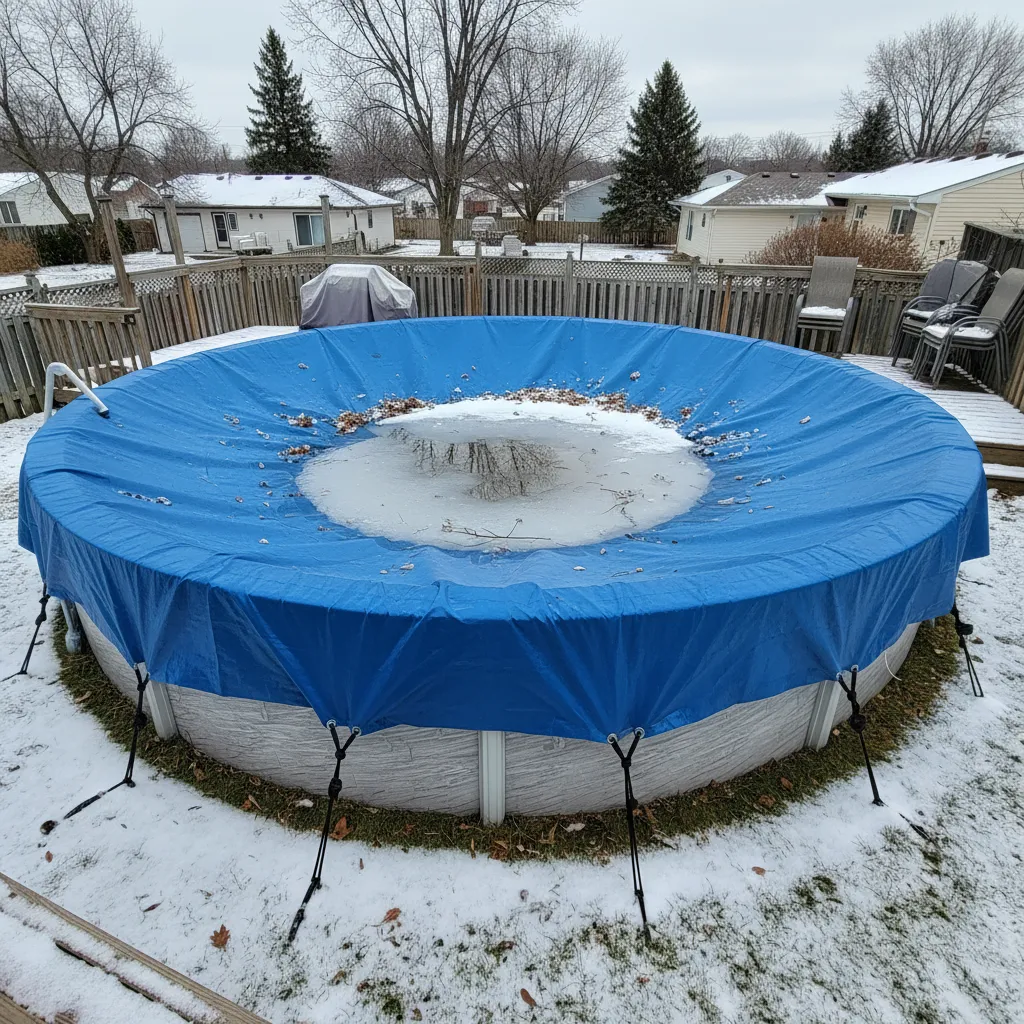
"Invest once to protect your liner and prevent a swamp in the spring."
Heavy-Duty Winter Pool Cover
Winter demand is high - check stock
Does Pool Water Work to Extinguish Fires?
Yes, pool water cools flames by lowering heat below the fire’s flash point. But speed matters. A garden hose moves 5-10 gallons per minute (GPM), while fire pumps need 150+ GPM. Pool water lacks pressure but offers bulk volume. For small fires, a bucket or hose may work. For large blazes, pumps or fire crews are needed to move enough water fast.
Impact Of Pool Chemicals (Chlorine) on Fire Suppression
Pool chlorine (1-3 ppm) is too weak to harm most fires. But high chlorine levels from shock treatments (10+ ppm) can release toxic fumes when heated. Saltwater pools use sodium chloride, which may form chlorine gas if burned—a rare risk in open-air fires. Always tell firefighters about recent chemical treatments to avoid health risks. The way chlorine interacts with cyanuric acid is important for pool safety. Cyanuric acid helps stabilize chlorine, making it more effective while minimizing harmful effects.
Types Of Fires Where Pool Water May Be Effective
Pool water works best on Class A fires (wood, paper, fabric). Avoid using it on:
| Fire Type | Pool Water Use |
|---|---|
| Class B (gas, oil) | Not safe—water spreads flames |
| Class C (electrical) | Risk of shock |
| Class K (cooking grease) | May splatter burning oil |
In wildfires, crews use pools via helicopters or pumps. A “Bambi Bucket” can grab 100-2,600 gallons per dip from pools.
While pool water can help stop flames, safety risks must be weighed. Next, we’ll cover how to use it without harm.
Safety Considerations When Using Pool Water for Fires
Pool water might look like a quick fix for flames, but its chemical makeup brings unique risks. Chlorine levels, algaecides, and pH balancers can transform a rescue try into a hazardous situation if not handled right. It’s also important to check the salt level in your pool. Regularly checking the salt level ensures the water remains safe and enjoyable for swimming.
Risks Of Chemical Exposure During Firefighting
Chlorine in pools (typically 1-3 ppm) reacts with intense heat, releasing toxic gases like chloramines. Skin contact with leftover concentrated chemicals post-evaporation may cause burns or irritation. Saltwater pools add sodium hypochlorite to the mix, which can form corrosive compounds when heated. Always wear gloves and masks if attempting to fight flames with this water. It’s important to also consider the bacterial balance in saltwater pools. This balance can be affected by various factors, which may lead to issues if not managed properly.
Health Hazards From Evaporated Pool Chemicals
As pool water hits flames, rapid evaporation turns liquid treatments into airborne particles. Inhaling this mist might trigger lung inflammation or throat damage. High cyanuric acid levels (common in stabilized chlorine) worsen air quality by slowing chemical breakdown. Those with asthma or heart conditions should avoid proximity to smoke from pool-water-doused fires. This also raises concerns about inconsistent chlorine readings in pool water. Inconsistent chlorine readings can indicate potential problems with pool maintenance and safety.
Steps to Use Pool Water in Fire Emergencies
Having a plan boosts your odds of using pool water without worsening the crisis. Focus on access, tools, and coordination with local fire crews.
Preparing Your Pool for Emergency Access
Install a suction point near the pool’s deep end—a 2.5-inch fire department connection (FDC) port allows pros to hook up hoses fast. Keep your pool at least 80% full during fire season, and trim plants blocking access. Post visible signage listing pool volume (gallons) and recent chemical readings so responders act with full data. Additionally, considering the safety of a heat stock tank pool is essential. These pools offer a unique way to enjoy warm water while ensuring easy access for emergency situations.
Methods to Transport or Pump Pool Water
For small fires, a 1.5 HP portable pump ($200-$500) can move 50-100 GPM into buckets or hoses. Larger blazes might need fire crews drafting directly via tankers or drafting hoses. Gravity-fed siphons work but lack pressure—pair with a gasoline-powered pump for better flow. Avoid standard garden hoses; their 5-10 GPM output rarely makes a dent in serious flames.
Grasping these protocols matters, but so does knowing how local fire teams might tap your pool during crises. Up next: rules and tools that shape professional use of residential water sources.
Also See: Do You Remove Skimmer Basket When Vacuuming Pool?
Firefighters and Pool Water Access
When flames threaten properties, firefighters often turn to unconventional water sources. Residential pools become potential tools for rapid response teams. Let’s explore how crews interact with these resources.
Can Firefighters Legally Use Your Pool Water?
Fire departments operate under legal doctrines like “implied consent” during emergencies. While laws differ by state, most jurisdictions permit water usage without explicit owner approval when lives or structures are at risk. Crews might deploy portable pumps or connect hoses directly to pool systems. Property owners might receive compensation later through municipal programs, though this isn’t guaranteed.
Helicopter Water Collection From Pools
Wildfire-fighting helicopters equipped with Bambi Buckets can collect up to 400 gallons per dip from pools. Pilots prioritize large, unobstructed bodies of water visible from the air. Pool owners in fire-prone regions might mark their pools with reflective signs or flags to signal availability. This method works best for combating brush fires rather than structural blazes due to targeting precision limits.
Effectiveness Of Pool Fire Hose Pumps
Modern fire engines carry centrifugal pumps capable of drafting water from pools up to 20 feet below the truck’s position. These systems move 500-1,500 gallons per minute depending on hose diameter and pump capacity. Success requires proper suction hose connections – pools lacking dedicated drain ports might need specialized fittings. Crews typically pair this with Class A foam concentrate to boost fire suppression power.

Impact on Pool Maintenance After Firefighting
While helpful in crises, firefighting operations leave pools needing extensive care. Draining thousands of gallons disrupts chemical balance and structural integrity.
Chemical Imbalance and Water Level Issues
Removing 5,000+ gallons slashes chlorine levels below the 1-3 ppm safe range. pH often spikes above 7.8 due to ash contamination. Plaster pools risk surface damage if water drops below tile lines. Vinyl liners wrinkle or shift when levels fall rapidly. Fire retardants or foam residues might introduce phosphates, spurring algae growth. With warmer weather approaching, it’s important to consider how these factors affect recreational spots. The Hancock Springs Pool will open soon, providing a great opportunity for families to enjoy swimming this season.
Post-fire Cleaning and Refilling Procedures
Start with debris removal using fine nets or pool vacuums. Test water for cyanuric acid, calcium hardness, and total dissolved solids. Shock treatments up to 30 ppm chlorine clear organic contaminants. Expect filter cartridge replacements after processing soot particles. Refilling costs range from $100-$400 for 10,000 gallons, plus chemical rebalancing expenses. Installing a pool chiller can add to your overall costs. It’s important to consider both equipment and maintenance expenses when budgeting for your pool.
Alternatives to Using Pool Water for Firefighting
Municipal systems and mobile reservoirs provide primary water sources. These options reduce strain on private pools during extended fire events.
Fire Hydrants and Municipal Water Sources
Standard hydrants deliver 500-1,500 gallons per minute through 4-6 inch connections. Pressure remains consistent due to grid-linked supply lines. Fire crews map hydrant locations using GIS systems, prioritizing these over pools for sustained operations. Some cities install dry hydrants in ponds or lakes for rural fire suppression.
Portable Water Tanks for Emergency Use
Foldable bladder tanks holding 500-5,000 gallons get positioned near fire zones. Tanker trucks shuttle water from fill sites to these reservoirs. This relay system maintains continuous flow without draining residential pools. Newer models include insulated designs preventing winter freeze-ups in cold climates.
While pools serve as emergency resources, legal questions arise about liability and regulations. Let’s examine the rules governing these situations…

Legal Implications Of Pool Water Use in Emergencies
Using pool water to fight fires raises legal questions. Owners must weigh risks tied to property harm, health claims, and local rules. Let’s break down key issues.
Liability for Property Damage or Injuries
If someone gets hurt while hauling pool water for fire control, you could face a lawsuit. Slips on wet decks, pump mishaps, or burns from hot spray may lead to tort claims. Most states shield helpers under “Good Samaritan” laws if acts are reasonable. But if your pool has broken tiles, loose wires, or poor upkeep, courts may find you at fault. It’s also crucial to consider the distance between your pool and septic system. Proper spacing helps prevent contamination and keeps everyone safe.
Chemicals add another layer. Chlorine burns from splashed water or lung harm from fumes could trigger suits. A 2022 Texas case fined a homeowner $15K when a neighbor’s kid had asthma flare-ups after fire crews used their pool. Check your home insurance for “water diversion” clauses – some void claims if you bypass pros.
State Laws Governing Emergency Water Access
Rules vary by region. California’s Fire Code 506.2 lets crews take pool water without consent during “imminent peril.” Florida needs written owner OK unless flames threaten life. Arizona lets fire teams grab water but requires notice within 24 hours post-event.
- In drought zones (NV, UT), fines up to $500 apply for non-emergency use
- HOA rules may ban fire hoses hooked to pool pumps
- Private ponds vs. pools: MA treats them the same; GA does not
Talk to local fire marshals or a land use lawyer to map your risks. Some towns offer “pool tags” – green signs mean you pre-approved water access.
After handling legal concerns, pool owners face a new challenge: restoring their water post-fire. Let’s explore steps to fix chem balance and clear debris.
FAQ: Using Pool Water to Fight Fires
Can Pool Water Be Used to Extinguish a Car Fire?
Pool water is not recommended for car fires, which often involve flammable liquids (Class B) or electrical systems. Using water can spread burning oil or fuel, increasing risks. Always wait for professional firefighters equipped with foam or dry chemical extinguishers.
Are There Additives to Enhance Pool Water’s Firefighting Effectiveness?
Avoid adding substances to pool water, as household chemicals (like dish soap) may create toxic fumes. Firefighters sometimes inject Class A foam into water supplies, but this requires specialized equipment and training. To keep your pool safe and clean, regular maintenance is important. Weekly pool service helps ensure that water quality remains at its best.
How Quickly Can Homeowners Deploy Pool Water During a Fire?
Deployment speed depends on preparation. With a pre-installed pump or suction hose, water can be accessed in under 5 minutes. Bucket brigades are slower, moving roughly 1-2 gallons per trip—ineffective for large fires.
What Precautions Are Needed When Using Pool Water Near Children or Pets?
Keep children and pets away due to chemical exposure risks. Evaporated chlorine and debris-laden water can irritate eyes and lungs. Designate a safe zone upwind of the fire and pool area during emergencies. It’s also important to maintain your pool’s water quality effectively. Running your Pentair pool pump for 24 hours can help ensure clean and safe water for everyone.
Does Water Temperature Impact Pool Water’s Ability to Fight Fires?
Cooler water absorbs heat slightly faster, but temperature differences in residential pools (70-85°F) have minimal impact. Focus on water volume and delivery speed rather than temperature for effective suppression. In various situations, using a float pool system can help manage water levels more effectively. A float pool system allows for the easy adjustment of water flow, ensuring optimal performance.
Is It Safe to Use Pool Water if the Fire Involves Hazardous Chemicals?
No. Pool water can react unpredictably with burning chemicals, releasing toxic gases. Fires involving pesticides, solvents, or industrial materials require professional hazmat teams. Evacuate immediately and alert responders about the hazardous substances involved. It’s important to keep in mind that the chemicals in your pool also have a lifespan. Proper care can help extend the life of products like Pool RX, ensuring your pool remains safe and enjoyable.
Closing Thoughts
Pool water can serve as an emergency firefighting resource, but effectiveness depends on fire type, chemical levels, and access methods. While chlorine-treated water won’t hinder most fire suppression, evaporated chemicals may pose respiratory risks. Firefighters often use pools as auxiliary water sources—especially in wildfire zones—via pumps or helicopter drafting.
Post-fire, expect chemical imbalances and potential debris. Test and rebalance water promptly, or drain and refill if heavily contaminated. Always prioritize municipal sources or portable tanks when available to avoid pool damage.
For precise calculations on post-fire water volume adjustments or chemical rebalancing, explore tools at My Pool Calculator. Stay prepared, but stay safe—your pool is a last-resort solution, not a primary firefighting tool.
Useful References for You:
- Tamminen, T. (2019). The Complete Pool Manual for Homeowners: A Step-by-Step Maintenance Guide. New York, NY: Skyhorse Publishing.
- Swimming Pool as Fire Protection Water Supply?
- Pool Water, Pump Can Save Home in Fire – Los Angeles Times
- Firefighting helicopters in California can use swimming pool water to put out fires | Trouble Free Pool
- Chlorinated Water – Firehouse Forums – Firefighting Discussion
A pool care geek who’s been testing water chemistry since she was tall enough to reach the skimmer.
Pool Cleaning & Maintenance, Water Level Management