Does Pool Water Kill Grass? How to Protect Your Lawn From Salt &Amp; Chlorine Damage
Published on: March 21, 2026 | Last Updated: November 17, 2025
Written By: Rachael Weatherbottom
Yes, pool water can kill grass when chlorine levels exceed 0.1 parts per million (ppm) or salt concentrations rise above 200 ppm. Chlorine dries out grass blades and roots, while salt absorbs moisture from soil, creating a toxic environment. The risk depends on chemical strength, how often water splashes or drains onto the lawn, and your soil’s drainage speed. But with smart practices—like redirecting runoff, timing pool drainage after rainfall, or planting salt-resistant grass—you can protect your yard.
This article explains how chlorine and saltwater damage grass, breaks down safe chemical thresholds, and reveals practical fixes. You’ll get data-backed guidance: for example, draining a chlorinated pool requires waiting 7–10 days after shock treatment, and saltwater dilution needs a 10:1 freshwater ratio to prevent soil harm.
We’ll cover ways to shield your lawn during pool maintenance, like installing barriers or using gypsum to neutralize salt. You’ll also learn recovery steps for damaged grass, including soil flushing techniques and reseeding timelines for tough varieties like Bermuda or St. Augustine grass. From prevention to repair, these strategies keep both your pool and lawn thriving.
Understanding How Pool Water Affects Grass
Pool water can impact grass in ways many don’t anticipate. Both chlorinated and saltwater pools carry risks, but outcomes hinge on what’s in the water, how much hits the lawn, and how often it occurs.
Crucial Winterizing Products
"The all-in-one solution for a guaranteed clear spring opening."
All-in-One Closing Chemical Kit
Winter demand is high - check stock

"The 'set & forget' option. This is the easiest winterizing I've ever done."
Simple 3-in-1 Winterizing Balls
Winter demand is high - check stock
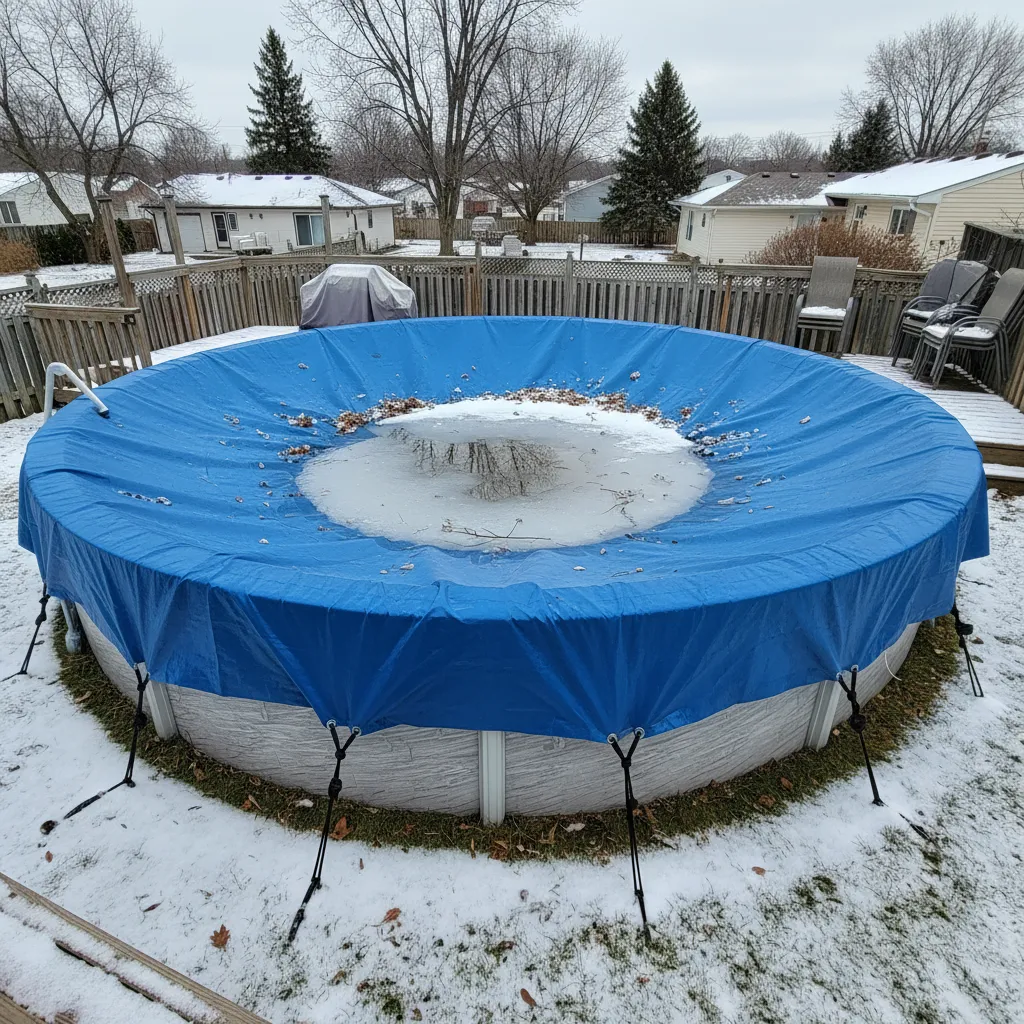
"Invest once to protect your liner and prevent a swamp in the spring."
Heavy-Duty Winter Pool Cover
Winter demand is high - check stock
Does Pool Water Kill Grass?
Not always—but it can. Chlorine and salt act as primary culprits, with high amounts causing harm. A splash from a cannonball or a draining mishap might not ruin turf right away. But chronic spills or big dumps of pool water? That’s a path to brown patches or lasting soil harm. Considering the implications for landscape, pool sanitation methods warrant close attention. Evaluating their pros and cons can help ensure a balance between pool enjoyment and environmental health.
Key Factors: Chlorine, Salt, and Chemical Concentration
Chlorine, a common pool sanitizer, burns grass at concentrations above 0.1 ppm (parts per million). Most pools run 1-3 ppm, so undiluted water poses a risk. Saltwater pools, using sodium chloride for sanitation, hold salinity around 3,000-6,000 ppm—much lower than ocean water (35,000 ppm) but still harmful with constant contact. Many pool owners are now considering algaecide options for their saltwater pools. Algaecides can help prevent and treat algae growth, keeping the pool water clean and clear.
How chemicals hit your lawn matters. A one-time spill may only singe blades if rinsed fast. But repeat salt buildup? It’s a slow killer. Salt pulls moisture from roots, drying soil until grass can’t thrive. Chlorine, though volatile, lingers less in soil but can shock plants on contact.
Pool additives like algaecides or pH balancers add complexity. Copper-based algaecides, for instance, stay in soil long-term, blocking nutrient uptake. Always check product labels for heavy metals or non-organic compounds that might amplify harm.
Grasping how varying factors impact turf sets up a path to diving into chlorinated pools’ particular risks.
Chlorinated Pool Water Vs. Grass Health
Chlorinated water introduces sodium hypochlorite or stabilized chlorine tablets (trichlor) into pool systems. These chemicals maintain water clarity but pose unique risks to surrounding grass. The interaction between chlorine and lawn health depends on concentration levels, exposure frequency, and grass species. One aspect to consider is the salt level in your pool. Regularly checking the salt level can help ensure both your pool’s cleanliness and the health of your grass.
How Does Chlorine Affect Grass?
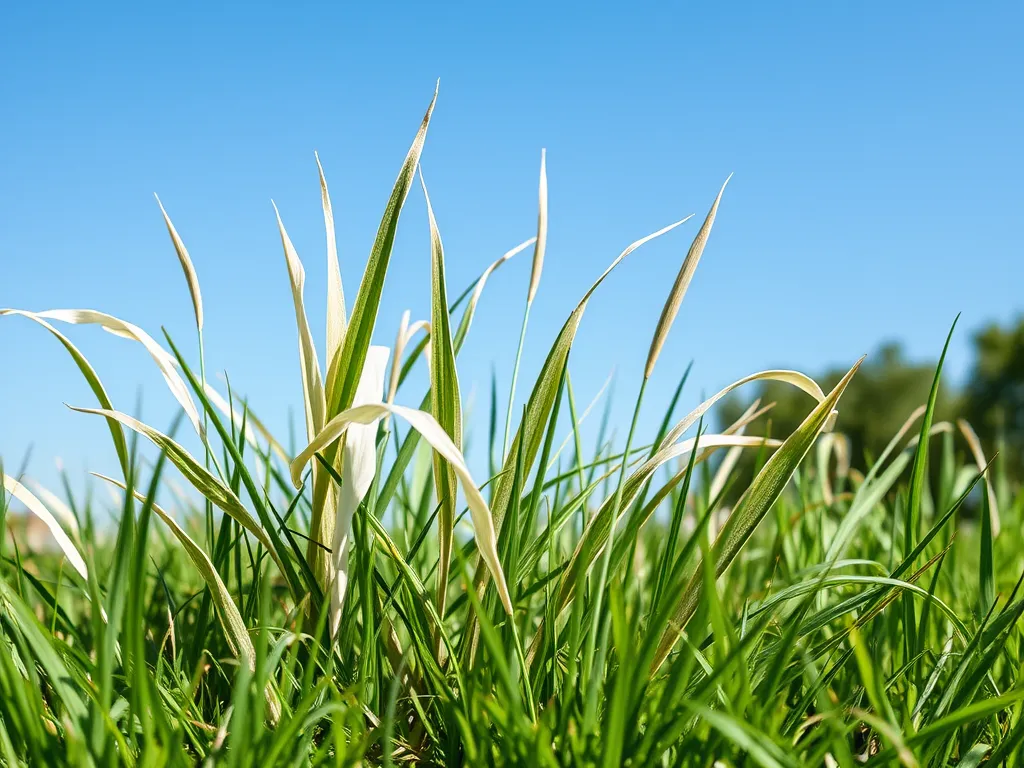
Chlorine disrupts photosynthesis by damaging chlorophyll pigments in grass blades. Prolonged contact with concentrations above 0.1 parts per million (ppm) – a measure of chemical concentration – burns leaf tissues, causing yellowing or browning. Sensitive grasses like Kentucky bluegrass show damage faster than salt-tolerant varieties such as tall fescue.
Safe Chlorine Levels for Lawn Exposure
Grass tolerates occasional splashes of pool water containing 1-3 ppm chlorine (standard pool levels). Chronic exposure above 5 ppm creates cumulative damage. To minimize risk, test chlorine concentration with a digital meter before allowing water contact. Readings below 0.5 ppm are generally safe for most turfgrass.
Will Diluted Chlorine Kill Grass or Weeds?
Diluted chlorine solutions (50% pool water + 50% fresh water) can suppress weeds but aren’t selective. A 2018 University of Florida study found 10:1 water-to-bleach ratios eliminate 80% of broadleaf weeds within 72 hours but also harm nearby grass. Always apply targeted sprays directly to weeds, avoiding lawn overspray.
How Fast Does Chlorine Damage Grass?
Visible damage appears within 24-48 hours for concentrations exceeding 5 ppm. Early signs include wilted blades and bleached tips. Severe cases show root zone contamination, detectable through soil tests measuring chloride ions above 30 mg/kg. Flush affected areas with 10-15 gallons of fresh water per square yard immediately after exposure.
Saltwater Pool Effects on Grass and Plants
Saltwater pools use sodium chloride concentrations of 2,500-4,000 ppm – roughly 1/10th seawater salinity. While less toxic than chlorine in short bursts, salt accumulation in soil creates osmotic stress, preventing roots from absorbing water efficiently. For those looking to maintain a clean pool, liquid chlorine salt pool can be a great option. A liquid chlorine salt pool combines the benefits of both, providing clear water while managing salinity levels.
Does Pool Salt Kill Grass?
Yes, at concentrations above 200 ppm in soil. A single backwash event from a saltwater pool releases ~1,500 ppm saline water. Bermuda grass and seashore paspalum tolerate up to 500 ppm, while ryegrass dies at 300 ppm. Install a conductivity sensor ($45-$120) to monitor soil salt levels near pool edges.
Saltwater Pool Overflow and Grass Damage
Overflow from heavy rainfall or splashing deposits 0.25-0.5 lbs of salt per square foot annually. Rinse affected zones with low-sodium water (under 50 ppm) within 12 hours to prevent crystallization. For established salt contamination, apply gypsum (calcium sulfate) at 20-40 lbs per 1,000 sq ft to displace sodium ions.
Will Saltwater Kill Plants Near the Pool?
Salt-tolerant species like daylilies, yucca, or oleander survive sodium levels up to 1,000 ppm. Avoid hydrangeas, ferns, or roses within 8 feet of saltwater pools. Create raised beds with 6-inch berms lined with geotextile fabric to divert salt runoff from root zones.
Next, let’s explore methods to safely drain pool water without turning your lawn into a barren patch.
Also See: Does Borax Lower Alkalinity in a Pool or Raise Ph?
Safe Pool Draining Tech to Save Grass
Can You Drain Pool Water on the Lawn?
Draining pool water straight on grass risks harm. Chlorine levels over 0.1 ppm (parts per million) or salt above 1,700 ppm can burn roots. Test water before release. Use a kit to check chem levels. If safe, drain in small bursts, not all at once.
When to Drain After Chlorine Care
Wait 7-10 days post-shock treatment. Sunlight breaks down chlorine. Let levels drop below 0.1 ppm. Rain helps speed this up. For salt pools, test salt with strips. Aim under 1,000 ppm before draining near plants.
Use Rain to Thin Pool Water
Mix pool water with rain to lower chem strength. Collect rain in barrels. Blend 1 part pool water with 3 parts rain. Spread mix over 2-3 days. This stops salt or chlorine from pooling in one spot. There are also tools that can help with this process. Pool chemical calculator apps can guide you in finding the right balance of chemicals for your pool.
How to Drain Salt Pools and Save Grass
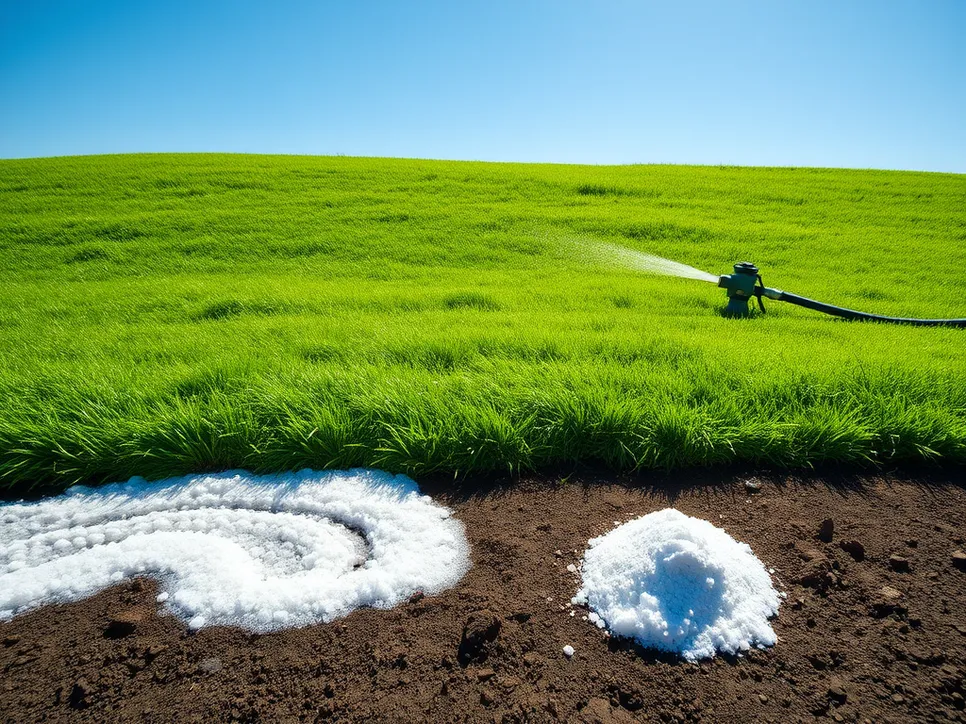
Salt harms grass at 2,000+ ppm. Use a hose to spread water thin over a wide zone. Run sprinklers as you drain to flush soil. Add gypsum (1 lb per 100 sq ft) to soil first. It binds salt, slows root uptake.
Ways to Thin Salt Water Flow
Drain salt water in 1-inch doses. Let soil dry between rounds. Use soaker hoses set 10 ft from grass. Mix with fresh water in a 1:4 ratio. Test soil salt with a probe. Keep under 500 ppm for safe growth.
Stop Grass Harm During Pool Care
Set Pool Chem Levels to Save Plants
Keep chlorine at 1-3 ppm, pH 7.2-7.6. High pH slows chlorine burn. For salt pools, hold salt under 3,500 ppm. Use a digital meter for exact reads. Balance chems 24 hours before drain plans. After these steps, you may want to shock the pool. Shocking helps to clear any contaminants and keeps the water clean for swimming.
Block Walls and Drain Paths
Lay gravel strips (6-12 inches wide) near pool edges. They catch spills. Build a French drain with PVC pipe to guide water away. Use rubber mats under gear to stop splash spots. Keeping the area around your pool tidy is important. It can help extend the life of your above ground pool liner.
Make a Ditch or Bed Near Pool
Dig a 6-inch-deep trench around the pool. Fill with stones or sand. It traps runoff. Slope the bed 1 inch per 4 ft to push water to safe zones. Add plants like liriope to soak up extra salt. Keeping phosphate levels low is important for pool maintenance. A lower phosphate level helps prevent algae growth and keeps the water clean.
Grass Types That Beat Salt
Bermuda grass handles 7,000 ppm salt. St. Augustine survives 4,500 ppm. Zoysia (sold as Zenith or Compadre) resists salt spray. Plant these 3-5 ft from pool edges. Use rye grass in cool zones for fast cover.
Fix Grass Hurt by Pool Water
How Fast Does Grass Heal?
Chlorine harm shows in 2-3 days. Salt damage takes 7-10 days to appear. Full healing needs 3-6 weeks. Speed it up by raking dead spots, adding 1/2 inch compost, and seeding. Keep soil damp, not soaked. Chlorine and cyanuric acid are related in their role in pool maintenance. Understanding how these two chemicals interact can help ensure a safe and balanced swimming environment.
Steps to Fix Burned Lawns
Rake dead grass. Aerate soil with a fork. Spread 1 lb grass seed per 250 sq ft. Top with peat moss. Water 15 mins daily at dawn. Use a salt-neutralizing fert (look for 10-10-10 NPK) once sprouts show.
Wash Salt From Soil
Flush soil with 1-2 inches of water over 2 days. Test runoff with a salt meter. Repeat if levels stay above 500 ppm. Add gypsum again if salt remains high. Check soil pH—salt can raise it. Add sulfur to lower pH below 7.0.
Next, learn answers to common issues like plant safety and filter backwash risks in our FAQ section.
Frequently Asked Questions
Can Pool Water Stains on Grass Be Prevented With Certain Landscaping Techniques?
Yes. Installing permeable pavers or decorative gravel 3–5 feet around the pool edge creates a physical barrier that absorbs splashes and redirects runoff. Pair this with drought-tolerant, salt-resistant ground covers like creeping thyme or clover to neutralize minor chemical exposure naturally.
Is It Safe to Drain a Hot Tub or Smaller Pool Onto the Lawn?
Only if dechlorinated. Hot tubs often contain 3–5x more chlorine (5–10 ppm) than pools. Neutralize chlorine with sodium thiosulfate (1 lb per 5,000 gallons) before draining. For saltwater hot tubs, dilute discharge with fresh water at a 4:1 ratio to keep soil salinity under 200 ppm. Proper management of chlorine levels is crucial for safe hot tub use. Regularly checking and balancing chemicals helps maintain a healthy and enjoyable environment in your hot tub.
How Does Pool Water Ph Level Affect Nearby Grass Health?
Highly alkaline pool water (pH 8.0+) binds soil nutrients like iron and manganese, causing grass yellowing. Test soil pH monthly near pool edges—if above 7.5, apply elemental sulfur (5 lbs per 1,000 sq ft) to restore acidity. Avoid draining pool water with pH over 7.8 directly onto lawns. Proper pool alkalinity helps maintain balanced water chemistry. This balance is essential for the health of both the pool and surrounding plants.
Are There Organic Pool Chemicals That Are Grass-friendly?
Enzyme-based sanitizers (e.g., Natural Chemistry’s Pool Perfect) break down oils without chlorine or salt. For algae control, hydrogen peroxide (3% solution at 1 cup per 100 gallons) offers a plant-safe alternative. Always rinse grass after accidental spills, even with organic products. Another important aspect of pool maintenance involves the use of muriatic acid. Muriatic acid helps to lower the pH of pool water, keeping it balanced and safe for swimmers.
What Immediate Steps Should I Take After Accidentally Spilling Pool Chemicals on the Lawn?
Flush the area with 10–20 gallons of fresh water within 30 minutes. For chlorine spills, sprinkle ascorbic acid powder (1 oz per sq ft) to neutralize oxidation. After salt spills, apply gypsum and water deeply to displace sodium ions. Repeat soil testing 3–5 days later to assess recovery needs.
Closing Thoughts
Pool water can harm grass, but with the right precautions, your lawn stays lush. Chlorine and saltwater damage depends on concentration levels and exposure time. Dilution, proper drainage timing, and salt-resistant grass varieties help minimize risks.
For precise chemical balancing, check out My Pool Calculator to maintain both pool clarity and lawn health. Small adjustments prevent costly repairs—measure twice, drain once.
Grass recovery takes 2-6 weeks after salt or chlorine exposure. Flush contaminated soil with fresh water and reseed damaged areas. Strategic planning keeps your pool and landscape thriving together.
Useful References for You:
- PoolPro Magazine (Industry News & Technical Articles)
- Will Pool Water Kill Grass? | Bliss Home Leisure
- Will Pool Water Kill Grass?
- Will Pool Water Kill Grass? | The Grass Outlet | Texas
- Will Pool Water Kill Grass or Harm My Yard? – Premier Pools & Spas
A pool care geek who’s been testing water chemistry since she was tall enough to reach the skimmer.
Common Problems, Pool Chemistry