Can You Use Pool Salt to Melt Ice?
Published on: February 23, 2026 | Last Updated: November 17, 2025
Written By: Lila Fairholme
Yes, pool salt can melt ice. Pool salt is primarily sodium chloride (NaCl), the same compound used in rock salt and many ice-melting products. The key difference lies in granule size and purity: pool salt is 99% pure NaCl and often sold in larger crystals or pellets, while rock salt contains impurities and smaller grains. While chemically similar, pool salt’s slower dissolution rate and potential additives (like anti-caking agents or chlorine stabilizers) may reduce its effectiveness below 20°F and pose risks to surfaces, plants, or pets.
This article breaks down the science behind using pool salt for ice removal. We compare its melting power to traditional rock salt and specialized ice melts like calcium chloride. You’ll learn how temperature, surface type, and application methods impact results—and why using pool salt on a concrete driveway might lead to costly repairs.
We also tackle safety concerns, from protecting nearby grass to preventing metal corrosion. Explore cost comparisons, eco-friendly alternatives like magnesium chloride or beet juice blends, and step-by-step guidelines for using pool salt effectively in winter conditions. Whether you’re managing a small walkway or a large driveway, we’ll help you decide if pool salt is a smart choice—or if it’s worth investing in a dedicated ice melt.
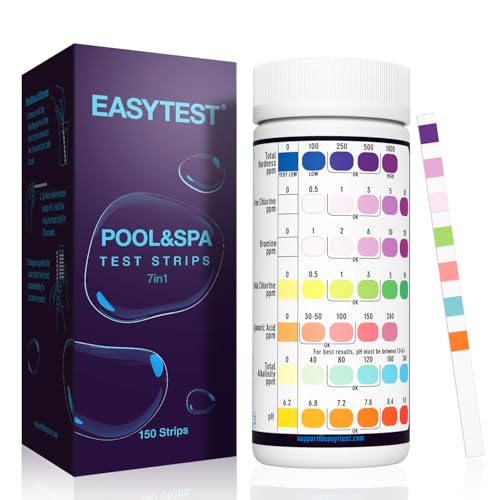
Understanding Pool Salt and Its Primary Use
Pool salt serves one clear purpose: generating chlorine in saltwater pool systems. While it might look similar to table salt or ice melt products, its composition reflects its specialized role. Let’s break down what makes this product unique—and why its design matters when considering icy surfaces. In addition to pool maintenance, salt can also influence long heat pool systems. A well-maintained pool creates a comfortable atmosphere and helps retain warmth efficiently.
Crucial Winterizing Products
"The all-in-one solution for a guaranteed clear spring opening."
All-in-One Closing Chemical Kit
Winter demand is high - check stock

"The 'set & forget' option. This is the easiest winterizing I've ever done."
Simple 3-in-1 Winterizing Balls
Winter demand is high - check stock
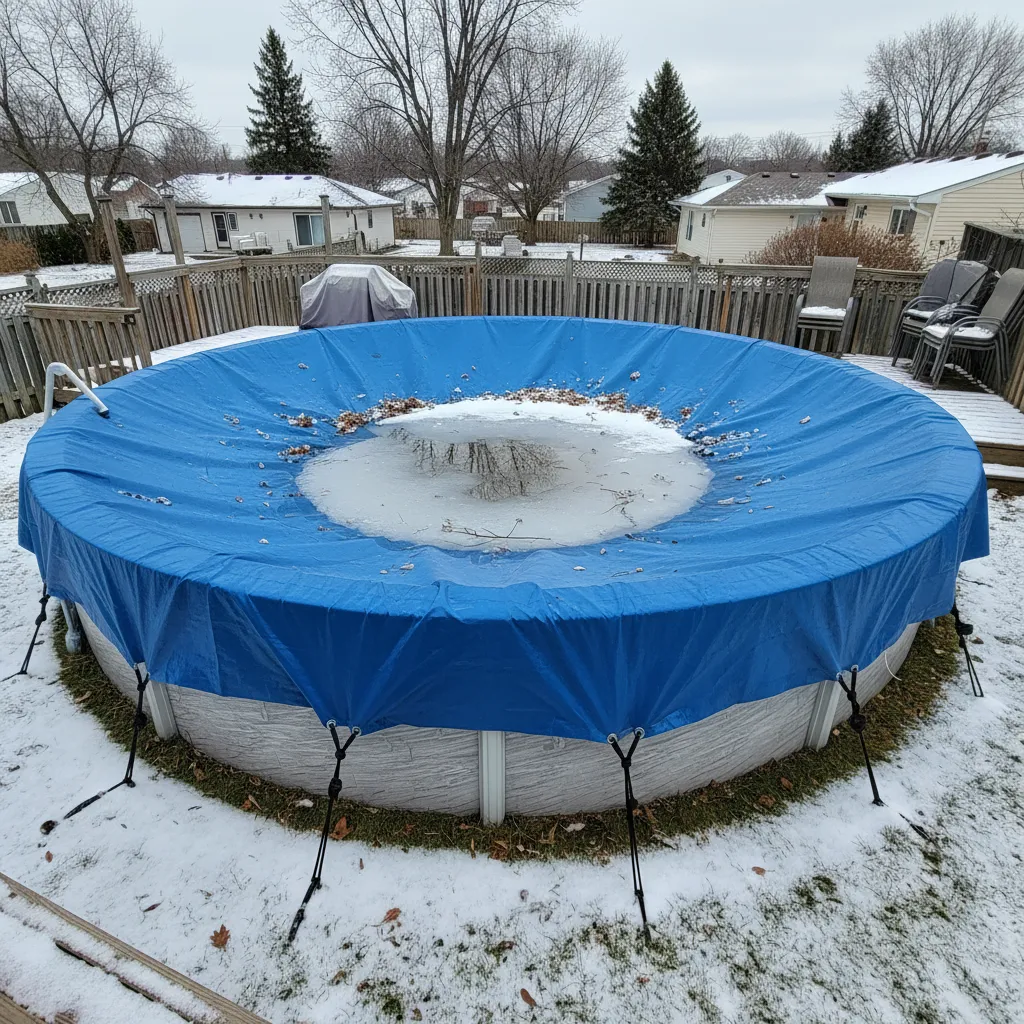
"Invest once to protect your liner and prevent a swamp in the spring."
Heavy-Duty Winter Pool Cover
Winter demand is high - check stock
What is Pool Salt?
Pool salt consists of sodium chloride (NaCl) with purity levels exceeding 99.8%, free from additives like anti-caking agents or trace minerals. This high-grade NaCl dissolves rapidly in water, making it ideal for saltwater chlorine generators. These systems convert salt into chlorine through electrolysis, maintaining sanitizer levels between 2,500–4,500 ppm in pools. The absence of impurities prevents damage to generator cells, ensuring steady chlorine production.

How Pool Salt Differs From Regular Salt
Unlike rock salt or ice melt blends, pool salt lacks additives designed for winter conditions. Rock salt contains sodium chloride but often includes calcium chloride or magnesium chloride to boost ice-melting performance below 15°F. Ice melt products might also feature corrosion inhibitors to protect metal surfaces. Pool salt, by contrast, prioritizes purity over thermal properties. While both pool salt and road salt lower water’s freezing point, untreated pool salt lacks the chemical enhancements that improve effectiveness in extreme cold or reduce surface damage.
Before testing pool salt’s ice-melting capabilities, consider how these differences impact performance on driveways, plants, or concrete. The next section explores whether sodium chloride—even in its purest form—can tackle winter’s challenges.
Does Pool Salt Effectively Melt Ice?
Salt works by breaking the bond between ice and surfaces. It lowers water’s freeze point, turning ice to slush. Pool salt (sodium chloride) acts like rock salt but has smaller grains and higher purity. Both use the same ice-melt method, but results vary based on type and temps. When considering a close above ground pool, it’s important to know how salt can affect the water. A close above ground pool can offer a safe and enjoyable swimming space, even in colder weather.
The Science Behind Salt and Ice Melting
When salt touches ice, it dissolves into brine. This mix needs much lower temps to freeze—down to 15°F (-9°C) for pool salt. Below that, melting stops. The process depends on chloride ions disrupting ice’s structure. While pool salt lacks additives, its pure NaCl still triggers this reaction. A liquid chlorine salt pool also relies on the unique properties of salt. It provides a more stable and enjoyable swimming environment by generating chlorine naturally from the salt.
Effectiveness Of Pool Salt Vs. Rock Salt
Pool salt’s fine grains dissolve faster than rock salt’s chunks, which can speed up initial melting. But rock salt often costs less—$5 per 50 lb bag vs. $7 for 40 lbs of pool salt. Both lose power below 15°F. Rock salt may leave more grit, while pool salt leaves less residue but costs more per square foot. The choice between these salts can also affect water chemistry. Keeping an eye on the calcium saturation index is important for maintaining balanced pool water.
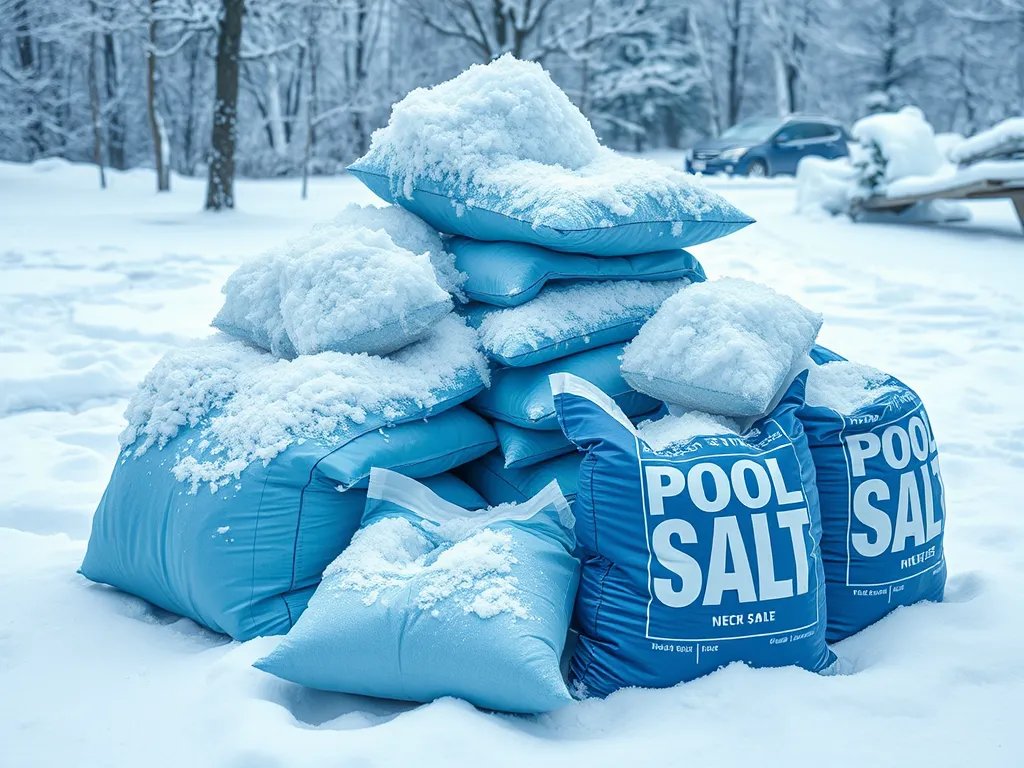
Safety Considerations When Using Pool Salt on Surfaces
Though pool salt melts ice, its high purity doesn’t erase all risks. Chlorides can harm surfaces, plants, and pets. Let’s break down key concerns.
Is Pool Salt Safe for Concrete Driveways?
Pool salt’s lack of additives reduces spalling (surface flaking) vs. some ice melts. But chloride can seep into pores, causing cracks during freeze-thaw cycles. New concrete (under 1 year) is most at risk. Rinse slabs after thaw to limit damage. Keeping these surfaces in good shape contributes to overall pool maintenance. A long backwash pool can benefit from properly maintained concrete slabs, helping to maintain a safe and attractive swimming environment.
Will Pool Salt Damage Plants or Grass?
Sodium builds up in soil, blocking roots from absorbing nutrients. Grass near treated paths may yellow in spring. Use less than 1 lb per 100 sq ft, and avoid areas within 3 feet of plants. For spots near gardens, opt for sand or kitty litter.
Risks to Pets and Metal Surfaces
Pool salt can burn pet paws or cause sickness if eaten. Wipe paws after walks. For metal, chlorides speed rust on cars, railings, or tools. Rinse surfaces post-storm, and keep salt away from garage doors or outdoor fixtures.
Now that we’ve covered how pool salt works on ice and its safety aspects, let’s look at best practices for using it in winter conditions.
Also See: Can You Swim in a Pool With High Copper Levels? Here’s What to Know
Using Pool Salt for Winter Ice Melting
While pool salt shares chemical properties with traditional ice melts, its performance varies based on conditions and application methods. Let’s explore where it works—and where it falls short. When considering pool care, borate treatment can provide a unique alternative. This method helps maintain pH levels and adds clarity to the water.
Can Pool Salt Melt Ice in Sub-zero Temperatures?
Pool salt, primarily sodium chloride (NaCl), lowers water’s freezing point to 15°F (-9°C). Below this threshold, melting capacity drops sharply. For comparison, calcium chloride maintains effectiveness down to -25°F (-32°C). Frigid regions facing consistent sub-15°F temperatures will find pool salt less reliable than specialized melts. Acid pools serve a unique role in enhancing water quality. Their purpose often includes balancing pH levels and keeping the pool clean and safe for swimming.
Applying Pool Salt to Driveways and Walkways
Spread 12 ounces per square yard evenly using a broadcast spreader. Focus on high-traffic areas like steps or slopes. Pool salt works best on thin ice layers (under 2 inches) and requires sunlight or foot traffic to accelerate melting. Thick ice may need mechanical breaking before application.
Can Pool Salt Be Used to Melt Snow?
Pool salt struggles with deep snow accumulation. For light snowfall (1-3 inches), apply 1 cup per 10 square feet before storms to prevent bonding. Heavy snow requires removal before treatment. Note that salt won’t melt snow directly but creates brine to loosen it from surfaces. Keeping your pool heater’s efficiency can help maintain your pool heater’s efficiency. A plumb pool heater will work better when the surroundings are well-maintained and free of ice and snow.
Key Limitations Of Pool Salt As an Ice Melt
Despite its accessibility, pool salt poses unique challenges compared to dedicated ice melts.
Chlorinated Pool Salt and Surface Damage
Some pool salts contain cyanuric acid (up to 5% concentration) to stabilize chlorine in pools. When applied to concrete, this additive accelerates spalling and metal corrosion. Always check labels for “stabilized” or “chlorine-protected” formulas before use on driveways. Keeping pool tiles clean is also important for maintenance. Regular cleaning helps prevent calcium buildup and keeps the pool looking fresh.
Concentration Requirements for Effective Melting
Pool salt requires a 20% higher volume than rock salt to achieve similar melting results. For example, a 20’x20’ driveway needs 15 lbs of pool salt versus 12 lbs of rock salt. Over-application increases runoff risks, potentially harming nearby grass or soil pH levels. Keeping the right balance is vital not just for driveways, but also for pool maintenance. The ideal pool temperature is generally considered to be between 78°F and 82°F for comfort and enjoyment.
Alternatives to Pool Salt for Ice Removal
Specialized products often outperform pool salt in safety and efficiency. Here’s how they compare.
Calcium Chloride Vs. Pool Salt
| Feature | Pool Salt | Calcium Chloride |
|---|---|---|
| Effective Temp | 15°F | -25°F |
| Cost per 50 lbs | $8-$12 | $25-$35 |
| Melting Speed | 30+ minutes | 5-10 minutes |
Eco-friendly Ice Melt Options
Beet juice blends (32°F effective temp) and magnesium chloride (-13°F) offer lower environmental impact. Sand or kitty litter provides traction without melting, costing $4-$8 per 50 lbs. These choices reduce chloride contamination in waterways by up to 70% compared to pool salt.
Considering these factors, let’s address common concerns about substituting pool salt with other household products.
FAQs: Using Pool Salt to Melt Ice
Can Pool Salt Be Combined With Other Ice Melts to Enhance Performance?
Yes, mixing pool salt with calcium chloride or magnesium chloride can improve melting efficiency in extreme cold. However, verify compatibility first—chlorinated pool salt may react unpredictably with some additives. Use a 3:1 ratio (pool salt to chloride blend) for temperatures below 15°F to avoid over-concentration risks.
How Does Pool Salt Impact Local Waterways and Soil Compared to Specialized Ice Melts?
Pure pool salt (NaCl) increases sodium levels in runoff, which can dehydrate plants and alter aquatic ecosystems. Unlike eco-friendly melts containing beet juice or calcium magnesium acetate, pool salt lacks biodegradable components, contributing to 30% higher chloride contamination in groundwater according to EPA studies. Choosing the right materials for swimming pools can help reduce these environmental impacts. For example, some pool materials are designed to minimize runoff and improve water quality.
Is Pellet or Granular Pool Salt More Effective for Icy Surfaces?
Granular pool salt acts faster due to its smaller crystal size, creating brine within 15–20 minutes. Pellets last longer (2–4 hours) but require mechanical abrasion (e.g., foot traffic) to initiate melting. For preventive applications before storms, pellets are preferable; granular works better for immediate thawing.
What Storage Practices Prevent Pool Salt From Clumping in Winter Conditions?
Store pool salt in airtight containers with silica gel packs to absorb moisture. Keep it elevated on pallets in a dry, temperature-controlled space (ideally above 40°F). Avoid direct contact with concrete floors, which can transfer moisture and solidify the salt into unusable blocks. Proper maintenance of pool salt ensures that your water features stay balanced. A well-maintained water boatmen pool can provide a thriving habitat for various aquatic life.
Closing Thoughts
Pool salt can melt ice, but it’s not the best choice for winter surfaces. While it works similarly to rock salt, chlorinated pool salt may damage concrete, harm plants, and corrode metal. Its effectiveness drops below 20°F (-6°C), requiring higher concentrations than specialized ice melts.
For occasional small-scale use, pool salt might suffice. But for frequent winter maintenance, calcium chloride or magnesium chloride offer better performance with less environmental impact. Always weigh the risks to surfaces, pets, and landscaping before application.
Need precise calculations for pool maintenance or winter treatments? Check out My Pool Calculator for expert tools and guides tailored to your needs.
Additional Resources for You:
- Pentair Residential Pool Resources (Maintenance Guides)
- Pool Salt to Melt Ice on Concrete
- Does CLOROX pool salt work to melt ice YES part 1 – YouTube
- r/AskDad on Reddit: Can I use water softener salt as also ice melt for the driveway in the winter?
- Pool salt any good as ice melt? | Snow Plowing Forum