Can You Open Your Eyes in a Saltwater Pool? Eye Safety Explained
Published on: January 23, 2026 | Last Updated: November 17, 2025
Written By: Marcus Thornfield
Yes, you can safely open your eyes in most saltwater pools if salinity levels (3,000-6,000 ppm) and pH (7.2-7.8) stay balanced. Unlike ocean water’s 35,000 ppm salt content, saltwater pools use 90% less salt, which usually feels gentler than traditional chlorine pools. Eye irritation occurs when salt concentration exceeds 6,000 ppm, chlorine byproducts like chloramines build up, or pH drifts outside the 7.2-7.8 range.
This article breaks down why saltwater pools may sting eyes, how to prevent discomfort, and what makes them different from freshwater or ocean swimming. You’ll learn how salt systems generate chlorine, why improper maintenance causes issues, and how to test water chemistry using a pool calculator for precise adjustments.
We’ll cover proven strategies like choosing swim goggles with UV protection, fixing imbalanced alkalinity, and treating red eyes with saline rinses. Whether you’re troubleshooting burning sensations or optimizing your pool’s salt cell, these science-backed tips keep your swim sessions irritation-free.
Understanding Saltwater Pool Chemistry and Eye Safety
Saltwater pools function using a chlorine generator, which transforms dissolved salt into sanitizing chlorine through a process called electrolysis. This creates a self-regulating system with lower chlorine concentrations (1-3 ppm) compared to traditional pools. Salinity stays between 3,000-6,000 parts per million (ppm)—far less than ocean water at 35,000 ppm. This mild salt content usually allows brief moments of opening lids underwater without major issues. When preparing for an above ground pool, it’s important to consider the benefits of a saltwater system. Proper setup ensures optimal performance and enjoyment all season long.
Crucial Winterizing Products

"The all-in-one solution for a guaranteed clear spring opening."
All-in-One Closing Chemical Kit
Winter demand is high - check stock

"The 'set & forget' option. This is the easiest winterizing I've ever done."
Simple 3-in-1 Winterizing Balls
Winter demand is high - check stock
"Invest once to protect your liner and prevent a swamp in the spring."
Heavy-Duty Winter Pool Cover
Winter demand is high - check stock
How Saltwater Pools Differ From Chlorine Pools
Unlike manually chlorinated pools, saltwater systems avoid harsh chemical spikes by producing chlorine steadily. Sodium chloride (salt) acts as a continuous supply for generating hypochlorous acid, the active sanitizer. With no need for frequent chlorine tablets or shock treatments, these pools typically have fewer chloramines—irritating compounds formed when chlorine binds to contaminants like sweat or urine. This often results in gentler water for skin and lids.
Why Saltwater Might Cause Eye Irritation
While salt alone rarely triggers discomfort, three factors can lead to stinging or redness: elevated salinity, improper pH, or lingering chloramines. Lid membranes have a natural pH of 7.4, so pool water outside the 7.2-7.8 range disrupts this balance. Chloramines, though less common in salt pools, still form if organic waste builds up. Combined with salt, these conditions might amplify sensitivity.
Role of Salinity, pH, and Chlorine Byproducts
- Salinity: Levels above 6,000 ppm mimic ocean water, causing temporary dryness or a gritty feeling.
- pH Imbalance: Water below 7.2 (acidic) or above 7.8 (alkaline) strips protective tear layers, leading to irritation.
- Chloramines: Detectable by a strong chemical odor, these byproducts inflame membranes faster than salt alone.
Maintaining salt at 3,000-4,000 ppm, pH at 7.4-7.6, and free chlorine under 3 ppm minimizes risks. Tools like digital test kits or pool calculators help track these metrics weekly. While saltwater pools reduce some irritants, individual tolerance varies—setting up the next discussion on personal factors affecting lid comfort.
Can You Safely Open Your Eyes in a Saltwater Pool?
Opening your lids in a saltwater pool is possible without major harm for most individuals. But comfort varies based on factors like how long you stay underwater, how your body reacts, and pool chemistry. Saltwater pools typically contain 3,000-4,000 ppm of salt—about 1/10th of ocean water—which is mild for short contact. Still, long exposure or poor water conditions can trigger irritation. For those considering a close above ground pool, the water quality is equally important. Regular maintenance and proper salt levels can enhance the swimming experience and minimize discomfort.
Short-term Vs. Long-term Effects
Briefly opening your lids underwater might cause a slight sting or blurry vision that fades quickly. This occurs as salt draws moisture from your corneas temporarily. Prolonged contact (over 10-15 minutes) can dry out ocular surfaces, causing redness or a gritty sensation. Unlike ocean water with higher salinity, salt pools rarely cause lasting harm if maintained properly.
Factors Influencing Eye Discomfort
Not all swimmers react similarly. Sensitivity links to individual biology, prior ocular history, and how well the pool’s systems function. A 2022 study found 12% of participants had mild irritation in salt pools with optimal chemistry, rising to 31% in poorly maintained pools. Maintaining proper chemical balance is crucial for everyone’s comfort. This is where over shocking a pool can cause problems, leading to irritation for swimmers.
Pool Water Balance and Salinity Levels
Salt concentration above 6,000 ppm heightens irritation risks—common if salt cells malfunction or owners overcompensate with manual salt additions. pH also plays a role: aim for 7.4-7.6. High pH (above 7.8) reduces chlorine’s sanitizing power, allowing chloramines to form. These byproducts—not salt—often trigger that familiar “pool burn” linked to traditional chlorine pools. Maintaining proper salt levels is important for all pool types. Saltwater pools can also experience bacteria growth, which may lead to unhealthy swimming conditions.
Does a Saltwater Pool Burn Your Eyes? Common Causes
While saltwater pools are gentler than chlorinated options, burning sensations signal a chemistry issue. Salt itself isn’t the villain. Let’s break down why your lids might sting post-swim. Sometimes, these sensations can make you think twice about enjoying the water. Just like how many people want to enhance their beauty, others are discovering the charm of press nails pool parties.
High Salinity Levels and Eye Sensitivity
Salt pools with salinity spiking beyond 5,000 ppm mimic ocean-like conditions, drying out ocular membranes faster. Individuals with dry lid syndrome or contact lens wearers may notice heightened discomfort. Always confirm salinity using digital testers—strip kits lack accuracy for salt readings. Lower phosphate levels in pools can help reduce algae growth and improve overall water quality. Keeping phosphate levels in check is essential for a clean and clear swimming environment.
Imbalanced Ph or Chlorine Levels
A salt system converts salt into chlorine via electrolysis. If pH drifts below 7.2, free chlorine becomes hyperactive, attacking proteins in your ocular fluid. Chlorine above 3 ppm or combined chlorine (chloramines) above 0.5 ppm also provoke inflammation. Weekly testing with a Taylor K-2006 kit helps avoid this. Maintaining proper chemical balance is crucial for pool health. One popular choice for many pool owners is using liquid chlorine in a salt pool system.
Pre-existing Eye Conditions or Infections
Swimming with conjunctivitis, allergies, or corneal abrasions amplifies irritation. Saltwater can worsen inflammation in such cases. Those with chronic dry lids should apply preservative-free drops post-swim to replenish moisture.
Now that you know why irritation occurs, let’s look at ways to stop it before it starts.
Also See: Can You Put Regular Clorox in a Pool? Here’s What to Know
Preventing Eye Irritation in Saltwater Pools
Managing eye safety in saltwater pools requires proactive measures. Three key strategies – precise water chemistry control, protective gear use, and smart swimming habits – minimize risks of saltwater pool irritation. The choice of swimming pool materials also plays a role in safety and maintenance. Materials that are easy to clean and resistant to chemicals can help maintain a healthier swimming environment.
Proper Pool Maintenance for Swimmer Safety
Well-maintained pools rarely cause eye discomfort. Focus on two critical factors: salinity control and chemical balance.
Testing and Adjusting Salinity with a Pool Calculator
Salt concentrations between 2,700-3,400 ppm (parts per million) create optimal swimming conditions. Levels above 5,000 ppm may lead to saltwater pools stinging your eyes. Digital pool calculators simplify monitoring – input your pool’s gallon capacity and current salt readings to get precise adjustment measurements. Most systems require adding 40-50 lbs of salt per 2,000 gallons to maintain ideal ranges. The enjoyment of swimming is also affected by water temperature. Keeping the pool at an ideal temperature enhances the overall experience and comfort for swimmers.
Balancing pH and Chlorine Levels
Salt cells generate chlorine at pH 7.2-7.8. Outside this range, hypochlorous acid (active sanitizer) converts to harsh chloramines. Test strips should show:
- Free chlorine: 1-3 ppm
- Total alkalinity: 80-120 ppm
- Calcium hardness: 200-400 ppm
Imbalanced water can make saltwater pool burn your eyes even at correct salinity levels.
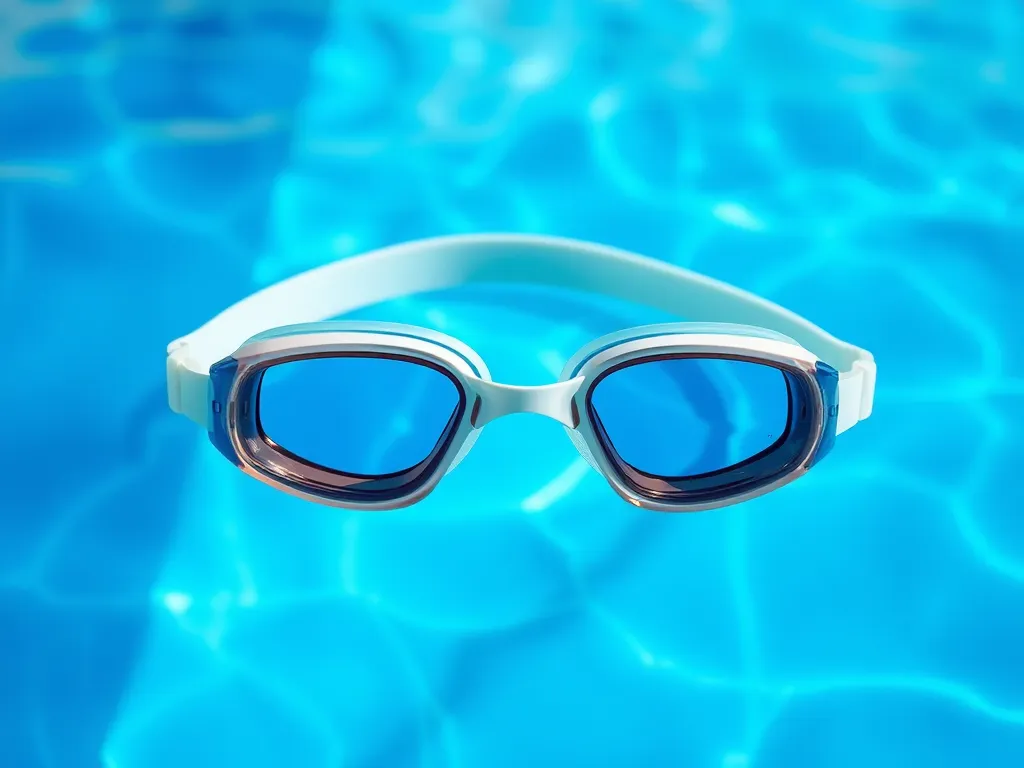
Using Swim Goggles for Protection
Quality goggles create a physical barrier against saltwater pool irritation. Look for:
- ANSI Z87.1 safety-rated lenses
- Silicone gaskets with UV protection
- Anti-fog coatings (avoid touching inner surfaces)
Even minor leaks allow saltwater entry – ensure a snug fit by pressing goggles to face without straps. If they stay suctioned for 3+ seconds, the seal works.
Avoiding Eye Rubbing During Swimming
Rubbing eyes under water pushes pool chemicals against delicate corneal tissue. If saltwater enters eyes:
- Blink rapidly to stimulate natural tearing
- Surface immediately
- Flush with fresh water for 60 seconds
Treating Eye Discomfort After Swimming
Despite precautions, some swimmers still experience temporary saltwater pool eye burn. Quick action prevents prolonged issues.
Immediate Remedies for Burning or Red Eyes
Address symptoms within 15 minutes of exiting the pool.
Rinsing Eyes with Fresh Water
Use sterile saline solution or distilled water – tap water may contain microbes. Tilt head sideways and pour from inner to outer eye corner. Repeat for 2 minutes per eye.
Using Lubricating Eye Drops
Preservative-free artificial tears (Refresh Optive, Systane Ultra) restore moisture. Avoid redness reducers – they mask inflammation. Apply 1-2 drops every 15 minutes for the first hour.
When to Seek Medical Attention
Consult an ophthalmologist if experiencing:
- Persistent redness beyond 12 hours
- Sensitivity to light lasting 6+ hours
- Yellow/green discharge suggesting infection
- Visual distortion or partial sight loss
While these steps address most cases of saltwater pool eye irritation, many swimmers wonder about specific scenarios. Let’s explore common questions about ocular safety in saline pools. A well-maintained pool deck can also contribute to a safe swimming environment. Keeping the pool area clean and free of hazards helps ensure that all swimmers enjoy their time in the water.
Frequently Asked Questions
Are Saltwater Pools Safer for Your Eyes Than Traditional Chlorine Pools?
Saltwater pools often feel gentler because they avoid chlorine tablets and produce fewer chloramines (the main irritant in traditional pools). However, improper pH or salinity levels can still cause discomfort. Well-maintained salt systems reduce chemical “burn” but don’t eliminate all risks.
Can Contact Lens Wearers Safely Open Their Eyes in Saltwater Pools?
No—saltwater can dehydrate lenses, causing them to stick to the cornea. Always wear waterproof goggles to prevent lens displacement, microbial contamination, or salt-induced dryness that could scratch the eye surface.
How Frequently Should Saltwater Pools Be Tested to Minimize Eye Risks?
Test salinity, pH, and chlorine levels at least twice weekly during peak use. Salt cells and environmental factors (rain, swimmer load) can shift chemistry rapidly. Daily checks are ideal for pools used by sensitive groups like children or allergy sufferers. Another important factor to monitor phosphate levels in your pool. Keeping an eye on phosphates can help prevent algae growth and maintain water clarity.
Do Saltwater Pools Pose Long-term Risks to Eye Health?
No studies confirm permanent damage from occasional exposure to properly balanced saltwater pools. Chronic issues only arise with repeated swimming in poorly maintained pools (pH <7.0 or >8.0), which may contribute to corneal erosion over years. The balance of pH in water is important for health and comfort. This principle also applies to rain pools, where alkalinity plays a key role in maintaining ecosystem health.
Is It Safe for Children to Open Their Eyes Underwater in Saltwater Pools?
Children’s thinner corneal epithelia make them more prone to irritation. While brief exposure is generally safe, encourage goggles for kids—especially those with asthma or seasonal allergies, as salt can exacerbate mucosal sensitivity.

Closing Thoughts
Saltwater pools offer a gentler swimming experience than traditional chlorine pools, but eye irritation can still happen. The key lies in maintaining proper water balance—keeping salinity between 2,700-3,400 ppm, pH at 7.4-7.6, and chlorine below 3 ppm. While brief eye openings won’t cause lasting damage, prolonged exposure to imbalanced water may lead to redness or discomfort.
For worry-free swimming, invest in quality swim goggles and test your pool chemistry weekly. If irritation occurs, flush eyes with sterile saline solution. Persistent symptoms warrant an eye doctor visit.
Need help monitoring your pool? My Pool Calculator provides precise tools for checking salinity, pH, and chlorine levels—ensuring your saltwater pool stays safe and comfortable for everyone.
Additional Resources for You:
- National Swimming Pool Foundation (NSPF). (2022). Pool & Spa Operator Handbook (4th ed.). Colorado Springs, CO: NSPF.
- What Are the Most Common Reasons That Swimming Pool Water May Cause Your Eyes to Burn? | ASP – America’s Swimming Pool Company
- Eyes Burn After Swimming In Saltwater? What To Do – eyeFACTS
- We switched to salt water, now the wife says it burns her face and eyes | Trouble Free Pool
- Cures for When Your Eyes Burn in a Swimming Pool – Pool and Spa News – Utah Wyoming & Idaho