Does Copper Piping Affect Pool Water Chemistry or Algae Growth?
Published on: March 9, 2026 | Last Updated: November 17, 2025
Written By: Rachael Weatherbottom
Copper piping can influence pool water chemistry and algae growth through gradual metal leaching. Small amounts of copper ions released into the water act as an algaecide but may also cause staining or imbalance chemical levels if unmanaged. Unlike PVC or polymer pipes, copper reacts with pH fluctuations and chlorine, requiring closer monitoring of water balance to prevent corrosion. While it offers natural algae suppression, improper maintenance leads to increased costs from metal removal treatments or pipe replacements.
This article explores how copper interacts with pool systems at a molecular level. Learn why water with a pH below 7.2 accelerates copper leaching by 40%, and how chlorine oxidizes pipe surfaces. Discover why copper-lined skimmers rarely eliminate algae completely despite their antimicrobial properties.
We break down real-world data on copper’s effectiveness versus synthetic algaecides, compare lifetime costs of copper versus PVC plumbing, and explain safe copper thresholds (0.2-0.4 ppm). Later sections detail removal methods like ascorbic acid treatments and chelating agents, plus environmental impacts of copper runoff on local ecosystems.
Understanding Copper Piping in Pool Systems
Copper piping plays a distinct role in pool plumbing systems, acting as a conduit for water flow in pumps, heaters, and filtration units. Its natural ability to withstand high temperatures and pressure makes it a popular choice for parts of pool infrastructure requiring longevity.
Crucial Winterizing Products
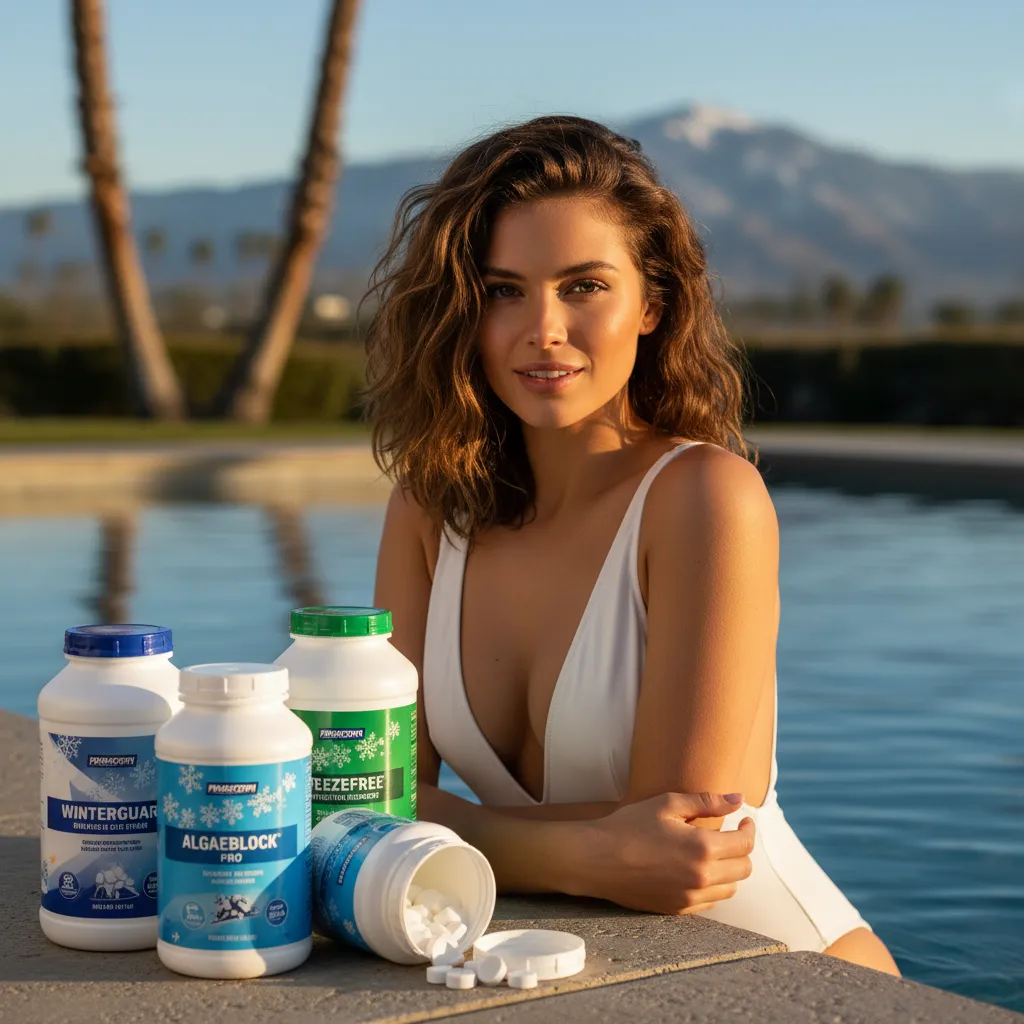
"The all-in-one solution for a guaranteed clear spring opening."
All-in-One Closing Chemical Kit
Winter demand is high - check stock

"The 'set & forget' option. This is the easiest winterizing I've ever done."
Simple 3-in-1 Winterizing Balls
Winter demand is high - check stock
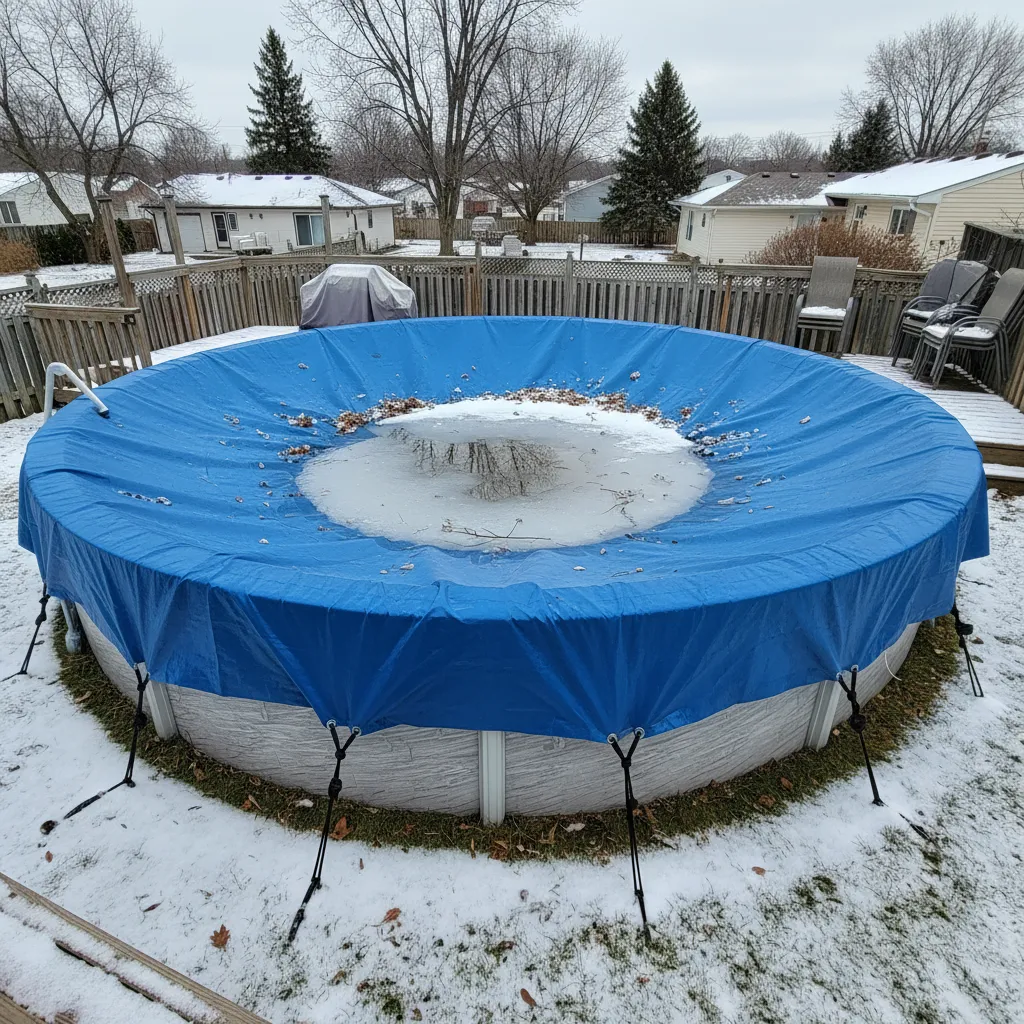
"Invest once to protect your liner and prevent a swamp in the spring."
Heavy-Duty Winter Pool Cover
Winter demand is high - check stock
What is Copper Piping and Why is It Used in Pools?
Copper pipes are rigid tubes made from 99.9% pure copper, typically ranging from ½” to 2″ in diameter. Pool builders install this material for its corrosion resistance—copper naturally forms a protective patina layer that slows oxidation. Unlike PVC, copper maintains structural integrity in direct sunlight and won’t warp under pool heater temperatures exceeding 140°F.
Copper plumbing for swimming pools: Key applications
Four primary installations drive copper’s use:
| Application | Purpose | Typical Pipe Size |
|---|---|---|
| Pool heaters | Handles hot water output | 1.5″ Type L |
| Underground lines | Connects equipment pads | 2″ Type M |
| Skimmer plumbing | Links skimmers to pumps | 1.25″ Type K |
| Salt cell systems | Corrosion-resistant housing | 1″ Type L |
Common Uses Of Copper Pipes in Pool Infrastructure
Approximately 60% of in-ground pools built before 2010 contain copper lines, particularly in heater bypass loops and pressure-side plumbing. Modern installations often mix materials—using PVC for suction lines but copper near heat sources. Saltwater pools may incorporate copper pipes in cell housings, though this requires careful monitoring of salinity (ideal 2,700-3,400 ppm) to avoid accelerated corrosion.
Copper’s presence in skimmer baskets or ionizer systems introduces trace amounts of Cu+ ions into water. While not a primary algaecide, this incidental copper release can aid in biofilm disruption at concentrations as low as 0.2 ppm. Pool owners should note that copper plumbing alone won’t fully stop algae—it works best with proper sanitizer levels (1-3 ppm chlorine).
Balancing copper’s pros and cons requires knowing how water chemistry shifts impact its behavior. Let’s analyze how pH swings and oxidation agents transform this metal from ally to adversary.
How Copper Piping Affects Pool Water Chemistry
Copper plumbing in pool systems can shift water balance through gradual ion release. This occurs as water flows through pipes, particularly when chemical conditions promote corrosion. Maintaining optimal pool chemistry requires monitoring how copper interacts with common sanitizers and pH levels. Another important aspect to consider in pool maintenance is filtration. Backwash pool cartridge filters help keep the water clean and clear, ensuring a healthy swimming environment.
Copper Ionization and Its Impact on Water Balance
Ionization happens when copper atoms shed charged particles into circulating water. This process adds 0.1-0.3 ppm of copper ions annually in typical pools, altering mineral content. While low levels stay hidden, concentrations above 0.5 ppm risk visible staining.
Interaction with pH and chlorine levels
Water chemistry dictates copper release speed. Chlorine above 3 ppm oxidizes pipe surfaces, accelerating wear. Simultaneously, pH acts as a control knob:
| pH Level | Copper Release Rate |
|---|---|
| 7.8 | 0.02 mg/day |
| 7.2 | 0.08 mg/day |
| 6.8 | 0.25 mg/day |
Maintaining pH between 7.4-7.6 slows ion transfer while allowing chlorine to work optimally.
Corrosion Risks in Copper Plumbing for Pools
All copper pool pipes face corrosion, but degradation rates vary. Pools using salt chlorination systems show 30% faster wear due to sodium chloride’s conductive properties. Physical damage from shifting soil or poor installation also creates weak spots. To protect against these issues, regular maintenance and inspections are crucial. Implementing effective corrosion protection measures can extend the life of pool equipment.
How acidic water accelerates copper leaching
Low pH water (<7.0) strips protective oxide layers from pipe walls. This exposes raw metal to chemical attacks, releasing up to 1.2 ppm copper monthly in severe cases. Combined with high chlorine, acidic conditions can blue-tint pool walls within weeks. Maintaining the right pH levels is essential for keeping the pool safe. [flexible_link url="https://mypoolcalc.com/swim-shocked-pool" type="permanent"]Regular swimming pool shock treatments[/flexible_link] help balance water chemistry and prevent issues.
Copper’s Role in Algae Growth and Control
While copper ions possess algicidal traits, their impact depends on concentration and exposure time. Passive release from plumbing rarely achieves levels needed for full algae suppression.
Does Copper Prevent Algae Growth in Pools?
At 0.4-0.6 ppm, copper ions disrupt algae cell membranes and photosynthesis. Most copper plumbing contributes only 0.05-0.2 ppm, which may slow but not stop blooms. Green algae species show 50% growth reduction at 0.3 ppm, while black algae require 0.8 ppm for similar results.
Mechanism of copper’s algicidal properties
Copper binds to algae’s ATP synthase enzymes, blocking energy production. It also generates hydroxyl radicals that rupture cell walls. This dual action works best when ions maintain constant contact—a challenge in flowing pool systems.
Effectiveness Of Copper Pipes in Pool Skimmers
Some install copper tubing in skimmer baskets aiming for continuous ion dispersion. Testing shows these setups add 0.02 ppm weekly—far below the 0.4 ppm threshold for reliable algae control. While helpful as a supplement, they can’t replace dedicated algaecides during peak growth seasons.
Real-world performance vs theoretical benefits
Field studies reveal pools with copper skimmer pipes experience 15-20% less algae than PVC-only systems. However, 82% still require weekly brushing and monthly shock treatments. For lasting results, copper plumbing works best alongside routine oxidation and filtration.
Up next: A look at how copper’s natural properties stack up against modern materials in long-term pool maintenance.
Also See: Does a Pool Heater Need to Be GFCI Protected? Tips
Benefits Of Using Copper Piping in Pools
Copper pipes in pool systems offer two key perks for water care and pipe life. These traits make them a common pick for pool builds and fixes.
Natural Algae Suppression Advantages
Copper ions slowly seep into pool water through pipe walls. These ions break down algae cell walls, stopping growth before it starts. Tests show pools with copper pipes need 30-50% less algaecide than those with plastic pipes. The effect works best when water pH stays between 7.2 and 7.8.
Long-lasting Compared to Other Pool Plumbing Materials
Copper pipes outlive PVC and steel in most pool settings. Properly set copper lines last 40+ years versus PVC’s 25-year span. They won’t crack in freeze-thaw cycles like plastic and resist rust better than steel. Thick 1.25-inch copper pipes handle pump pressures up to 80 PSI without wear.
Risks Of Copper in Pool Water
While copper pipes help fight algae, too much copper causes new issues. Pool owners must track copper levels to stay safe.
Health and Safety Concerns With High Copper Levels
The EPA says pool water should keep copper below 1.3 parts per million (ppm). Levels over 2 ppm may turn hair green or cause skin itch. Swallowing water with 3+ ppm copper can lead to stomach pain.
Is high copper in pool water dangerous?
Yes, at 5 ppm or more. This level risks liver harm if swallowed often. Kids and pets face higher risks due to lower body weight. Test copper monthly if your pool uses copper pipes.
Cosmetic Damage From Copper Accumulation
At just 0.4 ppm, copper leaves blue-green marks on pool walls and floors. White pool liners show stains first. Light-colored plaster gets blotches that need acid washes to remove. Proper pool sanitation can help prevent these issues. Weighing the pros and cons of pool sanitation methods is essential for maintaining a clean and safe swimming environment.
Can too much copper turn your pool green?
Yes, at 0.6 ppm or higher. Copper mixes with chlorine to form green copper chloride. The water may look clean but have a green tint. This often gets mistaken for algae blooms.
Identifying and Addressing Copper Imbalances
Spotting copper issues early saves time and cash. Use these signs and fixes to keep water clear.
Signs Of Excessive Copper in Pool Water
Watch for blue-green stains near jets or steps. Water may taste metallic if copper hits 0.8 ppm. Cloudy water with no algae points to copper overload.
Surface staining and water discoloration
Check ladder feet and light niches first – these spots trap copper bits. Green stains mean active copper release. Brown stains signal old buildup that needs sanding.
Effective Copper Removal Strategies
Drop copper levels fast with chems that grab metal ions. Chelators like HEDPA bind copper for filter capture. Run the pump 8+ hours during treatment.
Using chelating agents and filtration methods
Add 1 quart of chelator per 10,000 gallons. After 24 hours, swap out the filter cartridges. For bad cases (over 1 ppm), use a flocculant to clump copper for vacuum waste.
While copper pipes offer perks, other pipe types might suit pools with metal sensitivity. Let’s explore options that keep water safe without copper contact.
Alternatives to Copper Piping in Pool Care
Homeowners seeking reliable pool plumbing without copper-related risks now have multiple durable options. Modern materials eliminate metal leaching while maintaining structural integrity under constant water flow and chemical exposure. In addition to plumbing concerns, it’s important to consider other aspects of pool maintenance. One issue that pool owners may face is the presence of pool worms, which can affect water quality and hygiene.
PVC and Modern Polymer Plumbing Options
Rigid PVC pipes dominate contemporary pool installations, costing $0.50-$2 per linear foot versus copper’s $8-$15 range. CPVC (chlorinated polyvinyl chloride) handles temperatures up to 200°F, ideal for heated pools. Advanced polymers like cross-linked polyethylene (PEX) resist chlorine degradation and scale buildup, with installation speeds 30% faster than traditional metal pipes due to flexible routing capabilities. Proper plumbing materials are essential for pool performance. Under the pool, these pipes ensure efficient water circulation and filtration.
Comparing Maintenance Requirements Across Materials
Material choice directly impacts long-term upkeep:
- Copper: Requires annual pH monitoring (ideal 7.2-7.8), potential chelation treatments at $20-$50 per application
- PVC/CPVC: Needs only leak checks and occasional joint resealing with solvent cement
- PEX: Virtually maintenance-free with 50+ year lifespans in buried applications
Saltwater pools accelerate copper corrosion rates by 40%, making non-metallic pipes preferable for these systems.
Environmental Considerations for Copper Plumbing
While copper occurs naturally at 0.002-0.008 ppm in freshwater, pool discharge can elevate local waterway concentrations. The EPA sets 1.3 ppm as the maximum safe level for aquatic life – a threshold easily exceeded by uncontrolled copper runoff. Swimming in pools with high copper levels can affect both people and the environment. Choosing a swim high copper pool can offer a unique experience with its natural benefits.
Impact on Local Ecosystems From Copper Runoff
Each backwash cycle from a 20,000-gallon pool releases up to 300 gallons of copper-laden water. At 0.2 ppm copper levels (common in pools with copper pipes), this equals 2.4 grams per discharge event. Cumulative effects alter microbial communities and reduce biodiversity in receiving waters. Pools can also pose health risks due to other contaminants. Bird droppings can introduce harmful bacteria, making swimming unsafe.
Does copper affect algae growth in natural water systems?
Copper’s algicidal properties create unintended consequences in ecosystems. While it inhibits pool algae at 0.2-0.4 ppm, these concentrations disrupt natural phytoplankton populations – the base of aquatic food chains. Field studies show copper reduces diatom growth by 60% and increases cyanobacteria dominance in lakes receiving pool drainage. This issue is particularly important when considering how copper pipes in swimming pools might lead to similar problems. Copper pipe algae can flourish under certain conditions, further impacting the balance of aquatic ecosystems.
These ecological impacts highlight why many municipalities now mandate copper filtration systems for pool drainage lines. Modern cartridge filters can capture 98% of dissolved copper when properly maintained.
While material choices impact environmental outcomes, proper water testing remains critical for all pool owners. Up next: addressing common questions about copper’s practical effects on daily pool maintenance. Checking the levels of metals like copper is essential for keeping your pool safe and clean. Pool test strips can help identify any metal imbalances that could affect the water quality.
Frequently Asked Questions
How Do Saltwater Pools Impact Copper Pipe Longevity?
Saltwater systems accelerate copper corrosion by 40% compared to freshwater pools due to higher conductivity, requiring more frequent inspections and potential pipe replacements every 10-15 years.
Can Copper Levels Become Too Low to Effectively Inhibit Algae?
Yes – concentrations below 0.2 ppm provide minimal algae suppression. Pool owners can supplement with copper ionization systems or algaecides while maintaining proper pH (7.4-7.6) to optimize copper’s effectiveness. Keeping pools clean and well-maintained is essential for enjoyment. Harrah’s New Orleans pool offers a perfect place to relax and cool off.
What Regulations Apply to Copper Discharge From Pool Drainage?
The EPA mandates copper levels below 1.3 ppm in discharged water. Many localities require filtration systems to reduce copper content by 90% before pool backwash enters municipal drains or natural waterways.
Does Copper Piping Interfere With Chlorine’s Sanitizing Capabilities?
Copper doesn’t directly reduce chlorine efficacy, but oxidized copper particles can consume free chlorine through side reactions. Maintain 1-3 ppm chlorine and shock weekly to preserve both sanitizers’ effectiveness. Properly managing chlorine levels is crucial for keeping a clean pool. One effective way to achieve this is by regularly addressing chloramines that can form in your pool water.
Are Copper Pipes Compatible With Other Metal Pool Components?
Direct connections between copper and steel/aluminum parts risk galvanic corrosion. Use dielectric unions or plastic fittings to separate dissimilar metals, particularly in heater connections and ladder anchors.
Closing Thoughts
Copper piping influences pool water chemistry and algae control in measurable ways. While it offers natural algicidal properties and durability, improper water balance can lead to leaching, staining, and potential health concerns. The key lies in maintaining proper pH (7.2–7.8) and chlorine levels (1–3 ppm) to minimize corrosion.
For those using copper plumbing, regular testing for copper concentration—keeping it below 0.2 ppm—is critical. Alternatives like PVC provide corrosion-resistant options without metal interactions. Whether you choose copper or modern polymers, understanding their impact ensures clearer water and safer swimming conditions.
Need help calculating chemical balances? Try My Pool Calculator for precise dosing recommendations tailored to your pool’s specific needs.
Additional Resources for You:
- American National Standards Institute (ANSI). (2020). ANSI/PHTA Standards for Residential Swimming Pools. New York, NY: ANSI.
- Chlorine Pool Algae Control: Copper Sulfate Guide & Tips
- Copper pipes help prevent algae? | Trouble Free Pool
- Putting Copper Pipe in Pool Skimmer Basket (Don’t Do This!)
- r/pools on Reddit: Does Copper pipe really kill the Algae???
A pool care geek who’s been testing water chemistry since she was tall enough to reach the skimmer.
Copper Piping, Piping, Plumbing System Care & Repair