Can Pool Test Strips Detect Metals Like Copper or Iron in Water?
Published on: January 5, 2026 | Last Updated: November 17, 2025
Written By: Marcus Thornfield
Yes, certain pool test strips can detect metals like copper or iron, but standard strips often miss these contaminants. Most basic test strips measure chlorine, pH, alkalinity, and cyanuric acid – not metals. Specialty metal-testing strips use chemical pads that react with ions in copper (0.2-2.0 ppm detection) or iron (0.3-5.0 ppm ranges), changing color to indicate levels. Metal detection matters because even 0.5 ppm copper can stain pool surfaces green, while iron causes reddish-brown discoloration.
This guide breaks down how metal-sensitive strips work, their accuracy limits, and when to trust results. You’ll learn why copper from corroded heaters or iron from well water requires different testing approaches. We’ll compare test strips to liquid kits and digital meters, including costs ($15-$50 for metal-specific options) and reliability factors.
We’ll also cover practical fixes – how sequestrants (chemicals that bind metals) prevent stains, why filtration upgrades like cellulose media catch 80-90% of iron particles, and how to avoid false readings caused by high chlorine levels. Whether you’re battling mysterious stains or pre-treating fill water, these insights help maintain metal-free pools.
Understanding Pool Test Strips and Metal Detection
Pool test strips serve as quick diagnostic tools for monitoring water chemistry. While standard strips measure pH, chlorine, and alkalinity, detecting metals like copper or iron requires specialized versions designed to react with specific ions. Choosing the right strips can help ensure your water is safe and balanced. The best pool test strips provide accurate results and are user-friendly for every pool owner.
Crucial Winterizing Products

"The all-in-one solution for a guaranteed clear spring opening."
All-in-One Closing Chemical Kit
Winter demand is high - check stock

"The 'set & forget' option. This is the easiest winterizing I've ever done."
Simple 3-in-1 Winterizing Balls
Winter demand is high - check stock
"Invest once to protect your liner and prevent a swamp in the spring."
Heavy-Duty Winter Pool Cover
Winter demand is high - check stock
Can Pool Test Strips Detect Metals in Water?
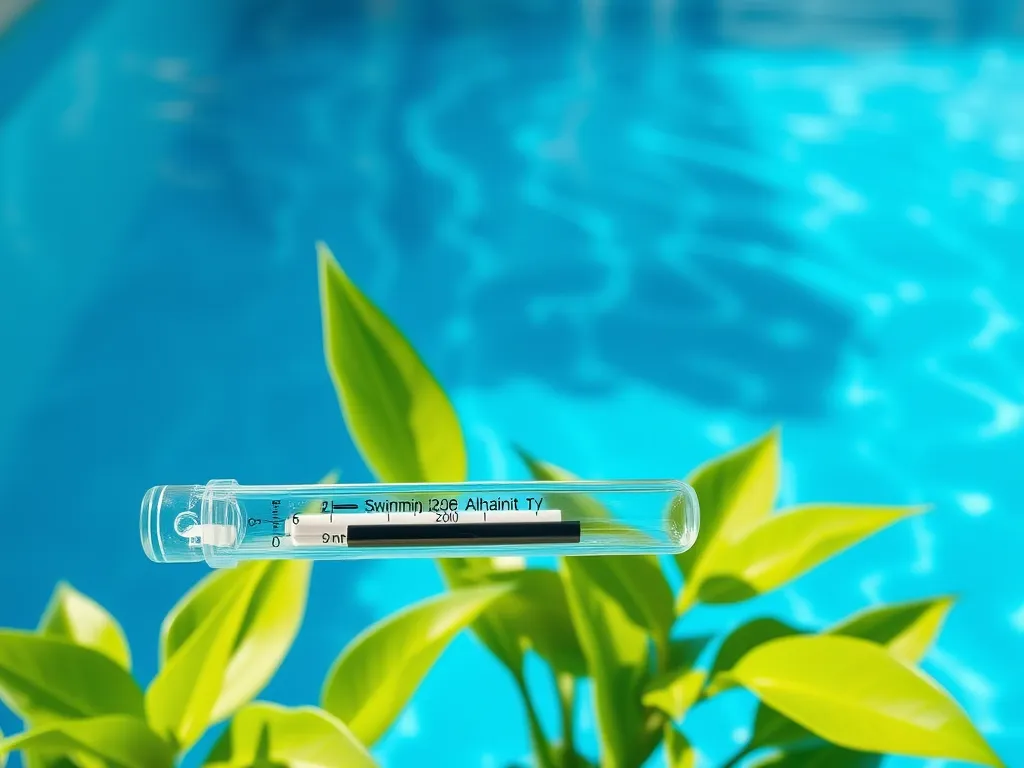
Certain test strips can identify metals, but their effectiveness depends on the strip’s design. General-purpose strips lack the chemical reagents needed for metal detection. Dedicated metal-testing strips use color-changing pads infused with chelating agents that bind to copper, iron, or other metallic ions. For example, the AquaChek Select 7-in-1 includes a metal indicator pad sensitive to copper levels up to 2 ppm.
How Metal-Sensitive Test Strips Work
Metal-detecting strips rely on chromogenic compounds that shift color when exposed to target ions. A copper-sensitive pad might contain bathocuproine, which turns purple when reacting with dissolved copper. Iron-testing strips often use ferrozine, creating a magenta hue at concentrations as low as 0.3 ppm. These reactions typically take 15-30 seconds and require precise timing to avoid skewed results.
Do Pool Test Strips Test for Copper?
Copper-specific test strips exist but aren’t universal. Brands like LaMotte and Taylor Technologies offer strips targeting copper in ranges from 0.2 ppm to 5 ppm – critical for pools using copper-based algaecides. The Poolmaster 5-Way Smart Test strips, for instance, include a dedicated copper pad to prevent staining from excess levels.
Specificity of Copper Test Strips
High-quality copper strips minimize cross-reactivity with other metals. Advanced formulations employ masking agents to block interference from iron or calcium. For accurate readings, users must dip strips vertically for 2 seconds, then lay them flat to prevent reagent bleeding. Even slight variations in technique can alter results by 0.5 ppm or more. Most copper strips maintain ±10% accuracy when used within their 60-90°F operating range.
While test strips provide a rapid metal-screening method, their precision depends on proper storage and usage. Next, we’ll examine scenarios where strips fall short – and when you need advanced testing tools.
Limitations Of Pool Test Strips for Metal Detection
While pool test strips detect metals like copper or iron, their reliability varies based on design and water conditions. Most strips target common metals but face challenges with precision at lower concentrations. It’s also important to monitor other water quality factors. Test strips for free total chlorine are essential for keeping pools safe and clean.
Are Pool Test Strips Accurate for Metals?
Standard pool test strips measure metals through color-changing pads coated with chelating agents. These react with ions like copper (Cu²⁺) or iron (Fe²⁺/Fe³⁺), but accuracy depends on sensitivity thresholds. For example, strips may detect copper at 0.2–0.5 ppm but miss trace amounts below 0.1 ppm. High chlorine levels (above 3 ppm) or pH imbalances can also distort results, leading to false negatives or skewed readings. Keeping your pool clean is essential, and so is ensuring the right fit for your pool liner. To keep your pool in top shape, it’s important to measure the pool liner accurately before installation.
Common Metals Pool Strips May Miss
Many strips focus on copper and iron, yet overlook metals like manganese, silver, or aluminum. Specialty strips exist for niche metals, but generic options bundled with pH/chlorine tests rarely include them. If your water source contains uncommon metals, test strips alone won’t provide a complete picture.
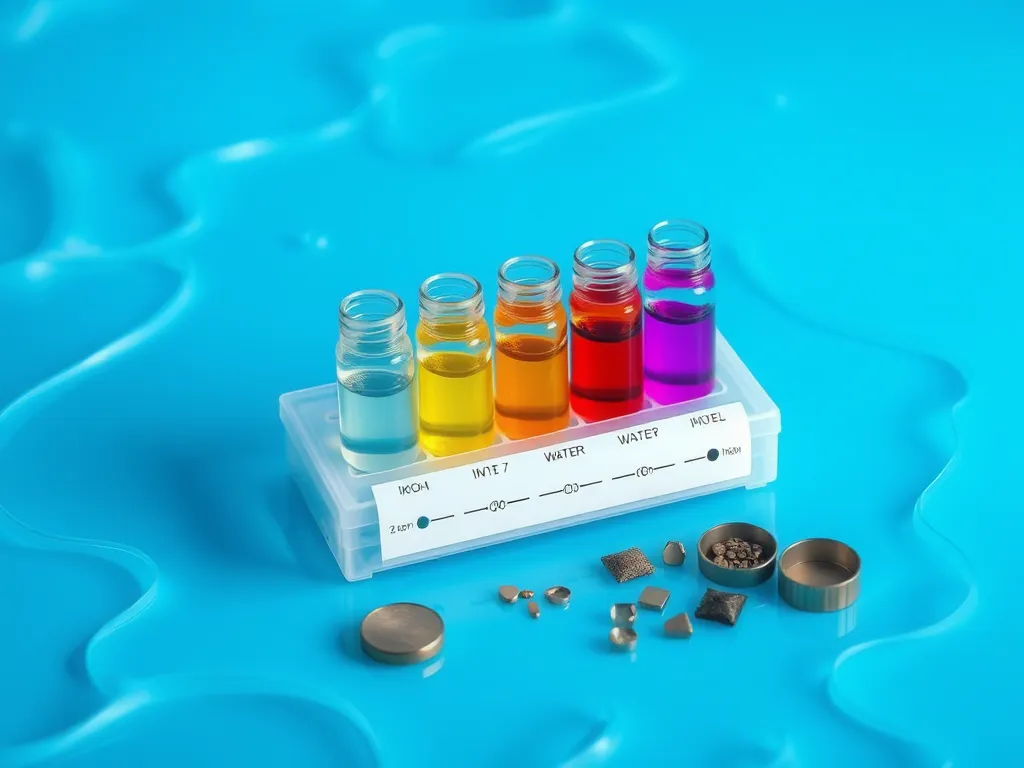
| Metal | Typical Detection Range | Interference Risks |
|---|---|---|
| Copper | 0.2–2.0 ppm | High chlorine, pH >7.8 |
| Iron | 0.3–1.0 ppm | Oxidizers, organic debris |
Testing for Copper in Pool Water
Copper enters pools via source water, algaecides, or corroded equipment. While test strips offer a quick check, proper technique ensures reliable results.
Steps to Use Copper Test Strips in Pool Water
- Dip the strip into elbow-deep water for 5 seconds.
- Hold horizontally for 30 seconds to prevent reagent runoff.
- Match the pad color to the chart under natural light—shadows alter interpretations.
Alternative Methods for Copper Testing
For precise copper levels, consider supplementary tests. Liquid kits or digital tools reduce human error and detect concentrations as low as 0.05 ppm.
Liquid Test Kits for Copper
Liquid kits like the Taylor K-2005 use titrants or colorimeters for exact measurements. Add 10 ml of pool water to a vial, then drip reagents until the sample changes color. Each drop equals 0.2 ppm copper, offering granularity strips can’t match. These kits cost $25–$50 but last 50–100 tests. Proper testing is important for maintaining clean and safe pool water. This is just one part of the essential work that pool cleaners do to keep pools healthy.
For pool owners battling persistent stains or metallic odors, combining test strips with liquid kits provides a balanced approach. Up next: tackling iron contamination—another metal with stealthy effects on water quality. Combining different testing methods can offer a more thorough analysis of water. This way, pool owners can ensure their water remains clean and safe for swimming.
Also See: Can You Switch From Chlorine to Bromine in an Existing Pool?
Testing for Iron in Pool Water
Iron contamination in pools often goes unnoticed until visible signs appear. Test strips designed for metal detection provide the first line of defense, but their effectiveness depends on proper use and interpretation. It’s important to be aware of how pool water can affect your hair. Taking steps to protect your hair from pool water keeps it healthy and looking its best.
How to Check for Iron With Test Strips
Dip iron-sensitive test strips into elbow-depth water for five seconds. Shake off excess liquid, then wait 60 seconds. Compare the pad’s color to the chart—pink or purple hues indicate iron levels. Strips typically measure 0-5 ppm, with color shifts showing severity. For reliable results, test weekly, especially if using well water or metal-based algaecides.
Signs Of Iron Contamination in Pools
Beyond test strip readings, physical changes signal iron presence. Greenish stains on vinyl liners or rusty streaks on concrete point to dissolved metals. Cloudy water with a metallic odor often accompanies high iron levels.
Staining and Discoloration Clues
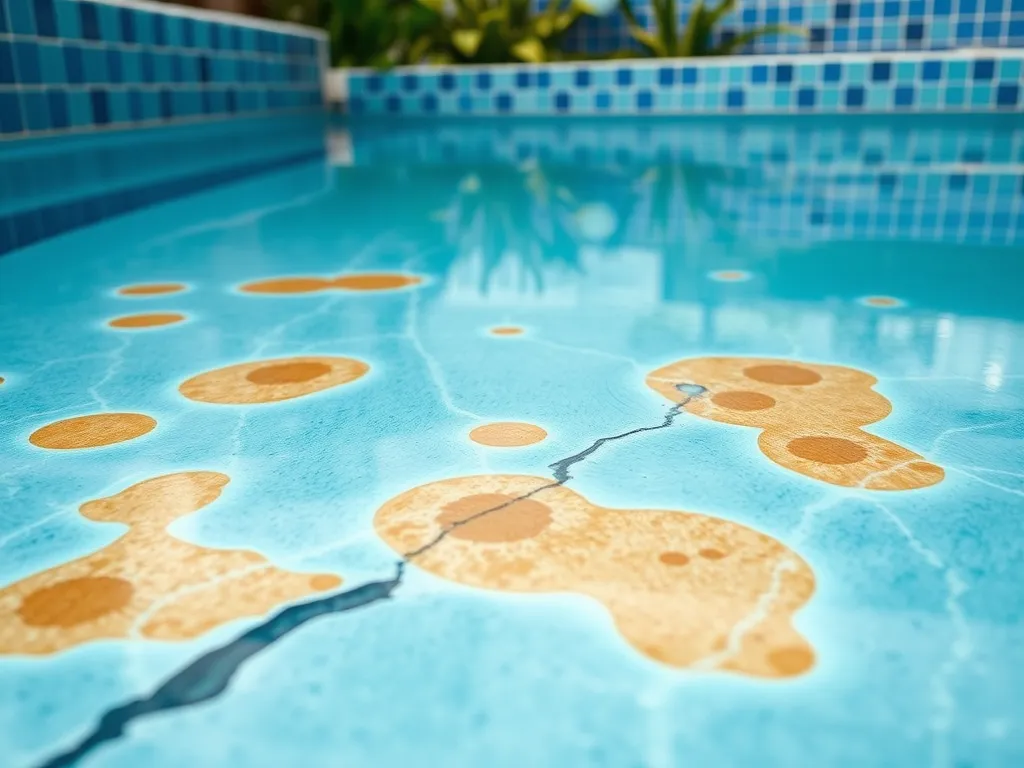
Look for brown deposits around returns, skimmers, or ladder steps. White pool surfaces may turn tea-colored, while plaster develops orange blotches. These stains resist standard brushing, confirming metal interaction with chlorine or pH imbalances. Maintaining a clean pool is important, but it’s also essential to ensure that your pool liner track is in good condition. A damaged liner track can cause more problems, so be sure to check it regularly for any signs of wear or damage.
Removing Metals From Pool Water
Once metals exceed 0.3 ppm, treatment becomes necessary. Two primary methods exist: chemical neutralization and physical filtration.
Chemical Treatments for Copper and Iron
Metal sequestrants like HEDP (hydroxyethylidene diphosphonic acid) bind to ions, preventing staining. Dosage ranges from 8-16 oz per 10,000 gallons, costing $20-$40 per quart. For severe cases, eliminators such as sodium metabisulfite break down metal compounds, requiring precise 5-10 ppm application.
Metal Sequestrants vs. Eliminators
Sequestrants (e.g., polyphosphates) keep metals suspended but don’t remove them—ideal for ongoing prevention. Eliminators (citric acid blends) oxidize metals for filtration, suited for existing stains. Never mix both; sequestrants deactivate eliminators.
Filtration Solutions for Metal Removal
Cartridge filters with 5-micron pleated fabric trap larger particles. For dissolved metals, install activated alumina or zeolite media in a dedicated tank. These systems reduce copper/iron by 90%, costing $300-$800 based on pool size. Backwash weekly during treatment cycles. When considering the overall budget for pool maintenance, it’s important to factor in additional costs like the installation and operation of a pool chiller. Pool chillers can vary widely in price, often ranging from a few hundred to several thousand dollars, depending on the model and features.
Preventing Metal Contamination in Pools
Proactive measures minimize metal ingress and chemical demand. Focus on water sources and equilibrium maintenance.
Source Control: Water and Equipment Checks
Test fill water for metals using lab-grade strips—copper above 0.2 ppm or iron exceeding 0.3 ppm requires pre-treatment. Inspect heaters and pumps for corrosion; replace brass fittings with PVC. Avoid copper-based algaecides in vinyl-lined pools. Excess copper can lead to algae growth in pipes. Managing copper levels is important to prevent algae problems in your system.
Balancing Chemicals to Reduce Metal Reactions
Maintain pH 7.4-7.6 and total alkalinity 80-120 ppm. High pH (>7.8) oxidizes metals, increasing staining risk. Use cyanuric acid below 50 ppm to prevent chlorine-metal bonding. For saltwater pools, monitor chloride levels—excess accelerates corrosion. Keeping these levels balanced helps ensure a safe swimming environment. Regular pool shocking can also keep the water clear and free of harmful contaminants.
Managing metals requires both vigilance and technique. Up next, we’ll address frequent queries about test strip reliability and advanced detection methods.

FAQs About Metal Detection in Pool Water
How Often Should I Test for Metals in My Pool?
Test monthly if using municipal water, but increase to weekly for pools filled with well water or after adding metal-based treatments. Seasonal changes (e.g., heavy rainfall) or equipment corrosion events also warrant extra checks.
Can High Metal Levels Affect Swimmer Health?
Copper above 1.0 ppm may cause skin irritation or green hair, while iron isn’t directly harmful but fosters bacterial growth. Always address levels exceeding 0.5 ppm to prevent indirect health risks.
What Should I Do if Test Strips Show High Metal Levels?
Immediately add a sequestrant (follow dosage guidelines) and retest with a liquid kit for confirmation. For persistent issues, flush the system with a metal eliminator and consider upgrading filtration.
Does Sunlight or Temperature Impact Test Strip Accuracy?
Yes. UV exposure can bleach reagent pads, causing false lows. Store strips in cool, dark places and avoid testing in direct sunlight. Extreme temperatures (>90°F) may accelerate color reactions, skewing results.
Do Saltwater Pools Require Different Metal Testing?
Yes. Salt chlorination increases corrosion risks, especially with copper heat exchangers. Test saltwater pools biweekly for metals and use strips specifically rated for high-chloride environments. As pool technology advances, many owners are turning to smart systems for better maintenance. These systems can monitor water quality and simplify the testing process, helping to prevent issues like corrosion.
How Long Are Metal Test Strips Effective Before Expiring?
Unopened strips last 2-3 years, but once opened, moisture degrades them within 6 months. Always check expiration dates and discard strips with faded color charts or clumped reagent pads. Keeping equipment in good condition is essential for pool maintenance. A well-functioning pool pump can last for 8-10 years with proper care.
Closing Thoughts
Pool test strips can detect metals like copper or iron, but their accuracy varies. While convenient, they may not catch every trace of contamination. For precise results, consider liquid test kits or professional lab testing.
Regular metal checks prevent stains and equipment damage. Pair testing with proper treatments—sequestrants bind metals, while filtration removes them. Always monitor your water source and balance chemicals to minimize metal buildup.
For more pool care tools and guides, explore My Pool Calculator. Keep your water clear, safe, and metal-free with the right testing approach.