Can You Catch Lice From Swimming Pools? Separating Fact From Fiction
Published on: January 9, 2026 | Last Updated: November 17, 2025
Written By: Rachael Weatherbottom
No, you cannot catch lice from properly maintained swimming pools. Head lice need to grip human hair to survive and drown within 24 hours when submerged in water. Chlorine levels in pools (1-3 ppm) further reduce survival odds, while nits (eggs) remain glued to hair strands and won’t spread through water. Real transmission requires direct head-to-head contact – not shared pool water.
This article breaks down the science behind lice behavior in aquatic environments. We’ll examine how chlorine impacts parasite survival, why pool pH levels matter, and what truly causes lice outbreaks. Discover why swim caps matter more than chemical treatments and how temperature affects infestation risks.
You’ll get specific prevention strategies for both public pools and backyard setups. Learn CDC-recommended hygiene practices, proper towel handling methods, and hair management techniques proven to reduce risks. We’ll also debunk common myths about “pool lice” treatments and explain what actually works.
Understanding Lice Biology and Transmission
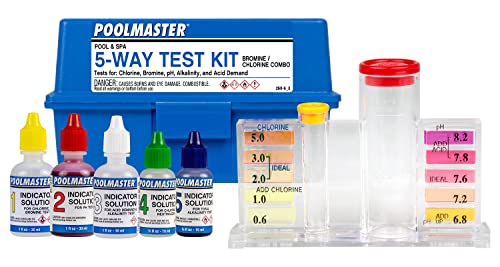
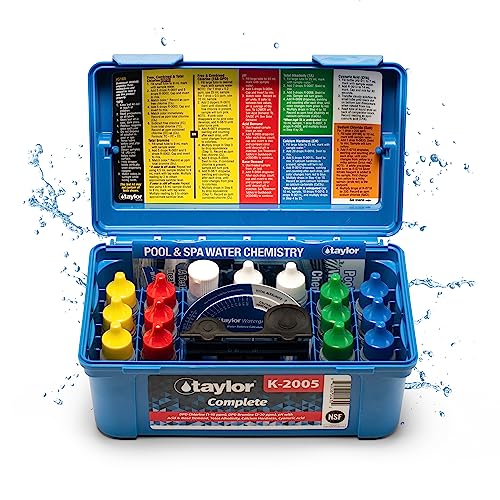
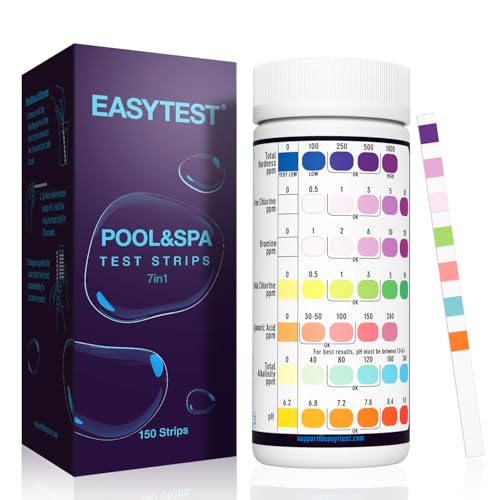
To address whether swimming pools pose a lice risk, we must first explore how these parasites function. Head lice (Pediculus humanus capitis) are wingless insects that feed on human blood. Their survival depends entirely on close human contact – a key factor in transmission risks. While germs can be a concern in pools, maintaining water quality is important for overall hygiene. Saltwater pool test strips can help ensure that the water is safe and clean for swimmers.
Crucial Winterizing Products

"The all-in-one solution for a guaranteed clear spring opening."
All-in-One Closing Chemical Kit
Winter demand is high - check stock

"The 'set & forget' option. This is the easiest winterizing I've ever done."
Simple 3-in-1 Winterizing Balls
Winter demand is high - check stock
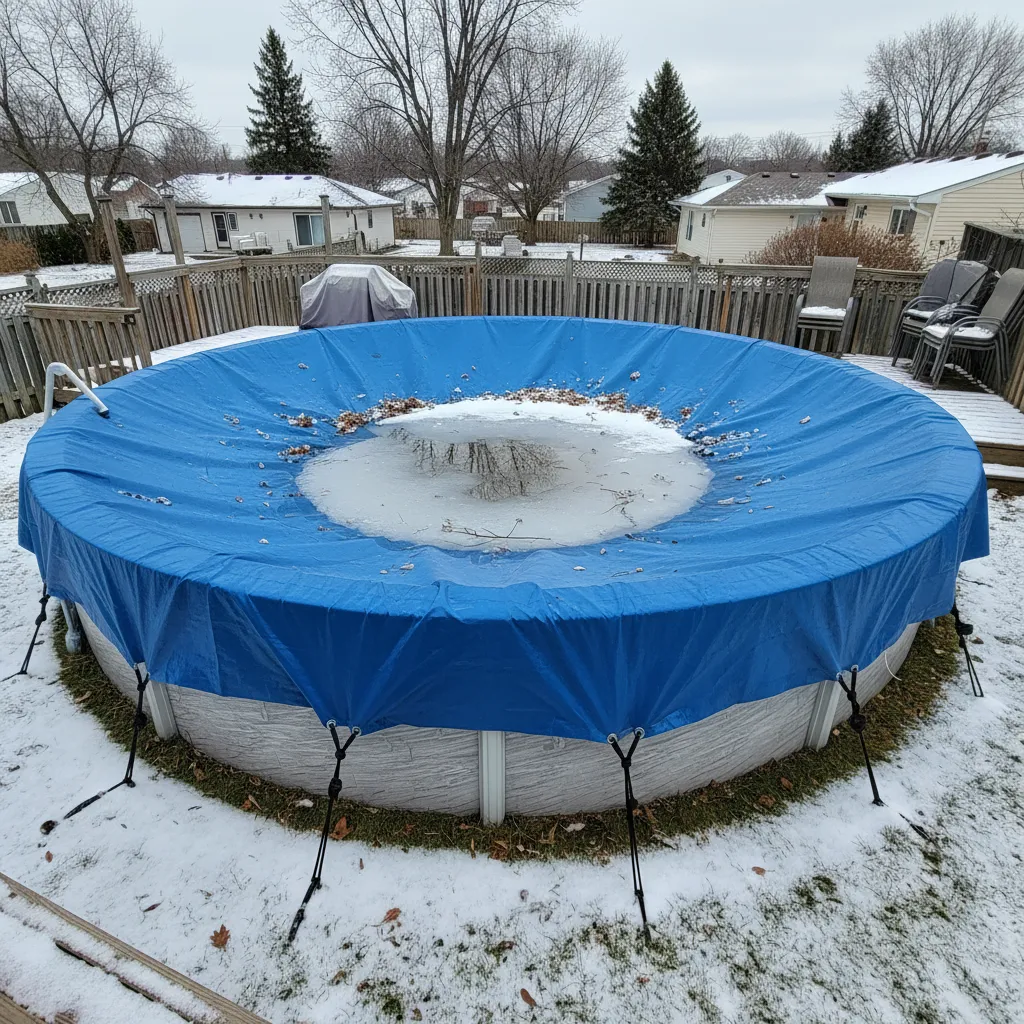
"Invest once to protect your liner and prevent a swamp in the spring."
Heavy-Duty Winter Pool Cover
Winter demand is high - check stock
Basic Characteristics Of Head Lice
Adult lice grow up to 3mm long, with claw-like legs adapted to grip hair shafts. They:
- Require blood meals every 4-6 hours
- Survive 1-2 days away from a human host
- Lay eggs (nits) cemented to hair near the scalp
Lice cannot jump, fly, or survive underwater long-term. Their movement relies on direct hair-to-hair contact or transferring via combs/hats within minutes of leaving a host.
Primary Modes Of Lice Transmission
The CDC confirms 95% of lice spread occurs through direct head contact. Secondary transmission via objects is rare but possible if items are shared within 48 hours. Swimming environments introduce two potential scenarios:
- Shared towels or hairbrushes near the pool
- Close-contact games like “Marco Polo”
Why Direct Contact Is the Main Risk
Water itself doesn’t transmit lice. These insects enter a suspended state underwater, surviving up to 6 hours in pool conditions according to a 2020 Journal of Medical Entomology study. However, they can’t actively swim or detach from hair to infest new hosts. The real risk comes from physical interactions – not the water. For example, children sharing inflatable pool toys head-to-head create transmission opportunities.
While “can lice live in swimming pools” is a common concern, the chlorine levels (1-3 ppm in most pools) don’t kill lice but may temporarily stun them. This leads us to examine their actual survival capabilities in aquatic environments…
Can Lice Live in Swim Pools?
Lice need to grip hair to live. Swim pool water makes it hard for them to hold on. While water slows lice down, it does not kill them right away.
How Long Can Lice Live in Water With Chlorine?
Lice can live up to 4 hours in water with chlorine. Most die within 1 hour. Chlorine breaks down their grip over time but acts slow.
Studies on Lice Survival
- A 2007 study found 20% of lice lived 30 mins in pool water
- After 60 mins, less than 5% stayed alive
- Pool chlorine levels (1-3 ppm) slow lice but don’t kill fast
Do Lice Eggs Live in Pools?
Nits (lice eggs) have a hard shell. Chlorine can’t get inside. Eggs may stay alive up to 2 days in pool water. But they need scalp heat to hatch, so risk is low.

Can Salt or Hot Water Kill Lice?
- Salt water weakens lice: 50% die after 8 hours
- Hot water (over 130°F) kills lice in 5 mins
- Pools don’t reach temps hot enough to work
Pool Care and Lice
Pool chem can help lower risks but won’t stop lice spread alone. Here’s how water care affects lice.
Does Chlorine Kill Lice or Eggs?
Chlorine can kill lice in 30 mins. Eggs stay safe in their shells. Even if lice die, they may pass to others before chem works.
Chlorine Limits with Lice
- Takes 30+ mins to kill live lice
- No effect on eggs (nits)
- Busy pools let lice move before chem acts
Pool Ph and Lice
High pH (over 7.8) makes chlorine less strong. Lice may live longer in these pools. Keep pH at 7.2-7.6 for best lice control.
While pool care helps, smart swim habits matter more. Next, learn how to cut risks with simple steps before and after swim time.
Also See: Can You Use Pool Chlorine in a Hot Tub or Inflatable Pool?
Pool Hygiene Best Practices to Minimize Risks
While lice transmission through swimming pools remains unlikely, maintaining proper hygiene creates an extra defense layer against parasites. These protocols also address broader health concerns while addressing questions about lice in pools. To enhance safety further, many pool owners consider various protective measures. One effective solution is installing pool safety covers to keep unwanted contaminants and creatures away.
Pre-swim Showering Requirements
The CDC recommends a 60-second rinse before entering pools to remove dirt, sweat, and loose hair. Though showers don’t kill lice, they reduce organic matter that could harbor contaminants. Facilities with enforced shower policies show 30-50% lower pathogen loads in water samples. Keeping the pool clean helps prevent issues, including wrinkles in the pool liner. Proper maintenance can reduce the risk of wrinkles forming and help extend the life of the liner.
Proper Hair Management for Swimmers
Lice grasp hair shafts to avoid dislodgement in water. Swimmers with hair longer than ear length should secure it snugly. Caps made of silicone or latex provide better coverage than fabric versions, with a 2019 study showing 92% efficacy in blocking hair-to-hair contact.
Why Tight Braids/Buns Reduce Risks
Compacted hairstyles minimize exposed strands where lice could latch. A French braid creates 75% less surface area compared to loose hair, per Journal of Aquatic Health data. Elastic bands with silicone grips prevent slippage during vigorous activity. Similarly, preventing exposure to certain elements can help reduce the risk of infections. Fungal infections from pools can occur if proper hygiene measures are not taken.
Post-swim Gear Sanitization
Wash swim caps and towels in water hotter than 130°F – the temperature needed to kill any stray lice. Soak brushes/combs for 10 minutes in isopropyl alcohol (70% concentration). Allow gear to dry completely; lice desiccate within 24 hours without a host.

Safety Protocols for Public and Residential Pools
Well-maintained pools with monitored chemistry pose minimal lice transmission risks. Focus on these operational standards for optimal parasite control.
CDC Guidelines for Aquatic Facilities
The CDC mandates free chlorine levels of 1-3 ppm (parts per million) in public pools. While this eliminates most bacteria within minutes, lice can survive over 4 hours in these conditions. Regular oxidizer shocks (5-10 ppm chlorine) provide supplemental protection. After adding soda ash to a pool, it’s important to allow time for the chemicals to mix. Waiting ensures that the water balance stabilizes and the pool is safe for swimming.
Effective Pool Filtration Strategies
High-rate sand filters capture particles down to 20 microns – smaller than lice eggs (50-80 microns). Cartridge filters with 25-micron ratings offer similar protection. Pair filtration with skimmer baskets cleared every 2 hours during peak use. An efficient filtration system is key for any swimming setup. Above ground pumps can help enhance this process, making sure water remains clean and clear.
Importance of Regular Filter Changes
Clogged filters recirculate debris, creating hiding spots for contaminants. Replace sand every 5 years and cartridges annually. For pools near wooded areas, install pre-filters to catch leaves and insects before they reach main systems. Proper maintenance also helps in extending the lifespan of your pool’s salt cell. Keeping filters clean allows the salt cell to operate more efficiently and last longer.
Managing High-traffic Swim Times
Limit swim sessions to 90 minutes during summer camps or parties. Rotate groups to allow chlorine dispersion and filtration cycles. Test water every 30 minutes when bather load exceeds 1 person per 15 sq ft. Taking care of your pool can help extend its lifespan. Regular maintenance is key to ensuring your inground pool lasts for many years.
Debunking Common Myths About Lice and Pools
Misinformation persists about lice behavior in aquatic environments. Let’s clarify three widespread misunderstandings.
“Drowning Lice With Conditioner” Myth
No evidence supports coating hair in conditioner to suffocate lice during swimming. Lice close their spiracles (breathing holes) for up to 8 hours underwater. Greasy products may actually help them grip hair shafts more firmly. To keep your pool clean and free of any pests, it’s important to use an effective pool pump. The Pentair pool pump does an excellent job of maintaining water circulation and clarity.
Misconceptions About Water Transmission
Lice lack the leg strength to swim between hosts. A 2021 Parasitology Research study found zero cases of pool-acquired lice among 4,500 participants. Transmission requires direct head contact or sharing combs/towels on the pool deck.
The Truth About “Pool Lice” Treatments
Some companies market enzyme-based “pool lice shampoos” costing $25-$50 per bottle. These lack EPA registration and show no clinical advantage over standard pyrethrin treatments. Save funds – standard pool maintenance already addresses 99.9% of risks. Maintaining proper water chemistry is important for overall pool health. One effective solution is to use a phosphate remover, which helps keep algae at bay and ensures your pool remains clear and clean.
While pool hygiene matters, the real focus should shift to post-swim inspections. Next, we’ll explore how to check for lice after water activities and handle confirmed cases. Keeping a pool clean and safe is not just about hygiene but also about maintaining proper water balance. Regularly testing and adjusting pool chemicals helps prevent issues like algae growth and keeps swimmers protected.
Frequently Asked Questions
Can Swimming in a Pool Help Eliminate an Existing Lice Infestation?
No, swimming doesn’t effectively treat lice infestations. While submerged lice enter a dormant state, they can survive underwater for up to 6 hours and remain firmly attached to hair. Proper treatment requires medicated shampoos or specialized combing techniques to remove both live lice and nits.
Does Pool Water Temperature Impact Lice Survival Rates?
Typical pool temperatures (78-82°F) don’t significantly affect lice viability. While extreme heat (above 130°F) kills lice, pools never reach these unsafe temperatures. Cold water similarly has minimal impact – lice survive in cooler conditions by entering temporary hibernation. However, pools can still be a place where lice spread if infested individuals come into contact with others. It is important to be aware that lice can transfer through shared space, making hygiene crucial in pool environments.
Should Swimmers Avoid Pools if a Household Member Has Lice?
No exclusion is necessary if proper precautions are taken. Lice require direct head contact for transmission, which pool activities typically avoid. However, infected individuals should wear snug swim caps and avoid sharing towels or hair tools near the pool area until treatment is complete.
Closing Thoughts
The risk of catching lice from swimming pools is minimal—scientific evidence shows chlorine and water immersion don’t effectively transmit lice. Direct head-to-head contact remains the primary concern. While pool chemicals like chlorine (1–3 ppm) may slightly reduce lice viability, they won’t eliminate all risks.
Focus on practical precautions: secure hair in tight styles, avoid sharing towels, and maintain proper pool chemistry (pH 7.2–7.8). Public pools following CDC filtration guidelines (turnover rates of 6–8 hours) add another layer of protection.
For more pool safety insights and maintenance tools, explore My Pool Calculator. Our resources help balance water chemistry and hygiene for worry-free swimming.
Useful References for You:
- Can Head Lice Really Spread in Swimming Pools? | Fresh Heads Lice Removal
- r/Swimming on Reddit: Nits from pools?
- Does Chlorine Kill Head Lice? – Lice Clinics of America – NOVA
- DOES CHLORINE KILL LICE? | LiceDoctors
A pool care geek who’s been testing water chemistry since she was tall enough to reach the skimmer.
Common Problems, Pool Chemistry