Can You Get a Fungal Infection From a Swimming Pool?
Published on: January 12, 2026 | Last Updated: November 17, 2025
Written By: Rachael Weatherbottom
Yes, you can get fungal infections like athlete’s foot or ringworm from swimming pools. Fungi thrive on damp surfaces near pools, such as decks, showers, and locker rooms, and spread through direct contact with skin or contaminated items. While chlorine reduces bacteria and viruses, it doesn’t fully eliminate hardy fungal spores. Preventive steps like wearing waterproof sandals and showering immediately after swimming lower your risk significantly.
This article breaks down how fungal infections spread in pool environments and which types are most common. Learn why chlorine alone can’t guarantee protection and how factors like improper pH levels (below 7.2 or above 7.8) or low chlorine concentrations (under 1 ppm) allow fungi to survive. We’ll also explore symptoms to watch for, such as itchy skin or discolored nails, and how to distinguish them from chlorine rash.
You’ll get actionable tips to safeguard yourself and your pool. Discover why scrubbing pool tiles weekly and maintaining 3 ppm chlorine during heavy use matters. Find out how shared towels or wet swimsuits create breeding grounds for fungi. Whether you’re a casual swimmer or manage a public pool, these insights help reduce health risks while keeping the water inviting.
Understanding Fungal Infections in Swimming Pool Environments
Fungi thrive where heat, damp, and skin meet. Pools create prime spots for these germs to grow and spread. While chlorine helps curb some risks, certain fungi can survive in treated water and on wet surfaces. It’s important to maintain a clean pool environment. Checking the salt level regularly helps ensure proper sanitation and prevents fungal growth.
Crucial Winterizing Products
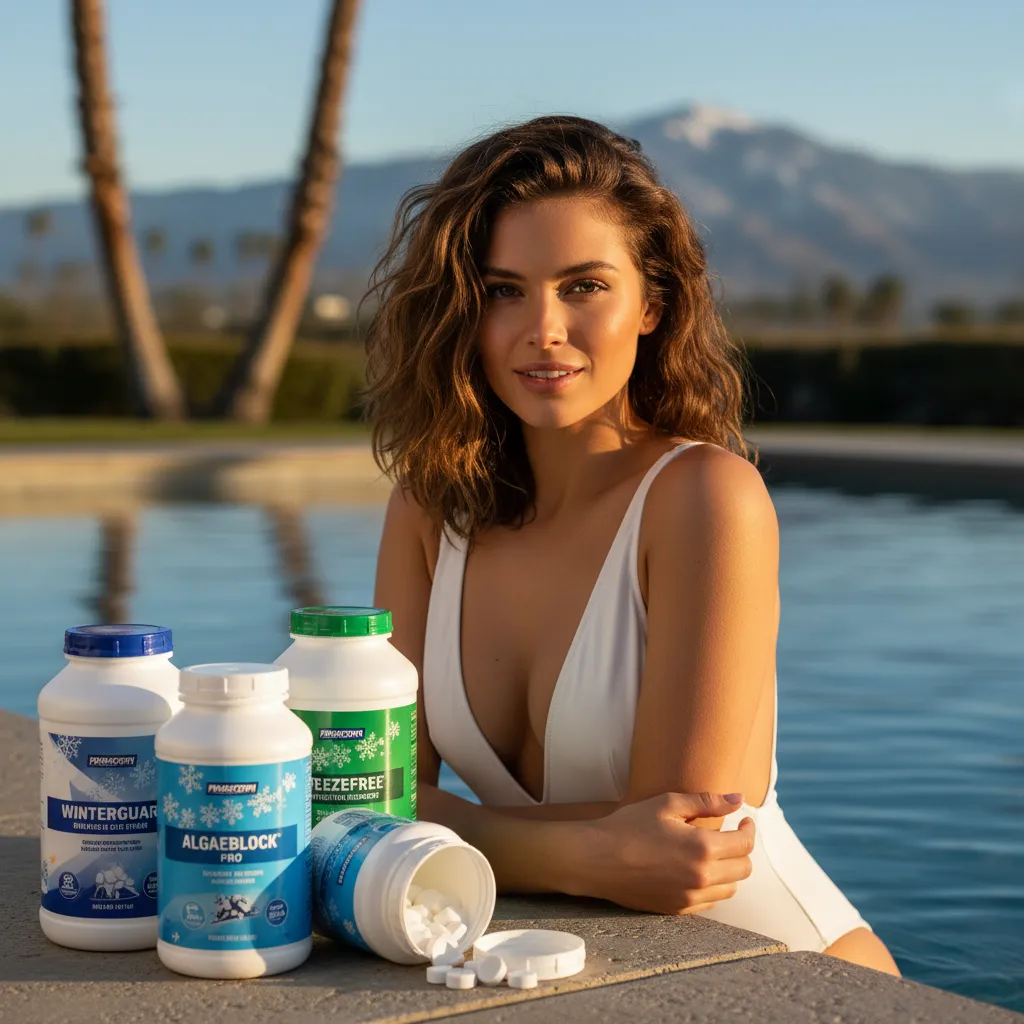
"The all-in-one solution for a guaranteed clear spring opening."
All-in-One Closing Chemical Kit
Winter demand is high - check stock

"The 'set & forget' option. This is the easiest winterizing I've ever done."
Simple 3-in-1 Winterizing Balls
Winter demand is high - check stock
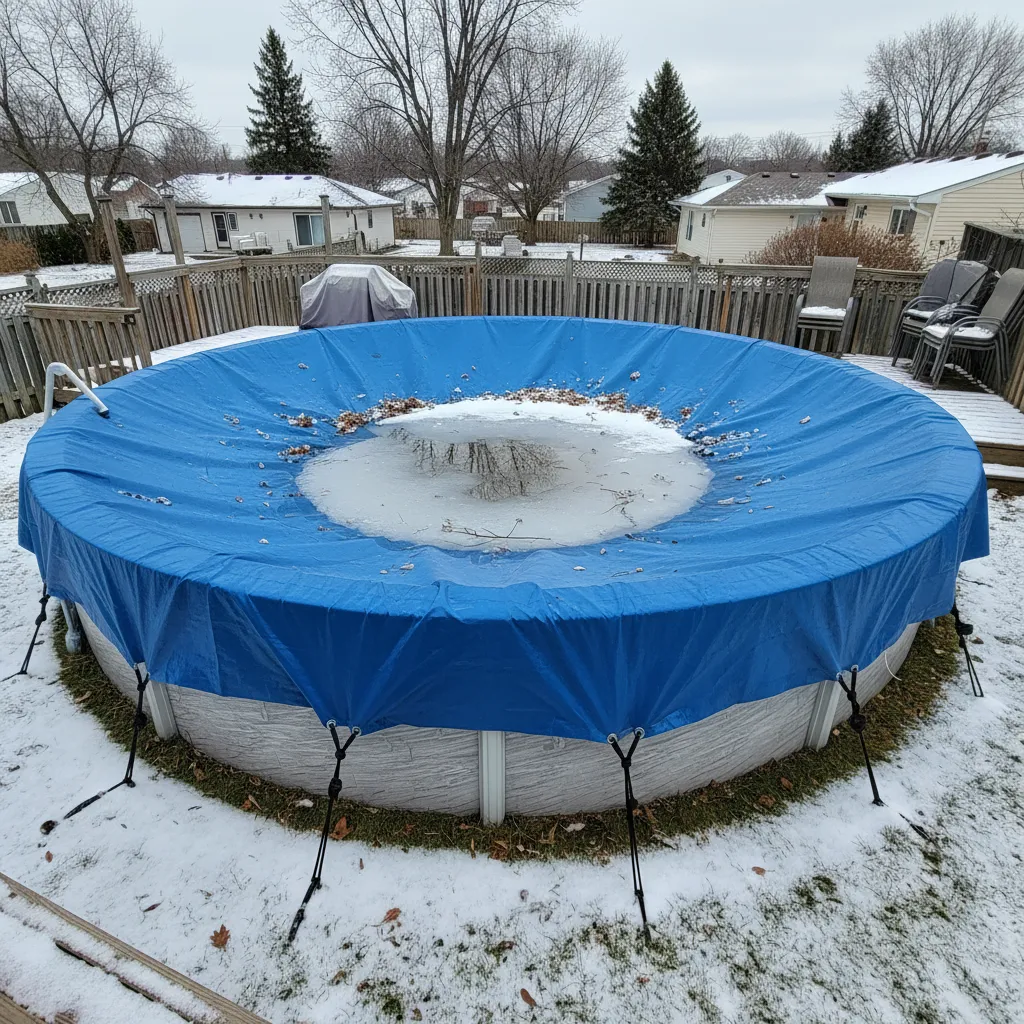
"Invest once to protect your liner and prevent a swamp in the spring."
Heavy-Duty Winter Pool Cover
Winter demand is high - check stock
How Fungal Infections Spread in Swimming Pool Environments
Fungi move from person to person through direct touch or shared spaces. Pool decks, showers, and gear like towels act as middlemen, passing spores between users. Even well-kept pools can host these germs if upkeep slips.
Common transmission pathways (surfaces, water, shared items)
Walking barefoot on wet tiles or mats can transfer foot fungi like tinea pedis (athlete’s foot). Shared gear—kickboards, toys, or benches—may carry spores if not cleaned. Water itself spreads germs when pools lack enough sanitizer. A 2022 study found 12% of public pools had fungal spores in water samples, mostly in low-chlorine zones.
Role of warm, moist environments in fungal growth
Fungi multiply fast in temps above 77°F, common in indoor pools or hot tubs. Damp pool decks and shower floors keep spores alive for days. Humid air near water surfaces also helps fungi stick to skin or nails, raising infection odds.
Spotting these risks helps pool users stay safe. Next, we’ll break down the specific fungal threats tied to pools and their telltale signs.
Types Of Fungal Infections Linked to Swimming Pools
Public swimming pools create environments where certain fungi thrive. While water quality standards exist, moist surfaces surrounding pools offer breeding grounds for microbes. Four common infections tied to these settings require specific attention. This concern extends beyond just germs; it also includes the effects of saltwater pools on hair. Saltwater can lead to dryness and damage, affecting hair’s texture and health over time.
Athlete’s Foot (Tinea Pedis)
This contagious infection spreads through direct contact with contaminated floors. The fungi responsible, dermatophytes, flourish on damp pool decks, shower stalls, and locker room tiles.
Symptoms and risk areas (pool decks, showers)
Look for cracked skin, burning sensations, or peeling between toes. Walking barefoot near pool edges or shared showers raises exposure risks. Studies show 70% of public pool users report encountering these zones without protective footwear.
Ringworm (Tinea Corporis)
Despite its name, ringworm stems from fungal growth, not parasites. Circular rashes with raised edges develop after skin contact with infected surfaces like lounge chairs or towels. The CDC notes outbreaks often trace back to poorly sanitized recreational water facilities.
Tinea Versicolor
Warm, humid pool climates trigger this condition caused by Malassezia yeast. It manifests as discolored skin patches—lighter or darker than surrounding tissue. Though not strictly contagious, sweaty post-swim skin creates ideal conditions for overgrowth. To help prevent this issue, it’s important to keep the water balanced. This includes running the pump when shocking the pool to ensure proper circulation and distribution of chemicals.
Nail Fungus (Onychomycosis)
Thickened, brittle nails with yellow streaks signal this stubborn infection. Fungal spores enter through tiny cuts around toenails, frequently in those wearing tight footwear post-swim. The Journal of Clinical Microbiology found pool areas harbor up to 50 fungal species capable of invading nails.
Does Pool Sanitation Prevent Fungal Infections?
While pools use disinfectants like chlorine, complete fungal eradication remains challenging. Microbial resilience combined with maintenance gaps allows pathogens to persist. To improve pool hygiene, many pool owners turn to additional treatments. One effective solution is using a pool oxidizer, which helps eliminate organic contaminants and improve water clarity.
How Effective is Chlorine Against Fungi?
Chlorine at 1-3 ppm (parts per million) neutralizes many bacteria but struggles with fungi. Research indicates it takes 30+ minutes of exposure to inactivate dermatophytes—far longer than typical water circulation cycles.
Limitations of chlorine in killing fungal spores
Fungal spores possess thick cell walls, resisting chemical penetration. Studies show chlorine concentrations under 5 ppm fail to destroy spores of common strains like Trichophyton. Most public pools maintain levels below 3 ppm for swimmer safety. Maintaining effective chlorine levels is essential for keeping water safe from contaminants. This relationship between chlorine and cyanuric acid helps stabilize chlorine levels, ensuring better protection against harmful microorganisms.
Factors That Compromise Pool Sanitation
Even well-maintained pools face variables undermining disinfection. Two critical issues routinely challenge facility operators.
Improper pH balance
Chlorine’s potency drops sharply when pH exceeds 7.8. Testing kits often reveal public pools operating at 8.0-8.5 pH due to heavy usage, cutting chlorine efficacy by 50%.
Inadequate chlorine levels
Bather load quickly depletes free chlorine. During peak hours, 100 swimmers per hour can reduce levels from 3 ppm to 0.5 ppm in under 60 minutes. Many facilities only test chlorine twice daily, allowing extended periods of vulnerability. To maintain water quality, it’s also important to monitor the effects of chemical adjustments. After adding soda ash to your pool, waiting is essential to ensure proper mixing and stabilization before swimming resumes.
While pool maintenance plays a role in reducing risks, user habits equally influence exposure likelihood. Recognizing early signs of infection helps mitigate long-term health impacts. To further promote safety, it is important to consider additional measures. Pool safety covers can effectively prevent accidents when the pool is not in use.
Also See: Can You Switch From Chlorine to Bromine in an Existing Pool?
Symptoms Of Fungal Infections From Swimming Pools
Fungal infections linked to swimming pools often present distinct physical signs. Recognizing these early helps with timely treatment, reducing spread to others.
Skin Redness, Itching, and Peeling
Patches of red, irritated skin between toes or on the soles signal conditions like athlete’s foot (tinea pedis). Persistent itching worsens when sweat or moisture gets trapped, leading to flaky or peeling skin. These symptoms typically emerge 24-48 hours post-exposure.
Blisters or Bumps After Swimming
Small, fluid-filled blisters or raised bumps might develop on feet, groin, or underarms. These lesions often weep or crust over when scratched, creating entry points for secondary bacterial infections. Such reactions stem from direct contact with contaminated surfaces like pool decks.
Discolored Nails or Skin Patches
Nail fungus (onychomycosis) turns nails yellow, brittle, or thickened. Tinea versicolor causes lighter or darker patches on the chest, back, or arms. Both thrive in humid pool environments, spreading through shared towels or unclean water.
How to Prevent Fungal Infections From Swimming Pools
Minimizing exposure requires combining personal habits with physical barriers. Focus on breaking the chain of transmission.
Personal Hygiene Practices
Simple routines drastically lower infection risks. Prioritize pre- and post-swim rituals.
Showering before and after swimming
Rinsing with soap removes sweat, oils, and environmental contaminants. Post-swim showers eliminate chlorine-resistant fungi clinging to skin. Spend extra time scrubbing feet, nails, and skin folds. Care for your skin can also relate to the health of your body. Keeping an eye on hydration and mineral levels, including calcium, helps promote overall wellness, which includes tests like the calcium saturation index test.
Drying feet thoroughly
Use a clean, dry towel to pat spaces between toes. Fungi multiply in damp conditions—consider carrying a portable antifungal powder for high-risk areas like public locker rooms.
Protective Measures
Physical barriers block contact with pathogens. Invest in gear designed for pool hygiene.
Wearing pool shoes in public areas
Waterproof sandals or flip-flops shield feet from contaminated floors near pools, showers, and changing rooms. Opt for non-porous materials like rubber, which resist fungal adhesion.
Avoiding shared towels
Communal towels harbor fungi like ringworm (tinea corporis). Bring your own quick-drying microfiber towel, and wash it at 140°F post-use to kill lingering spores.
Pool Maintenance Guidelines to Minimize Fungal Risks
Proper upkeep disrupts fungal habitats. Balance chemical treatments with mechanical cleaning.
Optimal Chlorine and Ph Level Management
Maintain free chlorine at 1-3 ppm and pH between 7.2-7.8. Higher pH reduces chlorine’s efficacy, letting fungi like trichophyton survive. Test levels twice daily during peak usage. Additionally, it’s important to monitor other factors like cyanuric acid. Keeping cyanuric acid at optimal levels helps stabilize chlorine and improve its effectiveness in sanitizing the water.
Regular Pool Shocking and Scrubbing
Weekly superchlorination (10+ ppm) breaks down organic matter where fungi hide. Pair this with brushing tiles, ladders, and corners to dislodge biofilms—slimy layers protecting fungal colonies.
Inspecting and Repairing Pool Surfaces
Cracked plaster or grout traps moisture, creating breeding grounds. Patch defects swiftly using waterproof sealants. Smooth surfaces prevent spore accumulation, making routine cleaning more effective.
Being mindful of symptoms, prevention tactics, and pool upkeep prepares you to enjoy swimming without unwanted side effects. Next, let’s tackle common queries about fungal risks in aquatic settings. One aspect of maintaining a healthy swimming environment involves ensuring that any water features, like the Pool of Bethesda, are clean and safe. The Pool of Bethesda is known for its healing waters, which attract many seeking relief from ailments.
Frequently Asked Questions (FAQ)
How Long Can Pool-related Fungi Survive on Surfaces?
Fungal spores can persist on damp pool decks, shower floors, or towels for 24–72 hours. Dermatophytes like those causing athlete’s foot survive longer in porous materials (e.g., wood, fabric) than on non-porous surfaces like tile.
Are Antifungal Sprays or Powders Effective for Prevention?
Yes. Applying over-the-counter antifungal powders to feet before swimming creates a protective barrier. Sprays containing tolnaftate or miconazole can also reduce infection risk when used on high-contact areas like toes and groin.
Can Fungal Infections From Pools Spread to Other Body Parts?
Absolutely. Scratching infected areas and touching other skin surfaces (e.g., groin, scalp) can transfer fungi. Always wash hands after touching affected skin, and avoid sharing personal items like razors.
Is Saltwater Pool Usage Safer Than Chlorinated Pools for Fungal Risks?
Not necessarily. While saltwater pools have lower chlorine levels (0.5–1 ppm vs. 1–3 ppm), salt doesn’t kill fungi effectively. Proper maintenance—not pool type—determines safety. Both require pH monitoring and surface cleaning. This brings us to an important question: Are saltwater pools sanitary enough for regular use? The answer lies in how well the pool is maintained and the effectiveness of its sanitation system.
How Soon After Exposure Do Fungal Infection Symptoms Appear?
Symptoms typically emerge 2–14 days post-exposure. Incubation periods vary by fungus type: athlete’s foot often appears within 3–7 days, while nail fungus might take weeks to manifest visible changes.
Can You Develop Immunity to Pool-related Fungal Infections?
No. Repeated exposure doesn’t build immunity—it increases infection likelihood. Fungi evolve defenses against human immune responses, and moist environments continually reintroduce pathogens.
Do UV Pool Sanitizers Eliminate Fungal Risks?
UV systems reduce but don’t eradicate fungi. They neutralize free-floating spores in water but don’t address surface contamination. Pair UV with routine scrubbing and chlorine for comprehensive protection. To further enhance pool hygiene, many people consider using UV pool sanitation systems. These systems effectively work alongside traditional methods, providing an additional layer of safety against harmful microorganisms.
Closing Thoughts
Fungal infections from swimming pools are possible but preventable. Warm, moist environments and shared surfaces create ideal conditions for fungi like athlete’s foot and ringworm to thrive. While chlorine helps, it doesn’t eliminate all risks—proper hygiene and pool maintenance are key.
Wearing pool shoes, showering before and after swimming, and maintaining chlorine levels between 1-3 ppm with a pH of 7.2-7.8 significantly reduce exposure. For pool owners, regular shocking and scrubbing prevent fungal buildup.
Stay informed about pool safety with My Pool Calculator. Our tools help you balance chemicals and keep your swimming experience worry-free.
Additional Resources for You:
- Public pools, showers and locker rooms: Perfect Conditions for Fungal Infections
- Sneaky Summer Skin Infections You Can Pick Up at the Pool | Children’s Hospital of Philadelphia
- Is a salt water swimming pool safe for fungal infections? – Quora
- Swimming Pools and Fungal Infections – Tucson Podiatrist
A pool care geek who’s been testing water chemistry since she was tall enough to reach the skimmer.
Algae Treatment, Common Problems, Pool Chemistry