
Do Above Ground Pools Need a Fence? Safety & Legal Requirements
Published on: March 28, 2026 | Last Updated: November 17, 2025
Written By: Rachael Weatherbottom
Whether your above ground pool needs a fence depends on local laws, water depth, and pool wall height. Most U.S. jurisdictions require barriers for pools deeper than 18-24 inches, but some exempt pools with walls over 48 inches tall. Safety regulations like ASTM F2286 standards often mandate self-closing gates with latches 54 inches high. Even where not legally required, fences reduce drowning risks – the CDC reports 10 fatal drownings daily, many involving children near unfenced water.
This article explains how to navigate conflicting rules across 50 states and international codes. Learn why Minnesota demands fences for all pools over 24 inches deep, while New York allows exemptions for pools with 48-inch walls. Discover cost-effective alternatives: removable mesh fences ($8-$12 per linear foot) or motorized safety covers meeting ASTM F1346 standards. We’ll break down how property zoning affects requirements and when existing yard fences qualify.
Get clarity on technical specifications – required barrier heights (48-60 inches), vertical gap limits (4 inches), and anti-climb designs. We compare DIY fence kits ($1,500-$2,500) versus professional installations ($3,000-$4,000+). Learn critical maintenance checks: monthly gate latch tests, annual barrier inspections, and how weathering impacts wood versus aluminum fences. Stay compliant, avoid fines up to $5,000, and protect your family with proven safety strategies.
Understanding Legal Requirements for Above Ground Pool Fences
Navigating pool fencing laws begins with recognizing that regulations differ based on jurisdiction. While some regions strictly enforce fencing mandates, others prioritize safety through alternative measures. The International Residential Code (IRC), followed by numerous states, serves as the primary reference for barrier rules tied to residential pools.
Crucial Winterizing Products

"The all-in-one solution for a guaranteed clear spring opening."
All-in-One Closing Chemical Kit
Winter demand is high - check stock

"The 'set & forget' option. This is the easiest winterizing I've ever done."
Simple 3-in-1 Winterizing Balls
Winter demand is high - check stock
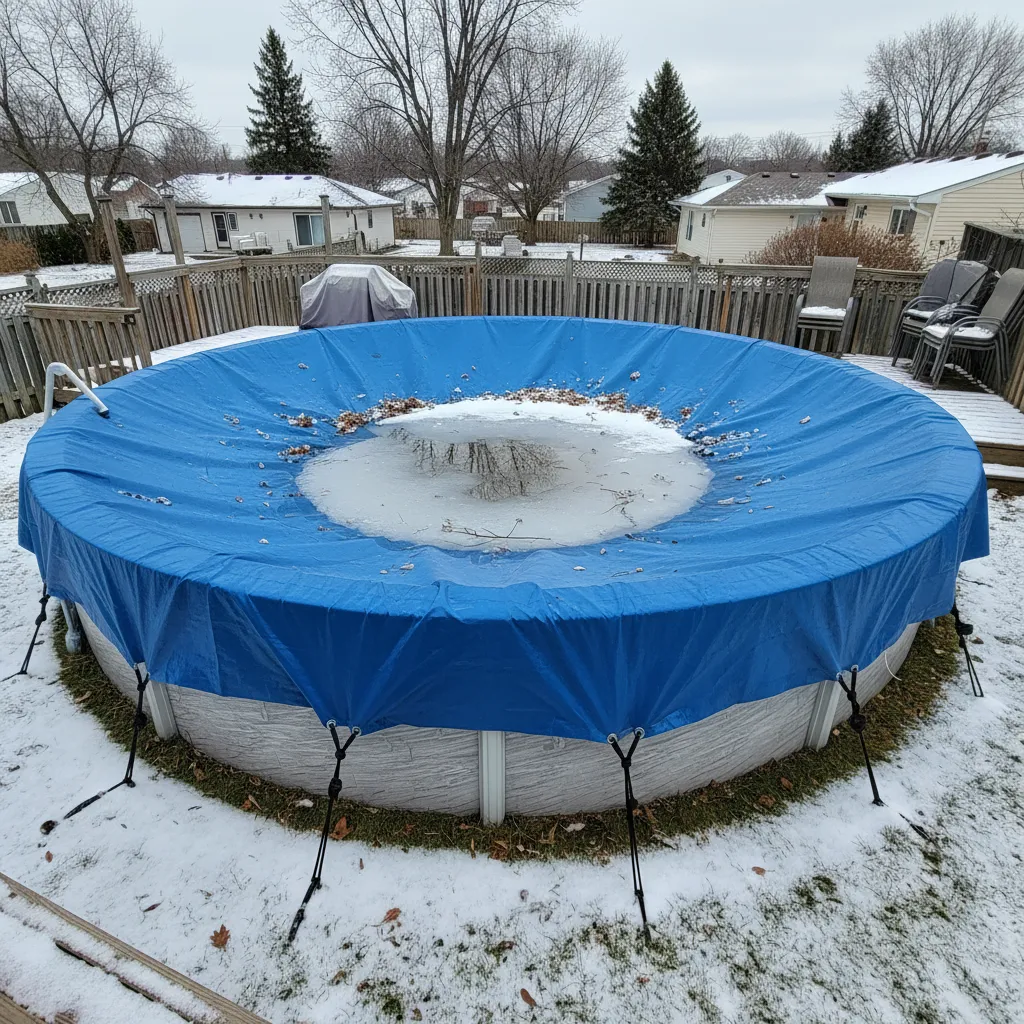
"Invest once to protect your liner and prevent a swamp in the spring."
Heavy-Duty Winter Pool Cover
Winter demand is high - check stock
Do Above Ground Pools Require Fencing by Law?
Legal obligations for fencing depend on two critical elements: local building codes and the pool’s physical characteristics. For instance, the IRC stipulates barriers for permanent pools holding over 24 inches of water. Many states extend this rule to temporary structures exceeding 18 inches in depth or 5,000 gallons in capacity. Exemptions exist in certain municipalities if the pool’s wall height measures 48 inches or more, though removable ladders might void this exception. The depth of a lap pool can impact these regulations as well. Typically, lap pools are designed to be at least 4 to 5 feet deep to accommodate effective swimming and safety.
Key Factors Influencing Fence Requirements
Three variables typically determine whether your pool needs a barrier: water volume, structure height, and property location. Local ordinances frequently modify these thresholds, making verification with municipal offices vital before installation. Additionally, it’s crucial to consider the potential for flooding in your area. When building a pool, especially in a flood zone, proper planning can help prevent costly damage.
Pool depth and water volume thresholds
Most codes trigger fencing mandates once pools exceed 18-24 inches in depth or hold 3,000-5,000 gallons. For example, Texas requires barriers for pools deeper than 18 inches, while Ohio applies rules to structures holding 24 inches or more. Portable inflatable pools often fall under these regulations if they meet depth or volume criteria.
Property zoning classifications
Land use designations significantly impact barrier rules. Residential zones frequently mandate four-sided isolation fencing with self-closing gates. Rural properties might bypass requirements if lot sizes exceed one acre or if pools sit over 100 feet from property lines. Urban regions rarely grant exemptions due to density concerns, even for elevated pools with locking entry points.
While legal frameworks set the foundation, local codes often refine these rules—sometimes doubling barrier heights or mandating specific latch types. Next, we’ll examine how state-specific variations shape compliance strategies.
Local Pool Fence Regulations Explained
Pool laws shift drastically based on location. Knowing local codes is critical for avoiding fines and maintaining a safe swimming area. Two US states show how drastically rules can vary. These regulations can also influence the maintenance practices that keep a pool inviting. A clear green pool not only looks appealing but also indicates proper upkeep and safety for swimmers.
United States State Variations
All 50 states follow distinct formulas for pool barriers. Some focus on pool wall height, while others prioritize barrier strength or latch types.
Minnesota (MN) pool fence rules
Minnesota’s Building Code (BOCA 1999) mandates a 48″ tall barrier for any pool holding 24+ inches of water. Walls of an above ground pool count toward this height only if non-climbable. If a pool’s top rail sits below 48″, a separate barrier with self-latching gates must surround it. Gaps in fencing cannot surpass 4″. The safety of a pool goes beyond just barriers. It’s important to consider the distance of power lines from the pool area as well.
New York (NY) above ground pool codes
New York follows ICC rules requiring a 48″ high barrier with gaps under 2″. Pool walls can substitute fencing if walls stand 48″ tall with no climbable parts. If using a pool deck, barriers must block all access points, including stairs. Towns like Suffolk County add rules: alarms on doors leading to pool zones.
International Standards Overview
Australia’s AS1926.1-2012 requires 1.2m high barriers without climbable parts. Canada’s provincial codes vary; Ontario demands 1.5m fences with self-closing gates. Always verify municipal bylaws – Toronto adds a 1.2m horizontal clearance rule around barriers.
Determining When Fences Are Mandatory
Not all pools trigger fencing laws. Two factors play major roles: structural traits of the pool and prior barriers on the property.
Above Ground Pool Height and Fence Exemptions
Pools with walls 48″ or taller might skip fencing in 30+ states if walls lack climbable parts like horizontal ribs. Michigan allows 54″ walls as full barriers. But if stairs or decks attach to the pool, most jurisdictions void this exemption. Always confirm with local building inspectors – a 2″ variation in wall height can flip legal status.
Existing Yard Fences Vs Pool-specific Barriers
Property lines with 6’ tall fences might work, but only if they fully wrap the pool area. Gaps from sheds or swing sets often disqualify them.
When perimeter property fences suffice
A backyard fence counts as a pool barrier only if: it’s 48-72” tall (varies by area), has no gaps over 4”, and surrounds the pool with no objects within 36” that aid climbing. Phoenix allows 5’ block walls as dual-purpose barriers; Chicago requires a dedicated pool fence regardless of yard walls. Ensuring proper safety measures is essential when creating your outdoor space. When building a pool in your backyard, consider these regulations to keep everyone safe.
Required gate specifications
Gates must open outward, self-close, and self-latch. Latches must sit 54” above ground or 3” from the top on pool-side mounts. Florida bans dual-directional gates. California’s Title 24 demands magnetic alarms on gates for pools built post-2007.
With location-specific laws clarified, owners must grasp physical specs for compliant barriers. Upcoming parts break down minimum heights, materials, and installation protocols.
Also See: Is DE Coming Back Into Your Pool? Find Out Here!
Pool Fence Rules and Build Specs
Pool fences follow strict codes to keep people safe. Each part of the fence must meet set rules for height, strength, and how it works.
How Tall Must Pool Fences Be?
Most states say pool fences must be at least 48 inches high. Some places like Florida let 4-foot walls count if they’re hard to climb. Check your town rules – heights can shift by 6 inches based on where you live. For example, Texas needs 48-inch fences, while parts of Ohio allow 42-inch barriers if the pool wall is over 4 feet. When considering a semi inground pool, depth is an important factor. The right depth can enhance safety and enjoyment for everyone.
What Can You Use to Build Pool Fences?
Fences must stop a child under 5 from getting through. Good choices are:
- Metal bars with gaps under 4 inches
- Solid vinyl panels
- Mesh screens with locked tops
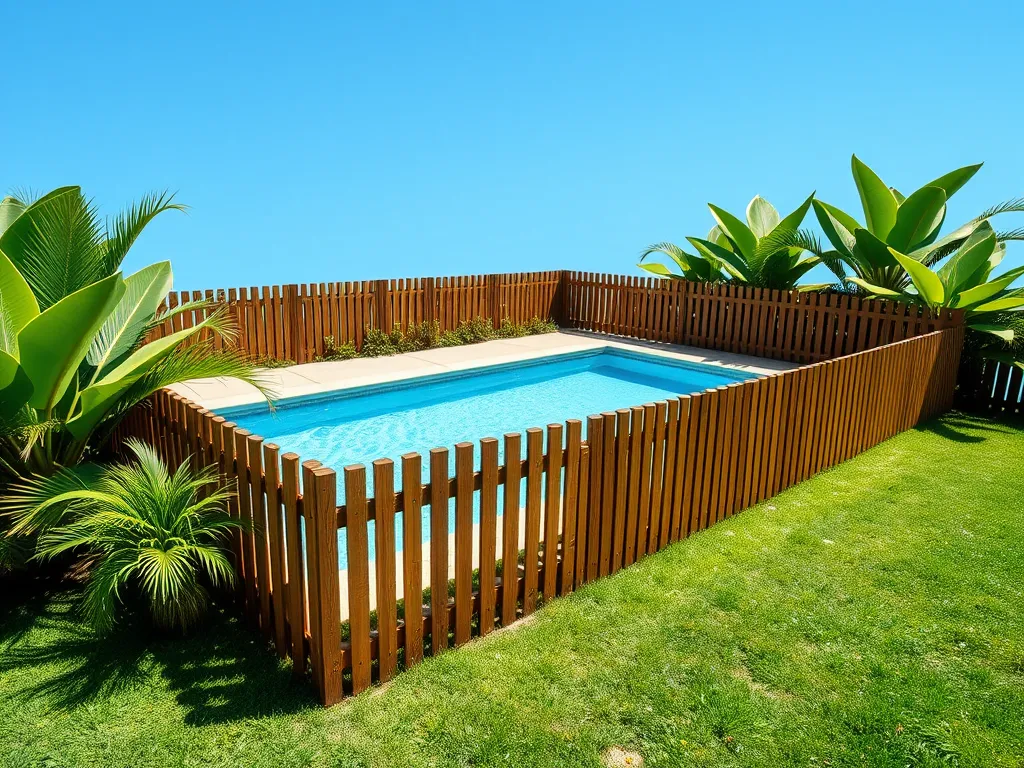
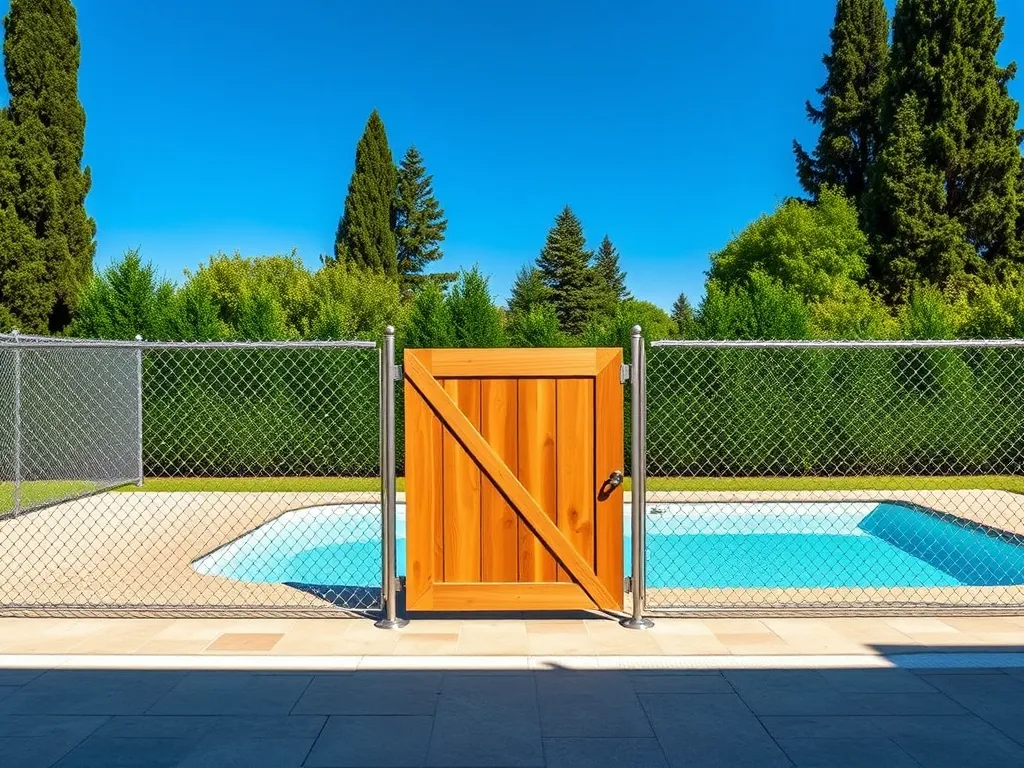
Chain links work if holes are less than 1.75 inches. Glass walls need thick, tempered panels. Wood fences need smooth boards with no foot holds.
Gate Rules for Pool Areas
Gates must swing shut on their own and latch tight. The latch must sit at least 54 inches high so small kids can’t reach it. Gates can’t open into the pool zone. Many towns need two locks – one on the gate and one up high. Auto-close arms cost $75-$150 but meet code in all 50 states.
Other Ways to Keep Pools Safe
Some homes can use options instead of fences if they pass local checks.
When Covers Count As Fences
Hard covers that hold 485 pounds per square foot may work as barriers. Look for ASTM F1346-91 tags. These need anchors every 18 inches and must block all water. Soft covers don’t meet code – only rigid safety covers do. One feature that can enhance pool safety and maintenance is the use of pool pillows help maintain the integrity of the cover and prevent water accumulation, making them essential for keeping the pool area safe and clean.
Building Safe Zones Without Fences
Raised decks can act as guards if built right. The deck must:
- Wrap the full pool
- Have rails 48 inches high
- Include self-latch gates
For quick fixes, roll-up mesh walls ($12-$20 per foot) or see-through poly shields pass code in 12 states. These pop-up walls take 1-3 hours to set up but need daily checks.
Deck Rails as Guards
Decks 6 inches from the pool edge with locked gates can replace fences in Maine, Vermont, and New Hampshire. Rails must have gaps under 4 inches and no climb points.
Take-Down Barriers
Temp fences work for renters or short-term setups. Steel mesh panels with spike feet ($180-$300 for 12 feet) meet code in CA, AZ, and NV. Remove them when the pool drains.
What Happens if You Skip the Fence
Not having the right barriers leads to big fines and risks.
Law Trouble for No Fence
Fines start at $200 per day in most states. Some areas add jail time – up to 90 days in PA for third offenses. If someone gets hurt, you could face court cases with payouts over $100,000. Each town does pool checks 1-4 times per year.
How Fences Affect Home Insurance
Insurers may deny claims if your pool lacks approved fences. Some drop coverage totally. Rates jump 20-35% for unfenced pools. You must tell your agent about pool changes within 30 days or risk policy cuts. Keeping your pool safe and compliant is crucial for your insurance. Starting a pool cleaning business can help ensure pools are properly maintained and meet safety requirements.
Now that you know the rules, let’s look at how to pick and set up the right fence for your pool.
Pool Fence Installation Considerations
Selecting the right barrier for an above ground pool involves weighing installation methods and material costs. These choices impact both safety compliance and long-term functionality. When considering your options, you might also think about how this ties into installing an above ground pool inground. This option can enhance aesthetics and make your pool more accessible.
Professional Vs DIY Installation Options
Self-installed fences work for basic designs like removable mesh barriers or chain-link systems. Most homeowners can handle these projects with standard tools and manufacturer instructions. Permanent options like glass panels or ornamental aluminum often require certified contractors – especially when local codes mandate engineered footings or load-bearing posts. Licensed installers typically handle permit paperwork and ensure gates meet self-closing force measurements (3-5 lbs of pressure for smooth operation).
Cost Factors for Different Fence Types
Material expenses range from $8/linear foot for polypropylene mesh to $150+/foot for tempered glass. Labor adds $10-$35/hour depending on terrain complexity. A 4-foot-tall aluminum fence around a 24′ round pool averages $2,500 installed, while a DIY vinyl-coated chain-link version costs $900-$1,200. Permanent wood barriers demand yearly staining ($200-$400 annually) versus powder-coated steel’s 15-year lifespan with minimal upkeep. When considering your pool area, it’s also important to think about the costs associated with replacing the pool liner. The cost for a new pool liner can vary greatly depending on size and material, often adding to the overall maintenance budget.
Maintenance Requirements for Pool Barriers
Regular upkeep ensures fences remain code-compliant and structurally sound. Neglected barriers risk failure during critical moments.
Inspecting and Maintaining Safety Gates
Test self-closing mechanisms monthly by opening gates to 45 degrees – proper function requires full automatic relatching without manual intervention. Lubricate hinges with silicone spray every 90 days; avoid petroleum-based products that attract dust. Replace worn latch springs immediately if the gate doesn’t shut within 5 seconds. Check vertical alignment with a level twice yearly – gates sagging more than 1/2 inch fail most municipal inspections.
Addressing Wear and Structural Issues
Saltwater pools accelerate corrosion on steel components – look for rust flakes at ground contact points. For vinyl fences, examine posts for UV-induced brittleness using a screwdriver tip; material that cracks under light pressure needs reinforcement. Wood posts showing 1/4-inch ground-level rot require sister boards or full replacement. Most jurisdictions mandate repairs within 14 days of identifying hazards. To protect your pool and its structures, consider the right coatings and materials to minimize corrosion. Implementing effective pool corrosion protection strategies helps ensure the longevity and safety of your pool area.
With installation and maintenance covered, let’s examine common compliance questions pool owners face.
Frequently Asked Questions
What Defines a “Climbable” Pool Wall in Fence Exemptions?
Pool walls may exempt fencing requirements only if they lack horizontal ribs, ladder access points, or textured surfaces that facilitate climbing. Jurisdictions often measure climbability by testing if a 4-inch sphere can grip any protrusion. Walls with smooth vertical surfaces over 48 inches typically qualify for exemptions.
Do Lockable Pool Ladders Eliminate Fence Requirements?
While removable or locking ladders enhance safety, they rarely satisfy legal barrier mandates alone. Most codes require permanent physical barriers unless the pool wall itself meets height and non-climbable standards. Always verify local amendments—some regions accept ladder locks for seasonal pools under 36 inches deep. Keeping pools safe also means ensuring water quality. One important aspect is removing nitrates from the pool to protect users and enhance water clarity.
Can Smart Sensors Replace Physical Pool Barriers?
Motion detectors and pool alarms (audible or app-connected) supplement safety but don’t legally substitute fences in any U.S. state. These devices are typically mandated alongside barriers in high-risk areas like New Jersey and Connecticut, where layered protection laws apply.
How Do Multi-level Decks Impact Fence Rules?
Elevated decks attached to pools create unique compliance scenarios. If the deck’s access points are 48+ inches above ground with self-latching gates, they may serve as barriers. However, lower decks often require additional fencing between the structure and pool edge, particularly in states enforcing 4-sided isolation standards.
Closing Thoughts
Pool fencing requirements for above ground pools vary by location, pool depth, and design. While some areas exempt pools under 48 inches tall, others mandate barriers regardless of height. Always check local ordinances before installation.
Safety remains the priority. Even when fences aren’t legally required, barriers prevent accidents. Proper gates, latches, and maintenance keep your pool area secure year-round.
For precise calculations on pool dimensions, water volume, or maintenance needs, visit My Pool Calculator. Our tools help simplify pool ownership while keeping safety front and center.
Useful References for You:
- Pentair Residential Pool Resources (Maintenance Guides)
- Above Ground Swimming Pool Fence | Aluminum Fences Direct
- Do I Really Need a Swimming Pool Fence? – Fronheiser Pools
- r/Insurance on Reddit: Homeowners Insurance requiring a fence around a pool in a fenced backyard. Is this correct?
- Do you need a fence around an above ground pool? – Quora
A pool care geek who’s been testing water chemistry since she was tall enough to reach the skimmer.
Pool Barriers, Pool Equipment Repair, Safety Equipment