Can a General Contractor Build a Pool in Florida? A Comprehensive Guide
Published on: December 30, 2025 | Last Updated: November 17, 2025
Written By: Rachael Weatherbottom
In Florida, a general contractor cannot legally build a pool unless they hold a Certified Pool Contractor (CPC) license issued by the Florida Construction Industry Licensing Board (CILB). State law requires specialized licensing for pool construction due to strict safety codes, electrical work, and plumbing standards. General contractors with only a Certified Building Contractor (CBC) or Certified General Contractor (CGC) license risk fines up to $5,000 per violation if they attempt pool projects beyond their scope.
This guide breaks down Florida’s pool construction laws, licensing rules, and project limitations. You’ll learn the exact tasks a general contractor can handle versus those requiring a CPC license. We cover safety barriers, permit processes, and cost differences between hiring a generalist versus a pool specialist. The article also explains DIY pool building rules and how to verify a contractor’s credentials.
Building a pool without proper licensing can lead to failed inspections, costly rework, or legal disputes. We outline red flags like contractors who avoid pulling permits or offer unusually low bids. You’ll discover how to check a professional’s license status through the CILB database and why bonding requirements matter for protecting your investment.
Understanding Florida’s Pool Construction Laws & Licensing
Building a pool in Florida requires strict adherence to state laws. The Florida Department of Business & Professional Regulation (DBPR) oversees contractor licensing, with separate rules for general contractors and specialty pool builders. These regulations ensure safety and quality while protecting homeowners from unqualified work. When planning a pool, it’s also important to consider the area’s flood zone status. Pools built in flood-prone areas need special designs to prevent flooding damage and ensure safety.
Crucial Winterizing Products

"The all-in-one solution for a guaranteed clear spring opening."
All-in-One Closing Chemical Kit
Winter demand is high - check stock

"The 'set & forget' option. This is the easiest winterizing I've ever done."
Simple 3-in-1 Winterizing Balls
Winter demand is high - check stock
"Invest once to protect your liner and prevent a swamp in the spring."
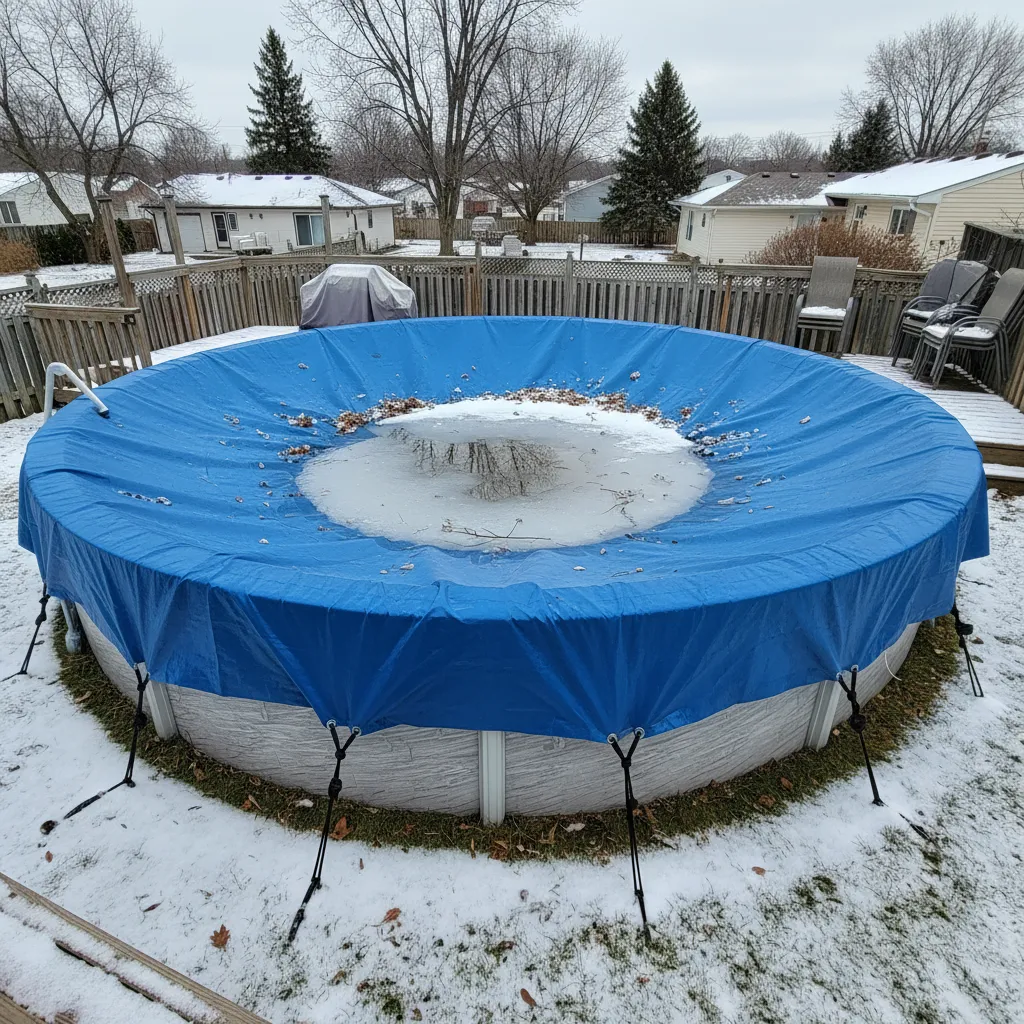
Heavy-Duty Winter Pool Cover
Winter demand is high - check stock
Florida’s Licensing Requirements for Pool Contractors
Florida mandates that pool contractors hold either a Certified Pool Contractor (CPC) license or a Residential Pool & Spa Contractor (RPBC) license. To qualify, applicants must pass the Florida Construction Industry Licensing Board (CILB) exam, provide proof of 4 years’ field experience, and carry $300,000 in general liability insurance. The state also requires fingerprinting through the Florida Pool Contractor Licensing Board (FPCLB) for background checks.
General Contractor Licenses Vs. Pool-specific Certifications
A Certified General Contractor (CGC) license allows work on most construction projects but has limits. Under Florida Statute 489.105(3)(g), CGC holders can only build pools if they’re part of a larger structure they’re contracted to build – like a hotel with a pool. Standalone residential pools require a CPB or RPBC license. Mixing these roles risks fines up to $10,000 per violation under DBPR guidelines.
Next, we’ll examine what tasks general contractors can legally perform versus those needing a pool specialist.
Can a General Contractor Legally Build a Pool in Florida?
Florida law allows licensed general contractors (CGC license holders) to oversee pool construction projects under specific conditions. Their role depends on license classifications and project complexity defined by the Florida Department of Business & Professional Regulation (DBPR).
Scope Of Work Permitted Under a General Contractor License
A certified general contractor can manage pool builds if the total project value exceeds $500,000 and involves coordinating multiple trades. They may handle site preparation, deck installations, or integrate pool construction with larger home renovations. For example, a CGC-licensed contractor could supervise excavation crews while subcontracting plumbing to a licensed pool specialist. When building a pool, it’s also important to know how much water it will hold. This is where an oval pool gallon calculator becomes useful to determine the appropriate volume for your new pool.
| Permitted Tasks | Legal Basis |
|---|---|
| Project management | Florida Statute 489.113(3)(a) |
| Concrete deck installation | DBPR Scope of Practice |
| Landscaping integration | Florida Building Code Ch. 27 |
Limitations for General Contractors in Pool Projects
General contractors cannot perform specialized pool work requiring a CPC license (swimming pool specialty contractor certification). They’re prohibited from direct installation of hydraulic systems, structural shells, or permanent electrical connections. Florida Statute 489.105(3)(g) explicitly reserves these tasks for licensed pool contractors. This ensures that pools are constructed safely and effectively. A clear green pool reflects the quality of work done by professionals with the right certifications.

What a General Contractor Cannot Do When Building Pools in Florida
State law creates clear divisions between general contracting and specialized pool work. Violations can lead to $5,000 fines or license suspension per DBPR case precedents.
Restricted Tasks Requiring a Pool Contractor License
- Structural shell installation (gunite, fiberglass, or vinyl)
- PVC plumbing below 24″ depth (Florida Building Code Section 454.5)
- Permanent bonding of pool lighting (NEC Article 680)
- Installation of safety vacuum release systems
In 2022, DBPR issued 37 citations to general contractors for unauthorized pool plumbing work. Projects requiring pumps rated above 1.5 HP or heaters exceeding 250,000 BTU must involve CPC-licensed professionals.
With legal boundaries established, let’s examine how Florida’s safety codes impact pool design choices.
Also See: Can You Add a Tanning Ledge to an Existing Pool?
Key Florida Pool Rules and Regulations
Florida enforces strict protocols for pool construction through the Florida Building Code (FBC) and Residential Swimming Pool Safety Act. Compliance impacts project viability for general contractors and homeowners alike. These regulations can increase the overall cost of building a pool. This is one reason why pools can be expensive.
Safety Standards and Barrier Requirements
Pool barriers must meet precise specifications: minimum 4-foot height, non-climbable design, self-closing gates with outward-opening mechanisms. The FBC mandates compliance with ASTM F2286 for mesh barriers or ASTM F1908 for rigid materials. Underwater steps require color contrast for visibility, while diving boards need 7.5-9 feet of water depth depending on board type. The depth of cowboy pools is also an important consideration. Cowboy pools typically have varying depths to accommodate different activities and preferences.
Permitting and Inspection Processes
Projects require four-phase inspections: pre-construction (site evaluation), steel/rebar placement, plumbing/electrical rough-in, final sign-off. County-specific energy conservation laws may dictate pump types or solar heating systems. Permit fees range $800-$2,500 based on pool size, with timelines spanning 6-12 weeks in high-demand regions like Miami-Dade. The costs involved in these processes can significantly impact the overall budget. It is important to consider all expenses when calculating the total mod pool cost.
Can You Build Your Own Inground Pool in Florida?
Florida Statutes 489.103(7) allows owner-builder permits for residential pools if the property owner resides there post-construction. This exemption comes with caveats.
DIY Pool Construction: Legal and Practical Considerations
- Owner-builders become legally responsible for code compliance and worker injuries
- Specialized tasks (gunite application, electrical bonding) require licensed subcontractors
- Errors in hydraulic design often lead to $5k-$15k in remediation costs post-inspection failures
How to Become a Licensed Pool Contractor in Florida
The Construction Industry Licensing Board (CILB) issues three pool license classes: residential, commercial, and servicing. Each demands distinct qualifications.
Steps to Obtain a Florida Pool Contractor License
- Complete 14 hours of pre-licensing education from CILB-approved providers ($325-$500)
- Document 4 years of field experience or equivalent education/experience combo
- Pass the 120-question trade exam (72% minimum score) and business/finance exam
Exam Requirements and Insurance Obligations
The trade exam covers structural engineering principles for concrete shells, PVC plumbing layouts, and NSF/ANSI 50-compliant equipment installation. Licensees must carry $300k surety bonds plus general liability coverage of $1M per occurrence. Worker’s compensation becomes mandatory once hiring employees.
With licensing complexities addressed, the next phase examines financial factors when comparing general contractors versus specialized builders.
Cost Comparison: General Contractor Vs. Specialized Pool Builder
Building a pool in Florida with a general contractor typically costs $45,000–$75,000 for basic designs, while specialized pool builders charge $60,000–$120,000+ for custom features. The price gap stems from labor expertise, material sourcing, and permitting efficiency. General contractors may subcontract pool-specific tasks like hydraulic system installation or coping work, adding 15–20% to labor fees. When planning for a pool, it’s also wise to consider the costs of a pool house. A well-designed pool house can enhance your outdoor space but will add to your overall expenses.
Factors Influencing Pool Construction Costs in Florida
Material choices like shotcrete vs. gunite (average $7.50–$13 per sq. ft.) impact budgets. Florida’s coastal building codes require corrosion-resistant rebar (Type 316 stainless steel adds $1,200–$2,500) and hurricane-rated screen enclosures ($12,000–$20,000). Saltwater systems ($1,500–$2,800) and energy-efficient pumps (variable-speed models cost $800–$1,600) also affect pricing. Specialized builders often include these in base quotes, while general contractors might treat them as add-ons.
- Permit fees: $500–$2,500 depending on county (Miami-Dade requires pool barrier inspections at $275+)
- Excavation costs: $4,000–$15,000 for tricky soil types like Florida limestone
- Electrical work: $1,800–$3,200 for GFCI circuits meeting NEC 680 standards
How to Hire the Right Professional for Your Pool Project
Verify credentials through Florida’s DBPR website—look for a Certified Pool Contractor (CPC) license (#CPC1456893 format) or a Certified General Contractor (CGC) with pool endorsements. Specialized builders carry both CPC and manufacturer certifications from brands like Pentair or Hayward.
Verifying Licenses and Track Records
Cross-check licenses using Florida’s license lookup tool. Ask contractors for proof of general liability insurance ($1M minimum) and workers’ compensation. Review at least three completed pool projects in your county—Tampa permits (SDG-BC-2023-XXXXX) differ from Orlando’s (PBC#-XX-XXXXX) requirements.
Red Flags to Avoid When Selecting a Contractor
- Requests for >10% deposit before permitting
- Vague contract language about change orders
- No references from local projects in the past 18 months
- Subcontractors without 14-46/47 licenses for electrical/plumbing work

Common Mistakes When Hiring Contractors for Pool Construction
Over 30% of Florida pool disputes involve unlicensed contractors performing tasks outside their scope. A general contractor’s CGC license doesn’t cover pool-specific work like diving board installations or spa jet plumbing without proper endorsements. This highlights the importance of professional standards in construction. Properly managed pool construction can contribute to the carbon pool by ensuring sustainable practices are followed.
Ignoring Licensing or Insurance Requirements
Florida Statute 489.105(3)(g) prohibits general contractors from “directly engaging in pool specialty work.” Hiring uninsured teams risks liability—if a worker gets injured, homeowners might face medical bills under Florida’s “independent contractor” loophole.
Failing to Review Contracts Thoroughly
Demand itemized contracts specifying materials (e.g., 4000 PSI concrete, #4 rebar spacing). Missing clauses for delayed permits (common in Sarasota/Palm Beach) or soil remediation can lead to 20–30% cost overruns. Ensure payment schedules align with milestones: 30% deposit, 40% after steel installation, 25% post-decking, 5% upon final inspection.
Navigating these complexities raises important questions about legal compliance and project timelines, which we’ll explore in our FAQ section.
FAQs: General Contractors and Pool Building in Florida
Can a General Contractor Pull Permits for Pool Construction in Florida?
General contractors with a CGC license can only pull permits for pool projects if they’re part of a larger construction scope they’re managing (e.g., a home renovation with a pool). Standalone pools require permits filed by a Certified Pool Contractor (CPC), as county building departments verify specialty licenses before approval.
What Insurance Coverage Differences Exist Between General Contractors and Pool Specialists?
Pool contractors must carry $300,000 in general liability insurance specifically endorsing aquatic installations, while general contractors often have broader policies. Specialized builders also typically hold equipment malfunction coverage for pumps/heaters, which GCs may exclude unless negotiated. This attention to detail helps ensure the safety and efficiency of pool operations. However, these factors can also impact your pool electric bill significantly.
Can a General Contractor Legally Manage Pool and Landscape Construction Together?
Yes, provided they subcontract pool-specific tasks to licensed professionals. GCs can coordinate timelines and budgets for hardscaping, fencing, and vegetation while ensuring pool shell/plumbing work remains under a CPC licensee’s oversight. This careful planning helps in creating a safe and functional swimming space. It’s essential to pay attention to what lies under the pool, as proper installation and maintenance can prevent issues in the future.
How Do Warranty Protections Differ Between Gcs and Licensed Pool Builders?
Pool contractors typically offer 3–5 year structural warranties backed by manufacturers (e.g., PebbleTec or Pentair). General contractors may provide shorter 1–2 year workmanship warranties, excluding equipment defects unless specified in contracts. Keeping pools in great condition is essential for ensuring longevity. This creates an opportunity for those interested in starting a pool cleaning business.
Do Florida Counties Have Unique Pool Rules Affecting Contractor Choices?
Coastal counties like Broward and Palm Beach enforce stricter barrier height requirements (5 ft vs. state’s 4 ft) and mandate hurricane-rated drainage systems. In these areas, specialized pool builders often navigate local codes more efficiently than GCs. This is important because safety standards also apply to other aspects of pool maintenance. One concern is the safety of drinking pool water, which can be harmful if not properly treated.
Closing Thoughts
Building a pool in Florida involves navigating complex licensing rules, safety standards, and permitting processes. While general contractors can handle certain aspects, specialized pool contractors are required for critical tasks like plumbing, electrical work, and structural engineering.
The right professional ensures compliance with Florida’s strict regulations—from barrier requirements to final inspections. Always verify licenses, review contracts, and avoid cutting corners on permits or insurance.
For precise cost estimates or maintenance tips after construction, explore My Pool Calculator. Our tools help Florida pool owners manage everything from chemical balances to energy efficiency.
Whether you’re hiring a contractor or planning a DIY project, understanding these guidelines keeps your pool safe, legal, and built to last.
Additional Resources for You:
- Lowry, R. (2018). Pool Chemistry for Service Pros: The Ultimate Guide to Water Balance. Laguna Hills, CA: Pool Chemistry Training Institute.
- Florida Commercial Swimming Pool/Spa Contractor License
- FLORIDA RESIDENTIAL POOL CONTRACTOR LICENSE FAQ – The Exam Pros
- What To Consider When Becoming A Swimming Pool Contractor In Florida | Licenses Etc.
- Become a Florida Certified Commercial Pool Contractor
A pool care geek who’s been testing water chemistry since she was tall enough to reach the skimmer.
Inground Pool, Pool Care By Type