DE Coming Back Into Pool: Causes, Fixes, and Prevention
Published on: March 18, 2026 | Last Updated: November 17, 2025
Written By: Marcus Thornfield
DE coming back into your pool happens when diatomaceous earth (a chalky powder made from fossilized algae used in pool filters) escapes the filtration system and appears as cloudy water or white dust on surfaces. This occurs due to damaged filter grids, improper backwashing (reversing water flow to clean the filter), overloading the filter with DE, or pump issues. To resolve it, you’ll need to inspect equipment, vacuum debris, recharge the filter correctly, and maintain proper water flow – all while preserving DE’s benefits of filtering particles as small as 3-5 microns (100x finer than sand).
This guide examines why DE escapes filters and how to stop it. Learn to spot torn septums (the fabric-coated grids that hold DE) or cracked manifolds. Discover why adding 25% more DE powder than your filter’s capacity causes blowback. See how incorrect backwashing leaves old DE clogs that force new powder into the pool.
We’ll also break down step-by-step solutions: measuring the right DE quantity based on filter square footage, using a skimmer sock to catch debris, and testing pump pressure (aim for 8-10 PSI after cleaning). You’ll find tips on safer DE handling with N95 masks, compare DE to cellulose alternatives, and learn when cloudy water signals equipment failure versus simple overcharging.
What is Diatomaceous Earth (DE) in Pool Care?
Diatomaceous Earth (DE) serves as a high-performance filter media made from fossilized aquatic organisms called diatoms. These microscopic skeletons form a porous, chalk-like powder rated to trap particles as small as 3-5 microns—far smaller than what sand or cartridge filters catch. In pool systems, DE coats grids inside the filter, creating a dense barrier that strains debris while allowing clean water to flow back into the pool.
Crucial Winterizing Products
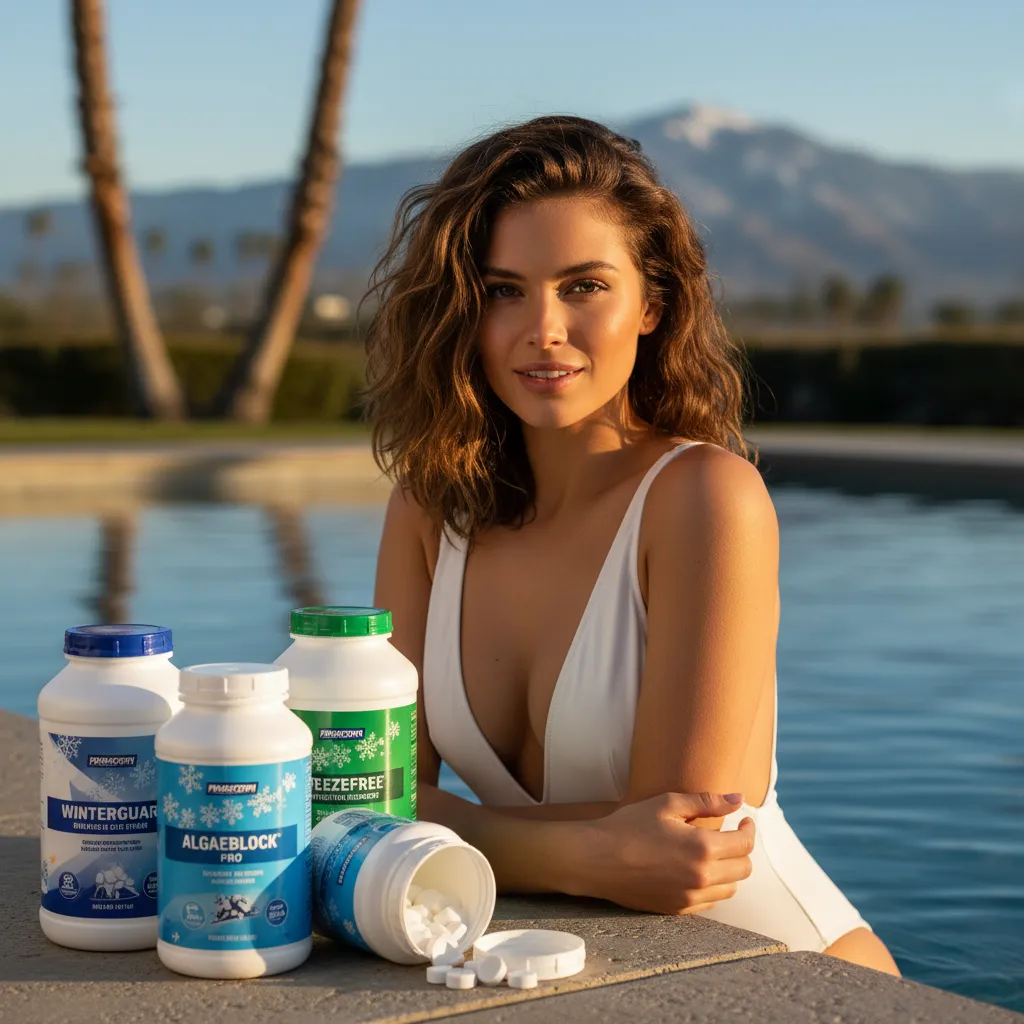
"The all-in-one solution for a guaranteed clear spring opening."
All-in-One Closing Chemical Kit
Winter demand is high - check stock

"The 'set & forget' option. This is the easiest winterizing I've ever done."
Simple 3-in-1 Winterizing Balls
Winter demand is high - check stock
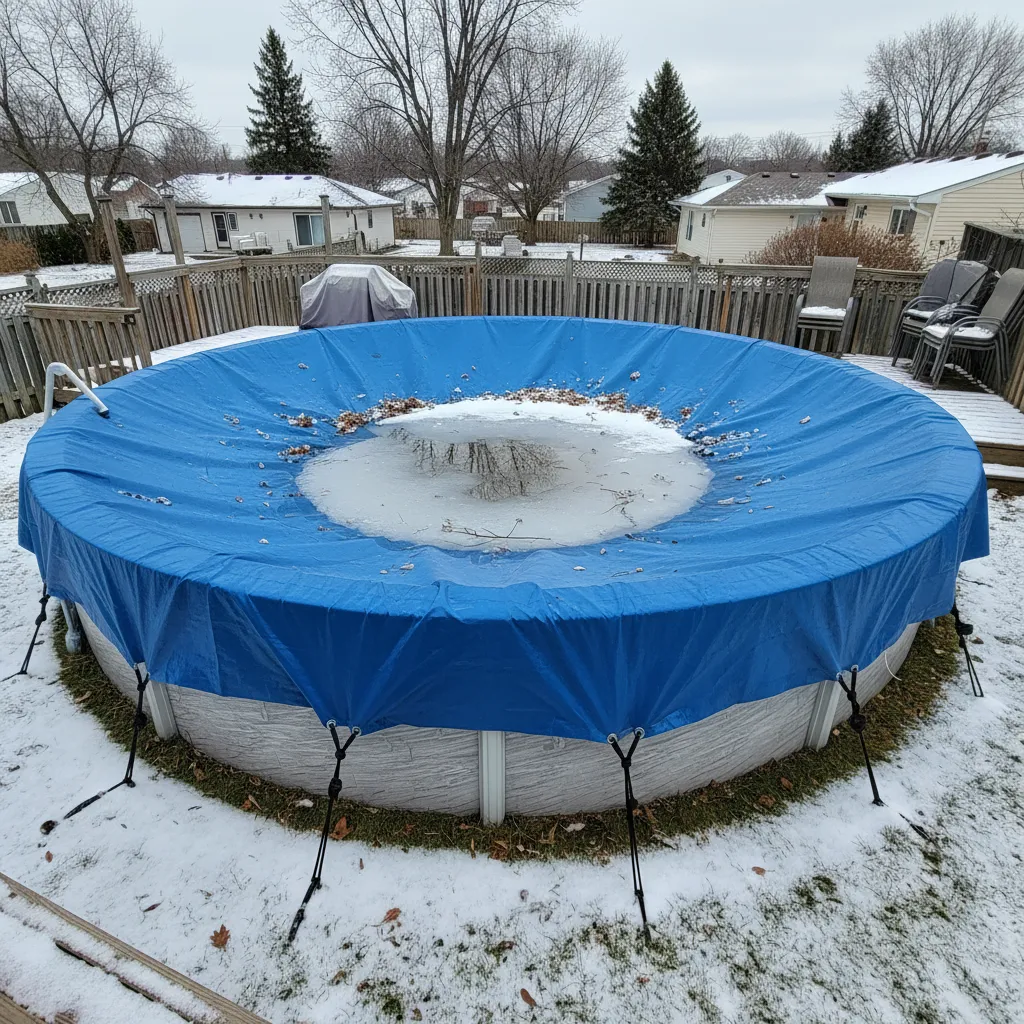
"Invest once to protect your liner and prevent a swamp in the spring."
Heavy-Duty Winter Pool Cover
Winter demand is high - check stock
DE Filtration Basics
A DE filter operates through a cycle of coating, trapping, and cleaning. Fresh DE powder mixes with water to form a slurry, which is pumped into the filter tank. This slurry coats flexible grids or rigid septums, building a lattice-like layer. As water passes through, dirt gets trapped in the DE while filtered water returns to the pool. When pressure rises by 8-10 PSI, backwashing reverses water flow to flush trapped debris, requiring a fresh DE charge post-cleaning. If grids tear or the system malfunctions, DE can escape into the pool—a problem often described as “DE blowback.”
Key Terminology: DE Come Back Into Pool Vocabulary
Mastering these terms helps diagnose why DE reappears:
- Grid Channeling: Cracks or tears in filter grids allowing DE to bypass the filtration process.
- Charge Cycle: The process of adding DE after backwashing, typically measured in pounds per square foot of filter area.
- Sweep Return: DE particles flowing back into the pool through return jets due to improper grid seating.
- Media Migration: DE escaping the filter because of pump surges or damaged manifold seals.
- Backwash Rate: Gallons per minute (GPM) needed to clean the filter without stripping too much DE from grids.
Terms like “DE sprinkled said pool” often refer to improper application techniques, where DE isn’t evenly distributed, leading to clumps that bypass the filter.
Grasping these concepts sets the foundation for addressing DE-related issues. Next, let’s explore how leveraging DE’s strengths can enhance your pool’s performance when managed effectively.
Benefits Of Using DE in Pool Filters
Diatomaceous earth (DE) filtration remains a top choice for pool owners seeking crystal-clear water. This powder’s unique structure traps particles as small as 3–5 microns—far smaller than sand or cartridge filters can capture. Beyond clarity, DE systems operate with precision, creating cleaner swimming environments while streamlining maintenance routines.
Superior Filtration Efficiency
DE’s microscopic fossilized algae skeletons form a dense lattice on filter grids, acting like a sieve for contaminants. This setup removes fine debris such as pollen, bacteria, and algae spores that other systems miss. Tests show DE filters achieve 99% clarity rates, compared to 80–90% for sand alternatives. Pool water stays visibly sharper, reducing the need for frequent clarifiers or shock treatments.
Reduced Chemical Dependency
With fewer contaminants circulating, chlorine works more effectively. DE-filtered pools often use 30–40% less sanitizer, lowering chemical costs and minimizing skin or eye irritation. Stable water balance also extends the lifespan of pool liners and equipment by preventing pH spikes caused by organic buildup. Similarly, backwash pool cartridge filter helps maintain clean water. It removes debris and ensures efficient water flow, making it an important component of pool maintenance.
Common Causes Of DE Returning to the Pool
While DE excels at filtration, improper use can lead to “DE come back into pool” issues—where powder escapes into the water. Recognizing these triggers helps maintain system integrity and prevents cloudy water or equipment strain.
Damaged Filter Grids or Septums
Septums, the fabric-covered grids holding DE, develop tears from age or high pressure. Even a 1/8-inch tear allows DE to bypass the filter and reenter the pool. Annual inspections are critical, as worn grids with frayed seams or broken manifold O-rings account for 60% of DE blowback cases.
Incorrect Backwashing Procedures
Backwashing too aggressively or not fully rinsing afterward leaves residual DE in the filter tank. This leftover powder mixes with fresh DE during recharge, causing clogs that force excess material back into the pool. Always observe manufacturer-recommended backwash durations, typically 2–3 minutes, followed by a 30-second rinse cycle. Regular maintenance practices can greatly influence the performance and longevity of your pool vacuum. Taking care of these details helps maximize the lifespan of your pool vacuum, ensuring it operates efficiently for many seasons.
Overcharging the Filter With DE
Adding more DE than the filter’s square footage requires creates excess pressure. A 48-square-foot filter needs 6 lbs of DE, but adding 8 lbs can spike pressure by 10 PSI, forcing powder through gaps. Use a digital scale to measure charges accurately, avoiding guesswork.
Pool Pump Malfunctions
A pump operating below 2,000 RPM or with air leaks fails to push water through the DE coating properly. This results in uneven filter cake formation, letting DE escape. Check pump pressure gauges weekly; optimal post-charge readings should sit 8–10 PSI above clean filter levels.
Inadequate DE Sprinkling Techniques
Dumping DE directly into the skimmer without pre-mixing causes clumping. Instead, mix 1 cup of DE with 2 gallons of water in a bucket, then pour slowly into the skimmer. This “DE sprinkled said pool” method ensures even distribution across grids, preventing gaps where debris—and DE—can slip through.
With these factors addressed, resolving “de come back in pool” scenarios becomes straightforward. Next, targeted fixes can restore filtration efficiency and water clarity.
Also See: Does a Pool Pump Need a GFCI Breaker? Essential Safety Tips
Step-by-step Guide to Fix DE Coming Back Into the Pool
When DE reappears in pool water, it creates a gritty layer on surfaces and reduces filtration efficiency. Follow these targeted steps to resolve this common issue while maintaining peak filter performance. Keeping the pool clean is essential, especially with stainless steel pools. Regular maintenance can help prevent buildup and ensure your pool remains in great shape.
1. Inspect Filter Components for Damage
Shut off the pump and disassemble the filter tank. Examine grids or septums for tears exceeding 1/8 inch – even small ruptures allow DE to bypass the filtration system. Check the manifold for cracks and ensure lateral pipes remain securely attached. Replace any warped grids that fail the “flex test” (they should bend slightly without splitting).
2. Vacuum Settled DE From Pool Floor
Set your multiport valve to “waste” mode to prevent DE from cycling back through the system. Use a manual vacuum with a fine-mesh bag to collect DE powder settled on the pool floor. For persistent cases, add a clarifier (4-6 oz per 10,000 gallons) to clump remaining particles for easier removal. A clean pool not only looks good but also promotes better water quality. To maintain this quality, consider using Pool Rx to keep your water clear and balanced.
3. Optimize DE Charging Process
Measure DE precisely using the filter’s square footage multiplied by 0.8 lbs/ft² (e.g., 60 ft² filter needs 48 lbs). Pre-mix DE with water in a 5-gallon bucket to create slurry before adding it through the skimmer. This prevents clumping and ensures even distribution across grids.
4. Proper Backwashing and Recharging
Backwash only when pressure gauges show 8-10 psi above clean levels. After backwashing, immediately add 80% of the original DE charge (40 lbs becomes 32 lbs). Never skip recharging – empty grids will trap debris improperly, leading to DE blowback.
5. Verify Pump Performance
Test pump pressure using a compound gauge – optimal range is 10-20 psi for most residential systems. Low flow rates (below 30 GPM for standard pools) indicate worn impellers or clogged suction lines. Confirm the pump lid O-ring creates a complete seal to maintain proper vacuum pressure. This attention to detail is crucial in preventing bromine corrosion. Proper equipment is essential to ensure longevity and performance in systems using bromine treatment.
Determining the Correct DE Quantity for Your Filter
Precision matters when charging DE filters – improper amounts account for 62% of DE return incidents according to NSF/ANSI-50 certification data.
Calculating Based on Filter Size
Locate the filter’s manufacturer label showing total square footage. Multiply this number by 0.8 to determine pounds of DE needed (72 ft² x 0.8 = 57.6 lbs). Round to nearest whole pound. For hybrid filters using cellulose blends, reduce charge by 15%.
Consequences Of Too Much DE in Pool
Overcharging creates filter cake thickness exceeding 1/4 inch, increasing backpressure by 22-35%. This forces DE through grid imperfections and reduces filter cycles by 40-60%. Visible symptoms include rapid pressure spikes and hazy return jets.
Risks Of Insufficient DE Charging
Undercharging leaves gaps in the filter coat, allowing algae spores (2-5 microns) to pass through. The National Swimming Pool Foundation reports a 300% increase in chlorine demand when DE levels drop below 75% of recommended charges. Keeping your pool properly maintained not only ensures clean water but can also enhance the overall appeal of your property. In Florida, a well-kept pool can significantly increase your home’s value, making it an attractive feature for potential buyers.
Troubleshooting DE Filter Issues
Persistent DE return often signals underlying mechanical problems requiring advanced diagnostics.
DE Leaks During Filtration
Air leaks in suction lines (check union fittings) cause turbulent flow that dislodges DE. Perform a 24-hour pressure test on filter tanks – acceptable decay is less than 3 psi. Replace cracked laterals ($45-120 per set) if DE appears in returns immediately after charging.
Cloudy Water After Adding DE
Cloudiness lasting over 30 minutes indicates improper slurry mixing. Use a paint mixer attachment on a drill to blend DE powder before adding to skimmer. For cartridge conversions, verify the “DE bump” feature isn’t exceeding 1.5 lbs/ft².
Frequent Backwashing Requirements
If backwashing becomes necessary more than weekly, check for combined TDS levels above 2,500 ppm. High calcium (over 400 ppm) causes premature DE cake hardening. Consider partial drain/refill (25% volume) to restore water balance.
Low Flow Rate Warnings
Flow meters reading below manufacturer specs (typically 40 GPM for 1.5HP pumps) lead to DE settling in pipes. Clean hair/lint pots monthly and inspect diverter valves for proper alignment. Replace collapsed hoses showing internal rib flattening.
While these solutions address most DE return scenarios, some cases require examining water chemistry interactions – a critical factor we’ll explore next.
Safety Precautions When Handling DE
While diatomaceous earth boosts pool filtration, its fine powder form demands careful handling. Following safety protocols protects both users and equipment from potential hazards linked to DE exposure.
Is It Safe to Swim With DE in the Pool?
Swimming in water with visible DE particles isn’t recommended. Though food-grade DE poses minimal skin contact risks, airborne particles (2-5 microns in size) can irritate lungs if inhaled during activities like diving. Cloudy water with DE “come back into pool” issues signals a malfunctioning filter system needing immediate attention. Clear the pool of residual powder using a vacuum before resuming use.
Protective Gear for DE Maintenance
Always wear an N95 respirator, nitrile gloves, and goggles when handling DE powder. The Occupational Safety and Health Administration (OSHA) classifies crystalline silica—a component of some DE products—as a respiratory hazard. Even brief exposure during “DE sprinkling said pool” tasks can trigger coughing fits or eye irritation.
| Gear | Purpose |
|---|---|
| N95 Mask | Blocks 95% of airborne particles |
| Goggles | Prevents eye exposure |
| Gloves | Avoids skin drying |
Proper DE Disposal Methods
Never rinse spent DE into storm drains or gardens. Collect used powder in sealed bags mixed with absorbent materials like kitty litter. Many municipalities require DE disposal with solid waste—check local codes for “downriver DE collège” region rules. For large quantities, contact hazardous waste facilities.
DE Alternatives for Pool Filtration
Though DE offers unmatched clarity, some pool owners explore alternatives to avoid “DE come back into water” scenarios. Each option balances cost, maintenance, and particle capture rates. One popular choice for maintaining pool water clarity is using a pool conditioner. Pool conditioners help improve water quality and make swimming more enjoyable.
Sand Filter Systems
Sand filters trap debris at 20-40 microns—less precise than DE’s 1-3 micron range. While more forgiving of pump surges, they require weekly backwashing and annual media replacement. Expect higher chemical usage compared to DE systems. Choosing the right filter can make a big difference in pool maintenance. An all-purpose sand pool filter offers a balanced option for many pool owners.
Cartridge Filter Options
Cartridge filters capture particles down to 10-15 microns without DE. These systems eliminate “DE come back in pool” risks but need hosing every 1-2 weeks. Replacement cartridges cost $50-$150 each, lasting 2-3 seasons with care. This brings attention to the effectiveness of filters above ground. Above-ground filters also offer practical solutions for maintaining clean water in pools.
Glass Filtration Media
Recycled glass media filters to 5 microns, closer to DE performance. It lasts 5-7 years and reduces pump pressure by 25% compared to sand. Initial costs run $300-$600 for a 24” filter, but lower water waste offsets long-term expenses. When considering all pool maintenance, it’s important to factor in equipment like the cost of these chillers. The cost of these chillers can vary widely, influencing your overall budget.
Impact Of DE on Pool Water Quality
Proper DE management directly affects swimmer comfort and equipment longevity. Mismanagement can trigger secondary issues beyond visible “DE coming back to pool” episodes.
Balancing Ph With DE Filtration
DE naturally raises pH by 0.1-0.3 units over 48 hours. Test levels after each filter recharge, aiming for 7.4-7.6. If pH climbs above 7.8, add muriatic acid in ½ cup increments per 10,000 gallons while the pump runs.
Chlorine Efficiency and DE Interactions
DE doesn’t degrade chlorine but improves its effectiveness by removing organic particles that consume sanitizer. A well-maintained DE filter can lower chlorine demand by 15-20%. Monitor combined chlorine levels—if they exceed 0.5 ppm, shock the pool despite the DE system’s efficiency. To keep your pool water safe and clean, you need to measure pool chemicals regularly. This ensures that the right balance of chlorine and other chemicals is maintained for optimal swimming conditions.
With these factors in mind, let’s address common questions about resolving persistent “DE come back into pool” problems.
Frequently Asked Questions (FAQs)
How Often Should DE Filter Grids Be Replaced?
DE filter grids typically last 3-5 years with proper maintenance. Replace them if you notice visible tears, stiffening fabric, or repeated DE blowback despite troubleshooting. Annual inspections help identify early wear—look for frayed seams or broken grid fingers that compromise filtration.
Can DE Cause Staining on Pool Surfaces?
Pure DE powder doesn’t stain surfaces, but prolonged accumulation on pool floors may create chalky residue. This easily vacuums away but can temporarily dull colored plaster if left unchecked. Always address DE leaks promptly to prevent buildup in hard-to-reach corners.
Is DE Filtration Compatible With Saltwater Pools?
Yes—DE filters work seamlessly with saltwater systems. The salt chlorinator’s output doesn’t interact with DE, though monitor pH closely. Saltwater pools naturally have higher pH levels (7.6-7.8), which DE’s mild alkalinity may push toward 8.0 if not balanced weekly.
Can I Reuse DE Powder After Backwashing?
No—backwashing removes DE along with trapped contaminants. Always dispose of flushed DE and recharge with fresh powder. Reusing spent DE clogs grids and reduces filtration efficiency by 70-80%, as the particles lose their porous structure during initial use.
How Does DE Affect the Use Of Pool Clarifiers?
DE’s ultra-fine filtration often eliminates the need for clarifiers. However, if using both, add clarifiers 24 hours after DE recharge to avoid coating the filter grids with polymer residues. Never mix DE and clarifiers directly—this creates gummy clogs that force DE back into the pool. Keeping your pool clean is important, but safety is key too. One area to focus on is fixing slippery pool steps to prevent accidents.
Final Thoughts on Managing DE in Your Pool
Keeping DE from returning to your pool comes down to proper filter maintenance and precise DE charging. Regular inspections of grids, correct backwashing techniques, and accurate DE measurements prevent most issues. Addressing pump performance and leaks early avoids costly repairs.
For quick calculations on DE quantities or troubleshooting water chemistry, check out My Pool Calculator. Our tools help optimize your DE filter’s performance while maintaining crystal-clear water.
Persistent DE problems may signal worn components needing replacement. If cloudiness or flow issues continue after basic fixes, consult a pool professional. With the right approach, DE filtration delivers unmatched clarity while minimizing chemical use.
Additional Resources for You:
- Lowry, R. (2018). Pool Chemistry for Service Pros: The Ultimate Guide to Water Balance. Laguna Hills, CA: Pool Chemistry Training Institute.
- r/pools on Reddit: DE blowing back into pool question .
- Hayward Pool Products – File Not Found
- Getting DE Powder Back in Your Pool
- How bad is it if DE powder blows back into pool? | Trouble Free Pool