
Can You Use a Pool Noodle to Insulate Pipes? The Surprising Answer
Published on: February 12, 2026 | Last Updated: November 17, 2025
Written By: Rachael Weatherbottom
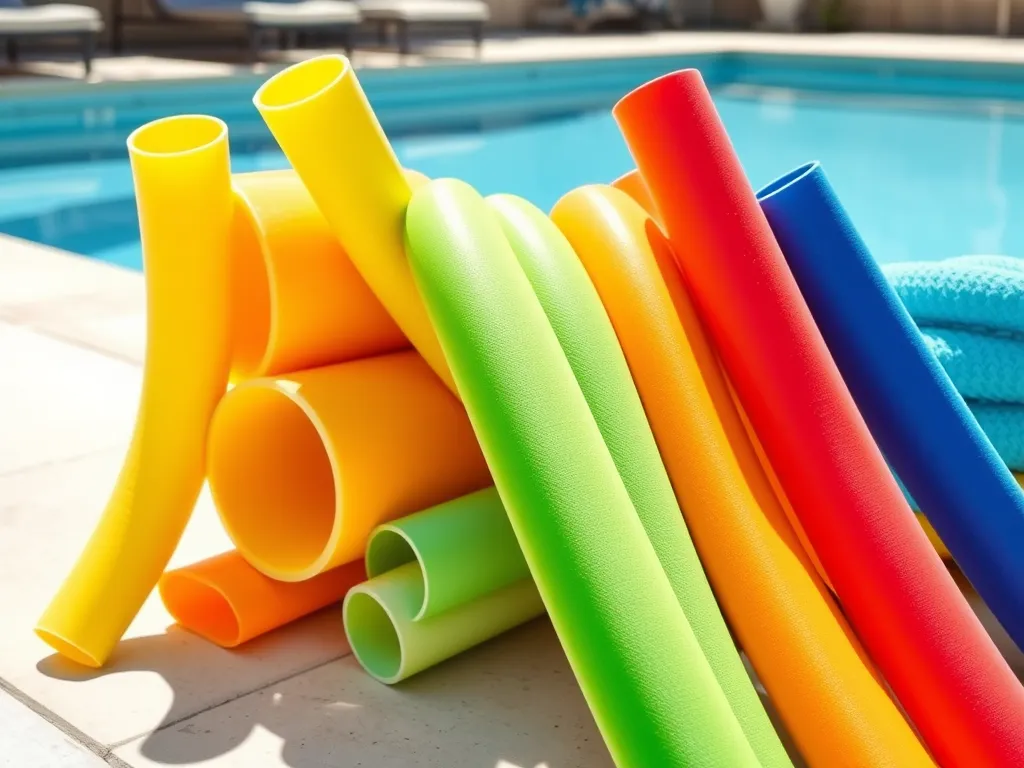
Yes, you can use pool noodles to insulate pipes. These foam tubes made of polyethylene foam (a closed-cell material) create a barrier against heat loss and freezing. While not as effective as traditional pipe insulation with higher R-values (thermal resistance ratings), pool noodles offer a budget-friendly DIY option. They work best for short-term fixes, mild climates, or protecting above-ground pipes from occasional cold snaps. Costs average $1-$3 per noodle compared to $0.50-$2 per linear foot for foam tubing insulation.
This article breaks down how pool noodles stack up against standard insulation. You’ll learn their exact R-value (spoiler: around 1.5 vs. 2-3 for dedicated foam sleeves), how to install them correctly, and when they’re a practical choice. We’ll also explore real-world scenarios where noodles fall short—like extreme freezes or buried pipes—and why combining them with heat tape might save your plumbing.
By the end, you’ll know whether pool noodles are a smart hack for your pool pipes or if upgrading to fiberglass wraps or spray foam is worth the investment. We’ll even show you how to measure pipe diameters, seal gaps with waterproof tape, and avoid common mistakes that leave pipes vulnerable. Let’s dive in.
Understanding Pipe Insulation in Pool Care
Proper pipe insulation plays a key role in maintaining pool systems, especially in regions with temperature swings. Pool noodles—a common summer accessory—have gained attention as a potential solution. But before exploring their effectiveness, let’s examine why protecting pipes matters for pools.
Crucial Winterizing Products
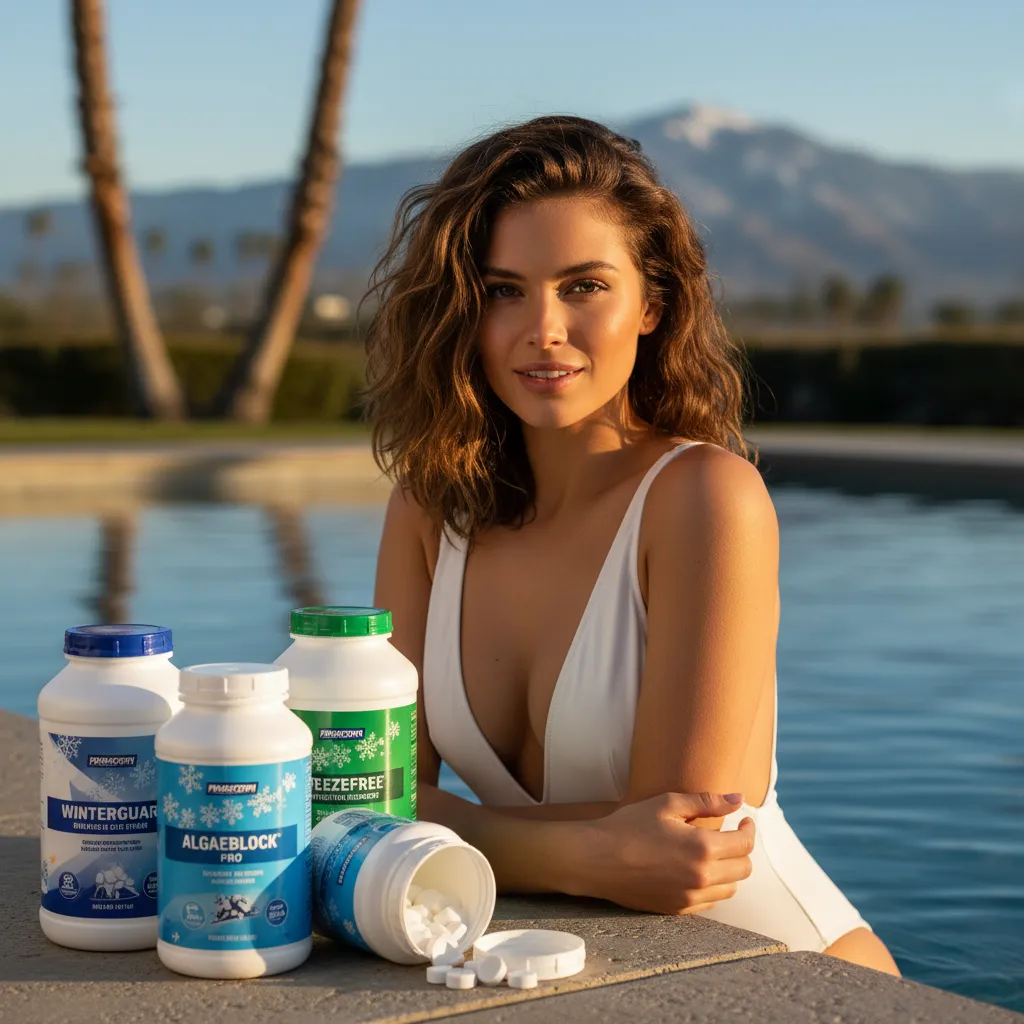
"The all-in-one solution for a guaranteed clear spring opening."
All-in-One Closing Chemical Kit
Winter demand is high - check stock

"The 'set & forget' option. This is the easiest winterizing I've ever done."
Simple 3-in-1 Winterizing Balls
Winter demand is high - check stock
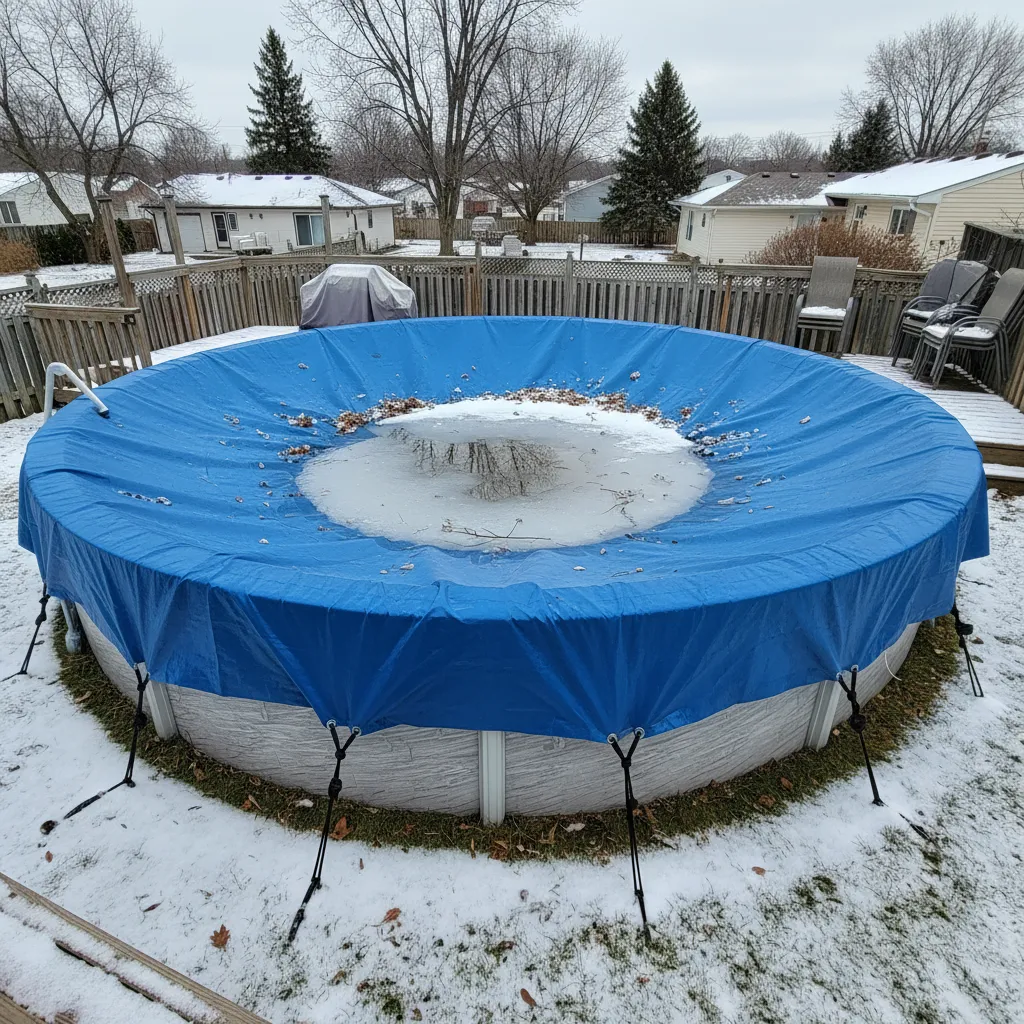
"Invest once to protect your liner and prevent a swamp in the spring."
Heavy-Duty Winter Pool Cover
Winter demand is high - check stock
Why Insulate Pool Pipes?
Pool pipes face constant exposure to outdoor elements. Without protection, water inside pipes can lose heat rapidly. Uninsulated lines may drop water temperature by 3°F–5°F per hour, forcing heaters to work 20%–30% harder. This strains equipment, raises energy bills, and accelerates wear on components like pumps and filters. Insulation also minimizes condensation, which contributes to rust and corrosion on metal fittings. Taking care of pool components is crucial for maintaining their overall lifespan. A well-maintained gunite pool can last for several decades with proper care and attention.
Freeze protection remains the top concern. When water freezes, it expands by 9%, creating pressure that cracks pipes. Even a single burst pipe can lead to $500–$2,000 in repairs. Insulated pipes slow heat transfer, buying time during cold snaps and reducing the risk of costly damage.
Risks Of Uninsulated Pool Pipes
Leaving pool pipes exposed invites multiple issues. During winter, stagnant water in uninsulated lines can freeze within hours when temperatures dip below 32°F. Summer brings challenges too: sunlight warms above-ground pipes, promoting algae growth and chemical imbalances. Evaporation rates spike when water travels through hot pipes, requiring more frequent top-offs and adjustments to sanitizer levels.
Corrosion thrives in uninsulated environments. Condensation forms on cold pipes during humid weather, creating moisture that degrades metal valves and connectors. Over time, this leads to leaks and system failures. Energy waste compounds these problems—heaters and pumps consume up to 40% more power when compensating for temperature loss through bare pipes.
With these risks in mind, let’s evaluate whether pool noodles offer a practical defense against the elements.
Can Pool Noodles Effectively Insulate Pipes?
Pool noodles work as a quick fix for insulating pipes, but their capability hangs on factors like climate and application. To grasp how this pool toy transforms into a DIY solution, it’s vital to dissect its physical traits and how they stack up against cold or hot conditions.
Material Properties Of Pool Noodles
Most pool noodles consist of cross-linked polyethylene foam (XLPE), a light, spongy material with air-filled pockets. This closed-cell structure traps air, giving it a modest capacity to slow down warmth shifts. With a typical R-value (a rating for thermal resistance) of 1.0 to 2.0 per inch, noodles lack the density of products like fiberglass (R-3.1 to R-4.3 per inch) or rubber foam tubing. Their buoyancy and flexibility allow for easy wrapping around pipes, but gaps or splits in foam can diminish insulation quality.
Thermal Resistance and Limitations
While pool noodle insulation for pipes can block mild chill, its R-value falters in sub-freezing zones. Tests show pipes wrapped solely in noodles may still crack if temps drop below 20°F for long spans. Moisture absorption is another flaw—pool noodles left in damp spots gradually soak up water, cutting their insulating power by up to 40%. For short-term use or regions with infrequent frost, this method might suffice, but it’s not a match for Arctic-grade conditions. Keeping your pool area comfortable is also important, especially to prevent mosquitoes. Using effective barriers and repellents can help keep mosquitoes away from your pool.
Pool Noodles Vs. Traditional Pipe Insulation
Standard insulation products outclass pool noodles in almost all technical aspects, but cost and simplicity keep noodles in the conversation. Knowing where each shines helps pool owners pick the right tool for their situation. When considering the practicality of pool noodles, it’s also important to think about their environmental impact. Many people wonder, are pool noodles recyclable?
Key Differences in Insulation Performance
Traditional pipe wraps like foam tubing (R-3.5 to R-6.5) or fiberglass sleeves (R-4.0 to R-8.0) boast higher R-values due to thicker, denser materials. Many also include vapor barriers—a foil or plastic layer that stops humidity from invading insulation. Pool noodles lack this shield, making them prone to sagging or mold in humid pool pump rooms. Additionally, UV rays from sunlight can break down noodle foam within months, while UV-stabilized pipe insulation lasts 5-10 years.
When to Choose Pool Noodles Over Standard Insulation
Pool noodle pipe insulation fits specific scenarios: temporary winterizing for above-ground plumbing, tight budgets (noodles cost $1-$3 vs. $0.50-$2.00 per linear foot for foam tubing), or odd pipe sizes that lack pre-made covers. For pool owners in USDA Hardiness Zones 8-10, where frost is rare, noodles might block just enough chill to avoid ice blockages. Their split design also allows fast installation without glue or tools—ideal for renters or quick fixes.
For pool owners looking to try this method, following a systematic installation approach can boost its viability. Up next: how to fit noodles onto pipes without leaving weak spots. Once you’ve secured your pool with the right support, it’s important to consider the access to your pool. Installing an above-ground pool ladder will help you get in and out of the pool safely.
Also See: Can You Snake a Pool Skimmer Line? Here’s How
Step-by-step Guide to Insulating Pipes With Pool Noodles
Transforming pool noodles into pipe insulation requires precise execution for optimal thermal performance. Follow these steps to ensure your pool pipes stay protected from temperature fluctuations.
Measuring and Cutting Pool Noodles
Start by measuring the pipe’s length and circumference. Pool noodles typically have a 2.5” diameter, fitting standard 1.5” to 2” PVC pipes. Use a utility knife or sharp scissors to slice the noodle lengthwise, creating a C-shaped channel. For angled joints or valves, cut shorter segments (6-12”) to wrap around complex shapes. Leave a 1/4” overlap at seams to prevent gaps.
Securing Noodles to Pipes
Press the slit side of the noodle onto the pipe, ensuring full contact. Secure the foam with UV-resistant zip ties, duct tape, or adhesive-backed hook-and-loop strips every 8-12 inches. For pipes near pumps or heaters, avoid blocking access panels. Overlap noodles at bends by 2-3 inches to maintain coverage during temperature shifts.
Sealing Gaps for Maximum Efficiency
Even small openings compromise insulation. Apply expanding foam sealant or self-stick rubber weatherstripping to seal joints between noodle segments. Check for compression gaps where pipes contact brackets or walls, and add closed-cell foam strips as needed. Test coverage by running a hand along the pipe—any detectable airflow indicates a leak.
Cost Comparison: Pool Noodles Vs. Dedicated Pipe Insulation
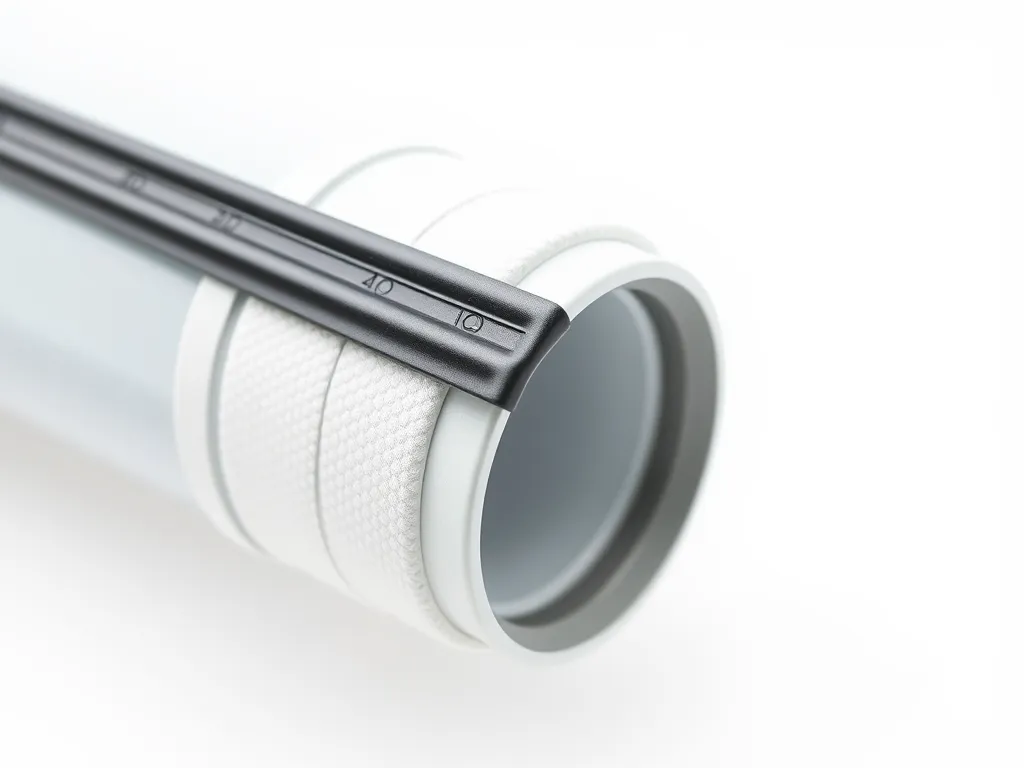
Pool noodles cost $1-$3 per 5-foot tube, while traditional foam pipe insulation (like Armacell Tubolit) runs $0.50-$2 per linear foot. Fiberglass or rubber sleeves range from $1.50-$4 per foot. Though noodles appear cheaper upfront, factor in durability: closed-cell polyethylene foam lasts 10-15 years, while pool noodles degrade after 1-3 seasons outdoors. For a 50-foot pool system, noodles cost ~$15 vs. $50+ for professional-grade materials. In addition to insulation options, maintaining proper chemical balance in pools is essential. Using hydrogen peroxide can help lower chlorine levels while effectively sanitizing the water.
Pros and Cons Of Using Pool Noodles for Insulation
Advantages:
- Budget-friendly ($0.20-$0.60 per linear foot)
- Easy to install without specialized tools
- Flexible enough for curved or irregular pipes
Drawbacks:
- Lower R-value (~1.0) compared to ArmaFlex (R-3.2)
- Not rated for extreme cold (below 20°F) or UV exposure
- Requires frequent replacement in damp environments
While pool noodles offer a quick fix, exploring other methods ensures year-round protection for your pool’s plumbing system.
Alternative Pipe Insulation Methods for Pool Owners
While pool noodles offer a creative fix, specialized products often provide stronger thermal protection for pool plumbing. Explore these alternatives when facing extreme climates or complex pipe layouts. It’s also important to consider the safety aspects of these materials. Many people wonder, are pool noodles flammable?
Foam Tubing Insulation
Closed-cell foam tubing outperforms pool noodles with higher R-values (1.5-3.0 per inch) and built-in adhesive seams. ArmaFlex and Rubatex brands withstand temperatures from -297°F to 220°F, resisting UV degradation and condensation. Pre-slit designs simplify installation on existing pipes without disassembly. At $0.80-$1.50 per linear foot, it’s pricier than $3 pool noodles but lasts 10-15 years versus 2-3 seasons for foam toys. When it comes to pools, having sturdy and long-lasting materials is crucial. Considering durability becomes even more important to support immense water weight and ensure a safe swimming experience.
Heat Tape and Other Solutions
Electric heat tape provides active freeze protection, maintaining pipe temperatures above 32°F even in subzero conditions. Thermostat-controlled models like Frostex or EasyHeat consume 5-7 watts per foot, adding $20-$50 annually to energy bills. Pair with pool noodles for hybrid insulation: the foam reduces heat loss while the tape supplies backup warmth during cold snaps. For above-ground pipes, fiberglass wraps with foil facing reflect 97% of radiant heat when properly sealed with UL-listed tape.
Tips for Enhancing Pool Noodle Insulation Effectiveness
Maximize your DIY solution’s performance with strategic upgrades and proactive care. These tweaks help bridge the gap between pool toys and professional-grade materials.
Combining With Other Insulation Methods
Layer pool noodles beneath reflective foil pipe wrap to block convective and radiant heat loss. Use UV-resistant zip ties every 8 inches instead of duct tape, which degrades in sunlight. For exposed sections, build a weatherproof shield from PVC pipe cut lengthwise – this adds structural support and deflects rain/snow from the foam. In freeze-prone zones, install a $15 thermostatically controlled outlet to cycle heat tape only when temperatures drop below 38°F. After taking these precautions, it’s important to consider how you will drain your above ground pool. Proper draining not only helps maintain your pool’s structure but also prepares it for winter storage.
Seasonal Maintenance Tips
Inspect noodles monthly for compression gaps – polyethylene foam loses 10-15% thickness under constant pressure. Rotate sections annually to distribute wear evenly. Before winter, seal cut edges with waterproof Flex Seal paste ($12/tube) to prevent moisture absorption that reduces R-value. Remove noodles during summer in high-UV areas; prolonged sun exposure causes 20% faster degradation. Store in shaded, dry locations wrapped in breathable landscape fabric. Taking care of your pool components is essential for longevity and performance. When considering a gunite pool, it’s important to factor in both maintenance and initial costs.
Want to troubleshoot common installation issues? Our FAQ section breaks down real-world scenarios faced by pool owners using foam pipe wraps.

Frequently Asked Questions (FAQ)
How Long Do Pool Noodles Last As Pipe Insulation?
Pool noodles typically last 1-3 seasons outdoors, depending on environmental exposure. UV rays, moisture, and temperature fluctuations accelerate degradation. Indoor applications may extend their lifespan to 3-5 years. For longer-term solutions, consider UV-stabilized foam tubing with a 10+ year service life.
Can Pool Noodles Protect Underground Pool Pipes?
No—pool noodles aren’t suitable for buried pipes. Soil moisture compresses the foam, reducing its R-value by 50% within months. Underground lines require rigid insulation like extruded polystyrene (XPS) foam boards or pre-insulated PVC piping rated for direct burial. When considering an above ground pool, you might think about partially burying it. This approach not only enhances stability but also helps integrate the pool into your landscaping.
Is It Safe to Paint Pool Noodles for Weatherproofing?
Avoid painting standard pool noodles, as most acrylic paints dissolve polyethylene foam. For UV protection, use foil-faced adhesive tape or slip-on PVC pipe covers. Specialty closed-cell foam products with built-in UV resistance are better for permanent outdoor use. Instead, consider decorating them with colorful duct tape or removable marker designs. These methods allow for creativity while keeping the noodles safe and functional.
Do Pool Noodles React With Pool Chemicals?
Polyethylene foam resists chlorine and bromine at standard pool concentrations. However, prolonged exposure to algaecides containing copper or high pH levels (above 8.2) may cause gradual breakdown. Rinse noodles annually and replace if surface cracks appear. Maintaining the quality of pool water is essential for longevity. One important step is to regularly remove metal from the pool water to prevent damage to equipment and surfaces.
Final Thoughts on Pool Noodle Pipe Insulation
Pool noodles offer a budget-friendly, temporary solution for insulating pipes, especially in mild climates. Their closed-cell foam structure provides basic thermal resistance, though they fall short compared to dedicated pipe insulation in extreme conditions. For pool owners needing quick fixes or seasonal protection, noodles can work when properly installed and sealed.
For long-term efficiency, consider pairing noodles with foam tubing or heat tape. Regular checks for gaps and moisture buildup ensure better performance. Traditional insulation remains superior for freeze-prone areas, but noodles shine as a creative stopgap.
Need precise calculations for pool maintenance? Explore My Pool Calculator for tools to balance cost, efficiency, and DIY solutions like this one.
Useful References for You:
- National Swimming Pool Foundation (NSPF) – Certification & Resources
- Do pool noodles work as pipe insulation? Are pool noodles good insulation? – CNBNews
- Pipe Insulation From Pool Noodles : 3 Steps – Instructables
- The “R Value” of Pool Noodles | Home Theater Forum
- Does Pool Noodles work as pipe insulation?
A pool care geek who’s been testing water chemistry since she was tall enough to reach the skimmer.
Piping, Plumbing System Care & Repair, PVC Piping