Can You Swim in a Pool With High Copper Levels?
Published on: February 3, 2026 | Last Updated: November 17, 2025
Written By: Rachael Weatherbottom
No, swimming in a pool with copper levels above 0.4 ppm (parts per million) is unsafe and can lead to skin irritation, green hair discoloration, and long-term health risks. Copper enters pool water through algaecides, corroded pipes, or heater components, and high concentrations require immediate action like draining or chemical treatment to protect swimmers.
This article explains how copper affects your pool and health. You’ll learn why copper levels spike, how to spot warning signs like blue-green stains or itchy skin, and what steps to take if your test strips show elevated readings. We’ll break down methods to lower copper safely, from using sequestering agents like HEDP to partial water replacement.
Discover how to prevent copper buildup by choosing copper-free algaecides, maintaining pH levels between 7.2-7.8, and inspecting metal equipment. We’ll also clarify myths about shocking pools with chlorine (spoiler: it doesn’t remove copper) and share expert tips for balancing water chemistry without compromising swimmer safety.
Understanding Copper in Pool Water
Copper enters pool water through various sources, acting as both a helper and a hazard. While small amounts combat algae, excess amounts create problems for swimmers and equipment. Recognizing how copper behaves in water sets the foundation for managing its risks. One common problem pool owners face is black algae, which can thrive in certain conditions. Managing copper levels may help prevent the growth of this stubborn type of algae.
Crucial Winterizing Products
"The all-in-one solution for a guaranteed clear spring opening."
All-in-One Closing Chemical Kit
Winter demand is high - check stock

"The 'set & forget' option. This is the easiest winterizing I've ever done."
Simple 3-in-1 Winterizing Balls
Winter demand is high - check stock
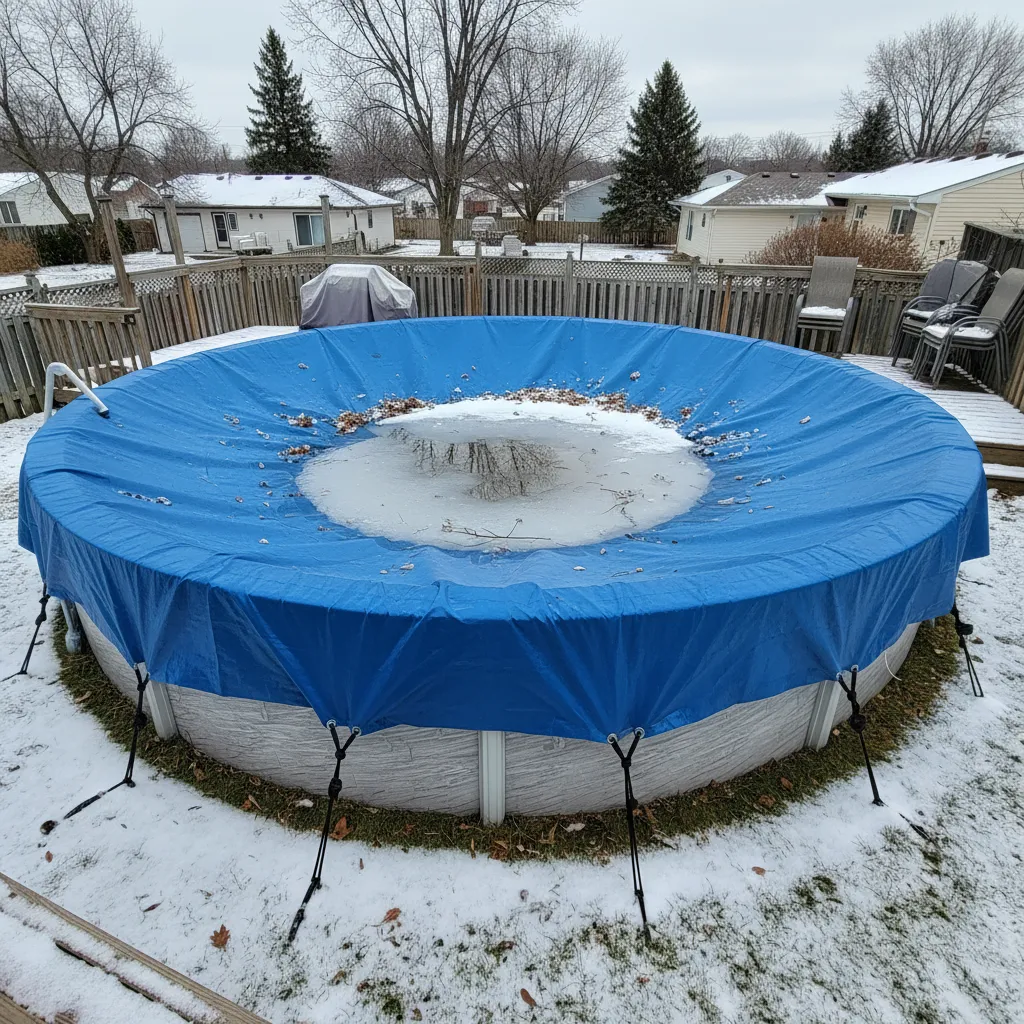
"Invest once to protect your liner and prevent a swamp in the spring."
Heavy-Duty Winter Pool Cover
Winter demand is high - check stock
Ideal Copper Levels in Swimming Pools
The Environmental Protection Agency (EPA) recommends keeping copper levels below 0.2 parts per million (ppm) in recreational water. At this concentration, copper remains effective for algae control without posing immediate health threats. Exceeding 0.3 ppm triggers visible changes like greenish water or metallic stains on pool surfaces. Prolonged exposure above 1.0 ppm may damage filtration systems and irritate skin. The size of a pool can influence how easily these copper levels can be managed. Smaller pools may require more frequent testing and maintenance to ensure water quality remains safe.
Common Causes Of High Copper Levels
Three primary factors drive copper buildup:
- Copper-based algaecides: Products containing copper sulfate or chelated copper release ions into water. Overapplication or poor circulation leads to accumulation.
- Corroded equipment: Low pH (below 7.0) or imbalanced alkalinity dissolves copper from heaters, pipes, or ionizer systems. Saltwater pools face higher corrosion risks due to chloride content.
- Fill water contamination: Well water or municipal supplies with naturally high copper levels introduce the metal during refills.
Testing water chemistry weekly helps catch imbalances early. For example, a pH of 7.4–7.6 slows corrosion, while total alkalinity between 80–120 ppm stabilizes dissolved metals.
Now that we’ve identified how copper enters pools, let’s explore how elevated levels directly affect those who swim in them.
Health Risks Of Swimming With High Copper Levels
Copper levels above 0.2 ppm (parts per million) create risks for swimmers. While copper-based algaecides help control algae growth, excessive amounts turn beneficial chemicals into hazards. Let’s explore what happens when copper levels spike. Additionally, rust pools can lead to injuries and infections, making it essential to keep them safe and clean.
Short-term Effects on Swimmers
Immediate reactions include itchy skin, green-tinted hair (especially in lighter shades), and red, irritated eyes. Swimmers might notice a metallic taste if water enters the mouth. At 1 ppm, these effects become more pronounced, with some reporting rashes resembling chemical burns. The CDC warns against swimming in pools where copper exceeds 1.3 ppm, as it violates EPA safety thresholds for drinking water—standards often referenced for recreational water quality. When considering a swimming experience, rooftop pools can present a unique setting. These elevated pools often offer spectacular views, making them a popular choice for relaxation and enjoyment.
Long-term Health Concerns
Frequent exposure to copper levels over 0.5 ppm may lead to accumulative toxicity. Over months or years, copper builds up in the liver and kidneys, potentially disrupting metabolic functions. Children face higher risks due to lower body weight; studies link chronic copper exposure in kids to developmental delays. While rare, extreme cases (5+ ppm) correlate with hemolytic anemia, where red blood cells break down prematurely.
Visible Signs and Symptoms Of High Copper Levels
Before test kits flag issues, physical changes often hint at copper overload. Recognizing these signs early helps prevent prolonged exposure.
Pool Staining and Water Discoloration
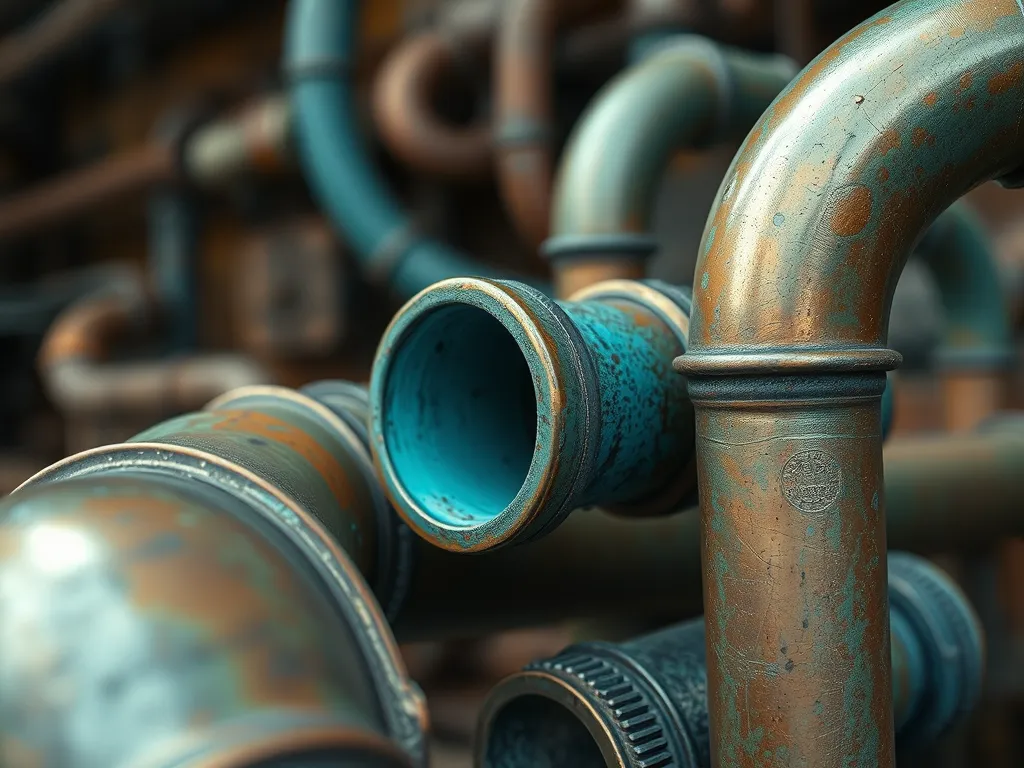
Copper reacts with pool surfaces, leaving blue-green stains on plaster, vinyl liners, or tile grout. Water may appear teal or murky, even with balanced pH. Metal sequestering agents temporarily clear discoloration but don’t lower copper levels—a band-aid fix masking the root problem. The choice of pool sanitation methods can greatly affect the quality and safety of the water. Evaluating the pros and cons of various sanitation options helps ensure a clean and enjoyable swimming experience.
Hair and Skin Reactions
Blondes and gray-haired swimmers often spot changes first: hair takes on a grassy hue after just one dip. Skin may feel dry or develop a greenish film, particularly around nails or jewelry. These reactions stem from copper binding to keratin proteins or oxidizing with chlorine. In aquatic environments, it’s not just humans who notice these changes. Frogs in pools can also react to the water conditions, highlighting their sensitivity to chemical levels.
Swimmer’s Ear and Other Infections
High copper disrupts pH balance, creating ideal conditions for pathogens like Pseudomonas aeruginosa. This bacterium causes swimmer’s ear—a painful outer ear infection marked by itching and discharge. Copper’s antimicrobial properties weaken at extreme pH levels, ironically raising infection risks despite its germ-fighting reputation.
Spotting green hair or teal-tinted water? Time to verify copper levels. Next, we’ll break down testing methods to pinpoint exact concentrations.
Also See: Coagulation in Water Treatment: Key to Clear Water
Testing Copper Levels in Your Pool
Knowing if your pool has too much copper starts with accurate testing. Two main options exist: lab analysis or DIY kits. Both show if you’re dealing with a minor imbalance or a risky situation. Another important factor to test in pools is bromine levels. High bromine can be caused by factors like excessive use of bromine tablets or poor water circulation.
Professional Testing Methods
Labs use tools like ICP-OES (Inductively Coupled Plasma Optical Emission Spectrometry) to spot copper down to 0.1 parts per million (ppm). This method also finds minerals such as iron or calcium that might interact with copper. Costs vary from $50 to $150, but results pinpoint exact contamination sources, like corroded plumbing or algaecide overuse.
At-home Test Kits
Liquid reagent kits and test strips offer instant checks. Brands like Taylor K-2006 or LaMotte ColorQ Pro 11 can identify copper between 0.2 and 5 ppm. For best results, collect samples 12 inches below the surface away from jets. Test strips turn purple at 0.3 ppm or higher—a sign to act fast. Monitoring metals in pool water is crucial for safety and maintenance. Pool test strips can help detect not just copper, but other metals that may affect water quality.
How to Reduce Copper Levels in a Swimming Pool
Fixing high copper levels involves a mix of chemistry and water management. Solutions range from quick fixes to partial overhauls.
Shocking the Pool: Does It Remove Copper?
Oxidizing a pool with calcium hypochlorite (65-73% strength) won’t cut copper levels. Shocking breaks down organic matter but leaves dissolved metals intact. In fact, low pH during this process can worsen staining by making copper ions more active. To maintain a clean pool, it’s also important to manage chloramines effectively. Getting rid of chloramines is essential for ensuring better water quality and swimmer comfort.
Using Sequestering Agents
Metal sequestrants like HEDP (hydroxyethylidene diphosphonic acid) bind to copper, stopping stains and cloudiness. Add 16 oz per 10,000 gallons weekly until levels drop below 0.3 ppm. For heavy buildup (above 1 ppm), citric acid treatments at 2 lbs per 10k gallons can lift metal from surfaces.
Partial Draining and Refilling
Draining 30-50% of pool water dilutes copper fast. Always check municipal water first—some sources contain 0.1 ppm copper. Refill costs average $80-$200 depending on local rates. Pair this with sequestrants to avoid recurring issues. It’s important to consider how other contaminants can also affect pool safety. Bird droppings can introduce harmful bacteria and parasites, making the pool dangerous for swimmers.
Preventing Copper Buildup in Pools
Stopping copper at its source costs less than fixing a green-tinged pool or irritated skin. Focus on smart chemical choices and upkeep habits.
Routine Maintenance Tips
- Keep pH at 7.4-7.6 to slow pipe corrosion
- Check ionizer outputs monthly; adjust to under 0.4 ppm
- Flush filters after algaecide use to avoid residue
Choosing Copper-free Algaecides
Opt for quaternary ammonium compounds (“polyquat”) or sodium bromide formulas. Polyquat 60 works at 6-12 oz per 10k gallons without adding metals. For saltwater pools, ozone systems paired with enzyme cleaners cut algae without copper sulfate. Keeping your pool clean is essential, but it’s also important to consider the energy usage of your pool pump. A pool pump kWh calculator can help you find out how much electricity your pump uses, allowing you to save on energy costs and keep your pool running efficiently.
With testing sorted and fixes in hand, many still wonder about daily limits for swimming pool use. Let’s tackle common questions about timing and safety thresholds.
FAQs About Swimming in Pools With High Copper
Can High Copper Levels Damage Pool Equipment Like Heaters or Pumps?
Yes. Prolonged exposure to copper concentrations above 0.5 ppm accelerates corrosion in metal components, particularly heaters and pump seals. Low pH (below 7.0) exacerbates this by dissolving protective oxide layers, leading to pitting and reduced equipment lifespan. Regular pH checks (7.4–7.6) and using corrosion inhibitors can mitigate damage.
Does Copper React With Chlorine to Create Harmful Byproducts?
Copper and chlorine don’t form toxic compounds, but chlorine oxidizes copper ions, worsening staining and water discoloration. At chlorine levels above 3 ppm, copper may precipitate as blue-green scale on surfaces. Sequestering agents like HEDP prevent this reaction without altering sanitizer effectiveness.
Are Vinyl or Fiberglass Pools Less Prone to Copper Staining Than Concrete?
Vinyl and fiberglass surfaces resist staining better than porous concrete or plaster. Copper binds more easily to rough textures, leaving permanent marks on plaster. For vinyl pools, stains often appear as faint streaks near metal fixtures but can usually be removed with ascorbic acid treatments. Choosing the right pool surface can make a big difference in maintenance. Many people find vinyl pools to be a great option due to their durability and ease of cleaning.
Closing Thoughts
Swimming in a pool with high copper levels poses risks—from green hair to skin irritation. While the EPA recommends keeping copper below 1.0 ppm, exceeding this can turn your oasis into a hazard. Staining, infections, and long-term health concerns make proactive testing and treatment non-negotiable.
Use sequestering agents like HEDP or citric acid for temporary fixes, but partial draining may be needed for severe cases. Prevent future buildup by opting for copper-free algaecides and checking metal levels monthly with test strips or digital meters.
For precise calculations on chemical adjustments or drain-refill ratios, explore My Pool Calculator. Keeping copper in check ensures your pool stays safe, clear, and ready for endless summer dips.
Useful References for You:
- American National Standards Institute (ANSI). (2020). ANSI/PHTA Standards for Residential Swimming Pools. New York, NY: ANSI.
- Cloudy water after algae; high copper level – Swimming Pool Help
- Can I swim if there’s metal/copper in my pool water? | Trouble Free Pool
- My copper ion level is above 0.4ppm. What should I do? – ClearBlue Ionizer
- Expert Answers on High Copper Levels in Pool Water | JustAnswer
A pool care geek who’s been testing water chemistry since she was tall enough to reach the skimmer.
Calcium Hardness, Pool Chemistry, Water Balance