The Ultimate Guide to Black Algae in Pools: Identification, Eradication, and Prevention
Published on: December 26, 2025 | Last Updated: November 17, 2025
Written By: Rachael Weatherbottom
Black algae is a stubborn pool contaminant that appears as dark blue-green or black speckled patches with deep roots in pool surfaces. Unlike surface-level green algae, it forms a protective biofilm layer and embeds itself into concrete, plaster, or vinyl, requiring vigorous brushing and shock treatments above 30 ppm chlorine for removal. Left untreated, these colonies spread rapidly and pose slip risks or bacterial exposure.
This guide breaks down the biology of black algae colonies, explains why standard pool chemicals often fail against them, and provides proven removal strategies. You’ll learn why water temperatures above 85°F accelerate growth, how contaminated pool toys introduce spores, and why maintaining pH levels between 7.4-7.6 disrupts their environment.
We detail step-by-step eradication methods using algaecides, metal brushes, and vacuuming protocols. Explore cost-effective prevention tactics like weekly 20-minute filter cycles and pre-soaking swimwear in chlorine solutions. Get clarity on when DIY treatments work versus needing professional-grade acids or pressure washing—plus safety tips for handling chemicals like copper sulfate.
What is Black Algae?
Black algae in swimming pools isn’t true algae but a cyanobacteria with fortress-like survival traits. This organism forms dark, slimy colonies that embed into porous surfaces like concrete or plaster. Unlike green algae that floats freely, black algae anchors itself with root-like structures called rhizoids, making it a tenacious foe for pool owners.
Crucial Winterizing Products
"The all-in-one solution for a guaranteed clear spring opening."
All-in-One Closing Chemical Kit
Winter demand is high - check stock

"The 'set & forget' option. This is the easiest winterizing I've ever done."
Simple 3-in-1 Winterizing Balls
Winter demand is high - check stock
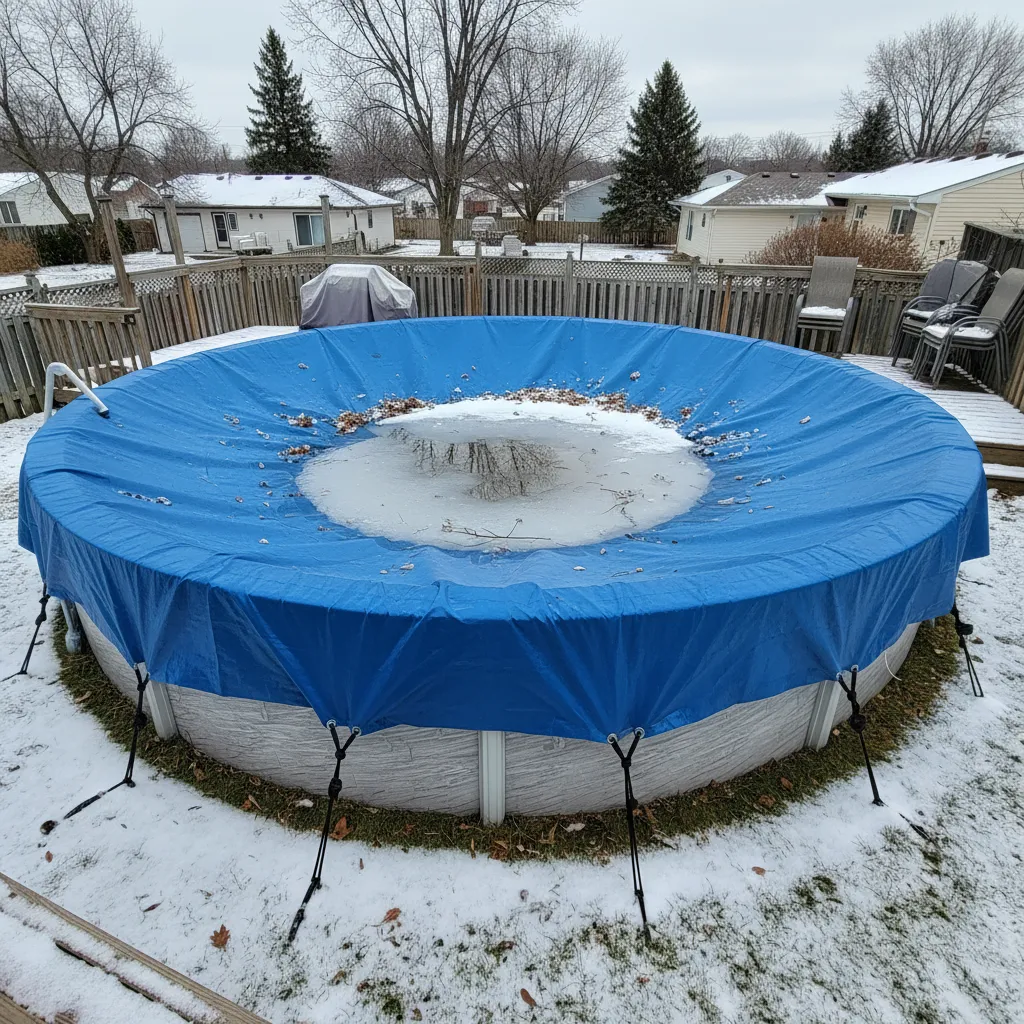
"Invest once to protect your liner and prevent a swamp in the spring."
Heavy-Duty Winter Pool Cover
Winter demand is high - check stock
Characteristics and Biology Of Black Algae
Black algae colonies develop a multi-layered shield. The outer biofilm—a slimy matrix of proteins and polysaccharides—protects cells from chlorine. Beneath this, calcium carbonate deposits add mineral armor. Each speck-like colony reproduces through spores released when disturbed. These spores can survive for weeks in pool filters or crevices, waiting to regrow under favorable conditions.
Mature growths appear as raised blue-black patches up to ¼-inch thick. The color comes from protective pigments called scytonemins, which block UV light. Left untreated, rhizoids burrow ½-inch deep into plaster or grout, requiring aggressive black algae remover solutions to reach embedded roots.
Why Black Algae Thrives in Pool Environments
Pools provide ideal habitats for black algae growth. Warm water temperatures above 85°F accelerate reproduction, while stagnant corners with poor circulation create breeding zones. Imbalanced sanitizer levels below 3 ppm free chlorine allow spores to germinate. Even well-maintained pools risk infestation if pH drifts above 7.8, reducing chlorine’s effectiveness.
Contaminated items introduce spores into the water. Pool toys, cleaning tools, or swimsuits exposed to natural bodies of water can carry hitchhiking colonies. Once established, black algae resists standard shock treatments due to its biofilm barrier. Brushing becomes critical to breach this shield before chemical treatments can penetrate.
Once you recognize how black algae operates, the next step involves accurately identifying its presence before it spreads. Look for telltale visual markers and test suspicious spots with these methods…
How to Identify Black Algae in Your Pool
Spotting black algae early stops it from taking over your pool. Look for dark blue, gray, or black spots that form clumps with a whitish outer layer. This organism grows in shady spots but also thrives in sunny zones with poor circulation. Just as algae can harm your pool, the chemicals in the water can kill grass and other plants nearby if they are not properly managed.
Visual Signs: Black Algae Patches and Stains
Black algae starts as coin-sized dots on walls, floors, or grout lines. Its root system digs into porous surfaces like concrete or plaster, creating raised colonies up to 1/4 inch thick. Unlike common green algae, it won’t cloud your water but forms gritty clusters that resist brushing.
Texture and Adhesion: Testing for Persistent Growth
Scrape a stain with your fingernail. If it feels slimy and leaves a dark mark, it’s likely black algae. Brush a patch vigorously—if it returns within 24 hours, the roots survive. For a DIY test, rub a trichlor tablet on a stain. No fading? It’s not metal or organic debris but black algae gripping the surface.
Differentiating Black Algae From Mold or Rust Stains
Mold grows in shaded zones with a fuzzy texture, while rust stains turn orange-brown when touched with vitamin C tablets. Black algae stays dark and sprouts tiny branches. Check pool corners or steps first—if spots show up in high-sun areas with rough texture, you’re dealing with black algae. The maintenance of a clean pool also includes being mindful of unwanted guests. If bees are nearby, taking steps to keep them away from the pool becomes important for safety.
Error: Invalid image ID.
Causes Of Black Algae Growth in Pools
This stubborn organism thrives under specific conditions. Knowing its triggers helps build a strong defense.
Poor Sanitation and Chlorine Imbalance
Black algae survives in pools with free chlorine under 3 ppm. Its protective biofilm blocks sanitizers from reaching root structures. Testing strips showing pH above 7.8 or stabilizer levels over 100 ppm reduce chlorine’s power, allowing colonies to multiply.
Warm Water Temperatures and Stagnant Circulation
Water above 85°F speeds up black algae growth. Dead zones behind ladders, inside light niches, or along coves let spores settle. Pools running filters less than 8 hours daily risk stagnant conditions where this organism flourishes. Proper maintenance is essential to prevent such issues. Regular pressure tests for pool lines can help identify leaks that contribute to water quality problems.
Contaminated Pool Equipment or Swimwear
Spores hitchhike on toys, brushes, or bathing suits used in lakes or infected pools. A single contaminated item can introduce black algae to your system. Shared pool tools without proper rinsing in a 10% bleach solution spread infestations fast. When visiting places like pool hopping at Disney, be mindful of where you swim. Pool hopping at Disney can be exciting, but it’s important to keep hygiene in mind to ensure a safe and fun experience.
With identification and causes clear, tackling this invader requires a tactical approach. Up next: proven methods to wipe out black algae for good.
Also See: Can You Go in the Pool With Bleached Hair? Will It Turn Green?
Step-by-step Black Algae Removal Process
Eradicating black algae demands a methodical approach that targets its protective layers and root system. The process combines physical scrubbing, chemical treatments, and thorough cleanup to prevent regrowth.
Step 1: Brushing to Disrupt the Protective Biofilm
Black algae forms a waxy outer layer that shields it from sanitizers. Use firm, stainless-steel brushes on concrete or gunite pools to fracture this biofilm. For vinyl-lined pools, opt for nylon-bristle brushes to avoid surface damage. Focus on areas with visible black algae patches, applying enough pressure to expose the root structures beneath.
Choosing the Right Brush for Concrete vs. Vinyl Pools
Concrete surfaces require stiff 304-grade stainless steel brushes with angled bristles. Vinyl liners need soft 8-inch poly brushes with tapered edges. Brush daily for 3-5 days during treatment cycles to maintain biofilm breakdown.
Step 2: Superchlorination to Kill Root Structures
Raise free chlorine levels to 30 ppm using calcium hypochlorite shock (65-73% strength). Maintain this concentration for 24 hours to penetrate damaged biofilm and destroy algae roots. Test every 4-6 hours with a FAS-DPD test kit, adjusting as needed. The choice of sanitizer can significantly impact maintenance routines. Considering options like bromine versus chlorine can help you find what works best for your hot tub.
Step 3: Applying Targeted Black Algae Treatment
After shocking, apply a polyquat-algaecide blend directly onto stains. For severe cases, use copper-based treatments like cupric sulfate pentahydrate (0.2-0.4 ppm) or specialized black algae removers containing alkyl ammonium chlorides. Let the solution sit for 12 hours without pool use.
Step 4: Vacuuming Dead Algae and Debris
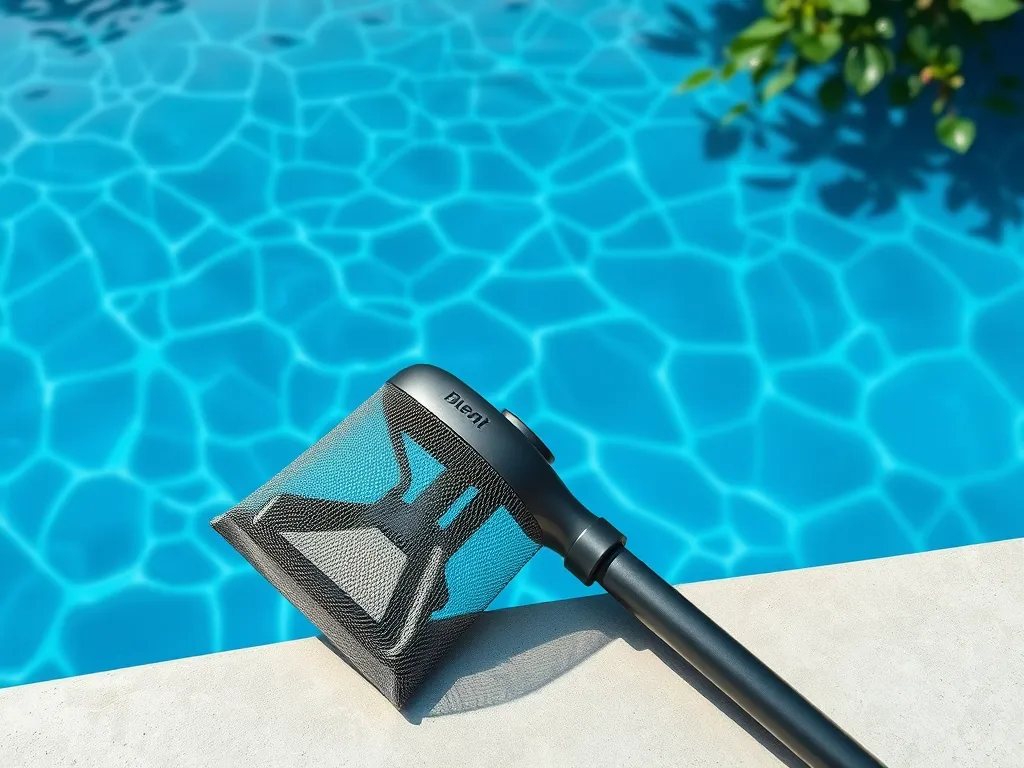
Use a manual vacuum with a fine mesh bag to capture dead algae particles. Set the filter to “waste” mode during cleanup to prevent spores from recirculating. Repeat vacuuming over 48 hours as remaining debris settles.
Effective Black Algae Treatment Products
Selecting the right chemicals determines success against stubborn black algae growth. These three product categories deliver proven results when used correctly.
Chlorine-based Shock Treatments
Cal hypo shock remains the go-to for initial sanitization. Look for granular formulas with 68-73% available chlorine. For 10,000-gallon pools, use 5 pounds to reach 30 ppm. Lithium hypochlorite (35% strength) works for softer water but requires double dosing. Keeping your pool clean is important, but it’s also essential to monitor your energy use. A pool pump kWh calculator can help you determine how much energy your pump consumes, leading to more efficient pool maintenance.
Copper-based Algaecides for Persistent Cases
Chelated copper algaecides (7-10% concentration) bind to algae cells after biofilm removal. Apply 6-8 ounces per 5,000 gallons, maintaining 0.3-0.5 ppm copper levels. Avoid overdosing to prevent surface staining.
Specialized Black Algae Remover Solutions
Enzymatic treatments like sodium bromide blends (27% active) attack the algae’s protective coating. Use 1 quart per 15,000 gallons with the pump running. Quaternary ammonium compounds (20% benzalkonium chloride) work as spot treatments for tile lines.
Preventing Black Algae Reinfestation
Consistent maintenance forms the best defense against recurring black algae in swimming pools. These strategies create hostile conditions for spore development.
Maintaining Optimal Water Chemistry (Ph 7.4-7.6)
Test daily with a digital meter during peak season. Keep cyanuric acid under 50 ppm to maximize chlorine efficacy. Total alkalinity should hold steady at 80-120 ppm to stabilize pH levels. It’s also important to check for any electrical issues that might arise in your pool setup. Regularly testing pool water electricity helps ensure that everything runs smoothly and safely.
Weekly Brushing and Vacuuming Protocols
Scrub all pool surfaces every 7 days using appropriate brushes. Vacuum with a robotic cleaner featuring microfiber bags rated for 2-micron particles. Focus on shaded areas and corners where spores gather. The depth of the pool is also important for safety and maintenance. Deep diving pools usually require more careful attention to ensure they meet safety standards.
Filter Maintenance and Circulation Best Practices
Backwash sand filters when pressure gauges show 8-10 psi above normal. For DE filters, perform complete breakdowns every 4-6 weeks. Run pumps 10-12 hours daily, ensuring full turnover every 6 hours. Proper maintenance is key for effective filtration. A backwash sand filter helps maintain clean water in pools and spas.
Pre-treatment Of Pool Toys and Accessories
Soak floats, noodles, and cleaning tools weekly in a 10:1 water-bleach solution. Use inline UV sanitizers on hose-fed vacuum systems to kill spores before entry.
With these protocols in place, pool owners can shift focus to identifying look-alike stains that mimic black algae growth.
Black Algae Vs. Other Pool Discolorations
Not every dark spot in your pool signals the presence of black algae. Pool owners frequently mistake metal stains, organic debris buildup, or surface etching for these tenacious growths. Proper identification determines which treatment protocol to follow – using the wrong method wastes time and resources. Keeping your pool clean also means maintaining a clean pollen pool. A clean pollen pool can enhance the overall swimming experience while ensuring better water quality.
Distinguishing From Metal Stains or Organic Debris
Metal stains caused by dissolved iron (0.3+ ppm) or copper (0.2+ ppm) typically create uniform discoloration rather than defined clusters. Rub suspected spots with vitamin C tablets – metal stains lighten immediately, while black algae’s protective biofilm resists quick changes. Organic debris like leaves or dirt brushes off easily, unlike rooted growths needing 3,000+ PSI brushing pressure.
When Black Spots Signal Algae Vs. Surface Damage
Surface etching from improper chemical balance creates permanent marks that don’t spread. True black algae colonies expand outward at rates up to 6 inches weekly under warm conditions (80°F+). Perform the “chlorine test”: apply 10% bleach solution directly to spots. If color fades within 15 minutes, you’re likely dealing with surface stains rather than living colonies.
Safety Considerations With Black Algae
While not directly toxic, black algae infestations create multiple risks requiring careful handling. The same protective layers letting them survive chlorine also trap harmful bacteria like E. coli or Pseudomonas aeruginosa. These issues can lead to unsafe swimming conditions. Rust pools can be especially dangerous because they often harbor these bacteria along with other contaminants.
Health Risks Of Swimming in Infested Pools
Swimmers in pools with visible black algae patches report 43% higher rates of skin irritation and folliculitis according to CDC data. Children swallowing infested water risk gastrointestinal distress due to trapped pathogens. Pets face similar dangers – their lower body weight increases susceptibility to contaminants concentrated in the biofilm.
Protective Gear for Treatment Applications
Always wear nitrile gloves (8+ mil thickness) when handling black algae remover products containing quaternary ammonium compounds or sodium hypochlorite. Pair with ANSI-certified goggles to prevent splashback during brushing. For heavy infestations needing copper sulfate treatments, use NIOSH-approved N95 respirators to avoid inhaling dried spore particles dislodged during scrubbing.
Now that we’ve covered identification tricks and safety measures, let’s explore common questions pool owners have about managing these stubborn growths.

FAQs About Black Algae in Pools
Can Black Algae Survive in Saltwater Pools?
Yes, black algae can colonize saltwater pools if chlorine levels drop below 3 ppm. While saltwater systems generate chlorine, inconsistent maintenance or improper stabilizer levels reduce effectiveness. The algae’s protective biofilm also helps it resist lower chlorine concentrations common in poorly balanced saltwater pools. Maintaining your pool deck area is equally important in preventing algae growth. A clean and well-kept pool deck can help create a healthier swimming environment.
How Quickly Does Black Algae Spread?
New colonies can double in size every 24-48 hours under warm conditions (80°F+). Spores spread through water circulation, contaminating new surfaces within hours. Without immediate treatment, visible patches form in 3-5 days as rhizoids anchor into porous materials.
Does Black Algae Affect Pool Equipment Long-term?
Spores accumulate in filter media and pump baskets, reducing equipment efficiency by 15-20%. Over time, calcium deposits from black algae colonies can clog cartridge filter pleats or bind to DE powder, requiring more frequent deep cleaning cycles.
Are UV Pool Systems Effective Against Black Algae?
UV light disrupts spore reproduction but doesn’t eliminate established colonies. For comprehensive control, pair UV systems with weekly brushing and maintained chlorine levels above 3 ppm to address both free-floating spores and rooted growths.
Closing Thoughts
Black algae demands swift action and consistent prevention. Its tenacious root system and protective biofilm make it one of the toughest pool invaders to eliminate. Regular brushing, proper chlorine levels (1-3 ppm), and weekly shock treatments (10-30 ppm) form your first line of defense.
For persistent cases, copper-based algaecides (0.2-0.4 ppm copper ions) or specialized removers like sodium tetraborate pentahydrate prove effective. Always test water chemistry after treatments – imbalanced pH (below 7.0 or above 8.0) reduces sanitizer efficiency by 50% or more.
Need precise chemical calculations? My Pool Calculator helps determine exact dosages for shock treatments, algaecides, and pH adjustments based on your pool’s volume and current readings.
When black algae resists DIY methods, professional-grade treatments like potassium peroxymonosulfate oxidizers or pressure washing may be necessary. Stay vigilant – catching small colonies early prevents costly remediation later.
Additional Resources for You:
- Pool & Hot Tub Alliance (PHTA). (2021). ANSI/APSP/ICC-11 Standard for Water Quality in Public Pools and Spas. Alexandria, VA: PHTA.
- How to Treat Black Algae in Your Pool
- Black Algae and Your Swimming Pool: Tips for Removal and Prevention | Swimmingpool.com
A pool care geek who’s been testing water chemistry since she was tall enough to reach the skimmer.
Algae Treatment, Common Problems, Pool Chemistry