Can You Turn Your Above Ground Pool Into a Saltwater Paradise?
Published on: December 30, 2025 | Last Updated: November 17, 2025
Written By: Rachael Weatherbottom
Yes, you can convert an above ground pool to saltwater using a saltwater chlorination system. This process involves installing a salt chlorine generator that converts dissolved salt into chlorine, eliminating daily chemical additions. Saltwater pools use 10 times less salt than ocean water (typically 3,000-4,000 ppm) and work with most above ground models, but material compatibility and manufacturer restrictions apply. Steel-frame pools require corrosion-resistant components, while Intex-brand pools often void warranties with salt systems.
This guide breaks down everything from pool compatibility checks to system installation. We’ll show how to test your pool’s salt readiness, compare popular saltwater generators like Hayward AquaRite and CircuPool RJ Series, and explain why resin components outperform standard metal parts in corrosive environments. You’ll learn precise salt measurement techniques using test strips or digital meters, plus maintenance routines that differ from traditional chlorine pools.
We’ll also explore hidden challenges like winterizing saltwater systems and protecting vinyl liners from salt degradation. Cost comparisons reveal saltwater systems cost $500-$1,500 upfront but save 40-60% annually on chemicals. Specific brand considerations for Bestway, Coleman, and Doughboy pools are included, along with expert tips for balancing pH levels that naturally rise in salt-chlorinated water.
Can You Convert an Above Ground Pool to Saltwater?
Transforming a typical above ground pool into a saltwater oasis works, but only with a chlorination system built for salt. This shift impacts parts, linings, and how long your pool lasts. Compatibility hangs on two factors: construction materials and following rules from who built your pool.
Crucial Winterizing Products
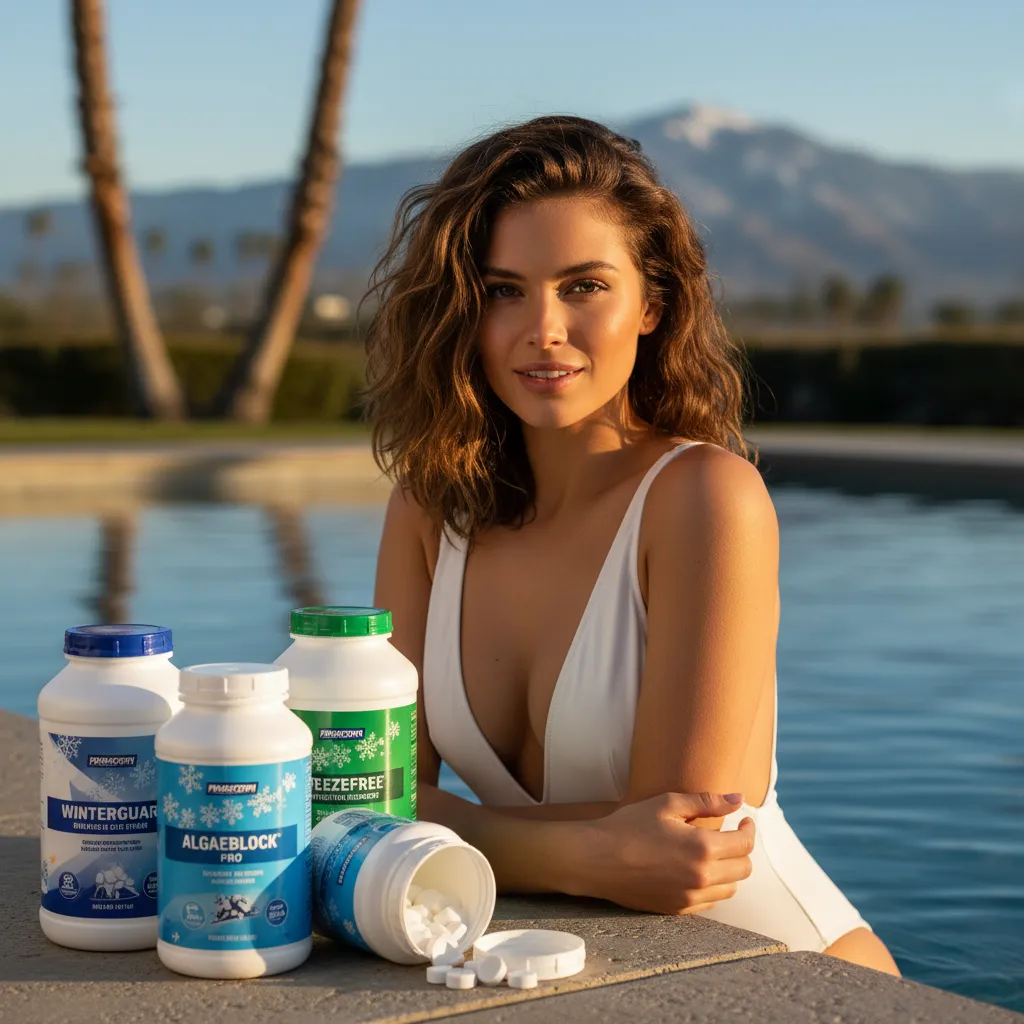
"The all-in-one solution for a guaranteed clear spring opening."
All-in-One Closing Chemical Kit
Winter demand is high - check stock

"The 'set & forget' option. This is the easiest winterizing I've ever done."
Simple 3-in-1 Winterizing Balls
Winter demand is high - check stock
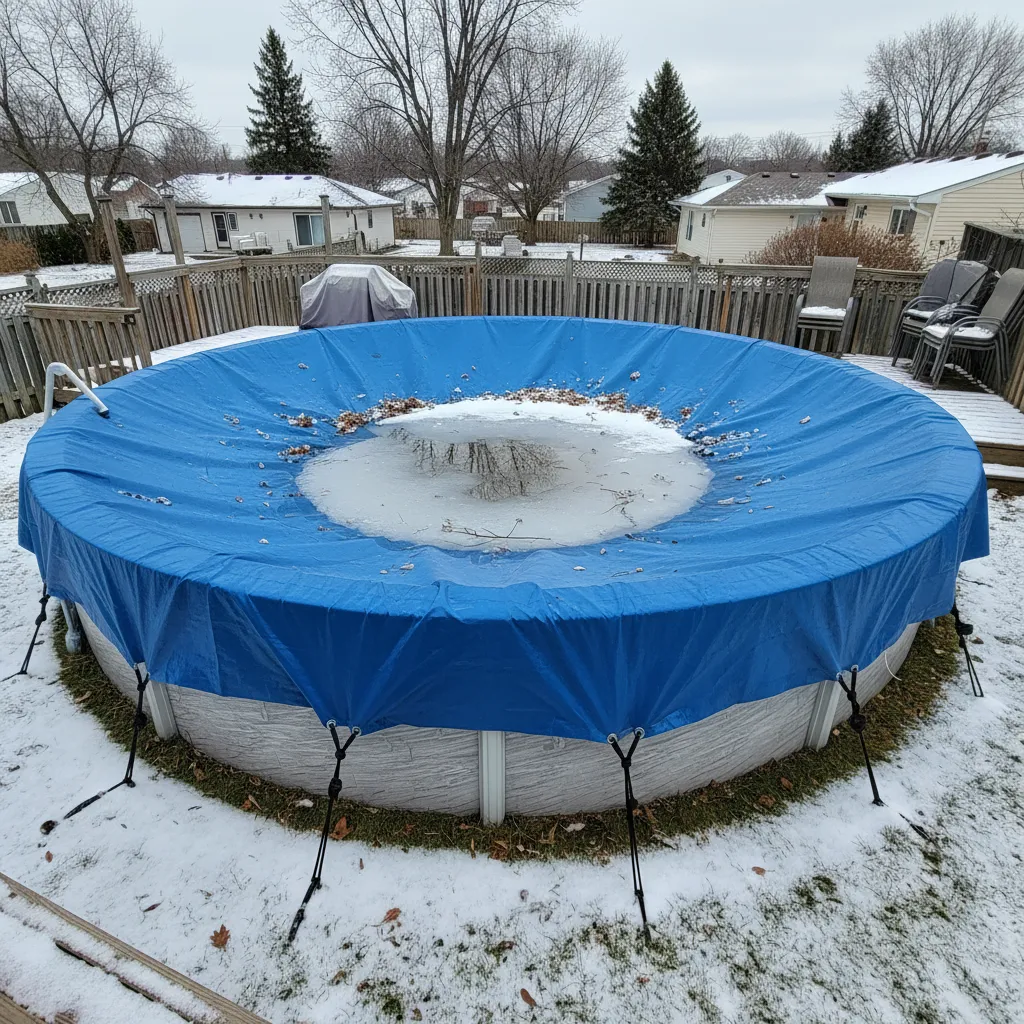
"Invest once to protect your liner and prevent a swamp in the spring."
Heavy-Duty Winter Pool Cover
Winter demand is high - check stock
Understanding Saltwater Compatibility
Not all pools work with salt. Saltwater pools run at 3,000-4,000 ppm salt concentration – about 1/10th of ocean water. This low level impacts parts but can still harm wrong materials. Salt systems turn NaCl into chlorine via a cell, cutting harsh chemical handling but adding upkeep for parts.
Material and Corrosion Considerations
Galvanized steel walls rust fast with salt. Resin tops, aluminum frames, or full polymer builds last. Linings must hold up to salt – look for 20-30 mil vinyl with salt-blocking layers. Pumps, filters, and ladders also need salt-proofing. Salt can pit standard parts in 2-3 years without safeguards.
Pool parts at risk: – Walls: Rust spots on galvanized steel within 12 months – Linings: Thinner vinyl (under 20 mil) may wrinkle or crack – Hardware: Bolts, rails, or caps without anti-corrosion coating
Manufacturer Guidelines for Saltwater Use
Check pool manuals first. Some brands void warranties if salt is added. Intex warns against salt in most inflatable or steel-frame models. Others like Bestway or Cornelius allow it with specific chlorinators. Hayward and Circupool sell systems made for above ground builds with salt limits of 3,500 ppm max.
Key brand rules: – Intex: No salt in non-AGP-rated pools – Coleman: Salt okay only with salt-specific liners – Radiant: Requires zinc anodes on metal parts
With compatibility confirmed, shifting focus to installation steps brings us to practical how-to tactics.
How to Turn an Above Ground Pool Into a Saltwater System
Transforming your above ground pool into a saltwater oasis requires precise execution. Follow these steps to ensure smooth conversion without compromising equipment or water quality.
Step 1: Test and Balance Pool Water
Begin with a full water analysis using a test kit or strips. Aim for pH levels between 7.2-7.6, total alkalinity of 80-120 ppm, and calcium hardness below 400 ppm. Balanced water prevents scaling on the salt cell and protects metal components from accelerated wear.
Step 2: Select a Saltwater Chlorination System
Choose a chlorinator rated for your pool’s gallon capacity—undersized units strain to produce enough chlorine. Look for above-ground-specific models like CircuPool SJ-20 or Hayward AquaRite with corrosion-resistant materials. Systems generating 0.8-1.2 lbs of chlorine daily suit most 12’x24’ pools. To keep your pool in great shape, it’s also important to consider the thickest pool liners. The thickest pool liners offer better durability and protection against wear and tear.
Step 3: Install the Saltwater Generator
Mount the control box on a weatherproof surface near the pump. Connect the salt cell after the filter but before chemical feeders using PVC unions for easy removal. Ensure all electrical connections meet local codes—many units require GFCI-protected 120V outlets.
Step 4: Add Salt to Your Above Ground Pool
Use only pool-grade sodium chloride (99.8% pure) to avoid staining. For a 5,000-gallon pool, add 150-200 lbs of salt gradually through the skimmer while the pump runs. Brush the bottom to dissolve residual crystals. Target 3,000-3,500 ppm salinity—test after 24 hours. Water boatmen thrive in these conditions, enjoying the salt balance in a pool environment. Creating a suitable pool for water boatmen turns your backyard into a lively ecosystem.
Step 5: Maintain Proper Chemical Levels
Once operational, monitor free chlorine (1-3 ppm), cyanuric acid (30-50 ppm), and salt concentration weekly. Clean the cell every 3 months with a 4:1 water-to-muriatic acid solution to remove calcium buildup. Adjust runtime based on bather load and weather.
Are All Above Ground Pools Compatible With Saltwater?
Not every above ground pool handles saltwater equally. Material quality and construction determine long-term viability.
Intex and Steel-frame Pool Considerations
Many temporary pools with powder-coated frames lack saltwater certification. Intex explicitly warns against using salt systems with their Basic Frame models. Steel-frame pools with galvanized components risk rust—opt for resin-based structures or upgrade to zinc-coated hardware.
Liner Durability in Saltwater Environments
Standard 20-mil vinyl liners may degrade faster with salt exposure. Use reinforced 25-28 mil liners labeled “saltwater-ready” to prevent osmotic blistering. Check for tears annually—salt accelerates wear on compromised areas.
With proper equipment and materials, saltwater pools offer a softer swim experience. Next, explore how to choose systems that match your pool’s unique needs.
Also See: Does Showboat Have a Pool? Find Out Here!
Choosing the Best Saltwater System for Above Ground Pools
Picking the right saltwater chlorination system ensures smooth operation for pools holding 5,000–18,000 gallons. Not all systems work for above-ground setups due to structural differences from in-ground models. Achieving the right balance in your pool’s chemistry is essential for maintaining water quality. An ideal bromine level helps keep the water clean and safe for swimmers.
Key Features to Look for
Saltwater generators designed for above-ground pools prioritize compact sizing, corrosion-resistant materials, and flow rates matching smaller pumps. Look for models with automatic shut-off sensors to protect equipment during low water flow. Maintaining the right bromine levels is essential for water clarity and sanitation. Additionally, pH and alkalinity directly affect how effective bromine can be in keeping the pool water balanced.
Size and Output Capacity
Match the system’s chlorine output (measured in grams per day) to your pool’s volume. A 12,000-gallon pool needs a generator producing at least 25 grams daily. Popular models like the CircuPool SJ-20 (20,000-gallon capacity) or Hayward AquaTrol (15,000 gallons) suit most setups. Oversizing wastes energy, while undersizing leads to algae growth.
Above-Ground-Specific Designs
Systems like the Intex Krystal Clear Saltwater Pump integrate with sand filters and exclude metal components prone to rust. Look for vertical salt cells that fit narrow equipment pads and warranties covering salt-related corrosion (e.g., Pentair MiniPlus offers 3-year coverage).
Pros and Cons Of Saltwater Above Ground Pools
Saltwater systems offer softer-feeling water but require upfront planning. Weigh these factors before converting your above-ground pool.
Advantages Over Traditional Chlorine Systems
Saltwater pools maintain chlorine levels at 1–3 ppm through electrolysis, reducing eye irritation and chemical odors. Owners spend 25–50% less on chlorine annually, with average yearly salt costs of $20–$80 versus $300+ for liquid chlorine. Automated systems also cut daily maintenance time by 40%. A great addition to any pool setup is a tanning ledge. It provides a perfect space to relax and soak up the sun while adding beauty to your backyard oasis.
Potential Drawbacks to Consider
Salt concentrations of 3,000–3,500 ppm can accelerate corrosion on untreated metal components like ladder bolts or pump housings. Vinyl liners may fade faster without UV inhibitors. Expect to replace salt cells every 3–5 years ($200–$600) and monitor stabilizer levels weekly.
Saltwater Above Ground Pool Maintenance Essentials
Consistent care prevents equipment damage and water imbalances. Follow these practices for pools using sodium chloride (NaCl) concentrations.
Salt Level Monitoring
Test salt monthly with digital meters like the Taylor K-1766. Ideal ranges: 2,700–3,400 ppm for most systems. Add salt in 40-lb increments—dissolve 50 lbs to raise 2,000 gallons by 480 ppm. Avoid clumping by broadcasting salt across the pool floor during pump operation. Keeping salt levels balanced contributes to overall water quality. One important factor in maintaining a pleasant swimming environment is the ideal pool temperature.
Cell Cleaning and Maintenance
Scale buildup reduces chlorine production. Soak the salt cell in a 4:1 water-to-muriatic acid solution every 3 months. Inspect plates for calcium deposits—white crusting signals needing a 15-minute soak. Systems with self-cleaning modes (e.g., Jandy AquaPure) minimize manual work.
Winterization Tips
Drain the salt cell and storage tank once temperatures drop below 50°F. Lower water levels to 4–6 inches below skimmers, and run the pump for 24 hours after adding salt to prevent freezing damage. Use winterizing plugs to seal return jets.
Next, let’s break down the financial aspects of running a saltwater setup compared to traditional chlorine pools.
Cost Analysis: Saltwater Vs Traditional Chlorine Systems
Deciding between saltwater and traditional chlorine for your above ground pool requires evaluating both immediate and long-term financial impacts. Let’s break down the numbers to help guide your decision. Pool water quality is vital for maintenance as well, which leads to the importance of various chemical balances. One important aspect of this is the calcium saturation index, which helps determine how well your pool water can hold calcium without causing scale or corrosion.
Initial Setup Costs
Converting to a saltwater system demands a higher upfront investment. Salt chlorine generators designed for above ground pools range from $500 to $1,500 depending on pool size and features like self-cleaning cells or digital controls. For example, a 15,000-gallon pool typically needs a 25-gram output system priced around $800. Traditional chlorine setups cost less initially, requiring only a floating dispenser ($20-$50) or inline feeder ($100-$300) plus opening chemicals ($80-$150). Preparing your above ground pool for use is essential, whether you choose saltwater or traditional chlorine. Taking the time to set up your pool correctly will help ensure a safe and enjoyable swimming experience.
Some above ground pools need corrosion-resistant upgrades for saltwater compatibility. Stainless steel components or sacrificial anodes add $100-$300 to installation costs. Always verify your pool’s warranty – brands like Bestway and Coleman often void coverage if salt systems are added without prior approval. When preparing your pool for winter, consider using RV antifreeze to protect your plumbing. This type of antifreeze is safe for pool equipment and helps prevent freeze damage during the cold months.
Ongoing Maintenance Expenses
Saltwater systems reduce recurring chemical purchases but introduce new costs. Annual salt additions (about 200 lbs for a 10,000-gallon pool) run $25-$50, while electricity for the generator averages $50-$75 per season. Salt cells last 3-7 years; replacement parts like the Hayward T-CELL-3 run $250-$400. Expect yearly maintenance costs of $150-$300.
Traditional chlorine pools require continuous chemical investments – 3-inch tablets ($100-$200/year), shock treatments ($60-$120/year), and algaecides ($30-$60/year). Total annual costs often reach $300-$600. Saltwater’s automated chlorine production cuts manual dosing labor but demands regular salt level checks and cell cleanings every 3-6 months using muriatic acid solutions. It’s also important to manage other factors that can affect water quality. Add a phosphate remover to the pool can help reduce algae growth and improve overall clarity.
With cost factors clarified, let’s explore how to maintain ideal water chemistry in saltwater above ground pools for lasting performance.
Frequently Asked Questions
What Type Of Salt Should I Use in My Above Ground Saltwater Pool?
Only use high-purity sodium chloride labeled “pool salt” or “solar salt” (99.8% pure). Avoid iodized table salt, rock salt, or salts with anti-caking additives, which can stain surfaces or damage equipment. Pool-grade salt dissolves faster and won’t introduce impurities that affect water chemistry.
Does Saltwater Affect Ph Levels Differently Than Traditional Chlorine?
Saltwater systems naturally elevate pH over time due to the chlorine generation process. Expect to monitor pH weekly and adjust with muriatic acid 2-3 times more frequently than in traditional pools. Ideal pH ranges remain 7.2-7.6, but saltwater pools often drift toward 7.8-8.0 without intervention.
Can I Switch Back to a Traditional Chlorine System After Converting?
Yes, but it requires a full drain and refill to remove salt residues. After draining, scrub all surfaces with fresh water, inspect metal components for corrosion, and replace damaged seals or gaskets. Allow the pool to refill before reintroducing chlorine tablets or liquid sanitizers. Maintaining proper chemical balance in your pool is important after this process. Regular testing and adjusting of pH, alkalinity, and chlorine levels ensure a safe and clean swimming environment.
How Long Do Saltwater Chlorinators Last in Above Ground Pools?
Quality systems typically last 3-7 years, depending on usage and maintenance. Cells in smaller above ground pools (under 10,000 gallons) often reach the upper end of this range due to lower runtime demands. Regular acid cleaning and proper water balance extend cell longevity.
Are Saltwater Above Ground Pools Safe for Pets and Sensitive Skin?
Saltwater pools contain 90% less salt than ocean water, making them gentler on skin and eyes compared to traditional chlorine pools. The saline concentration (3,000-4,000 ppm) is safe for most pets, though dogs drinking large amounts may experience minor stomach upset. Always provide fresh drinking water nearby. However, it’s important to be aware that certain environments can lead to the spread of lice. Pools can be a gathering place where these pests may easily transfer between individuals.
Closing Thoughts
Converting an above ground pool to saltwater is absolutely possible with the right preparation. While not all models are designed for saltwater use, many steel-frame pools and reinforced liners can handle the conversion when paired with a proper saltwater chlorination system. The key lies in selecting compatible equipment, maintaining 2,700-3,400 ppm salt levels, and monitoring corrosion potential.
Saltwater systems offer softer-feeling water and reduced chlorine odors compared to traditional methods, though they require upfront investments of $500-$1,500 for quality generators. Regular cell cleaning and salt level testing become part of your maintenance routine.
For precise salt calculations or chemical balancing, try the tools at My Pool Calculator. Whether you’re converting an existing pool or shopping for a salt-ready model, proper planning ensures years of low-maintenance swimming enjoyment.
Additional Resources for You:
- Lowry, R. (2018). Pool Chemistry for Service Pros: The Ultimate Guide to Water Balance. Laguna Hills, CA: Pool Chemistry Training Institute.
- Salt Water vs Chlorinated Water: What’s Better for Above Ground Pools?
- Can An Above-Ground Pool Be A Saltwater Pool? – House Digest
- I need to make our new above ground pool into a saltwater pool. I need all the help I can get. | Trouble Free Pool
- Why buy a Saltwater Above Ground Pool? | Swimmingpool.com
A pool care geek who’s been testing water chemistry since she was tall enough to reach the skimmer.
Above ground pool, Pool Care By Type