DE Pool Filter Media: Your Secret to Crystal-clear Pool Water
Published on: March 19, 2026 | Last Updated: November 17, 2025
Written By: Rachael Weatherbottom
DE pool filter media uses diatomaceous earth – a powder made from fossilized algae – to trap dirt and debris as small as 3-5 microns (1/50th the width of a human hair). Unlike sand or cartridge filters, DE creates a porous coating on filter grids that removes even microscopic particles, giving pools unmatched clarity. This guide compares DE types, explains maintenance steps, and helps you decide if it’s the best choice for your inground or above-ground pool.
You’ll discover how DE’s honeycomb structure captures algae and bacteria other media miss. We break down the differences between food-grade DE (used in gardens) and pool-grade DE (chemically stabilized for water safety), plus why proper loading techniques prevent cloudy water or equipment damage.
We’ll cover costs ($20-$50 per 25-pound bag), fix common issues like DE blowback into pools, and compare filter run times against sand systems. By the end, you’ll know how often to backwash, when to replace grids, and why DE can cut chemical use by 15-30% in properly balanced water.
What is DE Pool Filter Media?
Diatomaceous earth (DE) pool filter media consists of a fine, white powder made from fossilized remains of microscopic algae called diatoms. Found in ancient seabeds, these silica-rich organisms form a porous, abrasive material capable of trapping particles as small as 2-5 microns – 10 times smaller than what sand filters catch.
Crucial Winterizing Products
"The all-in-one solution for a guaranteed clear spring opening."
All-in-One Closing Chemical Kit
Winter demand is high - check stock

"The 'set & forget' option. This is the easiest winterizing I've ever done."
Simple 3-in-1 Winterizing Balls
Winter demand is high - check stock
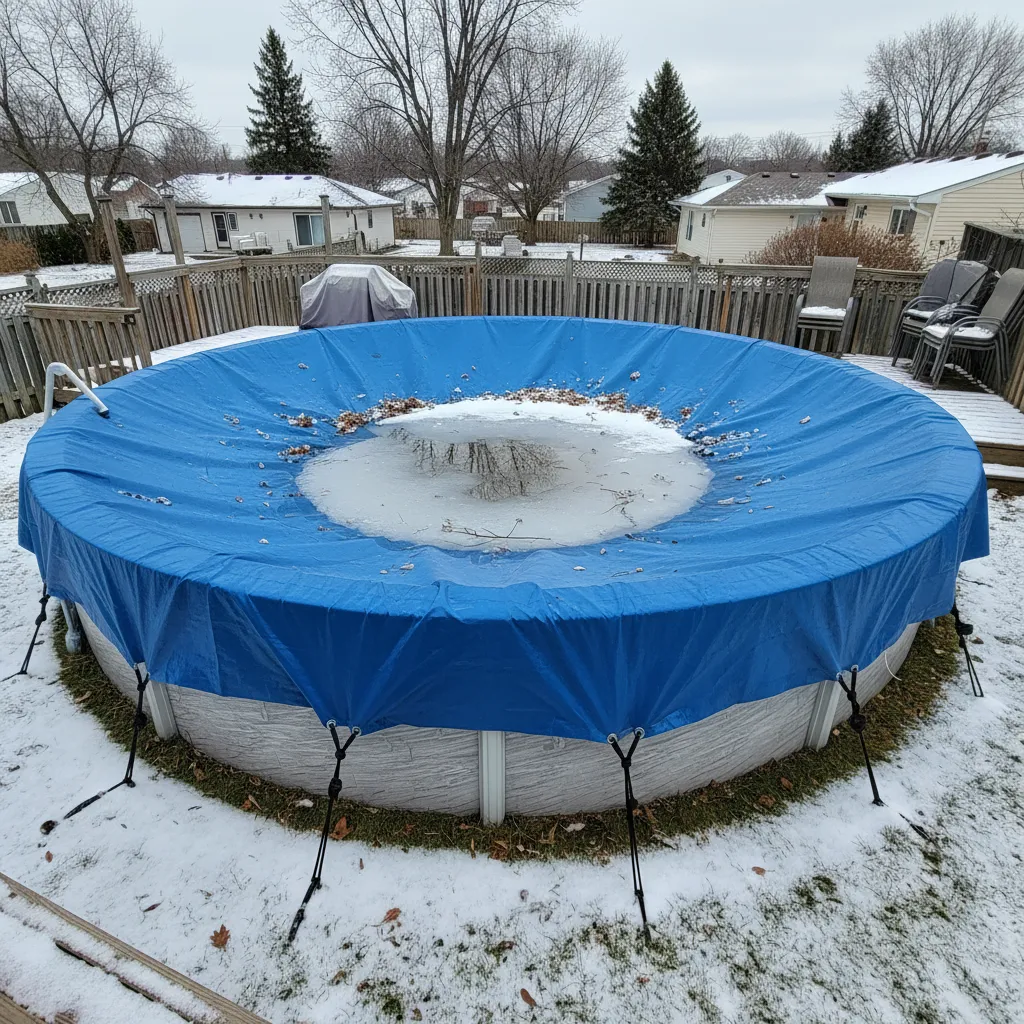
"Invest once to protect your liner and prevent a swamp in the spring."
Heavy-Duty Winter Pool Cover
Winter demand is high - check stock
Definition and Composition Of Diatomaceous Earth
DE contains 80-90% silica, along with trace minerals like aluminum and iron oxide. Its structure resembles a honeycomb under magnification, with jagged edges and microscopic pores. When processed for pool filters, the raw diatomite gets crushed, calcined at 1000°F to remove impurities, and graded into particles between 15-25 microns. This creates a balance between flow rate and contaminant capture.
Role Of DE in Swimming Pool Filtration
DE coats grids or fingers inside pool filters, forming a dense, layered barrier. As water passes through, debris like algae spores, bacteria, and fine silt embed into the DE matrix. The filter’s pressure gauge rises as the media collects more particles, signaling when backwashing is needed. Unlike cellulose or sand, DE’s irregular particle shapes prevent channeling, ensuring even filtration across the entire filter surface.
Beyond trapping contaminants, DE inhibits algae growth by creating an abrasive environment that damages cell walls. Food-grade DE (labeled NSF/ANSI 60) also meets safety standards for potable water systems, making it ideal for residential pools. Most filters require 1-2 lbs of DE powder per 10 sq ft of filter area, with costs averaging $20-$40 per 25-lb bag.
Ready to explore how this ancient algae transforms modern pool care? Let’s break down the science behind DE’s filtration power.
How DE Pool Filter Media Works
DE pool filter media relies on microscopic fossilized diatoms to trap contaminants. These tiny skeletal remains form a porous, lattice-like structure that acts as a natural sieve. Let’s break down the science behind its efficiency.
Filtration Mechanism Of DE in Pool Filters
When DE powder coats the filter grids, it creates a layered barrier with pores measuring 2–5 microns—smaller than a grain of table salt. Water passes through this layer, while debris like algae, bacteria, and fine silt gets trapped. The filter’s pressure gauge monitors flow resistance, signaling when backwashing is needed to flush trapped particles. Unlike sand or cartridge systems, DE’s static charge attracts positively charged impurities, boosting capture rates.
Why DE Provides Superior Clarity
DE’s micron rating outperforms sand filters (20–40 microns) and cartridges (10–15 microns). This precision removes particles invisible to the naked eye, giving water a polished, glass-like finish. The jagged edges of diatom fossils also scrape oils and lotions from the water column. Tests show DE filters achieve 99% turbidity reduction, making them a top choice for pools requiring spa-level clarity.
Types Of DE Pool Filter Media
Not all DE products function identically. Variations in form and purity impact performance, safety, and compatibility with pool systems.
DE Powder Vs. Pre-coated Filter Grids
DE powder is the standard choice, requiring manual application to grids during startup or after backwashing. A typical 24-inch filter needs 4–6 pounds initially. Pre-coated grids, while less common, come embedded with DE layers, reducing setup time. These grids cost 15–20% more upfront but eliminate powder handling, ideal for users sensitive to dust. As technology advances, replacing the filter grid has become a focus for many. A timely grid replacement not only boosts filtration efficiency but also extends the lifespan of the entire system.
Food-grade DE Vs. Pool-specific Grades
Food-grade DE contains 0.5–2% crystalline silica and is labeled safe for gardening or pest control. Pool-grade DE undergoes calcination, burning off impurities and reducing silica to non-detectable levels. Using food-grade DE risks clogging filters or exposing swimmers to irritants. Always choose NSF/ANSI Standard 50-certified DE labeled for aquatic use to ensure particle consistency (85% passing a 200-mesh sieve) and pH neutrality.
With the right DE type selected, the next step involves mastering maintenance routines to avoid common pitfalls.
Also See: Do Cats Drown in Swimming Pools? Know the Safety Tips
Pros and Cons Of DE in Pool Filters
Diatomaceous earth pool filter media brings distinct benefits and challenges to pool maintenance. Balancing its filtration prowess with upkeep demands allows owners to optimize performance. One effective alternative for pool filtration is all purpose sand. An all purpose sand pool filter offers a reliable and low-maintenance option for keeping your pool clean.
Advantages Of DE Pool Filter Media
DE stands out for trapping particles as small as 3-5 microns—four times smaller than sand filters catch. This results in visibly clearer water, reducing cloudiness caused by algae spores or fine debris. A 25lb bag of DE powder costs $20-$30, lasting 2-3 months for an average 15,000-gallon pool. Unlike cartridges, grids coated with DE can last 5-7 years with proper care. DE also minimizes chemical use by removing contaminants before they react with chlorine. Many pool owners consider using a DE pool filter cartridge for effective filtration. These cartridges offer a convenient solution for maintaining clean and clear pool water.
Limitations and Maintenance Challenges
Owners must add fresh DE powder after backwashing, typically every 4-6 weeks. Inhaling airborne DE dust during application risks lung irritation; food-grade diatomaceous earth (90% crystalline silica-free) lowers this hazard. Some regions classify used DE as non-hazardous waste, requiring landfill disposal instead of backyard dumping. Torn filter grids or cracked manifolds also demand immediate repair to avoid DE blowback into pools.
How to Use DE Pool Filter Media
Proper handling of diatomaceous earth for pool filters ensures peak filtration and system longevity. Follow these protocols to avoid common missteps.
Step-by-step Loading Process
- Turn off pump and open filter tank
- Inspect grids for tears; replace if gaps exceed 1mm
- Mix DE powder with water in a bucket (1.5lb per 10 sq ft of filter area)
- Pour slurry into skimmer with pump on “waste” setting
- Run system for 2 minutes to coat grids
Adding DE After Backwashing
Backwashing removes 20% of DE media. To replenish, multiply your filter’s square footage by 0.8 (e.g., 60 sq ft filter needs 4.8lb). Broadcast powder directly into the skimmer while the pump runs to distribute it without clumping. Regular maintenance helps keep your pool in good shape. This also plays a role in preventing leaks that could lead to costly repairs.
Replacing DE Media: When and How
Swap DE entirely if water pressure stays high after backwashing or if cloudiness persists. Drain the tank, remove old grids, and hose off residual DE. Always wear an N95 mask during this process to avoid inhaling silica particles.
Common Issues &Amp; Troubleshooting
Even with careful use, DE pool filters can develop problems. Spotting early signs prevents costly fixes.
Why DE Returns to the Pool
If DE powder appears in the pool, check for broken grid clips, cracked manifold O-rings, or warped septums. A damaged air relief valve (common in Hayward DE filters) also allows media to bypass filtration. Pool valves play an important role in controlling water flow and ensuring proper filtration. Maintaining these valves is essential for keeping the pool clean and functioning efficiently.
Consequences Of Overloading DE
Adding 10% more DE than required spikes pressure by 8-10 PSI, cutting flow rates by 30%. This strains pump motors and may crack lateral assemblies. Stick to manufacturer guidelines—most systems need 1lb per 10 sq ft.
Preventing DE Leaks and Clogs
- Soak grids in trisodium phosphate (TSP) yearly to dissolve oil buildup
- Test multiport valve seals with lubricant every 6 months
- Install a hairnet in skimmer baskets to catch debris before it coats grids
Knowing how DE compares to sand media clarifies which suits your pool’s needs. Up next: a breakdown of filtration stats, costs, and labor factors.
DE Vs. Sand Filter Media
Pool owners face a key choice: DE or sand media. Both trap dirt, but how they work and what they cost differ a lot.
Performance Comparison
DE media catches particles as small as 3 microns—think fine dust or pollen. Sand stops at 20-40 microns, missing tiny bits that cloud water. DE coats grids, forming a dense web that scrubs water clean. Sand relies on depth, letting some grit slip through. Tests show DE pools have 90% less debris post-filter vs. sand systems.
Cost and Maintenance Differences
A 25-lb bag of DE powder costs $25-$40, lasting 6-8 months for a 15,000-gallon pool. Sand media runs $50-$75 upfront but lasts 3-5 years. DE needs 10% more backwashes monthly, adding $3-$5 in water fees each cycle. Sand uses less labor but may need clarifiers ($15/bottle) to fix hazy water. To maintain clear and clean pool water, it’s essential to manage phosphate levels as well. By adding a phosphate remover to your pool, you can help keep algae at bay and ensure better longevity for your filtration system.
Choosing the Best DE Pool Filter Media
Not all DE works the same. Match the grade to your pool’s needs for top results.
Key Factors for Selection
Check filter size first—most need 1 lb of DE per 10 sq ft of grid area. High-use pools (5+ swimmers daily) benefit from 85% purity DE, which clogs less. For spas or small pools, food-grade DE (under 1% crystalline silica) cuts skin risk. After addressing filter needs, it’s important to consider safety precautions when swimming. Swimming shortly after shocking the pool can pose risks if not done carefully.
Recommended DE Powder Grades
Look for #4507 mesh (85% retained on 200-mesh screens) for fast coating. Brands like Celite 503 (pH 7.2-neutral) prevent scale in hard water. Avoid coarse grades labeled “pool DE” with under 80% diatom content—they let algae slip past. Choosing the right materials is essential for keeping your pool clean and clear. This guide will help you find the best algaecides to keep algae at bay.
Safety &Amp; Handling Guidelines
DE is safe if used right. Follow these steps to keep lungs and skin safe.
Is DE Filter Powder Hazardous?
Dry DE dust can harm lungs if breathed in. Pool-grade DE uses amorphous silica (non-crystalline), not the risky form found in quartz. Still, the CDC says wear an N95 mask when loading powder. Damp DE (post-mixing) poses no air threats.
Safe Storage and Application Tips
Store DE in sealed tubs off damp floors. Use a scoop with a pour spout to cut dust. Add powder slowly to the skimmer with the pump on—never dump dry DE straight into the tank. Rinse skin post-contact; it can dry out hands.
Ready to find top DE products? Let’s explore where to buy trusted brands and spot fakes.
Where to Buy DE Pool Filter Media
Finding reliable sources for diatomaceous earth pool filter media requires balancing convenience, cost, and product quality. Both physical stores and digital platforms offer options, but each comes with trade-offs tied to pricing, accessibility, and expert support.
Local Retailers Vs. Online Options
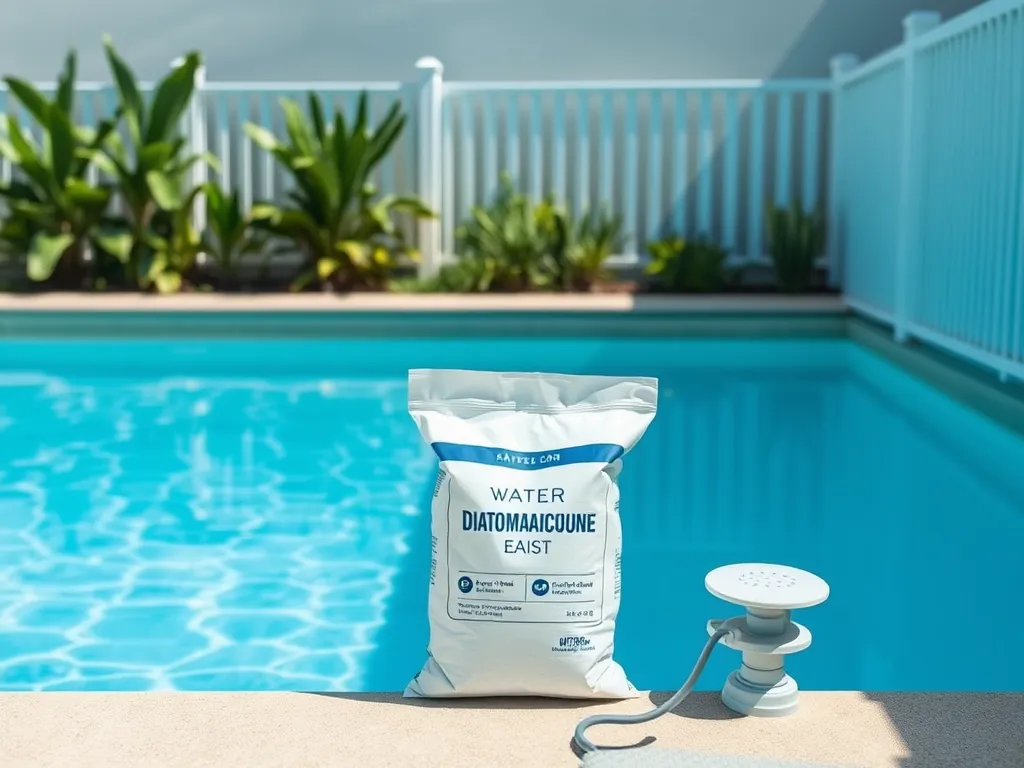
Local pool supply stores like Leslie’s Pool Supplies or Pinch A Penny stock DE media in powder form or pre-coated grids. Big-box retailers such as Home Depot and Lowe’s typically carry 25-lb bags of pool-grade DE priced between $20-$50. These stores allow immediate purchase and let you inspect packaging for certifications like NSF/ANSI 50, which verifies safety for recreational water use. Staff can often answer questions about DE filter media for pools, making local retailers ideal for first-time buyers. When considering pool maintenance, it’s also important to think about the cost of additional equipment like a pool chiller. A pool chiller can significantly enhance your swimming experience, but it comes with its own costs that homeowners should budget for.
Online marketplaces like Amazon, Walmart, or specialty sites like Doheny’s offer broader brand selections, including eco-friendly or food-grade diatomaceous earth for pool filters. Bulk purchases (50-lb bags) reduce per-pound costs by 10-15%, but shipping fees for heavy DE products may offset savings. Third-party sellers sometimes list discounted “pool filter DE media” bundles with applicators or grid cleaners. Read reviews mentioning particle consistency—high-quality DE powder should feel uniformly gritty, not clumpy or dusty. Having a well-maintained pool is important for enjoying a relaxing swim. For example, maintaining a 10,000-gallon pool requires proper filtering and chemicals to keep the water clear and inviting.
Identifying Quality DE Products
Not all diatomaceous earth swimming pool filter media performs equally. Premium DE contains 90-94% amorphous silica, with the remaining 6-10% comprising clay minerals. Avoid products labeled “crystalline silica,” as this form poses respiratory risks. Look for mesh ratings between 1-40 microns on packaging—finer particles trap smaller debris but may increase pressure faster. Reputable brands like Clorox Pool&Spa or Aqua Pearl specify particle size ranges and purity levels. When maintaining a clean pool, the choice of sanitizers also plays a critical role. Considering the differences between pool chlorine and bleach can help you make informed decisions for both safety and effectiveness.
Check for NSF/ANSI 50 certification, which ensures the DE filter media meets health standards for swimming pools. Food-grade diatomaceous earth, while safe, lacks polymer additives in pool-specific grades that help DE adhere to filter grids. If purchasing online, verify return policies—some sellers allow exchanges if the DE media causes frequent clogs or cloudiness post-backwashing.
With your DE sourced, proper maintenance ensures it performs at peak efficiency. Let’s explore strategies to extend its lifespan and address common operational challenges.
FAQ: DE Pool Filter Media
Is DE Filter Media Compatible With Saltwater Pools?
Yes, DE works seamlessly with saltwater systems. The media’s inert composition doesn’t react with chlorine generators, though salt cell scaling may slightly increase backwashing frequency. Monitor pressure gauges closely to maintain optimal flow rates.
Does DE Alter Pool Ph or Chemical Balance?
Quality pool-grade DE is pH neutral (7.0–7.4) and won’t disrupt water chemistry. However, non-certified products may contain alkaline impurities—always test alkalinity and pH after initial DE application or media changes. It’s also important to keep the stabilizer levels in check. A test stabilizer pool can help maintain optimal water balance for better pool care.
How Should I Dispose Of Spent DE Media?
Used DE must be bagged and landfilled in most jurisdictions. Never discard it in storm drains or gardens, as accumulated DE can block water flow and harm soil structure. Some wastewater plants accept small amounts mixed with organic waste.
Can DE Be Reused After Backwashing?
No. Backwashing flushes out clogged DE along with trapped debris. Attempting to recycle DE risks reintroducing contaminants and compromising filtration efficiency. Always use fresh powder after each backwash cycle.
What First Aid Steps Follow DE Inhalation?
Immediately move to fresh air and rinse mouth with water. If respiratory irritation persists, seek medical attention. For eye contact, flush with water for 15 minutes. Wear NIOSH-approved masks during handling to prevent exposure.
Is DE Effective in Above-ground Pool Filters?
DE performs equally well in above-ground systems when matched to the filter’s specifications. Ensure the pump’s GPM (gallons per minute) rating aligns with the DE filter’s maximum flow capacity to prevent media blowback.
Closing Thoughts
DE pool filter media remains a top choice for pool owners seeking crystal-clear water. Its microscopic filtration capabilities outperform sand and cartridge alternatives, capturing particles as small as 2-5 microns. While requiring more maintenance than other options, the results justify the effort for many enthusiasts.
Proper handling and regular backwashing extend DE filter performance. Always measure carefully—most systems need 1 lb of DE powder per 10 sq ft of filter area after backwashing. Watch for DE returning to the pool, which signals torn grids or manifold issues needing repair.
For precise DE measurements and pool maintenance calculations, visit My Pool Calculator. Our tools help determine exact DE quantities, backwash schedules, and chemical balances tailored to your specific pool setup.
Whether you’re maintaining a residential oasis or commercial pool, DE filtration delivers unmatched clarity when used correctly. Pair this media with consistent testing and balanced water chemistry for optimal results season after season.
Additional Resources for You:
- Pool & Hot Tub Alliance (PHTA). (2021). ANSI/APSP/ICC-11 Standard for Water Quality in Public Pools and Spas. Alexandria, VA: PHTA.
- Amazon.com: De Pool Filter Powder
- DE POWDER (DE Filter Media) | Dave’s Pool Store & Service
- Celatom Diatomaceous Earth Filter Powder 25 lbs – DE For Pool Filters | In The Swim
- Pool Time 25 lbs. DE. Filter Powder 23702PTM – The Home Depot
A pool care geek who’s been testing water chemistry since she was tall enough to reach the skimmer.
DE Filters, Filters, Pool Equipment Repair